
To trim hawthorn shrubs effectively, you should prune them during their winter dormancy to encourage healthy spring growth. By removing dead wood and thinning out congested branches, you maintain the shrub’s natural shape and promote better air circulation. This simple maintenance routine ensures your plants remain vibrant, dense, and structurally sound throughout the entire growing season.
Hawthorn shrubs are resilient, beautiful additions to the landscape, but they require proper maintenance to stay healthy and dense. While these hardy plants are relatively low-maintenance, consistent care prevents them from becoming overgrown or woody. Understanding the plant’s growth habits allows you to manage its size while preserving the attractive flowers and berries that define the species.
This guide explains the best time to prune, the tools you need, and how to safely shape your hawthorn for optimal flowering and structure. We will walk you through the essential techniques required to achieve a professional finish. Follow these clear, practical steps to keep your garden hedge looking pristine and thriving for many years to come.
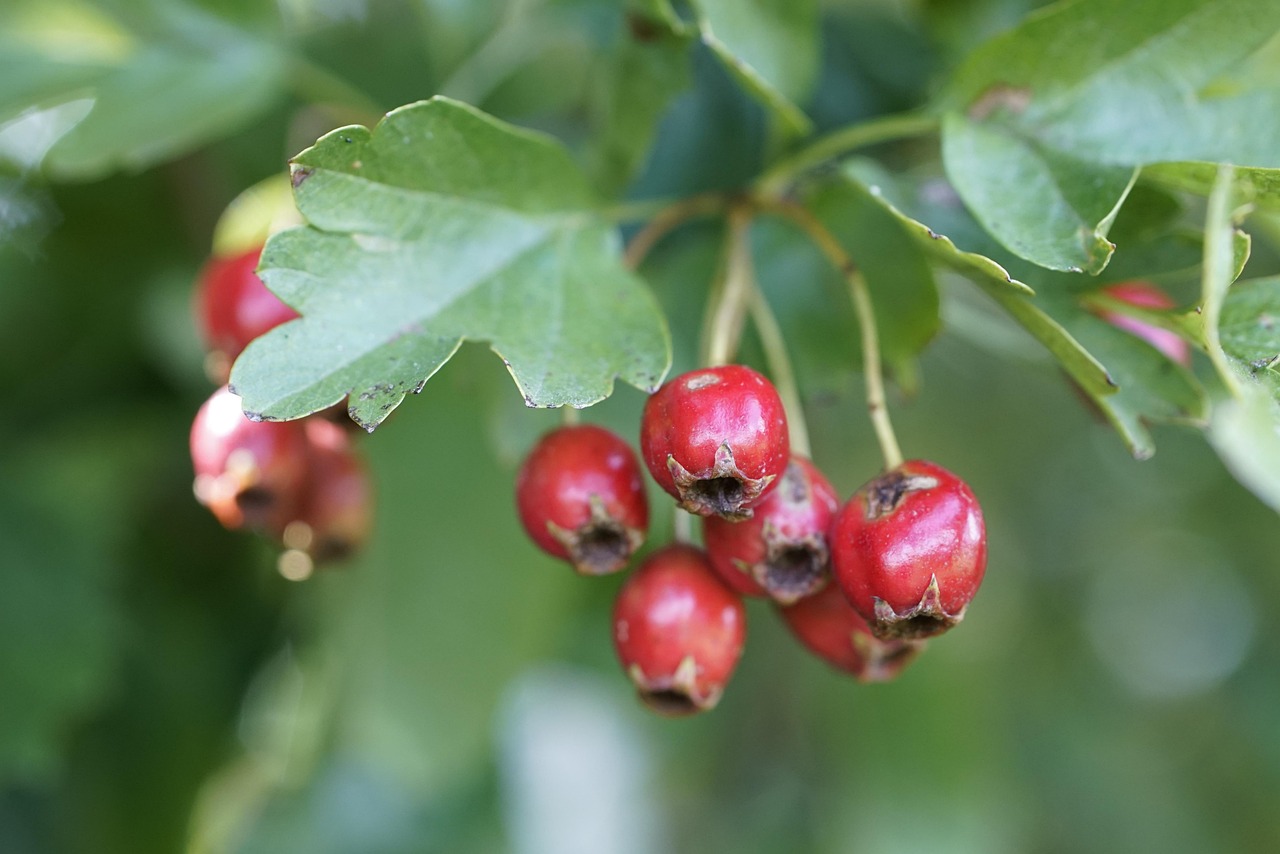
The Best Time to Prune Hawthorn
Timing your pruning correctly is the most effective way to maintain the health and vigor of your hawthorn shrub. Pruning at the wrong time can leave the plant vulnerable to disease or cause unnecessary stress, potentially reducing the number of blossoms you see the following year.
For heavy pruning or significant structural work, wait until late winter or very early spring. During this period, the hawthorn is in a state of dormancy. Without leaves, you have a clear view of the shrub’s branch structure, making it much easier to identify dead, diseased, or crossing branches that need to be removed.
Pruning while the plant is dormant ensures that the shrub will direct its energy into vigorous new growth as soon as the weather warms. To ensure success, aim to finish these major cuts just before the buds begin to swell.
If you only need to perform light maintenance or shape the shrub, you can be more flexible. Follow these guidelines for seasonal upkeep:
- Post-Bloom Shaping: Perform light trimming in mid-summer, specifically after the blossoms have faded. This allows you to tidy the silhouette of the shrub without removing the flower buds that have already set for the season.
- Sanitation Pruning: You can remove dead, damaged, or diseased wood at any time of the year. Promptly cutting away infected branches helps prevent the spread of common hawthorn ailments like fire blight.
Always use sharp, sterilized bypass pruners or loppers to ensure clean cuts. Ragged edges can take longer to heal and may invite pests or fungal spores. By adhering to these seasonal windows, you allow your hawthorn to recover quickly and thrive throughout the growing season. If you live in an area with harsh, late-season frosts, it is safer to delay your major winter pruning until the threat of extreme cold has passed, as fresh cuts can sometimes be sensitive to sudden temperature drops.
Essential Safety Gear and Tool Preparation
Hawthorn shrubs are beautiful additions to any landscape, but they are notorious for their long, needle-sharp thorns. Because these woody spines can easily pierce standard gardening attire, prioritizing personal protection is the most critical step before you begin pruning.
To stay safe while working, outfit yourself with the following gear:
- Puncture-resistant gloves: Choose heavy-duty leather or reinforced synthetic gauntlet-style gloves that protect your wrists and forearms.
- Long sleeves and pants: Wear thick, tightly woven fabrics to prevent thorns from snagging or scratching your skin.
- Eye protection: Safety glasses are essential to shield your eyes from stray branches and debris while you navigate the dense canopy.
Once you are properly protected, focus on your tools. Dull blades are a common cause of garden accidents because they require more force to operate and often leave ragged, uneven cuts that invite disease. Before starting, inspect your bypass pruners, loppers, and hedge shears. Ensure the blades are sharp, clean, and free of rust. A clean, precise cut is vital for the shrub’s health, as it allows the plant to seal the wound and heal significantly faster.
If you are tackling a large hedge using power trimmers, conduct a thorough safety check before plugging in. Inspect all power cords for fraying or exposed wires, and ensure that your workspace is clear of tripping hazards. Most importantly, always maintain stable footing. Never overreach while on a ladder; if the shrub is too tall to reach safely from the ground, consider using an extension pole pruner or working in smaller, manageable sections.
By preparing your equipment and dressing appropriately, you transform a potentially hazardous task into a controlled, efficient pruning session. Taking these precautions not only protects your skin and eyes but also ensures that your hawthorn shrub remains healthy and vigorous throughout the growing season.

Step-by-Step Pruning Technique
Before you begin shaping your hawthorn, you must prioritize the health of the plant. Start by removing the “three Ds”: any branches that are dead, damaged, or diseased. Use sharp, sterilized bypass pruners to make clean cuts back to healthy wood or to the main stem. This initial clearing prevents the spread of pathogens and redirects the plant’s energy toward vigorous new growth.
Next, focus on the interior structure of the shrub. Identify branches that are crossing over or rubbing against one another. These areas create friction wounds that act as entry points for pests and infections. By removing these, you significantly improve airflow through the center of the hawthorn, which is essential for reducing the risk of fungal issues like leaf spot or powdery mildew.
Once the interior is clear, you can begin shaping the exterior. To encourage a healthy, open habit, follow these pruning guidelines:
- Locate an outward-facing bud on the branch you intend to prune. This is a bud pointing away from the center of the shrub.
- Position your pruners approximately 1/4 inch above the bud.
- Make your cut at a 45-degree angle, sloping away from the bud.
Cutting at this specific angle is a critical practical technique. It ensures that any moisture—from rain or dew—runs off the cut surface rather than pooling directly on the bud. If water collects on the cut, it can cause the wood to rot or encourage bacterial growth, which can kill the bud you are trying to stimulate. By cutting at a slope, you direct the plant’s growth outward, creating a fuller, more attractive shape while keeping the wood dry and protected.
Always step back frequently to assess the overall symmetry of the shrub. It is better to make several small adjustments than to over-prune, as hawthorns can take time to recover from aggressive cutting. Focus on maintaining a balanced, natural form that allows light to penetrate the entire canopy.
Managing Size and Density
To achieve a lush, thick appearance, regular pruning is essential. Hawthorns respond well to strategic cuts, which encourage the plant to produce more lateral shoots, resulting in a denser habit over time. For general maintenance, you can prune back the current season’s growth by approximately one-third. This technique forces the plant to branch out, filling in gaps and creating a fuller silhouette.
While hawthorns are hardy, they can suffer from stress if pruned too aggressively. To ensure the long-term health of your shrub, follow these safety guidelines:
- Never remove more than 25 percent of the total canopy in a single growing season. Over-pruning can trigger excessive stress or shock, leaving the plant vulnerable to pests and disease.
- Always use sharp, sterilized bypass pruners or loppers. Clean cuts heal faster and reduce the risk of introducing pathogens into the woody stems.
- Make your cuts just above a bud facing outward. This directs new growth away from the center of the shrub, improving airflow and light penetration.
If you are maintaining your hawthorn as a formal hedge, the shape of your cut is just as important as the amount removed. Aim to prune your hedge so that it is wider at the base than at the top, creating a slight taper. This “A-frame” profile is critical for the health of the lower foliage. If the top of the hedge is wider than the base, the upper branches will cast a permanent shadow, depriving the lower sections of the sunlight they need to thrive. Without adequate light, the bottom of your hawthorn hedge will eventually become sparse and woody.
Finally, always remove any dead, damaged, or diseased wood before focusing on shape. Clearing out this “dead weight” first allows you to see the true structure of the plant, helping you make more informed decisions about where to shorten the healthy stems to achieve your desired density.
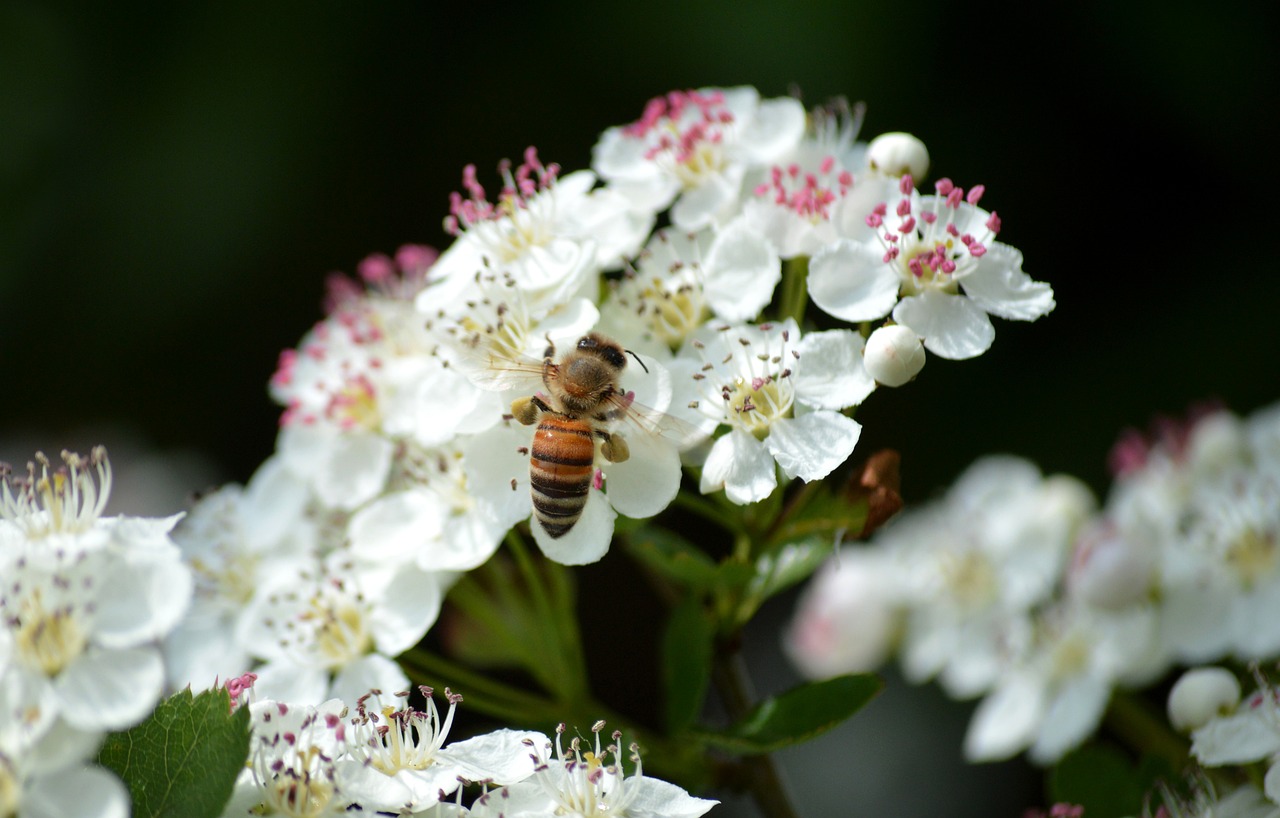
Follow-Up Care and When to Call a Pro
Once you have finished pruning your hawthorn, the plant needs support to recover from the stress of cutting. Immediately give the shrub a deep, thorough watering. This helps the roots stay hydrated and encourages the plant to direct energy toward healing its pruning wounds rather than struggling with drought stress.
For the next few weeks, monitor your hawthorn closely. Proper maintenance is the best defense against common issues, but early detection is vital for long-term health. Keep a sharp eye out for these warning signs:
- Fire Blight: This is a serious bacterial infection. Look for branches that appear scorched or blackened, often with tips curling into a “shepherd’s crook” shape. If you spot these symptoms, do not attempt to prune them yourself, as you may spread the bacteria. Contact a professional immediately.
- Pest Infestations: Watch for unusual leaf discoloration, webbing, or sticky residue, which can indicate aphids or scale insects.
- Fungal Spots: Persistent damp weather can lead to leaf spot diseases. While often cosmetic, severe cases can weaken the shrub over time.
While DIY pruning is excellent for maintaining shape and removing deadwood on smaller shrubs, some situations require expert intervention. Safety should always be your priority. You should call a certified arborist if:
- The hawthorn has grown into a large tree that requires climbing gear or ladders to reach the upper canopy.
- You need to make major structural cuts on thick, heavy branches that could cause injury or property damage if they fall unexpectedly.
- The shrub is located near power lines or utility structures.
Professional arborists have the specialized equipment and training to perform complex cuts without compromising the structural integrity of the plant. If you are ever in doubt about the health of your hawthorn or the safety of the pruning process, it is always better to consult a professional rather than risking damage to yourself or your tree.

Dedicated team of gardening enthusiasts with years of hands-on experience testing lawn mowers, gardening tools, and outdoor equipment. We help home gardeners and professionals alike make informed buying decisions with honest, thorough reviews. From push mowers to pruning shears, we test it all so you don’t have to. Got a gardening tool you’d like us to review? Get in touch!