
To trim a beech hedge effectively, you should prune it once or twice during the summer months to maintain its shape and density. A well-maintained beech hedge provides a lush, structured boundary for your garden. Learn the professional techniques for trimming your Fagus sylvatica to ensure it remains healthy and perfectly shaped throughout the seasons.
Achieving a crisp, formal look requires patience and the right approach to seasonal growth. While beech is relatively forgiving, timing your cuts correctly prevents unsightly gaps and encourages the plant to retain its iconic copper leaves through winter. Understanding the natural growth cycle of these resilient shrubs is the secret to achieving a professional finish.
In this guide, we break down the essential tools and step-by-step methods needed to manage your hedge with confidence. From selecting the proper shears to perfecting your cutting angles, our practical advice will help you avoid common mistakes. Follow these expert tips to keep your garden boundary looking neat, vibrant, and thriving year after year.
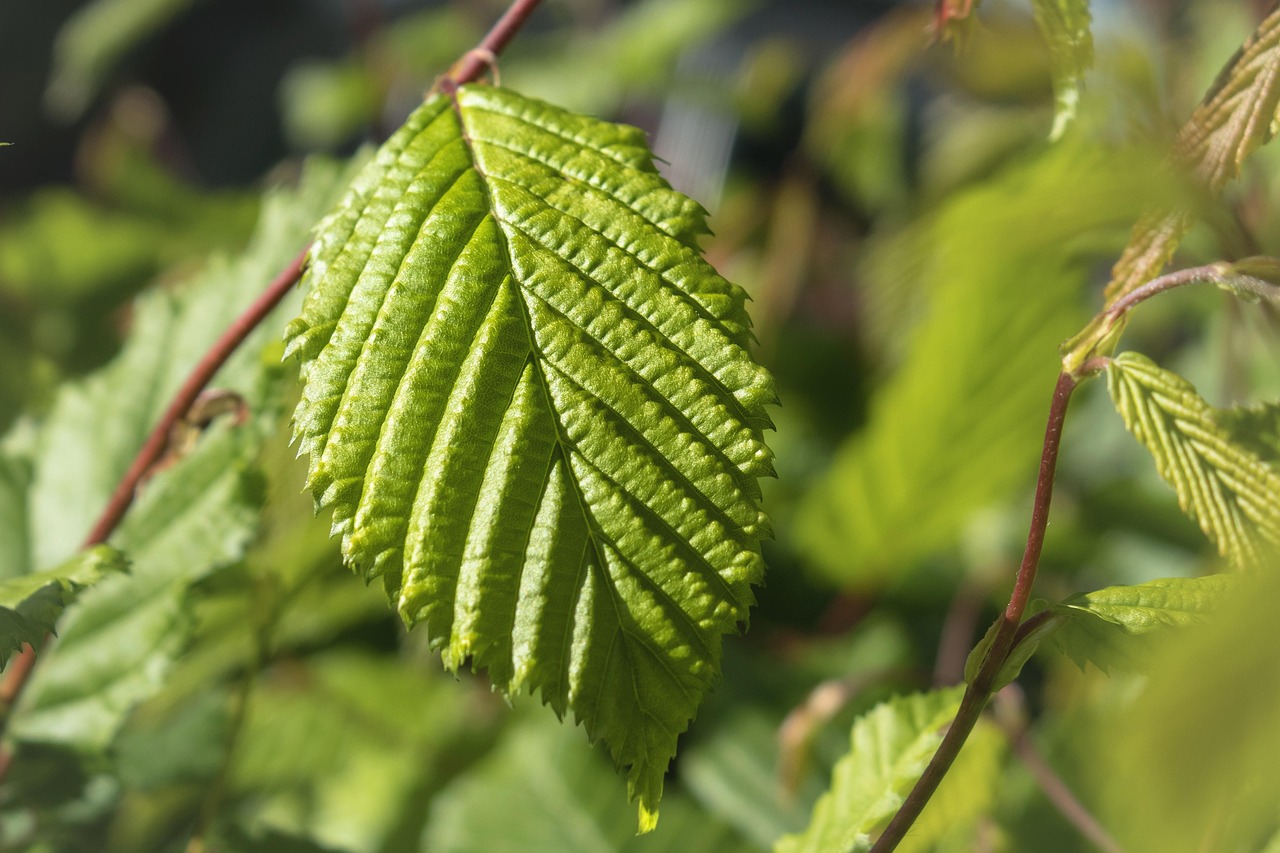
The Best Time to Trim Beech Hedges
Timing is the most critical factor in maintaining a healthy, dense beech hedge. Because beech trees are vigorous growers, they require strategic pruning to ensure they remain thick and manageable without compromising their long-term vitality.
The ideal time for your main trim is in late summer, specifically between late July and August. Pruning during this window allows the hedge to recover and the new growth to harden off properly before the onset of winter frosts. If you prune too late in the autumn, the fresh cuts may not heal, leaving the plant vulnerable to cold damage.
Before you begin, consider these essential timing guidelines:
- Avoid early spring: Never trim your hedge during the spring months. Not only is this a period of rapid sap flow, but it is also the peak nesting season for many garden birds. Disturbing active nests is harmful to wildlife and, in many regions, legally restricted.
- Monitor the weather: Choose a cool, overcast day for your trimming session. Avoid pruning in direct, intense sunlight, as the newly exposed inner leaves can easily scorch if the hedge is suddenly opened up to harsh UV rays.
- Assess growth stages: Wait until the current season’s new, soft growth has begun to darken and firm up. If the stems are still bright green and succulent, the hedge is likely still in its active growth phase, and it is better to wait another week or two.
By sticking to this late-summer schedule, you ensure that your beech hedge remains tidy and well-shaped throughout the autumn and winter months. This approach balances the aesthetic needs of your landscape with the biological requirements of the plant, promoting a robust, leafy screen that will thrive for years to come. If you notice minor straggly shoots at other times of the year, it is generally safe to lightly tip them back, but reserve major structural pruning for that vital late-summer window.
Essential Tools and Safety Preparation
Achieving a clean, professional-looking beech hedge requires the right equipment. Using dull blades can crush plant stems rather than slicing through them, which leaves the hedge vulnerable to disease and results in unsightly brown edges. For smaller hedges or detailed shaping, sharp, high-quality manual hedge shears are ideal. If you are maintaining a large, established hedge, a well-maintained power hedge trimmer will save significant time and physical effort.
Before you begin, prioritize your personal safety. Proper preparation prevents injury and ensures you can focus entirely on the task. Always equip yourself with the following protective gear:
- Safety glasses: Essential for shielding your eyes from flying twigs, leaves, and debris.
- Sturdy gloves: Protect your hands from thorns, sharp stems, and the friction of tool handles.
- Long sleeves and trousers: Provide a necessary barrier against scratches and skin irritation.
If you choose to use power tools, take extra precautions to manage potential hazards. Before plugging in your trimmer, conduct a thorough inspection of the power cord to ensure there are no nicks, cuts, or exposed wires. If you are using a cordless model, check that the battery is securely locked in place and fully charged to prevent power loss mid-cut.
Your physical stability is just as important as the tool itself. Before you start cutting, clear your work area of any tripping hazards. Maintain a firm, wide stance on solid, level ground. Never attempt to operate power equipment while standing on an unstable ladder or a step stool, as the vibration and weight of the tool can easily throw you off balance. If the top of the hedge is out of reach from the ground, invest in a long-reach pole trimmer or a sturdy, wide-based platform rather than risking a fall. By prioritizing these safety measures, you ensure a productive gardening session and a healthier hedge.

Techniques for a Perfectly Shaped Hedge
Achieving a dense, uniform beech hedge requires more than just removing excess growth; it demands a strategic approach to light distribution. The most common mistake gardeners make is trimming the sides vertically or even wider at the top. This creates a “top-heavy” shape that casts a shadow over the lower foliage, eventually causing the base to become thin, woody, and sparse.
To encourage thick growth from the ground up, always trim your hedge so it is slightly narrower at the top than at the base. This “A-frame” or tapered profile ensures that the lower branches receive ample sunlight and airflow, which is essential for maintaining healthy, vibrant leaves throughout the entire structure.
Precision is key to a professional finish. Rather than relying on your eye alone, use these techniques to maintain perfectly straight lines:
- Set a guide: Drive two stakes into the ground at either end of the hedge and run a taut string line between them. This provides a clear, level reference point for the top of the hedge.
- Vertical alignment: For the sides, use a long spirit level or a plumb line to ensure your cuts remain consistent. If you are trimming a long stretch, move your string line periodically to check your progress.
- Step back often: Periodically stop trimming to step back several feet. Viewing the hedge from a distance helps you spot uneven patches or dips that are not visible when you are standing directly against the foliage.
When trimming, always use sharp, clean shears or hedge trimmers. Dull blades can tear the beech leaves, leading to ragged edges that turn brown and detract from the hedge’s appearance. Make your cuts with confidence and precision, following the natural shape of the plant. By prioritizing sunlight access and using physical guides for alignment, you will cultivate a robust, well-structured beech hedge that serves as a beautiful, dense boundary for your garden.
Executing the Cut Correctly
Begin by focusing on the sides of your beech hedge. Using long, sweeping motions, work from the bottom upward. This technique ensures a smooth, consistent finish and prevents the hedge from looking jagged. Keep your blade movement fluid to avoid “choppy” patches that can take an entire season to grow out.
Always aim for a slight taper, meaning the base should be marginally wider than the top. This shape allows sunlight to reach the lower branches, preventing the hedge from becoming thin or bare at the bottom.
Once the sides are shaped, move to the top. If you are using power trimmers, prioritize safety and precision with these steps:
- Keep the blades parallel to the hedge surface to maintain an even, level line.
- Maintain a firm, two-handed grip on the tool at all times to prevent kickback.
- Always cut away from your body, never toward it.
- Keep the power cord positioned behind you, away from the blades, to prevent accidental severing.
If you are using manual shears, ensure they are sharp and clean. Dull blades can crush the stems rather than slicing through them, which invites disease and leaves unsightly brown edges on the foliage. If the hedge is tall, use a sturdy, level platform rather than overreaching from a ladder. Reaching too far compromises your balance and leads to uneven cuts.
After finishing the top, step back and view the hedge from a distance. It is easier to spot high spots or uneven sections from a few paces away. Make minor adjustments as needed, but avoid over-trimming. Beech hedges are resilient, but removing too much growth at once can stress the plant. If you find yourself cutting into thick, woody branches, stop; beech hedges thrive best when you primarily trim the current year’s soft growth. This approach encourages dense, healthy foliage and keeps your hedge looking vibrant throughout the year.

Aftercare and Common Hedge Maintenance Questions
Once you have finished trimming your beech hedge, the immediate priority is site hygiene. Beech foliage is susceptible to fungal spores and pests that thrive in decaying organic matter. Thoroughly rake and remove all clippings from the base of the hedge and the surrounding soil. Leaving debris trapped within the branches or on the ground can create a damp environment that encourages rot and disease.
After clearing the area, your hedge needs a boost to recover from the stress of pruning. Apply a light layer of organic mulch, such as well-rotted compost or leaf mold, around the base of the plants. This helps retain soil moisture and suppresses weeds. If the hedge appears sluggish, you may also apply a balanced, slow-release granular fertilizer, but avoid heavy nitrogen applications late in the season, as this can encourage soft, vulnerable growth that will not survive the first frost.
Proper maintenance also involves regular observation. Keep an eye out for these common issues:
- Pests: Look for signs of aphids or woolly beech aphid, which appear as white, cotton-like tufts on the undersides of leaves.
- Gaps: If your hedge is developing uneven patches or thinning at the bottom, ensure it is receiving adequate light and water.
- Disease: Be alert for discoloration, wilting, or unusual lesions on the bark or foliage.
While routine maintenance is manageable for most gardeners, some situations require expert intervention. If you notice persistent disease, significant structural gaps that do not respond to light pruning, or if you need to reduce the height of an overgrown, woody hedge, consult a professional arborist. Beech trees can be sensitive to heavy cutting; an arborist can assess the health of the root system and ensure that any major structural work does not permanently damage the plant. By prioritizing hygiene and knowing when to seek professional advice, you ensure your beech hedge remains a dense, healthy, and vibrant feature of your garden for years to come.

Dedicated team of gardening enthusiasts with years of hands-on experience testing lawn mowers, gardening tools, and outdoor equipment. We help home gardeners and professionals alike make informed buying decisions with honest, thorough reviews. From push mowers to pruning shears, we test it all so you don’t have to. Got a gardening tool you’d like us to review? Get in touch!