
Fungus gnats are a common nuisance for indoor gardeners, often appearing as tiny black flies hovering around soil. To treat plants with fungus gnats, you must target both the flying adults and the larvae living in the potting mix to break their reproductive cycle effectively and stop them from spreading to your other healthy greenery.
While these pests are frustrating, they rarely kill established, healthy plants immediately. However, their larvae feed on organic matter and delicate root hairs, which can cause significant stress or stunted growth over time. Understanding their life cycle is the key to managing an infestation, as constant moisture in your soil is what typically attracts them.
This guide explains how to identify an infestation and provides practical, effective methods to eliminate them and protect your houseplants from root damage. We will walk you through simple, non-toxic solutions, such as adjusting your watering routine and using sticky traps, to ensure your indoor garden remains vibrant, healthy, and completely free of these persistent, unwanted flying pests.
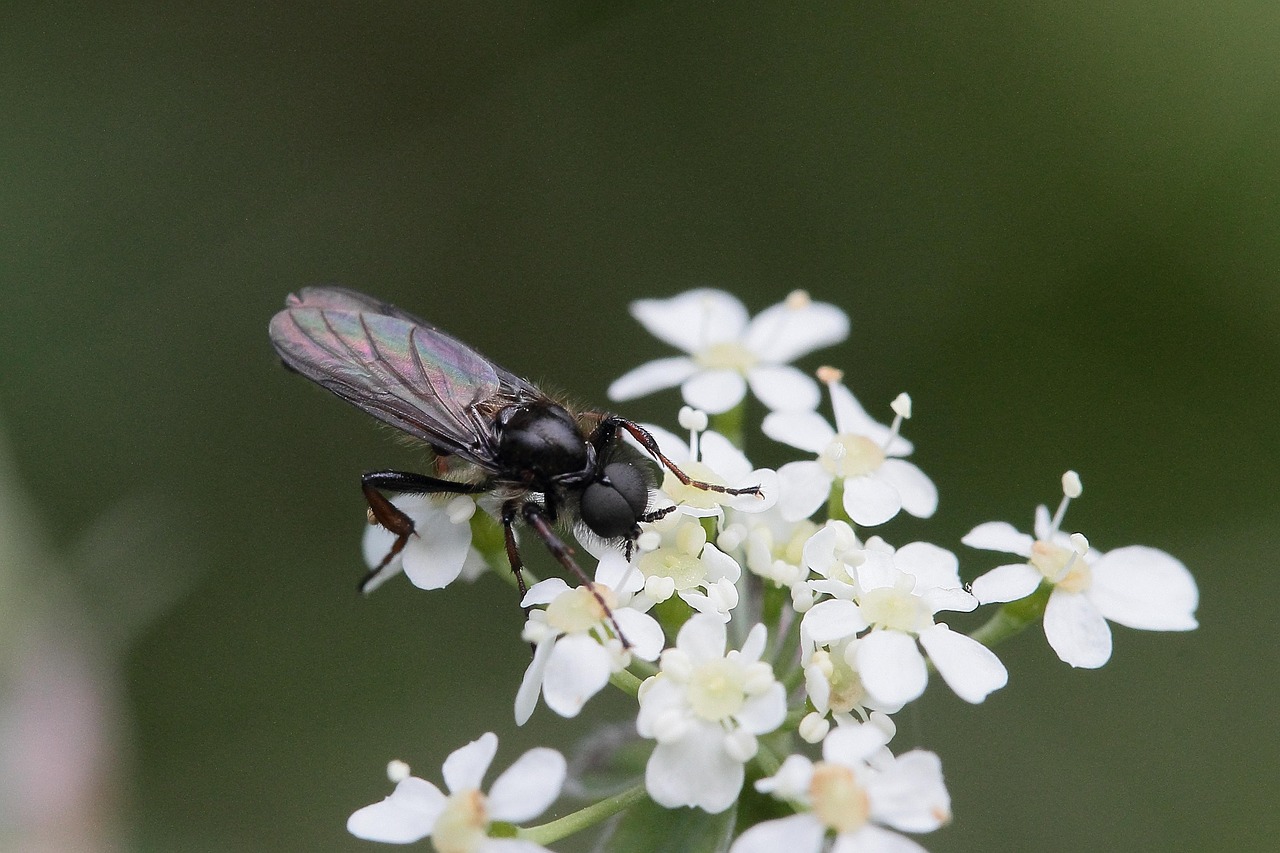
Identifying a Fungus Gnat Infestation
The first step in controlling fungus gnats is accurately identifying them. These pests are often mistaken for fruit flies, but their behavior is distinct. If you notice tiny, dark insects hovering erratically just above the soil surface or resting on the damp potting mix, you are likely dealing with fungus gnats.
Unlike fruit flies, which gravitate toward ripening produce, fungus gnats are tethered to your houseplants. They are weak fliers and rarely venture far from the pots. You may also spot them crawling across the soil or scurrying along the stems of your plants when the foliage is disturbed.
To confirm an infestation, look for these specific signs:
- Erratic flight: Small, gnat-like insects darting quickly around the base of the plant.
- Soil activity: Tiny black or translucent specks moving on the surface of the potting medium.
- Sticky trap catches: If you use yellow sticky cards, you will see adult gnats stuck to the surface.
It is important to understand that the adult gnats you see flying are merely the final stage of the life cycle. While they are a nuisance, they do not damage your plants directly. The real threat lies hidden beneath the surface.
The female gnat lays hundreds of eggs in moist, nutrient-rich soil. Once these hatch, the larvae—small, worm-like creatures with shiny black heads—begin feeding. They consume organic matter, fungi, and decaying roots within the top inch of the soil. In large numbers, these larvae can severely damage the root systems of young or sensitive plants, leading to yellowing leaves, stunted growth, and sudden wilting.
Because the larvae thrive in consistently wet conditions, identifying them early is vital. If you see adults, treat the soil immediately to break the breeding cycle before the larval population expands. By focusing your efforts on the topsoil, you can stop the infestation before it compromises the health of your indoor garden.
Immediate Steps to Control the Population
When you notice tiny, dark flies hovering around your houseplants, you must act quickly to break their reproductive cycle. Fungus gnats thrive in damp environments, but you can significantly reduce their numbers by addressing both the flying adults and the soil-dwelling larvae.
The most effective way to manage the adult population is by using yellow sticky traps. These bright, adhesive cards mimic the visual cues that attract gnats. Simply place the traps near the base of your plants or hang them from the stems. While they won’t eliminate the entire infestation, they are an essential monitoring tool that captures breeding adults before they can lay more eggs.
The most critical step in long-term control, however, is managing your watering habits. Fungus gnat larvae feed on organic matter and fungi in the soil, requiring constant moisture to survive. By disrupting this habitat, you can effectively starve the larvae.
Follow these steps to curb the infestation:
- Allow the soil to dry: Let the top one to two inches of potting mix dry out completely between waterings. Insert your finger into the soil; if it feels damp, wait a few more days before adding water.
- Check drainage: Ensure your pots have adequate drainage holes. Never leave a plant sitting in a saucer of standing water, as this creates a perfect nursery for gnat larvae.
- Remove debris: Clear away any fallen leaves or decaying organic matter from the surface of the soil, as these provide a food source for developing larvae.
- Bottom water: If your plant allows, water from the bottom by placing the pot in a tray of water for 15 minutes. This keeps the surface soil dry, making it inhospitable for adult gnats looking to lay eggs.
Consistency is key. By combining physical traps to catch adults with a drier soil environment to kill larvae, you will see a significant decline in the gnat population within a week or two.

Effective Soil Treatments and Natural Remedies
The most effective way to eliminate fungus gnats is to disrupt their life cycle within the soil. Because adult gnats lay eggs in the top inch of moist potting mix, creating a physical barrier is a simple, non-toxic first step. Apply a half-inch layer of horticultural sand or fine decorative gravel to the surface of your soil. This layer dries out quickly after watering, making it impossible for adults to reach the damp soil to deposit new eggs, and it prevents larvae from emerging.
For an active infestation, biological controls are the gold standard for long-term eradication. Bacillus thuringiensis israelensis (BTI), commonly found in products like Mosquito Bits, is a highly effective, bacteria-based treatment. It specifically targets gnat larvae without harming your plants, pets, or beneficial insects.
To use BTI effectively, follow these steps:
- Soak the BTI granules in your watering can for at least 30 minutes to release the active bacteria.
- Strain the granules out if necessary to prevent mold growth on the soil surface.
- Use this treated water for every watering session over the next three to four weeks.
Alternatively, a neem oil soil drench can be used to disrupt larval growth. Neem oil contains azadirachtin, which acts as a growth regulator. To apply, mix high-quality, cold-pressed neem oil with water and a drop of mild dish soap according to the manufacturer’s dilution rates. Pour the mixture directly into the soil until it drains out of the bottom of the pot. Ensure you only apply this to moist soil to avoid potential root burn.
Consistency is vital when using these remedies. Because these treatments primarily target larvae, you must continue the process for at least one full month. This duration ensures that you catch every generation as they hatch. While treating the soil, continue using yellow sticky traps nearby to capture any remaining flying adults, effectively breaking the cycle from both the top and the bottom.
Safety and Best Practices for Application
When treating your houseplants for fungus gnats, your primary focus should be both efficacy and personal safety. Whether you are applying biological controls like Bacillus thuringiensis israelensis (BTI), neem oil, or hydrogen peroxide solutions, following standard safety protocols protects your health and ensures the treatment is applied correctly.
Before beginning, prepare your workspace. Choose a well-ventilated area, such as a patio or a room with open windows, to prevent the buildup of fumes or airborne particles. If you are working with dry amendments like diatomaceous earth, take extra care to avoid inhaling the dust, as fine particulates can irritate the respiratory system.
Follow these essential safety practices during every application:
- Wear protective gloves: Always use nitrile or garden gloves when mixing soil or applying liquid treatments to prevent skin irritation and ensure hygiene.
- Avoid cross-contamination: Do not use kitchen utensils for measuring or mixing gardening products. Dedicate specific tools to your plant care routine.
- Follow label instructions: Never exceed the recommended dosage of any pesticide or soil amendment. More is not better and can harm your plants or the beneficial microbes in your soil.
- Wash thoroughly: Once you have finished applying your treatment, wash your hands and any exposed skin with soap and warm water, even if you wore gloves.
Storage is just as critical as application. Many gardening products, including concentrated oils and soil treatments, can be toxic if ingested. Always store your supplies in their original, clearly labeled containers. Keep these items in a secure cabinet or high shelf, completely out of reach of children and pets.
If you have pets that are prone to digging in pots, consider moving treated plants to a room they cannot access until the soil surface has dried completely. By maintaining a clean, organized, and safe environment, you can effectively eliminate fungus gnats without compromising the well-being of your household.
Ongoing Maintenance and When to Seek Help
Eliminating fungus gnats is rarely an overnight process. Because these pests have a multi-stage life cycle, you must remain consistent with your treatment plan for at least two to four weeks. This duration ensures you catch the larvae currently in the soil as well as any new eggs that hatch.
You do not necessarily need to repot every infected plant. In fact, repotting can sometimes stress a plant further. Only repot if the current soil is heavily compacted, lacks drainage, or if the infestation is severe and localized to the potting medium. If you do repot, gently wash the roots to remove infested soil and use a fresh, high-quality, well-draining potting mix.
To prevent future outbreaks, focus on these long-term maintenance habits:
- Allow soil to dry: Fungus gnat larvae thrive in moist environments. Let the top two inches of soil dry out completely between waterings to disrupt their breeding cycle.
- Improve drainage: Ensure your pots have drainage holes and use a porous soil mix amended with perlite or pumice to prevent water from pooling at the bottom.
- Bottom water: Water your plants from below by placing them in a tray of water. This keeps the surface soil dry, making it less attractive for adult gnats to lay eggs.
- Remove debris: Clear away fallen leaves and organic debris from the soil surface, as these provide food for larvae.
A plant is likely beyond saving if the root system has turned mushy, dark, or emits a foul odor, indicating advanced root rot caused by chronic overwatering. If you have consistently applied treatments for over a month and the infestation persists, the gnats may be originating from a hidden source, such as a nearby drain or another plant.
If you feel overwhelmed or the infestation is spreading to your entire collection, take a sample of the affected plant or soil to a local nursery professional. They can provide a definitive diagnosis and recommend specific, localized treatments suited to your climate and plant types.

Dedicated team of gardening enthusiasts with years of hands-on experience testing lawn mowers, gardening tools, and outdoor equipment. We help home gardeners and professionals alike make informed buying decisions with honest, thorough reviews. From push mowers to pruning shears, we test it all so you don’t have to. Got a gardening tool you’d like us to review? Get in touch!