
Fungus gnats are a common frustration for indoor gardeners, often appearing as tiny black flies hovering around soil. To treat plant gnats effectively, you must disrupt their life cycle by addressing both the flying adults and the larvae living within the damp potting mix. Prompt action prevents these pests from damaging delicate root systems.
While these annoying insects are generally harmless to mature plants, a heavy infestation can quickly become overwhelming and stressful for your indoor jungle. Understanding that they thrive in moist, organic-rich soil is key to long-term control. Realistic management requires consistency, as you will likely need to treat your plants multiple times to succeed.
This guide explains how to identify an infestation and provides safe, effective methods to eliminate them and protect your plants. From simple DIY traps to biological controls and watering adjustments, we cover the most reliable strategies. Follow these practical steps to restore your garden’s health and finally enjoy a pest-free home environment.
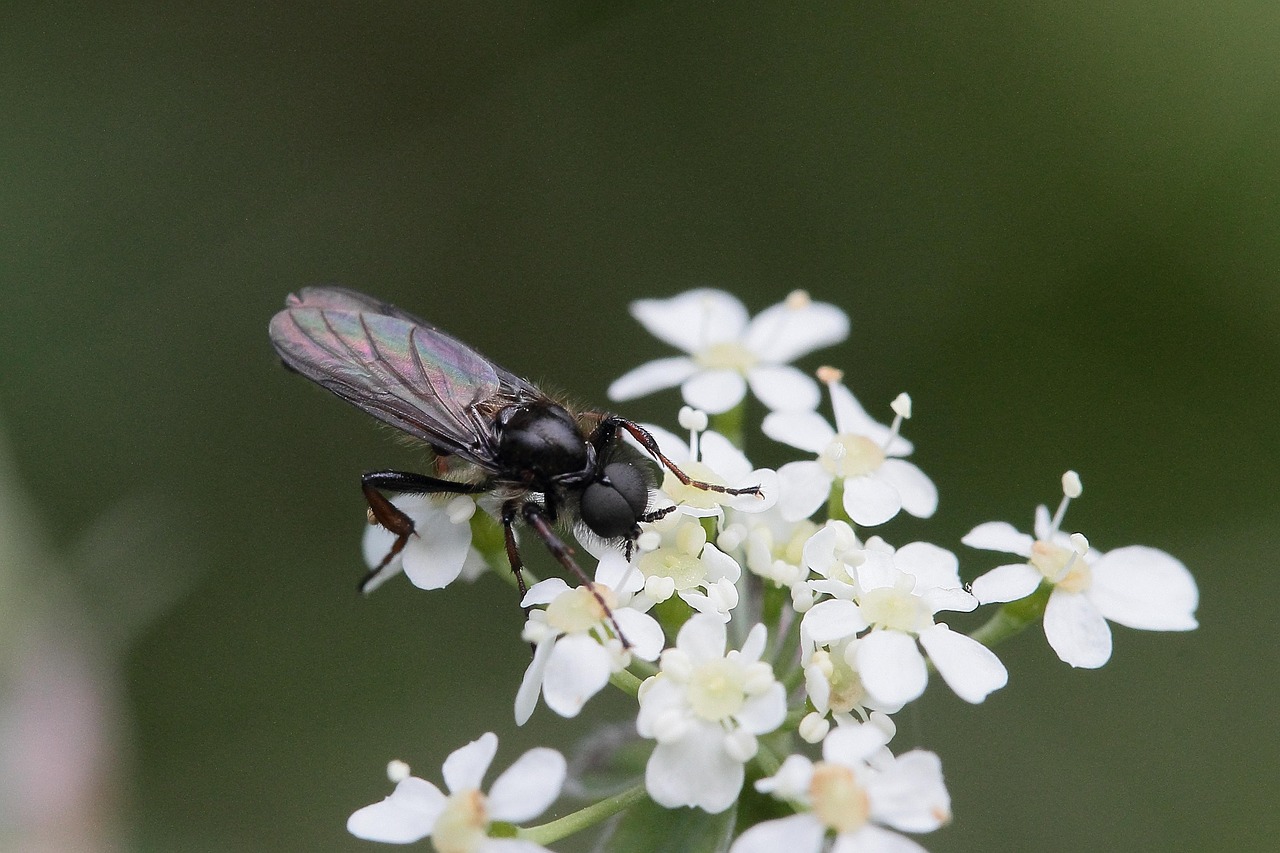
Identifying the Problem
Before you begin any treatment, it is essential to confirm that you are dealing with fungus gnats rather than other common houseplant pests like whiteflies or spider mites. Fungus gnats are small, delicate insects that thrive in environments with consistently moist, organic-rich soil.
The most common sign of an infestation is observing tiny, black, mosquito-like flies buzzing around the base of your plants or resting on the soil surface. They are relatively weak fliers and are often spotted darting across the foliage after you water or disturb the plant pot.
To confirm their presence, look for these specific indicators:
- Visual movement: Watch for small, gnat-sized flies hovering near the drainage holes or the top layer of potting mix.
- Sticky traps: Place a yellow sticky card near the soil surface. Fungus gnats are highly attracted to the color yellow and will quickly become stuck, providing a clear headcount of the population.
- Soil inspection: Gently scrape the top half-inch of soil. If you see tiny, translucent, worm-like larvae with black heads, you have an active infestation.
It is important to understand the lifecycle of these pests. While the adult gnats are primarily a nuisance to you, the larvae are the real threat to your plant’s health. These larvae live in the top layer of damp soil, where they feed on organic matter and decaying plant material. If the population grows large enough, they will begin to chew on delicate root hairs, which can stunt growth, cause yellowing leaves, and eventually lead to plant decline.
Because these pests rely on moisture to survive, a sudden influx of gnats is often a signal that your watering routine may be keeping the soil too wet. Before applying any chemical or biological treatments, verify that the gnats are indeed the cause of your plant’s distress. Once you have confirmed their presence, you can move forward with targeted, safe solutions to break their reproductive cycle.
Immediate Steps to Stop the Lifecycle
The most effective way to eliminate a fungus gnat infestation is to disrupt their reproductive cycle. Gnats thrive in consistently damp soil, which provides the ideal environment for larvae to feed on organic matter and decaying roots. By altering the moisture levels in your pots, you can effectively starve the larvae and halt the population growth.
The most critical step is to allow the top two inches of soil to dry out completely between waterings. When the surface remains parched, the larvae—which reside in the upper layers of the potting mix—cannot survive. Before adding more water, test the soil by inserting your finger or a wooden skewer two inches deep. If you feel any moisture, wait another day or two before watering again.
While you work to dry out the soil, you must also address the adult gnats currently flying around your home. Adult gnats are responsible for laying hundreds of eggs, so capturing them quickly is essential to preventing a new generation from taking hold.
Follow these steps to manage the adult population:
- Use Yellow Sticky Traps: Gnats are naturally attracted to the color yellow. Place these traps horizontally near the base of the plant or vertically on a stake just above the soil line.
- Monitor Regularly: Check the traps every few days. Once a trap is covered in gnats, replace it with a fresh one to ensure maximum surface area for catching new arrivals.
- Check Nearby Plants: Even if only one plant appears infested, gnats move quickly. Place traps near all indoor plants to ensure you are catching strays that may have migrated to neighboring pots.
By combining a strict drying schedule with physical traps, you create an inhospitable environment for the gnats while simultaneously removing the breeding adults. This two-pronged approach is the safest and most reliable way to clear an infestation without resorting to harsh chemical pesticides, keeping your home environment healthy for both you and your houseplants.

Using Biological Controls and Soil Treatments
When physical traps and drying out the soil are not enough to curb a persistent fungus gnat infestation, biological controls offer a highly effective, targeted solution. The most reliable method involves using Bacillus thuringiensis israelensis (BTI), a naturally occurring soil bacterium that specifically targets gnat larvae without harming your houseplants, pets, or family members.
BTI is commonly available in products like Mosquito Bits. Instead of sprinkling the granules directly onto the soil, which can lead to mold growth, it is best to create a potent “tea” to ensure the bacteria reaches the larvae deep within the root zone.
Follow these steps for safe and effective application:
- Fill your watering can with the recommended amount of water.
- Add the BTI granules and allow them to soak for at least 30 minutes, though letting them sit for several hours is even more effective.
- Strain the water into your plants, ensuring you saturate the soil thoroughly.
- Repeat this process every time you water for at least three weeks to catch new generations as they hatch.
Safety should always be your priority when handling any treatment. While BTI is a natural biological control, it is still a concentrated product. Always wear gloves during preparation to prevent potential skin irritation, and wash your hands thoroughly with soap and water immediately after you finish watering your plants.
It is crucial to avoid using harsh chemical pesticides indoors. Many traditional insecticides are designed for outdoor agricultural use and can release toxic fumes that are dangerous to humans and pets in enclosed spaces. Biological treatments like BTI provide a safer, eco-friendly alternative that keeps your indoor environment healthy while successfully breaking the life cycle of the gnats. If you remain consistent with your watering schedule and use BTI, you will notice a significant decline in the adult gnat population within a few weeks as the larvae are eliminated at the source.
Preventative Maintenance for Your Indoor Garden
Once you have successfully eliminated a fungus gnat infestation, your focus should shift to long-term prevention. Fungus gnats thrive in consistently damp environments, making soil management the most effective way to keep them from returning. By adjusting your routine, you can create an environment that is hostile to these pests while keeping your plants healthy.
The most important step is to improve soil drainage and airflow. Gnats lay their eggs in the top inch of moist soil, so allowing your plants to dry out more thoroughly between waterings is essential. If your soil stays wet for too long, consider repotting into a mix that includes perlite or orchid bark to increase aeration and ensure water drains quickly.
You can also create a physical barrier to prevent adult gnats from accessing the soil surface. Adding a layer of decorative sand or fine gravel to the top of your pots acts as a dry, abrasive shield. Because these materials dry out rapidly, they make it difficult for gnats to lay eggs and prevent larvae from emerging.
Follow these practical maintenance habits to protect your indoor garden:
- Check drainage: Always ensure your pots have functioning drainage holes. Never let a plant sit in a saucer of standing water, which creates a breeding ground for pests.
- Quarantine new plants: New additions are the most common source of recurring infestations. Keep new plants in a separate room for at least two weeks to ensure they are pest-free before placing them near your established collection.
- Clear debris: Remove fallen leaves and dead plant matter from the soil surface immediately. Decaying organic material attracts gnats and provides them with a food source.
- Bottom water: If possible, water your plants from the bottom by placing the pot in a tray of water for 20 minutes. This keeps the top layer of soil dry, which is the most effective way to discourage egg-laying.
Consistency is key. By keeping the top layer of your soil dry and ensuring adequate airflow, you make your home an unappealing target for fungus gnats.

Frequently Asked Questions and Long-Term Care
If your infestation persists despite consistent treatment, it is time to take more drastic measures. Fungus gnats lay their eggs in the top two inches of soil, so replacing the growing medium is often the most effective way to break their reproductive cycle.
When repotting, carefully remove the plant from its current container and gently shake away as much of the old soil as possible from the roots. Discard this infested soil in an outdoor trash bin immediately—do not compost it, as the larvae may survive. Repot the plant using fresh, sterile potting mix. Ensure your new pot has adequate drainage holes to prevent the moisture buildup that attracts gnats in the first place.
If you are struggling with a severe, multi-plant infestation, do not hesitate to contact a local nursery professional. They can provide region-specific advice and access to stronger biological controls, such as beneficial nematodes, which are microscopic organisms that feed on gnat larvae in the soil.
Remember that consistency is the most important factor in long-term success. Because fungus gnats have a multi-stage lifecycle, you must remain vigilant for several weeks to ensure you catch any emerging adults. Follow these ongoing maintenance tips to keep your indoor garden pest-free:
- Allow soil to dry: Let the top two inches of soil dry out completely between waterings, as larvae cannot survive in dry conditions.
- Bottom water: Water plants from the bottom by placing them in a tray of water, keeping the surface soil dry.
- Use yellow sticky traps: Keep these out year-round to monitor for any new adult gnats before they have a chance to lay eggs.
- Clean debris: Remove fallen leaves and organic matter from the surface of your pots, as these provide a food source for larvae.
By combining these preventative habits with a proactive approach to soil health, you can successfully manage and eliminate fungus gnats from your home.

Dedicated team of gardening enthusiasts with years of hands-on experience testing lawn mowers, gardening tools, and outdoor equipment. We help home gardeners and professionals alike make informed buying decisions with honest, thorough reviews. From push mowers to pruning shears, we test it all so you don’t have to. Got a gardening tool you’d like us to review? Get in touch!