
To treat gnats on plants, you must break their life cycle by drying out the soil and using targeted interventions like yellow sticky traps. These pesky fungus gnats thrive in moist environments, but with the right approach, you can quickly eliminate them and restore your indoor garden to its healthy, thriving state.
Dealing with an infestation requires patience, as these insects have a rapid reproductive cycle that often persists for several weeks. While seeing them hover around your pots is frustrating, it is rarely a sign of imminent plant death. Understanding their habits is the first step toward reclaiming your home from these annoying pests.
Discover how to identify and eliminate fungus gnats from your indoor plants using safe, effective methods. This guide provides actionable steps to stop the life cycle of these pests and protect your houseplants from damage. Follow these simple, expert-approved techniques to ensure your greenery remains pest-free and vibrant throughout the entire growing season.
Identify and Confirm a Fungus Gnat Infestation
Before you begin treatment, it is essential to confirm that you are dealing with fungus gnats rather than other common houseplant pests like whiteflies or aphids. Misidentifying the problem can lead to ineffective treatments that stress your plants unnecessarily.
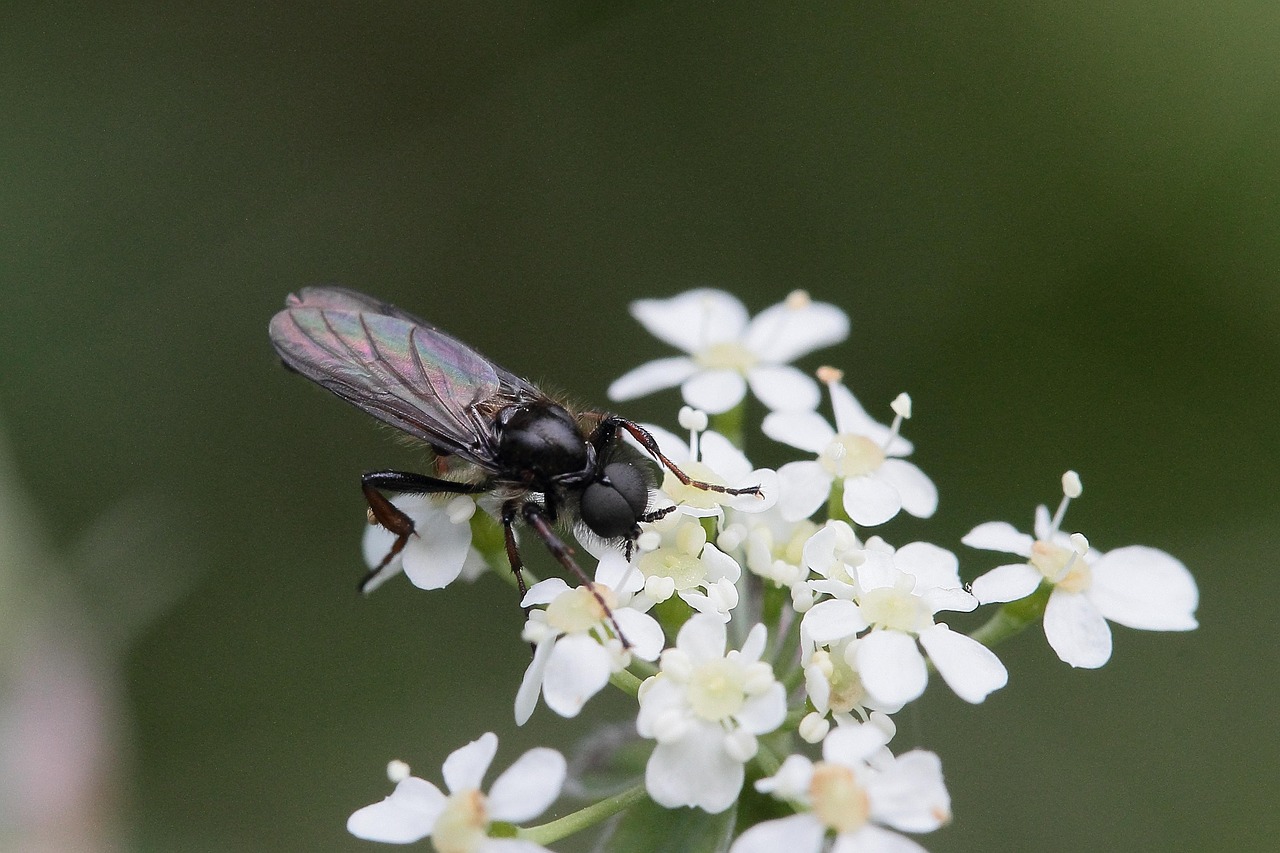
Fungus gnats are small, delicate, mosquito-like insects, typically measuring about 1/8 of an inch long. They are easily recognized by their dark, slender bodies and their tendency to hover erratically around the soil surface or the base of your plants. Unlike pests that congregate on the undersides of leaves, fungus gnats are primarily soil-dwellers.
These insects are drawn to environments that provide both moisture and organic matter. They thrive in damp potting mix where they can feed on decaying roots, fungi, and organic debris. If you notice a swarm whenever you water your plants or disturb the pot, you likely have an infestation.
To confirm the presence of larvae, perform a quick inspection of your plant’s environment:
- Check the soil surface: Carefully examine the top one inch of potting mix. Fungus gnat larvae are tiny, translucent, or whitish worm-like creatures with distinct black heads. They are often difficult to spot, so use a magnifying glass if necessary.
- Monitor moisture levels: If your soil stays consistently wet, it creates the perfect breeding ground for these pests.
- Use a yellow sticky trap: Place a yellow sticky card near the base of the plant. Adult fungus gnats are naturally attracted to the color yellow. If the trap quickly collects tiny black flies, you have successfully confirmed the infestation.
Once you have confirmed that the activity is localized to the soil and the insects match this description, you can move forward with targeted control methods. Because these gnats spend their larval stage in the soil, focusing your treatment on the growing medium is the most effective way to break their life cycle and protect your plant’s root system from damage.
Immediate Steps to Reduce the Gnat Population
When you notice tiny, dark flies hovering around your houseplants, you are likely dealing with fungus gnats. These pests thrive in moist environments, and acting quickly is essential to prevent a full-blown infestation. The goal is to break their reproductive cycle by targeting both the flying adults and the larvae living in the soil.
The most effective immediate step for catching adult gnats is the use of yellow sticky traps. Fungus gnats are naturally attracted to the color yellow, which they associate with food sources. By placing these traps near the soil surface, you can capture the adults before they have the opportunity to mate and lay additional eggs.
While traps manage the adult population, you must simultaneously address the larvae. Fungus gnat larvae feed on decaying organic matter within the soil and require consistent moisture to survive. To disrupt their habitat, follow these practical steps:
- Allow the soil to dry: Let the top two inches of your potting mix dry out completely between waterings. This creates a hostile environment that kills larvae and discourages females from laying new eggs.
- Check your pots: Ensure your containers have adequate drainage holes. If water sits at the bottom of a pot, it creates a breeding ground for gnats, regardless of how dry the surface feels.
- Remove debris: Clear away any fallen leaves or decaying plant matter from the soil surface, as these provide a food source for developing larvae.
Consistency is key when using these methods. Because the lifecycle of a fungus gnat can span several weeks, do not remove your sticky traps too early. Keep them in place until you no longer see new adults appearing. By combining physical traps with a strict “dry-out” watering schedule, you effectively cut off the gnat population at its source. This two-pronged approach is the safest, most reliable way to regain control of your indoor garden without relying on harsh chemical pesticides.

Effective Natural Treatments for Soil and Roots
Fungus gnat larvae live in the top two inches of potting soil, feeding on organic matter and delicate root hairs. To eliminate the infestation at the source, you must target these larvae directly. Two of the most effective, plant-safe methods involve using hydrogen peroxide or Bacillus thuringiensis israelensis (BTI), commonly found in mosquito dunks.
Hydrogen Peroxide Solution
A diluted hydrogen peroxide mixture kills larvae on contact by releasing oxygen, which oxidizes their outer shells. It is essential to use a 3% concentration, which is the standard household variety.
- Mix one part 3% hydrogen peroxide with four parts water.
- Allow the top layer of your plant’s soil to dry out slightly before application.
- Water the soil thoroughly with the solution until it drains from the bottom.
You may notice a slight fizzing sound; this is a normal reaction as the peroxide encounters organic material. Do not exceed this ratio, as overly concentrated solutions can burn sensitive root systems.
Mosquito Dunk Tea
Mosquito dunks contain BTI, a naturally occurring bacterium that specifically targets the larvae of gnats and mosquitoes without harming pets, humans, or your plants. This is often considered the safest long-term solution.
- Break off a small piece of a mosquito dunk (roughly one-quarter of a disc).
- Soak the piece in a gallon of water for at least 24 hours to create a “tea.”
- Use this water for all your regular plant watering needs for the next month.
Because BTI only kills the larvae, you must continue this treatment for at least three to four weeks. This ensures that any eggs hatching after your initial application are also eliminated. Consistency is the most important factor in breaking the gnat life cycle. If you have a severe infestation, combining these soil treatments with yellow sticky traps to catch adult gnats will provide the fastest results.
Safety Precautions and Proper Handling
Before applying any treatment to eliminate fungus gnats, prioritize safety to protect yourself, your family, and your pets. Even organic or homemade remedies can cause irritation or adverse reactions if handled improperly, so taking a few minutes to prepare your workspace is essential.
Always wear protective gloves when handling soil, mixing concentrated solutions, or applying treatments directly to your plants. Gloves create a necessary barrier between your skin and potential irritants or concentrated substances, preventing accidental absorption or skin sensitivity.
Proper ventilation is equally important. When mixing sprays or working with soil amendments, ensure you are in a well-ventilated area, such as near an open window or outdoors. This prevents the inhalation of fine particles or concentrated fumes, which is especially important if you have respiratory sensitivities.
Follow these standard safety protocols to ensure a secure environment:
- Wash thoroughly: Immediately after finishing your gardening tasks, wash your hands and any exposed skin with soap and warm water to remove residual treatment chemicals or soil-borne bacteria.
- Secure your supplies: Store all treatment bottles, concentrated solutions, and soil additives in their original containers. Keep these supplies in a locked cabinet or on a high shelf, completely out of reach of children and curious pets.
- Read labels: Even if you are using a DIY remedy, review the safety information for every ingredient involved. Never mix different cleaning agents or chemicals, as this can create hazardous reactions.
- Clear the area: If you are treating indoor plants, remove pets and small children from the room during the application process. Allow the area to air out completely before letting them return to the space.
By treating your gardening supplies with the same caution you would use for household cleaning products, you ensure that your pest control efforts remain effective without compromising your home’s safety. If you accidentally ingest a substance or experience a skin reaction, consult a medical professional or your local poison control center immediately.

Follow Up and Long Term Prevention
Eliminating a fungus gnat infestation requires patience and consistency. Because these pests have a life cycle that spans several weeks, you will likely see adult gnats for at least 14 to 21 days after beginning treatment. Do not stop your control methods, such as yellow sticky traps or soil drenches, just because the flying adults have disappeared; larvae may still be active in the substrate. Continue your routine until you have gone at least two full weeks without seeing a single gnat.
If you are struggling to clear a persistent infestation, you may consider repotting. This is only necessary if the soil has become compacted, moldy, or excessively waterlogged. When repotting, gently remove as much of the old, infested soil from the root ball as possible and discard it. Use a fresh, high-quality potting mix designed for drainage, such as one amended with perlite or pumice, to ensure the roots do not sit in stagnant moisture.
Long-term prevention is the most effective way to keep your indoor garden gnat-free. Fungus gnats thrive in damp, decaying organic matter, so managing moisture is your primary defense.
- Master your watering: Always allow the top two inches of soil to dry out completely before watering again. This kills larvae and makes the environment inhospitable for eggs.
- Improve drainage: Ensure all pots have functional drainage holes. Avoid using decorative pots without liners that trap excess water at the bottom.
- Quarantine new arrivals: Treat every new plant as a potential carrier. Keep new additions in a separate room for at least two weeks to monitor for pests before placing them near your established collection.
- Clear debris: Regularly remove fallen leaves and dead plant matter from the surface of the soil, as these provide a food source for developing larvae.
By maintaining these habits, you create an environment where fungus gnats cannot thrive, protecting your houseplants from future outbreaks.

Dedicated team of gardening enthusiasts with years of hands-on experience testing lawn mowers, gardening tools, and outdoor equipment. We help home gardeners and professionals alike make informed buying decisions with honest, thorough reviews. From push mowers to pruning shears, we test it all so you don’t have to. Got a gardening tool you’d like us to review? Get in touch!