
Tiny flies hovering around your indoor plants are usually fungus gnats, which thrive in moist soil environments. You can stop these pests by allowing your potting mix to dry out completely between waterings and using yellow sticky traps to capture the adults. Implementing these simple, immediate changes effectively breaks their reproductive cycle.
While seeing these insects is incredibly frustrating, it is important to remember that they are a common occurrence in home gardening. Most infestations are manageable with consistent care and do not signal that your plant is doomed. Understanding that moisture management is the primary factor helps you maintain a healthy, pest-free indoor jungle.
This guide focuses on identifying fungus gnats and implementing safe, practical control measures to protect your greenery. We will walk you through science-backed techniques, including soil amendments and biological controls, to eliminate current populations and prevent their return. Follow these actionable steps to restore your plants to their vibrant, fly-free state today.
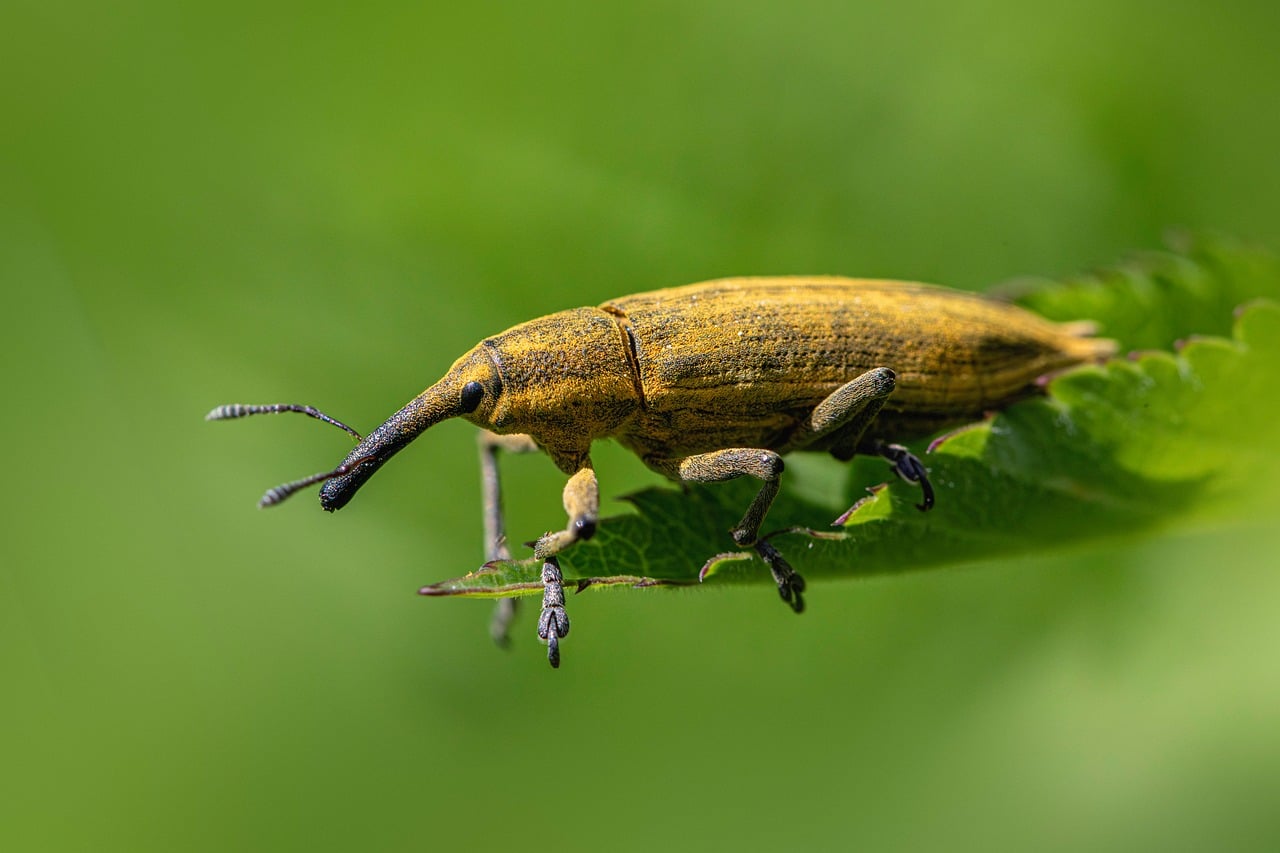
Identifying the Problem: Are They Fungus Gnats?
If you notice tiny, dark insects hovering around your indoor plants, you are likely dealing with fungus gnats. These pests are the most common cause of small flies in the home. While they are a nuisance, they are relatively easy to identify once you know what to look for.
Adult fungus gnats are small, delicate flies, typically measuring about 1/8 of an inch long. They are grayish-black in color and possess long, thin legs and clear wings. You will often see them darting erratically around the base of your plants or resting briefly on the soil surface after you disturb the pot.
To confirm an infestation, look for these specific indicators:
- Erratic flight: They do not fly in straight lines but tend to hover or crawl quickly across the surface of the potting mix.
- Moist soil: Fungus gnats thrive in damp, organic-rich environments. If your soil remains consistently soggy, it provides the perfect breeding ground for their larvae.
- Proximity to pots: They rarely wander far from the plant itself, as the adults lay their eggs in the top inch of moist soil.
It is important to distinguish these from other household pests, such as fruit flies. While fruit flies are attracted to rotting produce or spills, fungus gnats are strictly tied to your houseplants. If the flies seem to emerge from the soil every time you water or move the container, you have confirmed the source of the problem.
The presence of these gnats is usually a sign that your watering habits may be keeping the soil too wet. Because the larvae feed on organic matter and fungi within the potting mix, they flourish when the growing medium never gets a chance to dry out. Identifying them early is the first step toward reclaiming your indoor garden. Once you recognize that the soil moisture is the primary culprit, you can begin the necessary adjustments to break their life cycle.
Immediate Steps to Control the Infestation
When you notice tiny flies—known as fungus gnats—hovering around your houseplants, quick action is essential to prevent them from spreading to your entire collection. The most effective way to address the issue is by disrupting their life cycle, which primarily takes place in damp soil.
The most crucial step is to allow the top layer of your potting soil to dry out completely between waterings. Fungus gnat larvae thrive in consistently moist organic matter. By letting the top two inches of soil dry, you create an inhospitable environment that effectively kills the larvae before they can mature into flying adults.
To tackle the adult population currently flying around your home, use yellow sticky traps. These are highly effective for the following reasons:
- Visual Attraction: Fungus gnats are naturally drawn to the bright yellow color of the traps.
- Population Control: By capturing the adults, you prevent them from laying more eggs in your soil, which helps break the breeding cycle.
- Monitoring: The traps serve as a visual indicator of how severe your infestation is and whether your control methods are working.
Place these traps horizontally on the surface of the soil or hang them just above the plant foliage for the best results. While the traps will capture existing adults, remember that they do not eliminate the larvae hiding in the soil. Therefore, pairing these traps with a strict “dry-out” watering schedule is the most reliable approach for long-term success.
If the infestation persists despite these efforts, you may consider applying a biological control agent like Bacillus thuringiensis israelensis (Bti). This is a natural, bacteria-based treatment that targets larvae specifically without harming your plants, pets, or family. Simply mix the Bti granules or liquid into your watering can according to the manufacturer’s instructions. Consistency is key; continue these practices for at least two to three weeks to ensure you have caught every generation of the pest.

Natural and Chemical Treatment Options
When dealing with fungus gnats, you have two primary paths: biological controls and chemical treatments. The most effective, non-toxic approach involves using Bacillus thuringiensis israelensis (BTI). This naturally occurring bacterium targets gnat larvae in the soil without harming your plants, pets, or family. You can purchase BTI in granular or liquid form and apply it as a soil drench during your regular watering routine.
Neem oil is another popular, plant-derived option. When diluted and applied as a soil drench or leaf spray, it disrupts the life cycle of the gnats. However, it is essential to use it sparingly and ensure your plant is not in direct, harsh sunlight immediately after application to prevent leaf burn.
For more persistent infestations, you may choose specialized horticultural insecticides. Regardless of the method you select, follow these critical safety protocols:
- Read the Label: Always follow the manufacturer’s instructions regarding dilution ratios and frequency of application. More is not better and can damage your plant’s root system.
- Use Protection: Wear gloves when handling concentrated treatments to prevent skin irritation. If you are using a spray, work in a well-ventilated area to avoid inhaling fine mists.
- Secure Storage: Keep all gardening chemicals, including organic treatments, in their original containers. Store them in a cool, dry place strictly out of reach of children and pets.
If you prefer a mechanical approach alongside treatments, yellow sticky traps are highly effective for catching adult flies. While they do not kill the larvae living in the soil, they help break the breeding cycle by capturing the adults before they can lay more eggs. Combining sticky traps with a BTI soil drench is widely considered the “gold standard” for clearing an infestation quickly and safely. Always monitor your plants closely for a few weeks after treatment to ensure the population has been fully eradicated, as some pupae may remain dormant in the soil.
Preventing Future Outbreaks Through Proper Care
The most effective way to manage fungus gnats is to stop them before they establish a foothold. These pests thrive in moist, decaying organic matter, so creating an environment that is inhospitable to their larvae is your best long-term defense.
The primary driver of gnat infestations is overwatering. Fungus gnat larvae require consistently damp soil to survive. By allowing the top two inches of your potting medium to dry out completely between waterings, you effectively disrupt their life cycle and kill the larvae before they can mature into flying adults.
To improve your plant’s long-term health and prevent future outbreaks, focus on these three foundational care practices:
- Use well-draining potting mixes: Avoid heavy garden soil, which retains too much moisture. Instead, use a high-quality indoor potting mix amended with perlite, pumice, or horticultural sand. These additives create air pockets, allowing the soil to dry out faster and preventing the waterlogged conditions gnats love.
- Remove decaying debris: Fungus gnats feed on decomposing organic matter. Regularly clear away fallen leaves, dead flowers, or bits of bark from the surface of your pots. Keeping the soil surface clean removes the larvae’s primary food source.
- Optimize pot drainage: Ensure every container has functional drainage holes. Never let your pots sit in a saucer of standing water after irrigation. If your decorative pot lacks drainage, use a plastic nursery liner inside it so you can easily discard excess water.
Beyond soil management, consider the airflow around your plants. Stagnant, humid air encourages fungal growth, which in turn attracts gnats. Placing your plants in a spot with gentle air circulation or using a small fan can help the soil surface dry more evenly. By shifting your focus from reactive treatments to proactive soil management, you make your home a much less attractive destination for these persistent pests. Consistency is key; once you establish a dry-soil routine, you will rarely need to worry about an infestation again.

Common Questions and Troubleshooting
Seeing tiny flies hovering around your houseplants is frustrating, but it is rarely a catastrophe. Most of these pests are fungus gnats, which are more of a nuisance than a lethal threat. While the adult flies do not damage your plants, their larvae feed on organic matter and decaying roots in the soil. In large numbers, they can weaken younger plants or those with delicate root systems, so it is best to address the issue early.
Patience is essential when managing an infestation. You are unlikely to see results overnight because you must break the life cycle of the gnats. By consistently using sticky traps for adults and soil-drenching treatments (like neem oil or a diluted hydrogen peroxide solution) for larvae, you should notice a significant decline in activity within two to three weeks.
Consider these troubleshooting tips if you are struggling to gain control:
- Adjust your watering habits: Fungus gnats thrive in constantly damp soil. Allow the top two inches of potting mix to dry out completely between waterings to kill larvae.
- Check for drainage: Ensure your pots have functioning drainage holes. Standing water at the bottom of a container creates a perfect breeding ground.
- Evaluate your soil: If you use organic fertilizers or heavy, moisture-retentive soil, you may be unintentionally feeding the larvae.
Repotting is generally a last resort. While replacing the soil can remove a large portion of the larvae, it is stressful for the plant and can be messy. Only repot if the current soil has broken down significantly, smells musty, or if the infestation remains severe despite weeks of consistent treatment.
If you have diligently followed these steps for a month and the population shows no sign of decreasing, do not hesitate to seek expert help. Visit a local nursery or garden center with a sample of the affected soil or a photo of the plant. Professionals in your area often have access to specialized soil amendments or biological controls that can resolve persistent infestations safely.

Dedicated team of gardening enthusiasts with years of hands-on experience testing lawn mowers, gardening tools, and outdoor equipment. We help home gardeners and professionals alike make informed buying decisions with honest, thorough reviews. From push mowers to pruning shears, we test it all so you don’t have to. Got a gardening tool you’d like us to review? Get in touch!