
Fungus gnats are a common frustration for indoor gardeners, often appearing as tiny black flies hovering around houseplants. To stop plant gnats, you must break their life cycle by letting the top layer of soil dry out completely between waterings. This simple adjustment prevents the larvae from surviving in the moist, organic matter they crave.
Eliminating these persistent pests requires patience and consistency, as a single infestation can spread quickly across your entire indoor collection. While these insects are mostly a nuisance rather than a lethal threat, they can damage delicate roots if left unchecked. Understanding their habits is the first step toward reclaiming your healthy, thriving home garden.
This guide explains how to identify the source of the infestation and provides actionable, non-toxic steps to eliminate them and protect your plants. From using yellow sticky traps to applying effective soil treatments, we will walk you through the best methods to restore balance. Follow these practical tips to ensure your greenery remains pest-free.
Identify and Confirm the Infestation
Before you begin any treatment, it is vital to confirm that you are actually dealing with fungus gnats. Many indoor gardeners mistake them for fruit flies, but their habits and preferred habitats are quite different. While fruit flies are typically drawn to overripe produce or fermenting liquids, fungus gnats are specifically attracted to damp soil and decaying organic matter.
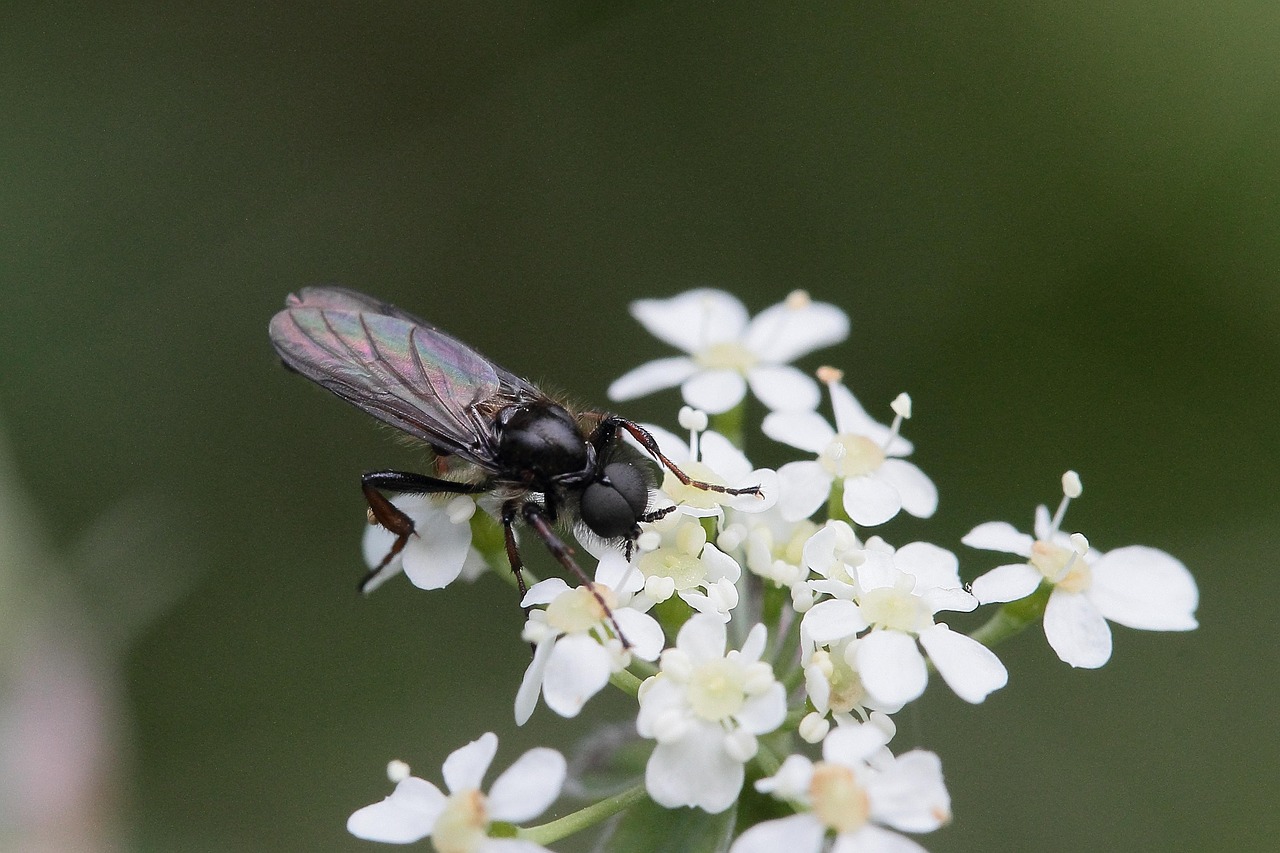
Fungus gnats are small, dark-colored flies that often appear suddenly around your houseplants. They are weak fliers and are more likely to be seen scurrying across the surface of the potting mix or resting on the lower leaves of your plants. If you notice a swarm rising from a pot after you water it, this is a strong indicator that the larvae are living in the soil.
To accurately identify the infestation and monitor the population size, follow these steps:
- Use Yellow Sticky Traps: These are the most effective diagnostic tool. Place a small yellow sticky trap near the base of the plant or insert it directly into the soil. Fungus gnats are naturally attracted to the color yellow.
- Check the Catch: After 24 to 48 hours, inspect the trap. If you see tiny, mosquito-like flies stuck to the surface, you have confirmed a fungus gnat presence.
- Distinguish from Fruit Flies: If your traps remain empty but you still see flies near your kitchen or trash cans, you are likely dealing with fruit flies instead. In this case, focus on sanitation and removing food sources rather than treating your plant soil.
Once you confirm the presence of fungus gnats, take note of which plants are affected. Often, the infestation is localized to one or two pots that stay consistently wet. Identifying the “ground zero” plant allows you to isolate it from your healthy collection, preventing the pests from spreading to other areas of your home. By confirming the identity of the pest early, you avoid wasting time and resources on ineffective treatments.
Target the Soil Environment
The most effective way to eliminate fungus gnats is by disrupting their life cycle directly within the potting medium. Adult gnats are merely the visible nuisance; the true problem lies in the soil, where larvae feed on organic matter and fungal spores. To stop the infestation, you must make the environment inhospitable for these developing pests.
The simplest and most reliable method is to manage your watering schedule. Fungus gnat larvae require consistently damp conditions to survive and mature. By allowing the top two inches of your potting mix to dry out completely between waterings, you effectively dehydrate the larvae and prevent eggs from hatching. Before reaching for the watering can, use your finger to test the soil depth. If it still feels moist, wait another day or two.
If your plant requires high humidity or frequent watering, you can create a physical barrier to prevent adults from accessing the soil surface to lay new eggs. Adding a top dressing acts as a mechanical deterrent that larvae cannot easily navigate.
To implement this barrier, follow these steps:
- Remove any fallen leaves or decaying organic debris from the surface of the soil, as these attract egg-laying adults.
- Apply a half-inch layer of coarse sand, decorative aquarium gravel, or horticultural grit over the entire surface of the potting mix.
- Ensure the layer is uniform and reaches the edges of the pot, leaving no exposed soil for gnats to penetrate.
This method is entirely non-toxic and safe for both your plants and your household pets. Because the sand or gravel is inorganic, it does not provide the moisture or nutrients the larvae need to thrive. When combined with a strict drying-out routine, this two-pronged approach creates a hostile environment that forces the gnat population to collapse. Remember that consistency is key; maintaining these dry surface conditions for several weeks will ensure you break the reproductive cycle entirely and prevent a resurgence of the infestation.

Use Natural Control Methods
If allowing your soil to dry out between waterings has not eliminated your fungus gnat infestation, it is time to introduce targeted natural control methods. These solutions focus on disrupting the life cycle of the larvae residing in the top layer of your potting mix.
One of the most effective immediate treatments is a hydrogen peroxide drench. This solution kills larvae on contact by releasing oxygen, which oxidizes their outer shells. To prepare this, mix one part 3% hydrogen peroxide with four parts water. Pour this mixture thoroughly over the soil until it begins to drain from the bottom of the pot. You may notice a slight fizzing sound; this is normal and indicates that the solution is working against the organic matter and larvae.
For a more persistent biological approach, utilize Bacillus thuringiensis israelensis (BTI). This is a naturally occurring bacterium that specifically targets the digestive systems of gnat larvae and mosquito larvae without causing harm to your houseplants, pets, or humans. You can easily find BTI in the form of “mosquito dunks” or granules at most garden centers.
To use BTI effectively, follow these simple steps:
- Prepare the water: Crumble a small portion of a mosquito dunk into your watering can or a gallon of water.
- Steep: Allow the piece to soak for several hours or overnight to ensure the bacteria are fully released into the water.
- Apply: Use this treated water for your regular watering routine.
- Repeat: Because BTI only affects the current generation of larvae, continue using this water for at least three to four weeks to catch any newly hatched gnats.
By combining these methods, you disrupt the breeding cycle and prevent the population from rebounding. Always ensure your pots have proper drainage holes, as stagnant water at the base of the container provides the ideal environment for these pests to return. Consistency is key when managing these populations naturally, so remain diligent with your treatment schedule until you no longer see adults flying around your plants.
Safety and Best Practices
When tackling a fungus gnat infestation, your health and safety should remain the top priority. Handling potting soil and cleaning containers can expose you to more than just pests; it can introduce skin irritants or soil-borne pathogens. Always wear durable gardening gloves to protect your hands while inspecting root systems or repotting infested plants.
If your infestation requires pruning away damaged or moldy foliage, you must maintain strict tool hygiene. Using contaminated shears can easily spread fungal spores or bacteria to healthy plants. Follow these steps to ensure your equipment is safe:
- Wipe the blades of your pruning shears thoroughly with a cloth soaked in 70% rubbing alcohol.
- Allow the tools to air dry completely before making any cuts.
- Repeat this sterilization process immediately after you finish pruning to prevent cross-contamination.
Potting mixes often contain fine particles, peat dust, or perlite that can irritate your respiratory system when disturbed. To minimize risks, always work in a well-ventilated area, such as an outdoor patio or a room with open windows and a fan running. If you are particularly sensitive to dust or mold spores, consider wearing a basic N95 mask while dumping out old soil or mixing in fresh amendments.
Finally, be mindful of your workspace. Fungus gnats thrive in damp, organic debris. After you have finished your plant care tasks, wipe down your potting bench or table with a mild disinfectant. Removing spilled soil and lingering moisture prevents adult gnats from finding new places to lay eggs. By keeping your tools clean and your workspace tidy, you create an environment where your plants can recover without the added stress of secondary infections or recurring pest cycles. Consistent, hygienic habits are the most effective way to manage indoor plant health long-term.

Monitoring and Long-Term Prevention
Once you have initiated treatment, your work isn’t finished. Fungus gnats have rapid life cycles, meaning new adults may emerge from the soil even after your initial intervention. Continue using yellow sticky traps placed near the base of your plants. These traps act as a critical monitoring tool, allowing you to gauge the remaining population and catch stragglers before they can lay new eggs.
Long-term prevention relies primarily on managing soil moisture. Fungus gnats thrive in consistently damp, decaying organic matter. To keep your plants gnat-free, adopt these practical habits:
- Check for drainage: Ensure every pot has functional drainage holes. If water sits at the bottom of the container, the soil will remain waterlogged, creating a perfect breeding ground.
- Water correctly: Allow the top two inches of soil to dry out completely between waterings. This creates a hostile environment for larvae, which require moisture to survive.
- Clear debris: Remove fallen leaves or dead plant material from the surface of the soil, as these provide a food source for gnats.
If you find that an infestation persists despite consistent monitoring and careful watering, the problem may be hidden beneath the surface. Persistent gnats are often a symptom of root rot or severely degraded potting medium that no longer drains effectively. When soil breaks down over time, it becomes dense and holds onto moisture for too long, inviting recurring pest issues.
In these cases, the most effective solution is to repot the plant. Gently remove the plant from its container, inspect the root system for mushy, dark, or foul-smelling roots, and trim away any damaged areas. Replant it into a clean pot using fresh, high-quality potting mix designed for your specific plant type. This gives your plant a clean slate, improves aeration, and eliminates the existing larvae population entirely. By combining diligent moisture management with these proactive steps, you can keep your indoor garden healthy and free from future gnat outbreaks.

Dedicated team of gardening enthusiasts with years of hands-on experience testing lawn mowers, gardening tools, and outdoor equipment. We help home gardeners and professionals alike make informed buying decisions with honest, thorough reviews. From push mowers to pruning shears, we test it all so you don’t have to. Got a gardening tool you’d like us to review? Get in touch!