
To stop gnats on plants, you must break their reproductive cycle by drying out the top layer of soil and using yellow sticky traps. These persistent fungus gnats thrive in moist environments, but consistent moisture control and physical barriers will effectively eliminate them from your indoor garden without harming your greenery.
While seeing tiny flies buzzing around your pots is frustrating, it is important to remember that these pests are more of a nuisance than a lethal threat to healthy plants. Understanding that they require damp soil to survive is your greatest advantage, allowing you to manage infestations through simple, manageable environmental adjustments.
Discover how to identify and eliminate fungus gnats in your indoor garden. This guide provides actionable, non-toxic steps to treat your soil and protect your plants from these persistent pests. By following these proven techniques, you will restore your home garden to a healthy, fly-free sanctuary in just a few short weeks.
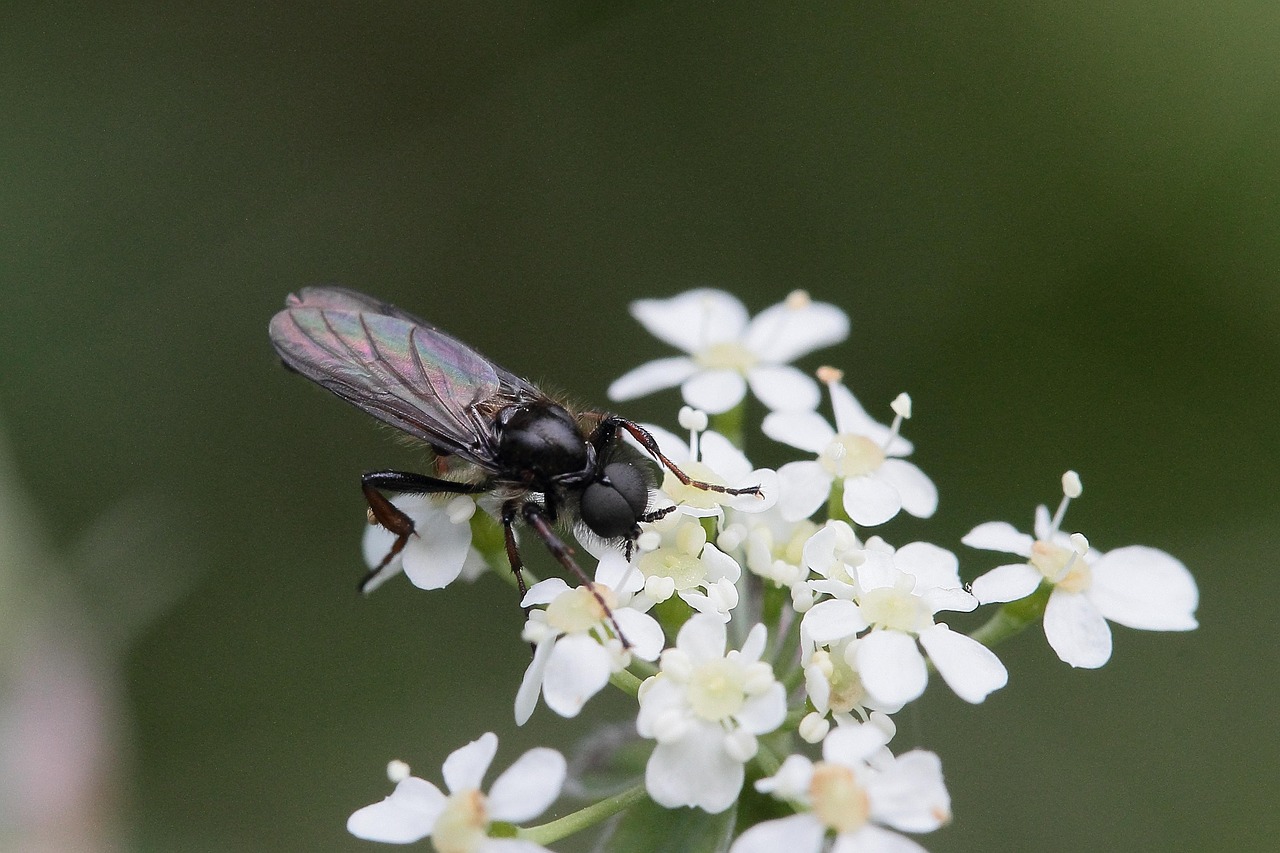
Identify and Confirm a Fungus Gnat Infestation
Before applying treatments, you must confirm that the pests hovering around your houseplants are actually fungus gnats. Many beneficial insects, such as springtails, also inhabit soil, but they pose no threat to your plants. Misidentifying these insects can lead to unnecessary stress and the misuse of pesticides.
Fungus gnats are small, mosquito-like flies, typically measuring about 1/8 of an inch long. They are weak fliers and are most often seen buzzing erratically around the soil surface or resting on the leaves of your plants. If you disturb the pot, they will usually take flight briefly before landing back on the damp soil.
To confirm an infestation, look for these specific indicators:
- Adult activity: You notice small, dark, winged insects flying near the base of the plant or around your face when you water.
- Soil conditions: The gnats thrive in consistently damp, organic-rich potting mixes. If your soil stays wet for long periods, it is a prime breeding ground.
- Larval presence: While difficult to see with the naked eye, the larvae are translucent, legless maggots with distinct black heads. They live in the top one to two inches of soil, feeding on decaying organic matter and, occasionally, the delicate root hairs of your plants.
A simple way to monitor the population is to place a yellow sticky trap horizontally on the soil surface. Fungus gnats are highly attracted to the color yellow. If you see dozens of tiny black specks stuck to the trap within 24 hours, you have a confirmed infestation.
It is important to distinguish these from beneficial soil dwellers. Springtails, for example, are tiny, white, wingless insects that jump when disturbed. Unlike fungus gnats, springtails are harmless decomposers that actually help break down nutrients in the soil. If your “pests” are jumping rather than flying, leave them alone; they are likely helping your plant, not hurting it.
Immediate Steps to Reduce Gnat Populations
If you have noticed tiny, dark flies hovering around your houseplants, you are likely dealing with fungus gnats. These pests thrive in moist soil, where they lay eggs that hatch into larvae. To regain control, you must act quickly to break their reproductive cycle by targeting both the flying adults and the developing larvae.
The most effective immediate step is to install yellow sticky traps. Fungus gnats are naturally attracted to the color yellow. Place these traps horizontally or vertically near the soil line of your affected plants. As the adults fly out of the soil to mate, they will become stuck to the adhesive, significantly reducing the population and preventing new eggs from being laid.
While traps manage the adults, you must address the larvae living within the potting medium. The larvae require consistent moisture to survive, so changing your watering habits is essential. Follow these steps to disrupt their environment:
- Allow the top two inches of your potting soil to dry out completely before watering again. This creates a hostile, arid environment that kills larvae.
- Test the soil moisture by inserting your finger into the pot; if it feels damp at the two-inch mark, wait another day or two.
- Ensure your pots have adequate drainage holes to prevent water from pooling at the bottom, which provides a sanctuary for larvae.
- Remove any standing water from decorative saucers immediately after watering.
Consistency is the key to success. Because these pests have a rapid life cycle, you should keep the yellow sticky traps in place for at least several weeks. By combining physical trapping with a strict “dry-out” watering schedule, you will starve the larvae and capture the remaining adults, effectively clearing the infestation without needing harsh chemicals. Monitor your plants closely over the next few weeks, as even a few remaining gnats can quickly repopulate if the soil is kept consistently wet again.

Safe and Effective Soil Treatments
The most effective way to eliminate a gnat infestation is to disrupt their life cycle within the soil. Fungus gnat larvae feed on organic matter and decaying roots, so targeting them directly in their habitat is essential for long-term control.
The gold standard for organic treatment is Bacillus thuringiensis israelensis (BTI). This naturally occurring bacterium is highly specific to fly larvae, making it completely safe for your plants, pets, and household members. You can purchase BTI in the form of mosquito bits or dunks.
To apply BTI effectively, follow these steps:
- Prepare the solution: Soak a portion of a mosquito dunk or a tablespoon of mosquito bits in a gallon of water for at least 30 minutes.
- Water thoroughly: Use this treated water for your next several waterings. The BTI will settle into the top inch of soil where the larvae reside.
- Maintain consistency: Because BTI only kills larvae, you must continue the treatment for at least three weeks to catch new generations as they hatch from eggs.
When handling soil amendments or mixing these treatments, always wear gardening gloves. This protects your skin from potential irritation caused by potting media additives. Additionally, avoid inhaling dust when pouring dry potting mix or handling dry mosquito bits; if you are sensitive to particulates, wearing a basic dust mask is a smart, health-conscious precaution.
Avoid the common mistake of using harsh chemical insecticides, which can damage delicate root systems and leave toxic residues in your home. By utilizing BTI, you create an inhospitable environment for gnats while ensuring your plants remain healthy and stress-free. If you find the infestation is severe, combine this soil treatment with yellow sticky traps placed near the base of the plant to capture adult gnats that are still flying. This two-pronged approach—killing the larvae in the soil and trapping the adults—will clear your indoor garden of gnats much faster than relying on a single method alone.
Preventative Care for Long-Term Control
The most effective way to manage fungus gnats is to stop them before they establish a population. These pests thrive in consistently moist, organic-rich soil, so your primary defense is adjusting how you care for your plants.
The most critical step is mastering your watering routine. Fungus gnat larvae feed on decaying organic matter in damp soil. Allow the top two inches of your potting mix to dry out completely between waterings. This creates a dry, inhospitable environment that kills larvae and discourages adults from laying new eggs.
Proper drainage is equally vital. Ensure every pot has functional drainage holes and never allow your plants to sit in standing water in a saucer. If your potting mix stays wet for more than a few days, consider repotting into a faster-draining medium amended with perlite or pumice to improve aeration.
You can also create a physical barrier to break the gnat life cycle:
- Apply a top dressing: Add a half-inch layer of fine sand or decorative gravel over the soil surface. This prevents adult gnats from reaching the soil to lay eggs and stops emerging adults from escaping the pot.
- Use mesh covers: For smaller plants, you can place a fine mesh screen over the soil surface to block access.
Finally, practice strict quarantine protocols. New plants are the most common source of infestations. Before introducing a new plant to your home, inspect the soil surface for movement and check the drainage holes for signs of pests. Keep new additions in a separate room for at least two weeks to ensure they are pest-free before placing them near your established collection.
By keeping the surface of your soil dry and ensuring your containers drain quickly, you remove the conditions necessary for gnats to survive. Consistent attention to these cultural practices is the best insurance against future outbreaks, keeping your indoor garden healthy and pest-free throughout the year.

Frequently Asked Questions and Ongoing Monitoring
Even with consistent treatment, fungus gnats can be persistent. If you have applied sticky traps and soil drenches for two weeks without a noticeable reduction in adult activity, it is time to reassess your strategy. Often, a stubborn infestation indicates that larvae are thriving in deep pockets of organic matter that surface treatments cannot reach.
You should consider repotting your plant entirely if:
- The current potting mix remains waterlogged for more than a few days after watering.
- You suspect root rot is present, characterized by a foul, swampy odor or mushy, blackened roots.
- The soil has broken down significantly, losing its aeration and structure.
When repotting, gently remove the plant and shake away as much of the old, infested soil as possible. Rinse the roots under lukewarm water to dislodge remaining larvae or eggs. Replant using a fresh, high-quality potting mix that contains perlite or pumice to ensure better drainage, which helps prevent future outbreaks.
Determining if damage is beyond repair requires a close look at the plant’s crown and root system. If the stems have turned soft, brown, or translucent at the soil line, the plant is likely suffering from advanced rot caused by excessive moisture and larval feeding. If the plant has lost more than 50% of its foliage or the root ball is entirely decayed, it may be more practical to propagate a healthy cutting rather than attempting to save the mother plant.
If you suspect a severe infestation that standard home remedies cannot resolve, consult a local nursery. Professionals can help identify if your plant is suffering from a secondary fungal infection or if the population density requires a systemic treatment that is not readily available for home use. Bring a sample of the soil or a clear photo of the plant to help them provide the most accurate assessment. Remember, the best defense against gnats is long-term moisture management; always allow the top two inches of soil to dry out completely between waterings.

Dedicated team of gardening enthusiasts with years of hands-on experience testing lawn mowers, gardening tools, and outdoor equipment. We help home gardeners and professionals alike make informed buying decisions with honest, thorough reviews. From push mowers to pruning shears, we test it all so you don’t have to. Got a gardening tool you’d like us to review? Get in touch!