
Fungus gnats are a common frustration for indoor gardeners, often appearing as tiny, annoying flies hovering around your soil. To stop gnats from plants, you must break their reproductive cycle by drying out the top layer of soil and using sticky yellow traps to capture the flying adults before they lay more eggs.
While these pests are mostly just a nuisance, they can damage delicate root systems if left unchecked for too long. It is important to understand that complete eradication rarely happens overnight. Consistent monitoring and adjusting your watering habits are the most effective ways to manage an infestation and protect your indoor greenery.
This guide explains how to identify these pests and provides effective, non-toxic methods to eliminate them and prevent their return, helping you restore your houseplants to health. We will walk you through simple, budget-friendly solutions that utilize common household items, ensuring your home garden remains a thriving, pest-free sanctuary for your favorite plants.
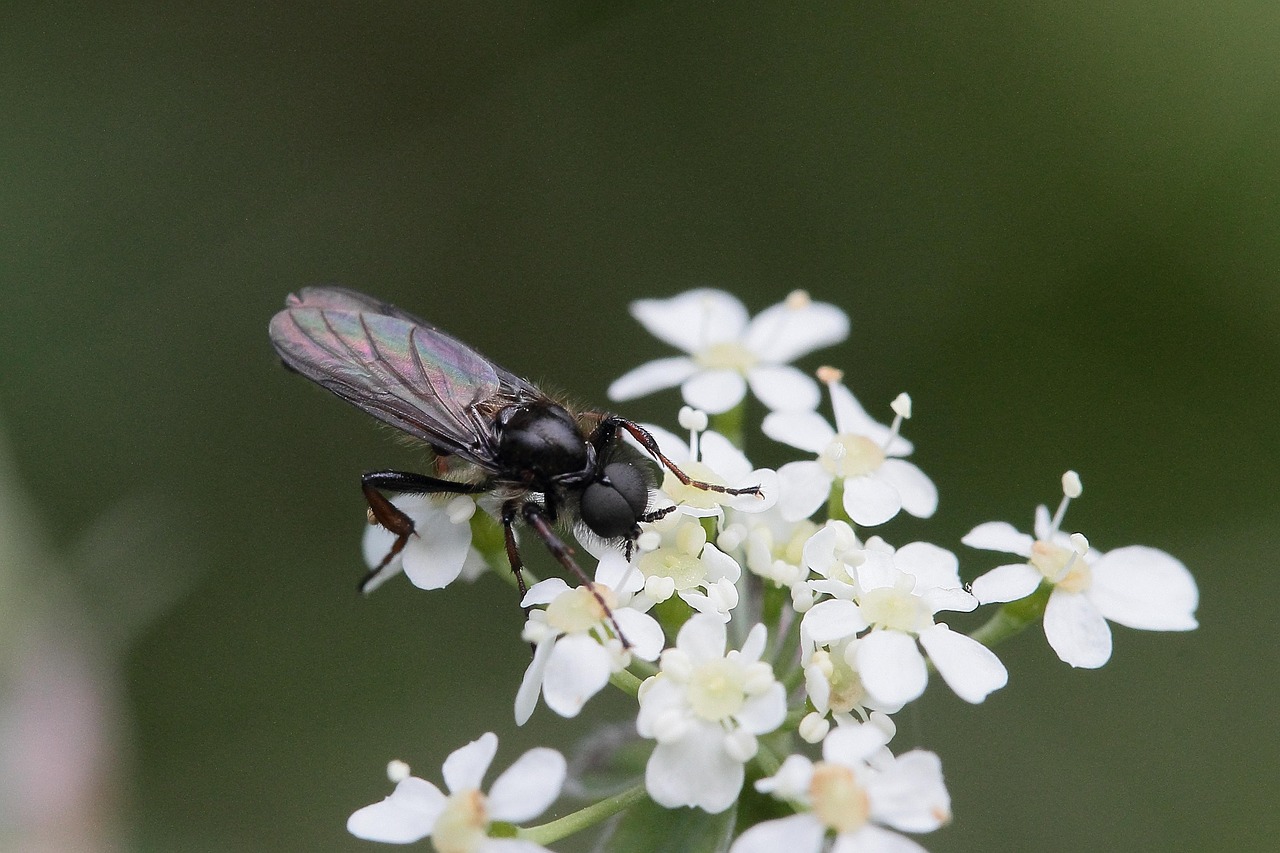
Identify the Problem
Before you begin treatment, you must confirm that the pests buzzing around your houseplants are indeed fungus gnats. Mistaking them for other common insects, like spider mites or whiteflies, can lead to ineffective control methods that fail to address the root cause.
Fungus gnats are small, dark-colored flies, usually measuring about 1/8 of an inch long. Unlike other pests that feed on plant foliage, fungus gnats are most active near the soil surface. You will typically see them hovering around the base of the plant or scurrying across the potting mix when you move the pot.
To positively identify them, look for these specific indicators:
- Flight patterns: They are weak fliers that tend to hover or crawl on the soil rather than flying long distances.
- Soil activity: If you gently disturb the top layer of soil and see tiny flies darting upward, you likely have an infestation.
- Larval presence: The real damage occurs below the surface. Carefully inspect the top inch of your potting soil. Fungus gnat larvae are translucent, worm-like creatures with shiny black heads. They thrive in consistently damp environments where decaying organic matter is present.
- Attraction to moisture: These pests are drawn to wet soil. If your plants are frequently overwatered or have poor drainage, you create the ideal breeding ground for their entire life cycle.
Fungus gnats are often confused with fruit flies. However, fruit flies are generally attracted to ripening produce or fermenting liquids, whereas fungus gnats are tethered strictly to your potted plants. If the flies are congregating exclusively around your houseplants and ignoring your kitchen counters, you are almost certainly dealing with fungus gnats.
Once you have confirmed their presence, the most important step is to assess your watering habits. Because these pests depend on moisture to survive and reproduce, identifying the infestation early allows you to adjust your care routine before the larvae cause significant damage to your plant’s root system.
Dry Out the Soil
The most effective strategy to eliminate fungus gnats is to disrupt their life cycle by removing their preferred habitat: moist, decaying organic matter. Adult gnats thrive in damp soil, where they lay eggs that hatch into larvae. By strategically managing your watering routine, you can create an environment that is inhospitable to these pests.
The golden rule is to allow the top two inches of your potting mix to dry out completely between waterings. Fungus gnat larvae require consistent moisture to survive; when the surface layer of the soil becomes parched, the larvae dehydrate and perish. Furthermore, adult gnats are discouraged from laying new eggs in dry soil, effectively halting the infestation at its source.
To implement this method safely and effectively, follow these practical steps:
- Check the depth: Before adding water, insert your finger two inches deep into the soil. If it feels damp or cool, wait a few more days before watering.
- Improve drainage: Ensure your pots have functioning drainage holes. Never let your plants sit in standing water in a saucer, as this creates a breeding ground for gnats.
- Use a moisture meter: If you are unsure about soil moisture levels, an inexpensive moisture meter can provide an accurate reading of the root zone.
- Bottom water: Consider switching to bottom watering. By placing the pot in a tray of water for 15 minutes, you allow the roots to absorb moisture while keeping the top two inches of soil relatively dry.
Be patient during this process. While it may take a few weeks to break the entire life cycle, consistency is key. If you notice your plant drooping significantly, it may be a sign that it requires more frequent watering or a different soil mix, but for most houseplants, this “dry-out” period is perfectly safe and serves as a natural, chemical-free deterrent against persistent gnat populations.

Use Physical Barriers and Traps
Physical barriers and traps are highly effective tools for breaking the lifecycle of fungus gnats. By targeting both the flying adults and the soil surface where they lay eggs, you can significantly reduce their population without relying solely on chemical treatments.
Deploy Yellow Sticky Traps
Fungus gnats are naturally attracted to the color yellow. Placing sticky yellow cards near the base of your plants is an excellent way to monitor and reduce the number of adult gnats. As the adults fly toward the soil to lay eggs, they become trapped on the adhesive surface. This prevents them from reproducing and gives you a clear visual indicator of how severe your infestation is.
Create a Soil Barrier
The most crucial step in stopping a gnat infestation is preventing adults from reaching the moist soil surface to deposit their eggs. You can create an inhospitable environment by adding a physical barrier to the top of your potting mix:
- Coarse Sand: Apply a half-inch layer of horticultural sand over the top of the soil. Sand dries out quickly, making it difficult for gnats to navigate or survive.
- Decorative Gravel or Pebbles: Fine gravel or decorative stones serve the same purpose as sand. Ensure the layer is thick enough to cover all exposed soil completely.
- Perlite: A layer of perlite can also work, though it is lighter and may shift more easily than sand or gravel.
For these barriers to be successful, they must remain dry between waterings. When you do water your plants, pour the water carefully to avoid displacing the barrier material. By keeping the top layer of your pots dry and grit-covered, you effectively seal off the nursery where larvae thrive. Combine these physical methods with a reduced watering schedule to ensure the top two inches of soil dry out completely, which will ultimately starve any remaining larvae and stop the infestation cycle for good.
Apply Natural Treatments
When physical traps and soil drying methods fail to curb a persistent fungus gnat infestation, biological controls are your most effective next step. These treatments target the root cause—the larvae living in the soil—without damaging your houseplants or exposing your home to harsh synthetic chemicals.
The gold standard for biological control is Bacillus thuringiensis israelensis (BTI). This naturally occurring bacterium specifically targets the larvae of gnats and mosquitoes while remaining completely safe for humans, pets, and your plants. You can easily find BTI in products marketed as mosquito dunks or granules.
To apply BTI effectively, follow these steps:
- Break off a small piece of a mosquito dunk (approximately one-quarter of a disc is sufficient for a standard gallon watering can).
- Place the piece into your watering can and fill it with water.
- Allow the dunk to soak for at least 30 minutes to ensure the bacteria are fully released into the water.
- Water your plants as you normally would, ensuring the soil is thoroughly saturated so the solution reaches the larvae.
For the best results, use this BTI-infused water for every watering cycle over the next three to four weeks. This duration is critical because it ensures you catch multiple generations of gnats as they hatch. While the bacteria are non-toxic, always wear gardening gloves when handling concentrated soil treatments or breaking up dunks to avoid skin irritation. Once you have finished watering, wash your hands thoroughly with soap and warm water.
Consistency is the secret to success with biological controls. Because BTI only affects the larval stage, you may still see adult gnats flying around for a few days after your first application. Continue using the treated water until the adult population disappears entirely. By interrupting the life cycle at the root zone, you can permanently clear your indoor garden of these persistent pests without resorting to toxic sprays or risking the health of your houseplants.

Prevention and Ongoing Care
The most effective way to manage fungus gnats is to create an environment where they cannot thrive. These pests are primarily attracted to consistently damp soil, which serves as a breeding ground for their larvae. By adjusting your watering habits and pot maintenance, you can stop the cycle of infestation before it begins.
The golden rule of indoor gardening is to allow the top two inches of soil to dry out completely between waterings. Gnats struggle to survive in dry conditions, and this practice also encourages stronger root growth. Always ensure your pots have functional drainage holes; never let a plant sit in a saucer of standing water, as this creates the perfect nursery for gnat eggs.
If you have addressed your watering habits but the gnats persist, the issue may be hidden beneath the surface. Follow these steps to investigate further:
- Inspect the roots: Gently remove the plant from its container to check for mushy, discolored, or foul-smelling roots, which indicate root rot.
- Refresh the medium: If the soil remains soggy or appears degraded, repot the plant into fresh, sterile potting mix. Discard the old, infested soil entirely.
- Use top dressings: Consider adding a layer of horticultural sand or decorative pebbles to the top of your soil. This creates a physical barrier that prevents adult gnats from laying eggs in the damp earth.
Sometimes, despite your best efforts, a plant may continue to decline. If you notice persistent yellowing leaves, stunted growth, or a recurring pest presence that you cannot resolve, do not hesitate to seek expert advice. Bring a sample of the plant or clear photos to a local nursery professional. They can help diagnose whether the problem is purely pest-related or if there is an underlying issue with the plant’s health that requires specialized treatment. Taking proactive steps early is the best way to ensure your indoor garden remains vibrant, healthy, and pest-free for years to come.

Dedicated team of gardening enthusiasts with years of hands-on experience testing lawn mowers, gardening tools, and outdoor equipment. We help home gardeners and professionals alike make informed buying decisions with honest, thorough reviews. From push mowers to pruning shears, we test it all so you don’t have to. Got a gardening tool you’d like us to review? Get in touch!