
To stop gnats from indoor plants, you must break their reproductive cycle by drying out the top layer of soil and using sticky yellow traps. These persistent pests thrive in moist environments, but taking immediate action with targeted treatments will effectively eliminate the infestation and protect your greenery from further root damage.
While seeing tiny flies buzzing around your pots is frustrating, it is a common issue for many indoor gardeners. Fungus gnats usually appear due to overwatering or poor drainage, which creates the perfect breeding ground. Understanding these environmental triggers is essential for managing the current population and preventing future outbreaks from occurring.
Discover practical, proven methods to eliminate annoying fungus gnats from your indoor plants. This guide explains why these pests appear and provides step-by-step solutions to help you regain control of your houseplants and keep your soil healthy. Follow these simple strategies to restore your home garden to a pest-free, thriving sanctuary today.
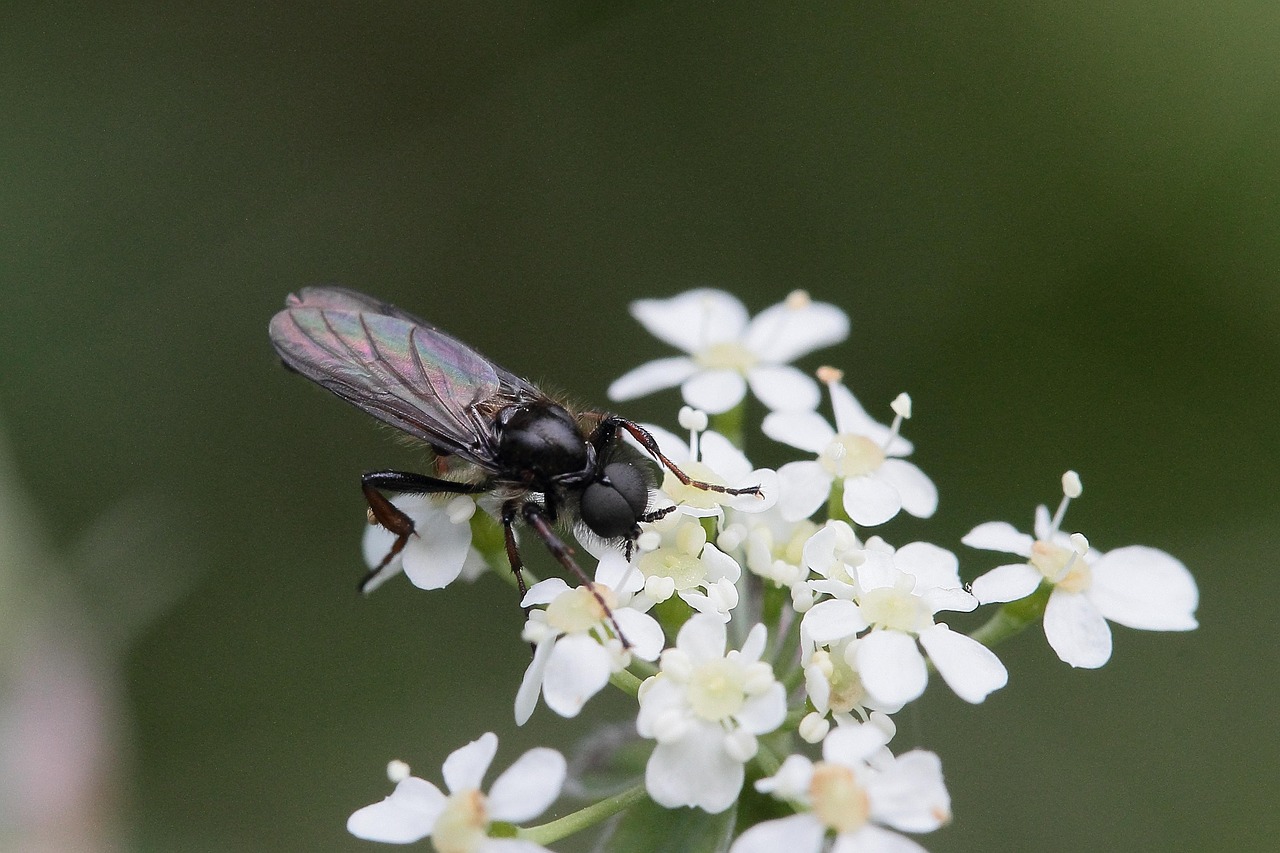
Identify and Understand Fungus Gnats
Before you begin treatment, you must confirm that the pests bothering your indoor plants are actually fungus gnats. Misidentifying insects can lead to ineffective solutions that waste time and potentially harm your plants.
Fungus gnats are small, delicate flies, typically measuring about 1/8 of an inch long. They are dark in color and possess long, thin legs and wings. While they are not strong fliers, you will often notice them hovering erratically around the soil surface or darting toward nearby windows.
You can identify a fungus gnat infestation by looking for these specific signs:
- Soil activity: Adult gnats are most frequently seen crawling on the surface of potting soil or resting on the leaves of plants.
- The “tap” test: Gently tap the pot or shake the plant foliage. If a small cloud of tiny black flies suddenly takes flight, you are likely dealing with a fungus gnat colony.
- Sticky traps: Place a yellow sticky card near the soil. Fungus gnats are attracted to the color yellow and will become trapped, allowing you to confirm their presence and monitor the severity of the infestation.
Understanding their habitat is the key to stopping them. Fungus gnats thrive in environments where the top layer of soil remains consistently damp. They lay their eggs in moist, organic-rich soil, where the larvae feed on decaying plant matter, fungi, and occasionally, the tender roots of your houseplants.
Unlike other common pests such as spider mites or aphids, fungus gnats do not typically suck sap from leaves. If you notice webbing, distorted foliage, or sticky residue on the leaves, you are likely dealing with a different pest. Fungus gnats are primarily a nuisance to humans and a potential threat to root health, especially in young or sensitive plants. By confirming that your soil is the primary breeding ground, you can focus your efforts on drying out the growing medium, which is the most effective way to disrupt their life cycle and prevent future generations.
The Most Effective Ways to Kill Adult Gnats
To effectively stop a gnat infestation, you must disrupt their breeding cycle by aggressively targeting the adult population. While larvae live in the soil, the adults are the ones responsible for laying hundreds of new eggs, making them the primary focus for immediate population control.
The most reliable, non-toxic method for catching flying gnats is the use of yellow sticky traps. Fungus gnats are naturally attracted to the color yellow, which they mistake for a food source or a healthy plant. To maximize their effectiveness, place these traps directly on the soil surface or stake them just above the rim of your pots. As adults fly out of the soil to mate, they become permanently stuck to the adhesive surface, preventing them from laying further eggs.
Beyond traps, consider these practical steps to manage the adult population safely:
- Increase Airflow: Gnats are weak fliers. By placing a small oscillating fan near your plants, you create an environment that makes it difficult for them to navigate, land, or mate. Improved circulation also helps the top layer of soil dry out faster, which discourages further egg-laying.
- Manual Removal: If you spot a cluster of gnats, a handheld vacuum can quickly clear them from the air or the surface of the leaves.
- Avoid Harsh Chemicals: Never use aerosol insecticides or chemical sprays inside your home. These products can linger in the air and on surfaces, posing significant health risks to children and pets. Natural, physical barriers like sticky traps are far safer and equally effective when used consistently.
Consistency is key to breaking the cycle. Because new gnats will continue to emerge from the soil for several days, keep your sticky traps in place for at least two to three weeks. By combining physical traps with improved soil management, you can eliminate the adults and reclaim your indoor garden without relying on harmful synthetic pesticides.

Treating Larvae in the Soil
While adult gnats are a nuisance, the larvae living in your potting soil are the true culprits. These small, translucent worms feed on organic matter and delicate root hairs, which can stunt growth, cause yellowing leaves, and eventually kill your indoor plants. To stop the cycle, you must target the soil directly.
Here are two of the most effective, plant-safe methods for eliminating larvae:
- Hydrogen Peroxide Solution: Mix one part 3% hydrogen peroxide with four parts water. Pour this mixture into your soil until it runs out of the drainage holes. The peroxide releases oxygen, which kills larvae on contact without harming the plant roots.
- Mosquito Dunks (BTI): These contain Bacillus thuringiensis israelensis, a naturally occurring bacteria that specifically targets fungus gnat larvae. Crumble a small piece of a dunk into your watering can and let it soak for several hours before watering your plants as usual.
Consistency is vital. Because these treatments only kill the larvae currently in the soil, you will need to repeat the process every time you water for at least two to three weeks. This ensures you catch any new eggs that hatch after your initial treatment.
Safety Precautions:
When handling soil amendments or concentrated solutions, always wear gardening gloves to protect your skin from irritation. Work in a well-lit area to ensure you can clearly see where you are pouring, which helps prevent accidental spills on surfaces or clothing. If you have sensitive skin, avoid direct contact with the hydrogen peroxide mixture and wash your hands thoroughly after finishing your plant care routine.
By focusing your efforts on the soil, you disrupt the life cycle of the gnats at the source. Once the larvae are eradicated, you will notice a significant decrease in the number of flying adults within just a few days. Keep your soil surface slightly drier between waterings moving forward, as this makes your plants much less attractive to female gnats looking for a place to lay their eggs.
Preventative Cultural Practices
The most effective way to manage fungus gnats is to disrupt their life cycle by altering the environment of your indoor plants. Since these pests thrive in consistently moist soil, your primary goal is to make the potting medium inhospitable for their larvae.
The most critical change you can make is to adjust your watering routine. Fungus gnats require damp organic matter to survive and reproduce. By allowing the top two inches of soil to dry out completely between waterings, you effectively kill off the larvae that live near the surface. Before adding more water, always test the soil depth with your finger; if it still feels cool or damp, wait another day or two.
In addition to regulating moisture, you can create a physical barrier that prevents adult gnats from accessing the soil to lay new eggs. Consider these practical methods:
- Sand layer: Apply a half-inch layer of fine horticultural sand over the top of the soil. This creates a dry, abrasive surface that adult gnats cannot penetrate to deposit their eggs.
- Decorative gravel: Using small, decorative stones or pebbles serves a similar purpose. Ensure the layer is thick enough to cover all exposed soil, as even a small gap provides an entry point for pests.
- Bottom watering: Instead of pouring water onto the top of the soil, place your pot in a tray of water for 15–20 minutes. This allows the roots to absorb moisture from below, keeping the surface layer dry and unattractive to gnats.
Finally, ensure your pots have adequate drainage holes. Standing water in a saucer or a pot without drainage creates a breeding ground that no amount of top-dressing can fix. If your container lacks drainage, repotting into a vessel with proper holes is the most reliable way to prevent future infestations. By keeping the surface dry and ensuring your soil drains efficiently, you take away the two essential requirements that fungus gnats need to thrive in your home.

Common Questions and Long-Term Plant Health
Many gardeners wonder if they must immediately repot a plant infested with fungus gnats. In most cases, you do not need to replace the soil. Because gnats primarily inhabit the top inch or two of the potting medium, you can often resolve the issue by letting the soil dry out thoroughly between waterings or using a gentle biological control like BTI (Bacillus thuringiensis israelensis). Repotting can be stressful for a plant, so it should be a last resort rather than a first step.
However, if the infestation persists despite your best efforts, it is time to inspect the root system. Persistent gnat populations often indicate that the soil is staying too wet, which creates an environment where root rot can thrive. If you notice a foul smell coming from the pot or if the plant’s growth has stalled, root damage is likely.
To check for root health, gently remove the plant from its container. Healthy roots are typically firm and white or light tan. If you find roots that are mushy, slimy, or dark brown, they are suffering from rot. You can address this by:
- Trimming away the decayed, mushy root sections with sterilized shears.
- Removing all old, contaminated soil from the root ball.
- Repotting the plant into a clean container using fresh, well-draining potting mix.
- Ensuring the new pot has adequate drainage holes to prevent future water stagnation.
If you are unsure about the extent of the damage or if the plant is a rare or sensitive variety, do not hesitate to seek advice from a local nursery professional. They can provide specific guidance based on your local climate and the specific needs of your plant species. Remember that long-term plant health relies on consistent care rather than drastic measures. By adjusting your watering habits and ensuring your soil has enough aeration, you create an environment where gnats cannot survive and your plants can flourish.

Dedicated team of gardening enthusiasts with years of hands-on experience testing lawn mowers, gardening tools, and outdoor equipment. We help home gardeners and professionals alike make informed buying decisions with honest, thorough reviews. From push mowers to pruning shears, we test it all so you don’t have to. Got a gardening tool you’d like us to review? Get in touch!