
A dull mower blade tears grass rather than cutting it, leaving your lawn vulnerable to disease and browning. This guide explains how to safely remove, sharpen, and reinstall your Toro mower blades to ensure a clean, precise cut every time you mow, helping your lawn stay healthy and vibrant throughout the growing season.
Regular maintenance is essential for any homeowner, but sharpening blades requires the right tools and a careful approach to safety. While you do not need to be a professional mechanic to achieve professional results, you must follow specific steps to ensure your mower remains balanced and performs efficiently without causing any potential mechanical damage.
In the following sections, we will walk you through the entire process, from gathering the necessary equipment to the final reinstallation. By mastering these simple techniques, you will save money on replacement parts and enjoy a lush, manicured lawn. Let’s get started with the essential tools and safety precautions you need for this project.

Safety First and Preparation
Before you begin sharpening your Toro mower blades, prioritizing safety is essential to prevent injury and accidental engine engagement. Taking these precautions ensures the maintenance process is both efficient and secure.
First, always disconnect the spark plug wire. This is the most critical step in your preparation, as it physically prevents the engine from starting while you are working near the blade. Even if the mower is turned off, a bump to the blade or a faulty ignition switch could cause the engine to turn over unexpectedly.
Next, prepare your workspace and protective gear:
- Wear heavy-duty work gloves: Mower blades are not just sharp; they often have burrs or jagged edges from hitting debris. Thick leather gloves protect your hands from deep cuts during removal and handling.
- Secure the mower: Move the mower to a flat, stable surface, such as a workbench or a level concrete floor. If you must tip the mower, always tilt it with the air filter and carburetor facing upward to prevent oil from flooding the engine or air intake.
- Stabilize the blade: You will need to loosen a mounting bolt that is likely tightened to a high torque specification. Use a sturdy wooden block wedged between the blade and the mower deck to prevent the blade from spinning as you apply force with your wrench.
Avoid using your hands to hold the blade in place while loosening the bolt. If the wrench slips or the bolt breaks loose suddenly, your hand could easily slide into the sharp cutting edge. Using a wooden block provides a mechanical stop that keeps your fingers at a safe distance.
Finally, clear your immediate area of any loose tools or debris. A clean, organized workspace prevents tripping hazards and ensures that you can focus entirely on the task. Once the blade is immobilized and the spark plug is disconnected, you are ready to safely remove the blade for sharpening.
Removing the Toro Mower Blade
Before you begin, ensure your Toro mower is completely disabled. Disconnect the spark plug wire to prevent accidental engine ignition while you work. If you have a walk-behind mower, tip the unit with the air filter side facing up to prevent oil from leaking into the carburetor. For riding mowers, consider using a lift or ramps for safer access to the underside.
Locate the bolt securing the blade to the spindle. Use a high-quality socket wrench with the appropriate size socket to loosen the bolt. Because these bolts are often tightened by the engine’s torque, they can be stubborn. If the blade spins while you turn the wrench, wedge a block of wood between the blade and the mower deck to lock it in place.
As you remove the bolt, pay close attention to the assembly. You will likely encounter several components that must be reinstalled in the exact same order:
- Washers and spacers: Keep these together in a tray. They are precision-engineered to maintain the correct spacing and prevent the blade from vibrating or damaging the spindle.
- Blade orientation: Note exactly how the blade sits against the spindle support. The sharp, angled cutting edge must face the direction of rotation. If installed backward, the mower will not cut grass effectively and may cause damage to your lawn.
Once the bolt is free, carefully pull the blade off the spindle. It is helpful to take a quick photo of the setup with your phone before removing the parts. This provides a visual reference, ensuring you do not lose track of how the hardware stacks. Inspect the bolt and washers for signs of wear or stripping; if the threads look damaged, replace them immediately to ensure the blade remains securely attached during operation. Never attempt to reuse a damaged bolt, as a loose blade is a significant safety hazard.
Sharpening Techniques for Best Results
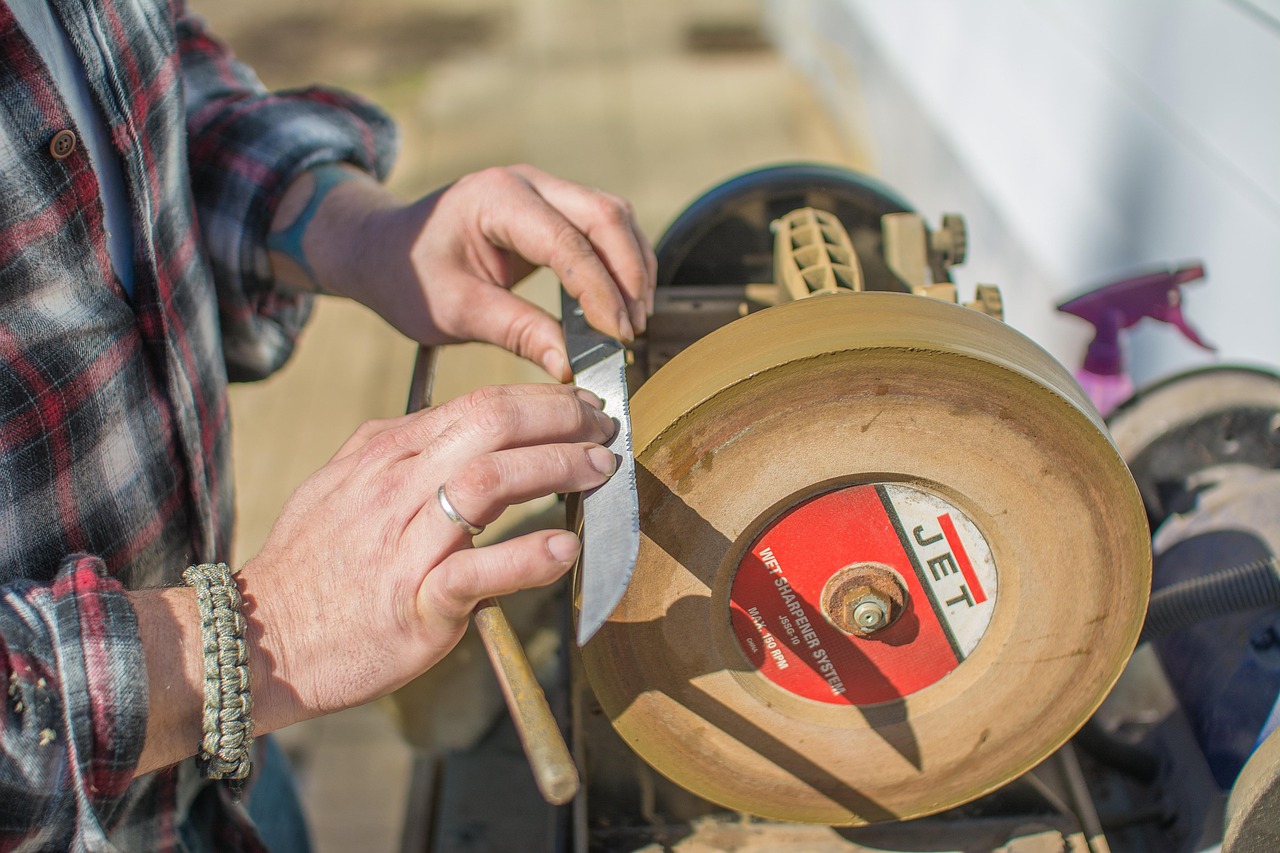
Achieving a clean, professional cut begins with the right sharpening technique. Whether you use a metal file or a bench grinder, the goal is to restore the factory edge without compromising the structural integrity of the blade.
Before you begin, secure the blade firmly in a bench vise. If you are using a metal file, work in one direction only, following the original factory bevel angle. If you prefer a bench grinder, use a light touch and keep the blade moving constantly to prevent overheating. If the metal turns blue or discolors, the steel has become too hot, which softens it and significantly reduces its lifespan.
To ensure your Toro mower performs efficiently and doesn’t vibrate excessively, follow these essential steps:
- Match the bevel: Maintain the original angle provided by the manufacturer. Altering this angle can lead to poor grass cutting and increased strain on the mower engine.
- Remove minimal material: Only remove enough metal to eliminate nicks and restore sharpness. Excessive grinding shortens the life of the blade and makes it difficult to balance.
- Balance the blade: This is the most critical step. After sharpening, hang the blade on a nail or a dedicated blade balancer. If one side drops, grind a small amount of metal from the heavy side. A balanced blade prevents premature bearing failure and reduces vibration.
- Keep it cool: If using a grinder, periodically dip the blade into a container of water to keep the temperature low.
Once you are satisfied with the edge, inspect the blade for deep gouges or cracks. If the metal is pitted or shows signs of structural fatigue, do not attempt to sharpen it. For safety and performance, replace any damaged blades immediately with a genuine Toro replacement part. A sharp, balanced blade ensures a healthier lawn and a smoother mowing experience every time you head out to the yard.
Balancing and Reinstallation
After sharpening your Toro mower blade, you must balance it before reinstallation. An unbalanced blade creates uneven weight distribution, which causes excessive vibration during operation. Over time, this vibration can damage your mower’s engine bearings, deck, and spindle assembly.
To check for balance, follow these steps:
- Find a nail driven into a wall or use a dedicated cone-style blade balancer.
- Slide the center hole of the blade onto the nail or balancer so it sits horizontally.
- Observe which side drops toward the ground. The side that drops is heavier.
- Remove a small amount of metal from the heavy side using your file.
- Re-check the balance frequently, removing only small amounts of material at a time to avoid removing too much steel.
Once the blade sits perfectly level on the balancer, it is ready for reinstallation. Clean the mounting surface on the mower deck to ensure a flush fit. When attaching the blade, always refer to your specific Toro owner’s manual for the correct orientation, as installing a blade upside down is a common mistake that prevents proper cutting.
Use a torque wrench to tighten the mounting bolt to the manufacturer’s exact specifications. Overtightening can strip threads or crack the blade, while undertightening may cause the blade to come loose during use. If your model uses a specific bolt or washer configuration, ensure every component is replaced in the exact order shown in your manual.
For safety, always disconnect the spark plug wire before working on the blade area. This prevents the engine from accidentally starting while your hands are near the cutting deck. If you notice any deep cracks, significant pitting, or if the metal has become too thin from multiple sharpenings, do not attempt to balance the blade. Instead, replace it with a genuine Toro replacement part to ensure the safety and longevity of your equipment. A sharp, balanced blade ensures a clean cut, which promotes a healthier, greener lawn throughout the growing season.

Maintenance Tips and When to Replace
Consistent blade maintenance is essential for a healthy lawn. Dull blades tear grass rather than slicing it cleanly, which leaves your lawn vulnerable to disease, pests, and unsightly browning. To keep your mower performing at its peak, inspect your blades for nicks, bends, or dullness after every 20 to 25 hours of operation.
When inspecting your mower deck, always disconnect the spark plug wire first to prevent accidental starting. Use a heavy glove to check the edge quality. If the blade shows signs of wear, consider these indicators to determine whether to sharpen or replace:
- Surface Dullness: If the edge is simply blunt, sharpening is sufficient to restore cutting performance.
- Deep Gouges: If you hit a rock or hidden debris that left significant notches in the metal, the blade is compromised and should be replaced.
- Structural Integrity: Check for significant rust or thinning. If repeated sharpening has reduced the metal thickness significantly, the blade may become brittle and prone to cracking under high-speed rotation.
- Deformation: Any blade that is bent or twisted must be replaced immediately, as it will cause dangerous vibrations and damage your mower’s spindle.
When a replacement is necessary, always choose a genuine Toro replacement part. These are engineered specifically for your mower’s airflow requirements, ensuring a consistent, high-quality cut and proper discharge of clippings. Avoid using “universal” blades, as they often lack the correct lift profile and can negatively affect the machine’s engine health.
Safety is the priority in any maintenance task. If you do not feel comfortable working with power tools, grinders, or heavy machinery, do not attempt to sharpen the blade yourself. Improperly balanced blades can cause severe vibration that damages the mower deck and engine over time. If you lack the proper equipment or confidence, consult a local small engine repair shop. A professional can quickly balance and sharpen your blade, ensuring your mower remains safe and efficient for the rest of the season.

Dedicated team of gardening enthusiasts with years of hands-on experience testing lawn mowers, gardening tools, and outdoor equipment. We help home gardeners and professionals alike make informed buying decisions with honest, thorough reviews. From push mowers to pruning shears, we test it all so you don’t have to. Got a gardening tool you’d like us to review? Get in touch!