
You can sharpen your mower blades without removing them by carefully tilting the machine to access the underside. This method saves you significant time and effort while ensuring your grass receives a clean, healthy cut. Keeping your blades sharp is essential for maintaining a lush, green lawn throughout the growing season.
While sharpening blades in place is convenient, it requires strict safety precautions to prevent accidental engine starts or injury. Always disconnect the spark plug wire before beginning any maintenance to ensure the mower cannot engage unexpectedly. This approach is best suited for minor touch-ups rather than heavy-duty grinding or significant repairs that might require a balanced blade.
In the following sections, we provide a step-by-step guide to help you achieve professional results from your garage or shed. You will learn how to secure the blade, choose the right tools for the job, and maintain the proper angle for optimal efficiency. Follow these practical tips to keep your equipment running smoothly and your lawn looking its absolute best all year long.

Essential Safety Precautions Before You Begin
Before you attempt to sharpen your mower blades without removing them, you must prioritize safety. Working on a lawnmower involves significant risks, and taking a few minutes to secure the machine can prevent life-altering injuries. Never skip these foundational steps.
The most critical action is to disconnect the spark plug wire. Locate the thick rubber wire attached to the spark plug on the front or side of the engine and pull it firmly off the terminal. Move the wire far enough away so it cannot accidentally snap back into place. This physically breaks the ignition circuit, ensuring the engine cannot start while you are working near the blade.
Next, stabilize the mower. If you must tilt the unit to access the underside, always tilt it with the air filter and carburetor facing upward. This prevents oil from leaking into the air filter or carburetor, which could foul the engine and cause starting issues later. Use a sturdy block of wood to prop the deck securely so it cannot fall while you are working.
Equip yourself with the proper protective gear to mitigate risks from sharp metal and flying debris:
- Heavy-duty leather gloves: These are essential to protect your hands from the razor-sharp cutting edge of the blade and any jagged metal burrs created during the sharpening process.
- Safety glasses: Metal filings, rust, and dried grass debris will fly off the blade as you file. Impact-resistant eyewear is non-negotiable to shield your eyes from these projectiles.
- Hearing protection: If you are using a power tool like an angle grinder rather than a manual metal file, wear ear protection to prevent long-term hearing damage.
Finally, ensure you are working on a flat, level surface with plenty of natural light. If the area is dim, use a portable work light to ensure you can clearly see the blade’s edge. Never rush the process; taking your time ensures that both you and your equipment remain in good condition.
Preparing the Mower for Access
Before you begin sharpening, you must safely access the underside of the mower deck. Because you are not removing the blade, gravity is your biggest challenge. Proper positioning is critical to prevent engine damage and ensure your own safety.
The most important rule is to tilt the mower with the air filter and carburetor facing upward. If you tilt the mower with the air intake facing down, oil will flow from the crankcase into the carburetor and soak the air filter. This can cause the engine to smoke, foul the spark plug, or refuse to start entirely.
Follow these steps to prepare your mower safely:
- Disconnect the spark plug: Always pull the spark plug wire off the terminal before touching the blade. This prevents the engine from accidentally firing if the blade is rotated during the sharpening process.
- Drain or secure the fuel: If possible, run the mower until it runs out of gas or use a siphon to empty the tank. This prevents fuel from leaking out of the gas cap or carburetor while the mower is tilted.
- Choose a stable surface: Work on a flat, level driveway or garage floor. Avoid grass or gravel, which can shift and cause the mower to become unstable.
- Use a sturdy prop: Once you tilt the mower, use a block of wood, a heavy brick, or a specialized mower jack to hold the deck in place. Never rely solely on your hand or a flimsy object to keep the deck lifted.
Before you start filing, give the blade a firm tug to ensure it is not loose. If the mower feels unstable or the prop is wobbling, adjust your setup immediately. Taking these few minutes to secure the machine properly protects your engine from internal damage and ensures you have a stable, safe platform for sharpening.
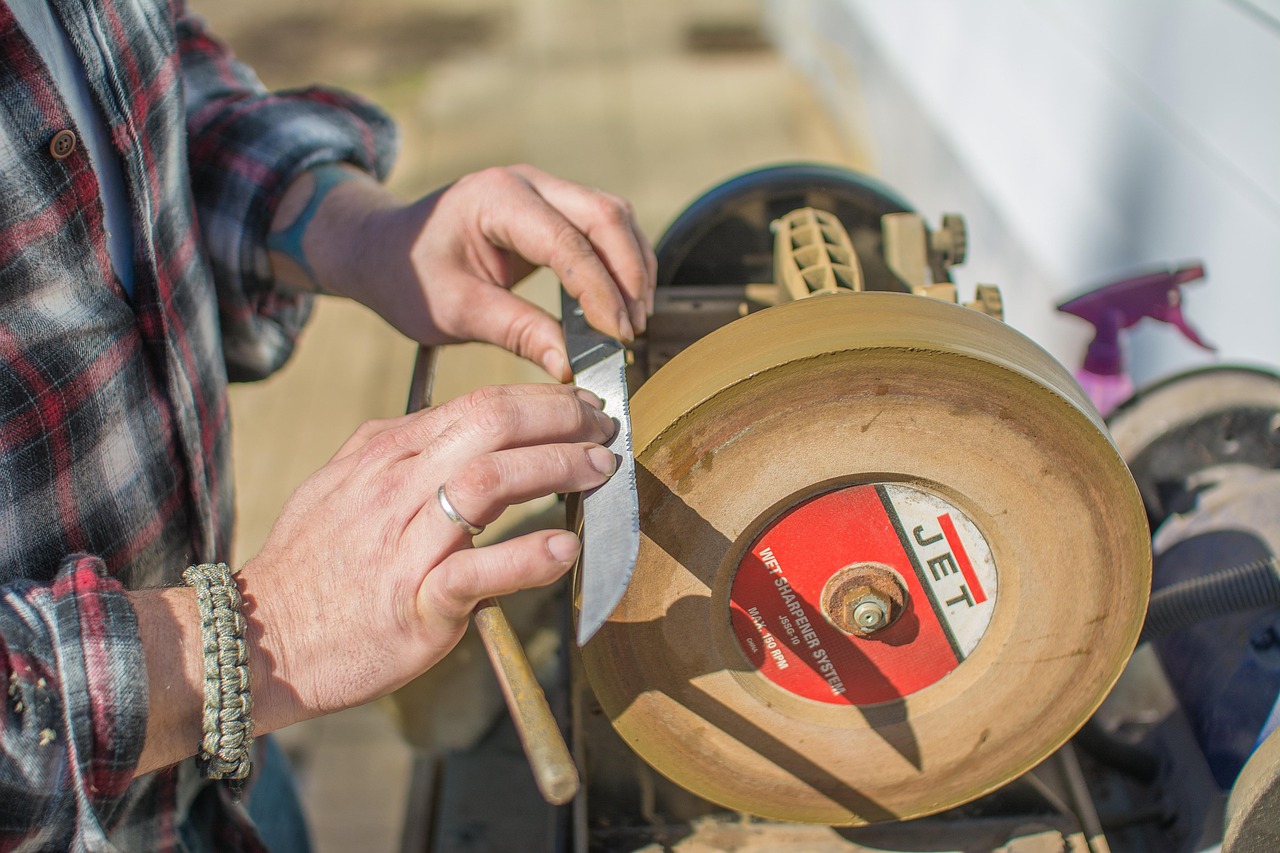
The Sharpening Process Using a File
Using a flat metal file is a precise, controlled way to sharpen your mower blade without removing it from the deck. Before beginning, ensure the mower is completely powered down. For gas models, disconnect the spark plug wire to prevent accidental starting. For battery-powered mowers, remove the battery entirely. Tilt the mower on its side, ensuring the air filter and carburetor side faces upward to prevent oil from leaking into the intake.
Once the blade is accessible, stabilize it firmly. If you do not have a clamp, use a block of wood to wedge the blade against the deck housing so it cannot rotate while you work. Follow these steps for an effective edge:
- Identify the bevel: Examine the existing angle of the factory edge. Place your flat file against this bevel to match the angle exactly.
- File in one direction: Use firm, steady pressure, pushing the file forward across the blade edge. Lift the file off the metal before returning it to the starting position. Avoid a back-and-forth sawing motion, as this dulls the file teeth and creates a ragged edge.
- Maintain consistency: Count your strokes on each side of the blade. You must remove an equal amount of material from both ends to keep the blade balanced.
Balance is critical for mower health. If one side is heavier than the other, the blade will vibrate violently during operation. This vibration puts excessive stress on the engine crankshaft, bearings, and deck housing, which can lead to expensive mechanical failures or a cracked mower chassis.
After filing, run your gloved finger carefully along the edge to check for burrs. A sharp blade should be clean and smooth, not serrated. Once finished, clear away all metal filings from the deck and underside of the mower. Reconnect your power source, return the mower to an upright position, and perform a quick test run to ensure the machine operates smoothly without unusual noise or vibration.
Testing and Finishing Your Work
Once you have finished filing the cutting edges, you must address the metal burrs created during the sharpening process. Take your metal file and perform a very light, controlled pass along the underside of the cutting edge. This removes any jagged metal fragments that could cause uneven cutting or tear grass blades rather than slicing them cleanly.
Before you finalize the job, perform a safety check to ensure the blade is correctly positioned. Carefully rotate the blade by hand, ensuring it moves freely and does not strike the mower deck or any internal components. If you hear any scraping or detect resistance, re-examine the blade for proper alignment before proceeding.
With the sharpening complete, follow these final steps to prepare your mower for service:
- Clear the underside of the mower deck of all dried grass clippings, debris, and dirt buildup to improve airflow and cutting efficiency.
- Wipe the blade and the surrounding area with a clean rag to remove any metal filings or oil residue.
- Reconnect the spark plug wire firmly to the spark plug terminal.
- Carefully lower the mower back onto its wheels.
Before you begin mowing your lawn, start the engine and let it run for a minute or two while the mower is stationary on a flat, paved surface. Listen for any unusual vibrations or metallic rattling sounds that might indicate the blade is loose or unbalanced. If the mower runs smoothly and produces a clean, consistent sound, you are ready to return to your yard work.
Maintaining sharp blades is essential for plant health. Dull blades bruise grass, leaving ragged, brown tips that make your lawn susceptible to disease and pests. By keeping your equipment well-maintained, you ensure that every cut promotes healthy, vigorous growth. If you notice the grass appearing frayed or discolored shortly after mowing, it is a clear sign that your blades require another sharpening session. Always prioritize safety by keeping the spark plug disconnected whenever you are working near the blade assembly.

Maintenance Tips and When to Seek Professional Help
Maintaining sharp mower blades is essential for a healthy lawn. Dull blades tear grass rather than cutting it, leaving jagged edges that turn brown and invite disease. To keep your lawn thriving, inspect your blades regularly for signs of wear. If you notice deep nicks, large cracks, or significant metal loss, do not attempt to sharpen them. These are structural compromises that require a full blade replacement for safety and performance.
For the best results, aim to sharpen your blades at least once per season. If you mow frequently or have a large property, you may need to sharpen them more often. A simple way to tell if it is time is to observe your grass after a mow; if the tips appear frayed, white, or shredded, your blades have lost their edge.
Even when you sharpen blades without removing them, you must prioritize safety. Always disconnect the spark plug wire to prevent the engine from accidentally starting while you work. If you notice persistent vibration during your next mow, stop immediately. This usually indicates that the blade is unbalanced or slightly bent, which can damage your mower’s spindle and engine over time.
Consider seeking professional help if you encounter any of the following:
- Persistent vibration or unusual rattling sounds after sharpening.
- Blades that appear visibly bent or warped upon inspection.
- Inability to achieve a clean cut despite sharpening the edges.
- Damage to the blade mounting hardware or spindle.
Professional technicians have the specialized tools to balance blades precisely and can perform a safety inspection that is difficult to replicate at home. While DIY maintenance is excellent for routine upkeep, a professional tune-up once a year ensures your mower remains in top condition. By catching mechanical issues early, you extend the lifespan of your equipment and ensure your garden remains a lush, green focal point of your home.

Dedicated team of gardening enthusiasts with years of hands-on experience testing lawn mowers, gardening tools, and outdoor equipment. We help home gardeners and professionals alike make informed buying decisions with honest, thorough reviews. From push mowers to pruning shears, we test it all so you don’t have to. Got a gardening tool you’d like us to review? Get in touch!