
Fungus gnats are a common frustration for indoor gardeners, often appearing as tiny, annoying flies hovering around your soil. To rid your plants of gnats effectively, you must target both the flying adults and the larvae living in the damp potting mix. This guide provides actionable steps to clear your infestation quickly.
While these pests are mostly a nuisance rather than a direct threat to healthy plants, a large population can damage delicate root systems over time. Achieving total control requires patience, as you must break the insects’ life cycle. Expect to spend a few weeks consistently applying treatments to ensure every generation is eliminated.
This comprehensive guide explains how to accurately identify these persistent pests, eliminate them using safe, household methods, and prevent them from returning to your home garden. By adjusting your watering habits and utilizing simple traps, you can reclaim your indoor space and keep your favorite houseplants thriving, pest-free, and healthy throughout the year.
Identifying the Problem
Before you begin treatment, you must confirm that fungus gnats are indeed the culprit. Many indoor pests share similar habitats, but fungus gnats have distinct physical characteristics and behaviors that set them apart from common threats like spider mites or aphids.
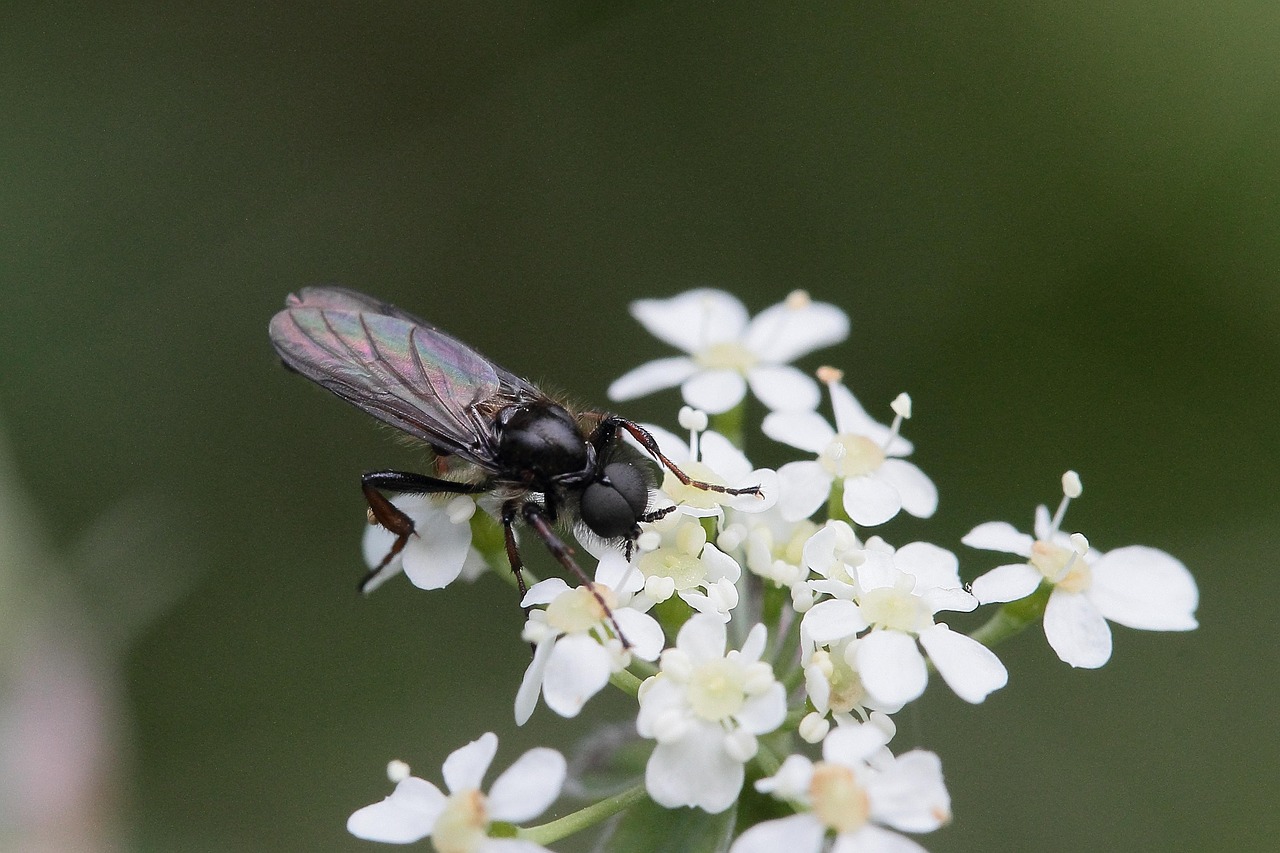
Fungus gnats are small, dark-colored flies that typically measure about 1/8 of an inch long. They are often mistaken for tiny mosquitoes due to their slender bodies and long, delicate legs. If you notice small, gray-black insects hovering near the surface of your potting soil or flying erratically around your houseplants, you are likely dealing with an infestation.
To distinguish them from other pests, look for these specific indicators:
- Flight Patterns: Unlike aphids, which remain stationary on leaves, fungus gnats are weak fliers that prefer hovering directly above the soil line.
- Soil Activity: If you disturb the top layer of soil and observe tiny flies suddenly taking flight, they are almost certainly fungus gnats.
- Lack of Webbing: If you see fine, silk-like webs between leaves or stems, you are likely dealing with spider mites, not gnats.
- Sticky Residue: Fungus gnats do not produce the sticky honeydew associated with scale insects or mealybugs.
The primary issue with fungus gnats is not just the nuisance of the adults; it is the life cycle occurring beneath the surface. The larvae live in the top one to two inches of moist potting mix. They feed primarily on decaying organic matter, such as peat moss or decomposing roots. If the infestation is severe, these larvae can chew through delicate root hairs, which may cause your plant to show signs of yellowing, wilting, or stunted growth despite regular watering.
Because they thrive in damp conditions, a sudden surge in gnat activity is often a clear signal that your soil is staying too wet for too long. Identifying them early is the most effective way to prevent root damage and stop the population from spreading to your other houseplants.
Immediate Steps for Elimination
The most effective way to eliminate a fungus gnat infestation is to disrupt their life cycle. Because these pests thrive in damp, decaying organic matter, your primary goal is to make the environment inhospitable for their larvae.
Start by letting the top two inches of your potting soil dry out completely between waterings. Fungus gnat larvae require consistent moisture to survive; by allowing the surface to desiccate, you effectively kill off the developing generation before they can mature into flying adults.
To address the adults currently buzzing around your home, use yellow sticky traps. These insects are naturally attracted to the color yellow, which they mistake for a food source or a place to lay eggs. Placing these traps horizontally near the soil surface is the most efficient method for capture.
Follow these steps to manage the population quickly:
- Check soil moisture: Before watering, insert your finger two inches deep into the soil. If it feels damp, wait another day or two.
- Deploy sticky traps: Place yellow adhesive cards directly on the soil surface or stake them just above the rim of the pot.
- Remove debris: Clear away any fallen leaves or decaying plant matter from the surface of the soil, as these provide the food source larvae need to thrive.
- Bottom water: If your plant allows, switch to bottom watering. This keeps the surface soil dry while ensuring the roots receive the hydration they need.
Consistency is vital. While these steps will significantly reduce the number of gnats within a week, you may need to maintain this routine for several weeks to ensure that any eggs already buried in the soil do not hatch and restart the cycle. Avoid the temptation to overwater even after you notice the population declining. Keeping the soil surface dry is your best long-term defense against a recurring infestation.

Natural Treatment Options
When dealing with a fungus gnat infestation, you do not need harsh chemicals to regain control. The most effective approach is to target the larvae living in the soil, which prevents the next generation of adults from emerging. Two highly effective, plant-safe methods involve treating your irrigation water.
Hydrogen Peroxide Solution
A diluted hydrogen peroxide mixture works by oxidizing the organic matter the larvae feed on and killing them on contact. To create this solution, mix one part 3% hydrogen peroxide with four parts water. Use this mixture to water your plants thoroughly until it runs out of the drainage holes. You may hear a slight fizzing sound; this is normal and indicates the solution is working. Repeat this process every time the top inch of soil dries out until the gnats disappear.
BTI (Bacillus thuringiensis israelensis)
For a more targeted biological control, use a mosquito dunk or granules containing BTI. This naturally occurring bacterium is toxic to gnat larvae but remains completely harmless to humans, pets, and your houseplants. Follow these steps for best results:
- Break off a small piece of a mosquito dunk and soak it in your watering can for several hours or overnight.
- Remove the remaining solid piece, as the water is now sufficiently infused with the active bacteria.
- Use this water for your regular plant care routine.
- Continue using BTI-treated water for at least three weeks to ensure you catch all larvae throughout their life cycle.
Regardless of which method you choose, safety remains a priority. Always wear gloves when handling concentrated hydrogen peroxide to prevent skin irritation. If you get any solution on your skin, wash the area thoroughly with soap and water immediately. By consistently treating the soil, you can interrupt the breeding cycle and successfully eliminate the gnat population without risking the health of your indoor garden.
Preventing Future Infestations
The most effective way to manage fungus gnats is to stop them before they establish a colony. Because these pests thrive in damp, stagnant environments, your primary defense is managing soil moisture and structure.
Improve Soil Drainage
Fungus gnats are drawn to waterlogged soil where organic matter begins to decay. To discourage them, ensure your plants are potted in high-quality, well-aerated mixes. Incorporating perlite, pumice, or horticultural grit into your potting medium increases drainage and allows oxygen to reach the roots, creating an environment that is less hospitable to larvae.
Master Your Watering Routine
Overwatering is the leading cause of gnat infestations. Always check the soil moisture before reaching for your watering can. A reliable rule of thumb is to let the top two inches of soil dry out completely between waterings. This creates a dry surface layer that makes it difficult for larvae to survive and discourages adults from seeking out your plant as a breeding ground.
Create a Physical Barrier
You can physically block adult gnats from accessing the soil to lay their eggs by adding a top-dressing. This simple step disrupts their life cycle significantly:
- Decorative Sand: Apply a half-inch layer of fine, horticultural-grade sand over the surface of the soil. Sand dries out very quickly, making it an inhospitable landing zone for adults.
- Fine Gravel or Decorative Stones: Similar to sand, a layer of small, clean pebbles prevents gnats from reaching the moist soil beneath.
Finally, always ensure your pots have adequate drainage holes. Never let your plants sit in a saucer of standing water, as this acts as a magnet for pests. By keeping the surface dry and ensuring the roots have plenty of air, you can keep your indoor garden healthy and gnat-free throughout the year.

Common Questions and Long-Term Care
If you have treated your plants but still notice fungus gnats fluttering about, it is time to take defensive action. Immediately isolate any infested plants by moving them to a separate room or a screened-off area. This prevents the pests from migrating to your healthy greenery and allows you to monitor the recovery process without risking a wider outbreak.
If your plants continue to wilt or show signs of stress despite your pest control efforts, inspect the root system. Fungus gnats thrive in overly damp soil, which is often a breeding ground for root rot. Gently remove the plant from its pot to examine the roots:
- Healthy roots are firm and typically white or light tan.
- Decaying roots appear mushy, dark brown, or black and often emit a foul odor.
If you discover rot, trim away the damaged portions using sharp, clean tools. Always sanitize your scissors or shears with rubbing alcohol or a diluted bleach solution before and after use. This practice is essential to prevent the accidental transmission of pathogens, fungi, or bacteria from one plant to another.
For long-term prevention, focus on soil management. Fungus gnats require moist organic matter to complete their life cycle. Allow the top two inches of soil to dry out completely between waterings, as this kills larvae and makes the environment inhospitable for future generations. Additionally, consider top-dressing your pots with a thin layer of horticultural sand or decorative gravel. This physical barrier prevents adult gnats from laying eggs in the soil surface.
Consistent care is your best defense. By maintaining proper drainage, avoiding overwatering, and keeping your gardening tools sterile, you create an environment where your plants can flourish without the interference of pests. If an infestation remains severe despite these steps, consider repotting the plant into fresh, high-quality potting mix and discarding the old, contaminated soil. Keeping your indoor garden clean and dry is the most effective strategy for lasting success.

Dedicated team of gardening enthusiasts with years of hands-on experience testing lawn mowers, gardening tools, and outdoor equipment. We help home gardeners and professionals alike make informed buying decisions with honest, thorough reviews. From push mowers to pruning shears, we test it all so you don’t have to. Got a gardening tool you’d like us to review? Get in touch!