
Fungus gnats are a common frustration for indoor gardeners, but they are manageable with the right approach. To rid plant gnats, you must target both the flying adults and the larvae living in the soil. By disrupting their life cycle through moisture control and targeted treatments, you can restore your indoor garden’s health quickly.
It is important to understand that these tiny pests thrive in damp, organic-rich soil, which is often a byproduct of overwatering. While they rarely kill established plants, a heavy infestation can damage delicate roots and become a major nuisance. Managing them requires patience, consistency, and a shift in your regular plant care routine.
This guide explains how to identify, eliminate, and prevent these persistent pests using safe, effective methods that protect your plants. We will walk you through simple DIY traps, soil amendments, and watering adjustments to ensure your home remains gnat-free. Follow these practical steps to regain control and keep your greenery thriving all year long.
Identify and Confirm a Fungus Gnat Infestation
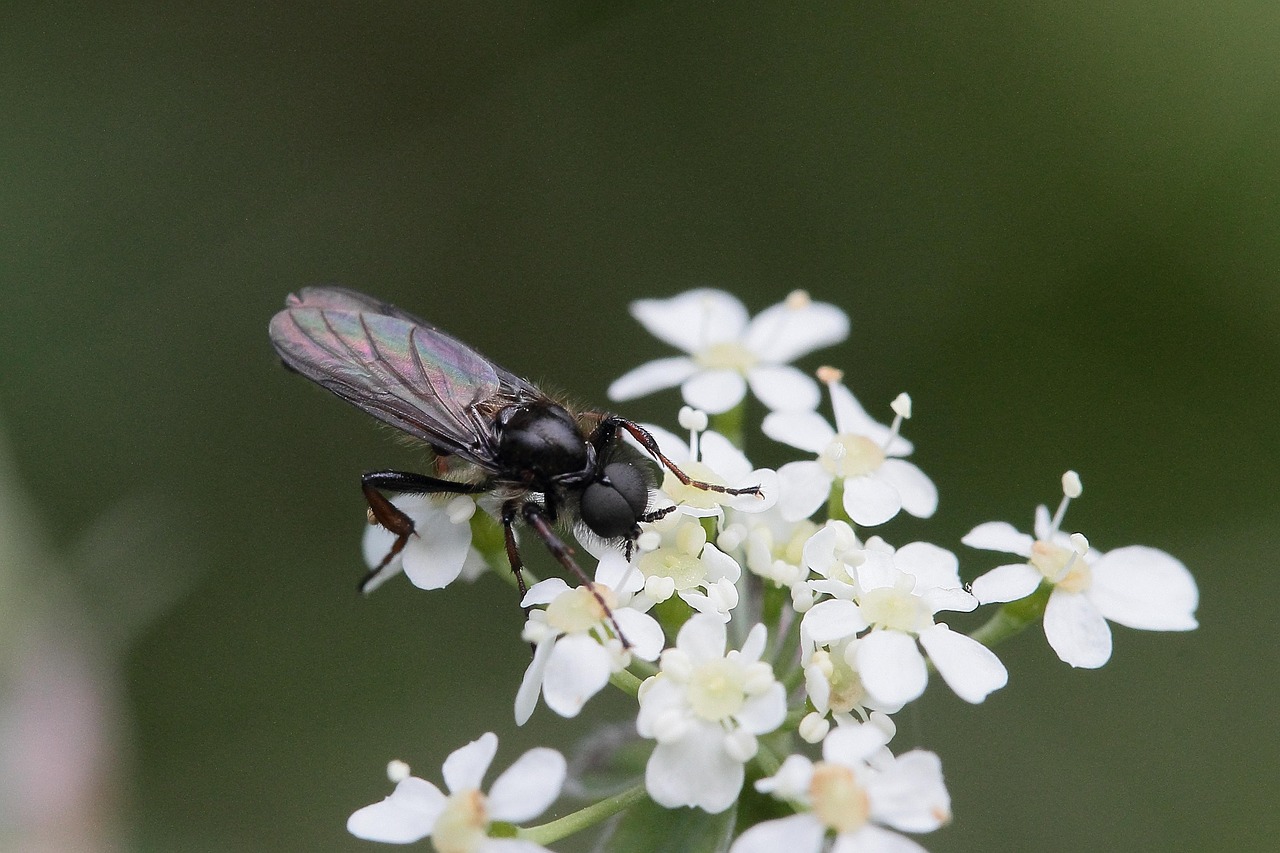
Before rushing into treatment, you must accurately identify the pest. Misidentifying insects can lead to ineffective remedies that stress your plants unnecessarily. Fungus gnats are small, delicate, mosquito-like flies that typically measure about 1/8 of an inch long. They are most commonly spotted hovering near the soil surface or resting on the lower leaves of your houseplants.
While the adults are annoying, the real damage occurs beneath the surface. Fungus gnat larvae reside in the top one to two inches of potting soil, where they feed on organic matter, fungi, and delicate root hairs. If you notice your plants wilting, yellowing, or showing stunted growth despite consistent care, a larval infestation may be the culprit.
To confirm their presence, perform these simple checks:
- The Soil Disturbance Test: Gently tap the rim of your plant pot. If fungus gnats are present, you will often see a small cloud of tiny black flies briefly take flight before settling back onto the soil.
- Yellow Sticky Trap Inspection: Place a yellow sticky card near the base of the plant. Fungus gnats are highly attracted to the color yellow. If you see numerous tiny black specs stuck to the card after 24 hours, you have confirmed an active population.
- Potato Slice Method: Place a small slice of raw potato on the surface of the soil and leave it overnight. The larvae are attracted to the moisture and starch. Lift the slice the following morning; if you see small, translucent, worm-like larvae with black heads crawling on the underside, you have a definitive infestation.
Focus your attention on the soil rather than the foliage. Fungus gnats thrive in consistently damp, nutrient-rich environments. By verifying that your pests are indeed fungus gnats, you can move forward with targeted, soil-focused treatments that effectively break their life cycle without harming your plants.
Immediate Steps to Reduce the Adult Gnat Population
If you notice tiny, dark flies hovering around your houseplants, you need to act quickly to stop the cycle of infestation. The most effective, non-toxic way to address the immediate problem is by using yellow sticky traps. These bright, adhesive cards mimic the visual cues that fungus gnats find attractive, luring them away from your plants and trapping them firmly on the surface.
Place these traps horizontally near the soil surface or vertically on small stakes directly in the pot. Because gnats spend much of their time near the damp soil where they breed, keeping the traps close to the base of the plant ensures you capture the maximum number of flying adults.
By removing these adults, you prevent female gnats from laying hundreds of new eggs in your potting mix. This is a critical step in breaking the reproductive cycle of the pest. While the traps will not kill the larvae already living in the soil, they are an essential tool for monitoring the infestation and stopping the next generation before it begins.
When dealing with these pests, keep the following safety guidelines in mind:
- Avoid using household aerosol sprays or harsh chemical insecticides. These substances can burn delicate foliage and may release toxic fumes that are harmful to pets and humans in enclosed indoor spaces.
- Check your traps every few days. Once a trap is covered in gnats, replace it with a fresh one to maintain its effectiveness.
- Ensure the trap does not touch the plant leaves, as the adhesive can damage the plant’s surface.
Consistency is key. While sticky traps are highly effective at reducing the visible population of adult gnats, they work best when paired with cultural changes, such as letting the top inch of your soil dry out completely between waterings. By combining physical traps with improved soil management, you can regain control of your indoor garden without relying on dangerous chemicals.

Treating the Soil to Eliminate Larvae
To truly eliminate a fungus gnat infestation, you must break their life cycle at the source: the soil. Adult gnats are merely a nuisance; the real damage occurs beneath the surface where larvae feed on organic matter and delicate plant roots. By focusing your treatment on the potting medium, you can stop the next generation before they reach maturity.
The most effective, chemical-free method to deter larvae is moisture management. Fungus gnat larvae require consistently damp conditions to survive and thrive. You can disrupt their environment by adjusting your watering habits:
- Allow the top two inches of your potting soil to dry out completely between waterings.
- Test the soil moisture by inserting your finger into the dirt; if it feels damp, wait another day or two before adding water.
- Ensure your pots have adequate drainage holes to prevent water from pooling at the bottom, which creates a breeding ground for pests.
If your infestation is persistent or the population is high, physical drying may not be enough. In these cases, introduce a biological control agent. The gold standard for home gardeners is Bacillus thuringiensis israelensis (BTI).
BTI is a naturally occurring bacterium that specifically targets the digestive systems of gnat larvae. It is highly effective and safe for your plants, pets, and household members. You can find BTI in liquid or granule form, often sold as “mosquito dunks” or specialized soil drenches. To use it, simply dissolve the product in your watering can according to the manufacturer’s instructions and water your plants as usual.
Consistency is key when using BTI. Because the bacterium only kills active larvae, you may need to repeat the treatment every time you water for three to four weeks. This ensures that any eggs hatching after your initial application are also neutralized. By combining a drier soil surface with targeted biological control, you will successfully interrupt the reproductive cycle and reclaim your houseplants from these persistent pests.
Safety and Best Practices for Plant Care
Prioritizing safety is essential when managing a plant gnat infestation. Gardening involves frequent contact with soil, fertilizers, and treatment products, all of which require careful handling to protect your health and your home environment.
Always wear durable gardening gloves before you begin working with potting mixes or applying treatments. Soil and organic fertilizers can harbor bacteria or contain additives that cause skin irritation. Gloves provide a necessary barrier, keeping your hands clean and preventing accidental exposure to concentrated neem oil, insecticidal soaps, or hydrogen peroxide solutions.
If your plant care routine involves pruning away foliage damaged by larvae, use the right equipment. Ensure your pruning shears or scissors are both sharp and sanitized. Dull blades create ragged, uneven cuts that take longer to heal, leaving your plant vulnerable to secondary infections or further pest stress. Wipe your tools with rubbing alcohol between plants to prevent the accidental spread of pathogens or gnat eggs.
Follow these essential safety habits to keep your home environment secure:
- Wash thoroughly: Always scrub your hands with soap and warm water immediately after handling soil or applying treatments, even if you wore gloves.
- Secure storage: Store all pesticides, fertilizers, and treatment solutions in their original containers. Keep them in a locked cabinet or on a high shelf, completely out of reach of children and pets.
- Read labels: Never mix different chemical treatments, as this can create hazardous reactions. Always follow the manufacturer’s instructions regarding application frequency and safety precautions.
- Ventilation: When applying sprays or powders, ensure the room is well-ventilated. Open windows or use a fan to prevent inhaling fine particles or concentrated fumes.
By treating your gardening tasks with the same caution you would use for other household maintenance, you ensure that your pest control efforts remain effective without compromising the safety of your living space. Consistent, careful habits protect both your indoor garden and the people and pets who share your home.

Preventing Future Infestations and When to Seek Help
The most effective way to stop fungus gnats from returning is to disrupt their life cycle by managing soil moisture. These pests thrive in damp, decaying organic matter, so your primary defense is to allow the top two inches of your potting mix to dry out completely between waterings. When the surface remains dry, adult gnats cannot lay their eggs, effectively breaking the cycle of infestation.
Improving your plant’s environment is equally critical. Ensure your pots have adequate drainage holes to prevent water from pooling at the bottom, which creates a breeding ground for larvae. If your current pots lack drainage, consider repotting into containers that allow excess water to escape freely.
You can also create a physical barrier to deter egg-laying:
- Apply a thin layer of decorative gravel, coarse sand, or horticultural grit to the surface of the soil.
- Ensure the layer is at least half an inch thick to prevent adult gnats from reaching the moist soil beneath.
- Avoid using fine sand, which may compact and retain too much moisture.
If you have consistently applied these measures and the infestation persists, the larvae may be deeply embedded in the root zone. In this case, the best course of action is to repot the plant entirely. Remove the old, contaminated soil, gently rinse the roots, and transplant the specimen into fresh, sterile potting mix. Always discard the old soil rather than reusing it.
Sometimes, an infestation is a symptom of a larger issue. If you notice signs of severe root rot, such as mushy, blackened roots, or if the plant continues to decline despite your best efforts, the damage may be too extensive to manage at home. In these instances, consult a local nursery professional. They can provide specialized advice on plant recovery, potential fungicide treatments, or help you determine if the plant is beyond saving. Taking proactive steps now will keep your indoor garden healthy and pest-free for the long term.

Dedicated team of gardening enthusiasts with years of hands-on experience testing lawn mowers, gardening tools, and outdoor equipment. We help home gardeners and professionals alike make informed buying decisions with honest, thorough reviews. From push mowers to pruning shears, we test it all so you don’t have to. Got a gardening tool you’d like us to review? Get in touch!