
Fungus gnats are a common frustration for indoor gardeners, often appearing as tiny black flies hovering around your soil. You can rid your home of these pests by interrupting their life cycle and drying out the growing medium. This guide explains how to identify the infestation and provides practical, step-by-step methods to eliminate them.
While seeing these annoying insects can be alarming, they rarely kill healthy, established plants unless the infestation is severe. Understanding that they thrive in consistently damp soil is the key to long-term control. By adjusting your watering habits and using simple household traps, you can successfully manage their population and protect your precious indoor greenery.
Our comprehensive approach covers everything from natural remedies like neem oil and hydrogen peroxide to effective physical barriers. We will walk you through the necessary steps to treat your soil, monitor for new activity, and prevent future outbreaks from occurring. Follow these proven techniques to restore your plant collection to a healthy, pest-free state today.
Identify and Assess the Infestation
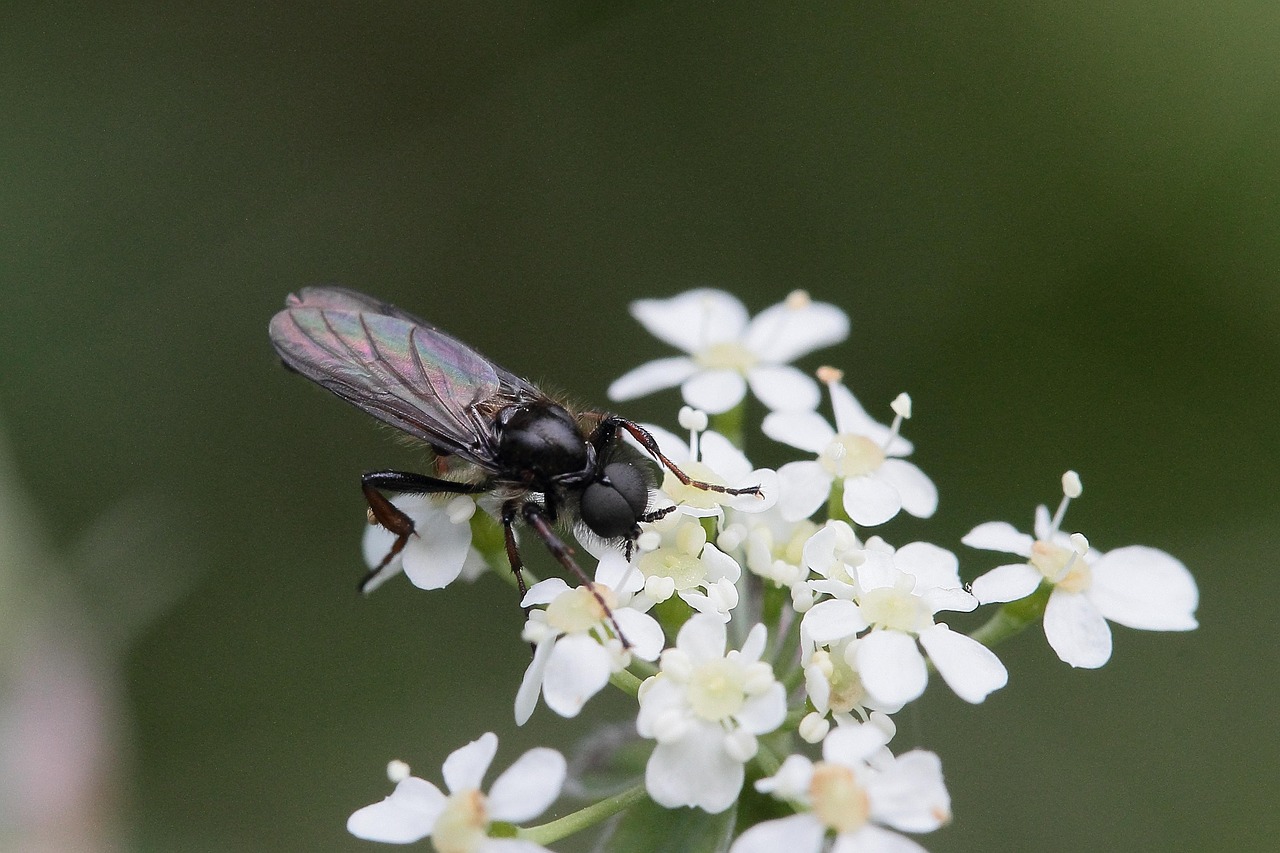
Before you begin any treatment, you must confirm that you are dealing with fungus gnats rather than other common houseplant pests like whiteflies or spider mites. Fungus gnats are small, dark-colored flies that thrive in moist, nutrient-rich soil. While the adults are primarily a nuisance, it is the larvae living within the soil that feed on decaying organic matter and delicate root hairs, potentially damaging your plants.
To identify an infestation, start with these simple diagnostic steps:
- The Tap Test: Gently tap the side of your plant pots. If fungus gnats are present, you will see tiny, mosquito-like flies take flight briefly before landing back on the soil or nearby foliage.
- Visual Inspection: Use a magnifying glass to examine the top inch of potting mix. Fungus gnat larvae are small, translucent, and have distinct black heads. They often move quickly when disturbed.
- Yellow Sticky Trap Check: Place a yellow sticky trap near the base of the plant. Fungus gnats are highly attracted to the color yellow; if they are stuck to the card within 24 hours, you have confirmation of the pest.
Beyond spotting the insects, observe the overall health of your plant. Because the larvae feed on root systems, a severe infestation often manifests through visible stress. Watch for these warning signs:
- Sudden, unexplained yellowing of lower leaves.
- Drooping or wilting despite the soil feeling moist.
- Stunted growth or a general lack of vigor in a plant that was previously thriving.
It is important to note that fungus gnats flourish in consistently damp conditions. If you notice a swarm, check your watering habits immediately. Overwatering is the most common catalyst for these pests, as soggy soil creates the perfect breeding ground for larvae. By identifying the infestation early and assessing the moisture levels in your pots, you can stop the lifecycle before it spreads to your entire indoor garden.
Immediate Control Methods
The most effective way to eliminate a fungus gnat infestation is to disrupt their life cycle. Because these pests thrive in damp, decaying organic matter, your first line of defense is moisture control. Allow the top two inches of your potting soil to dry out completely between waterings. This creates a hostile environment for the larvae, which require consistent moisture to survive and develop into adults.
While you manage soil moisture, you must also address the flying adults to prevent further egg-laying. Place yellow sticky traps near the base of your plants. Fungus gnats are naturally attracted to the color yellow, and these traps will effectively capture the adults, helping to break the reproductive cycle quickly.
For a more direct approach to eliminating the larvae currently living in your soil, consider these safe and targeted treatments:
- Hydrogen Peroxide Solution: Mix one part 3% hydrogen peroxide with four parts water. Pour this mixture into the soil until it is thoroughly saturated. The peroxide will kill larvae on contact and break down into harmless water and oxygen, posing no risk to your plant’s roots.
- BTI (Bacillus thuringiensis israelensis): This is a highly effective biological control. BTI is a naturally occurring bacterium that specifically targets the larvae of gnats and mosquitoes without harming pets, humans, or the plants themselves. You can find BTI in the form of “mosquito dunks” or granules; simply soak a piece of the dunk in your watering can or sprinkle the granules onto the soil surface.
Consistency is key when using these methods. Because eggs may remain dormant in the soil, continue your drying schedule and trap maintenance for at least two to three weeks. By combining these physical barriers with targeted biological treatments, you can clear your indoor garden of gnats and prevent them from returning. Always monitor your plants closely during this period to ensure you are catching any late-hatching larvae before they reach maturity.

Preventative Cultural Practices
The most effective way to eliminate fungus gnats is to disrupt their breeding cycle. Fungus gnat larvae thrive in moist, nutrient-rich soil, specifically in the top one to two inches of the potting medium. By altering your cultural practices, you can make your houseplants an inhospitable environment for these pests.
The most impactful change you can make is switching to bottom-watering. Instead of pouring water onto the soil surface, place your pot in a basin or saucer filled with water for 15 to 20 minutes. This allows the roots to absorb moisture from below while keeping the top layer of soil dry. Since adult gnats require damp surface soil to lay their eggs, this simple shift significantly reduces their ability to reproduce.
Beyond watering techniques, ensure your plants are set up for success with these practical steps:
- Check for Drainage: Always use pots with adequate drainage holes. Standing water at the bottom of a container leads to root rot and creates the perfect damp conditions gnats love.
- Use Fully Decomposed Matter: If you use compost or organic fertilizers, ensure they are completely broken down. Fresh, raw organic matter releases odors that attract adult gnats to your plants.
- Create a Physical Barrier: Add a half-inch layer of coarse sand, horticultural grit, or decorative gravel to the top of your soil. This acts as a dry, abrasive barrier that prevents adult gnats from reaching the soil to lay eggs and stops emerging larvae from breaking through to the surface.
Finally, avoid over-fertilizing your plants. Excess nutrients can encourage rapid growth that may attract pests, and some organic fertilizers provide a food source for larvae. By keeping the top layer of your soil dry and ensuring excellent drainage, you create a hostile environment for gnats, forcing them to move on or perish. Consistent application of these preventative measures will keep your indoor garden healthy and pest-free throughout the year.
Safety and Handling Precautions
When addressing a fungus gnat infestation, your safety and the safety of your household must come first. Before handling soil or mixing potting amendments, always wear gardening gloves. This simple barrier protects your skin from potential irritants, soil-borne bacteria, and the fine particulates often found in peat or coco coir that can cause dryness or minor abrasions.
If your treatment plan involves applying neem oil, insecticidal soaps, or other horticultural sprays, choose your workspace carefully. Always work in a well-ventilated area, such as a porch, garage with the door open, or outdoors. Proper airflow prevents the inhalation of aerosolized particles or concentrated odors, which can trigger respiratory irritation or headaches.
Follow these essential protocols to maintain a safe home environment while treating your plants:
- Keep original labels: Never transfer gardening chemicals into unmarked bottles. The original containers contain vital safety instructions, ingredient lists, and emergency contact information.
- Secure storage: Store all pesticides, soaps, and concentrated oils in a locked cabinet or high shelf. Ensure they are completely inaccessible to children and curious pets.
- Post-application hygiene: Once you have finished treating your plants, wash your hands and forearms thoroughly with warm, soapy water. Avoid touching your face or eyes until your hands are completely clean.
- Equipment cleanup: Rinse any sprayers or mixing tools immediately after use. This prevents chemical residue from building up or degrading the plastic components of your tools.
If you are using systemic granules or soil drenches, read the manufacturer’s label specifically for “re-entry intervals.” This indicates how long you should keep pets or children away from the treated plant. By treating these products with the same caution you would use for any household cleaning agent, you can effectively eliminate gnats without compromising the health and safety of your family. If you experience any skin reaction or respiratory discomfort during the application process, discontinue use immediately and move to fresh air.

Follow-up Care and When to Seek Help
After you have applied your initial treatment, your work is not quite finished. Monitor your plants closely for two to three weeks. Fungus gnat life cycles can be tricky, and even if you eliminate the adults, larvae may still be maturing in the soil. Consistent observation is the best way to ensure no new generations emerge to restart the cycle.
Continue practicing proper watering habits during this observation period. Allow the top two inches of soil to dry out completely between waterings. This creates a hostile environment for larvae, which thrive in consistently damp conditions. If you notice any new activity, reapply your chosen treatment immediately to break the lifecycle.
If an infestation persists despite your best efforts, it is time to take more drastic action. The larvae live in the soil, and sometimes the medium itself becomes too infested to save. In these cases, you should repot the plant:
- Gently remove the plant from its current pot.
- Rinse the roots thoroughly under lukewarm water to wash away old, contaminated soil.
- Discard the old soil in an outdoor bin, away from your other houseplants.
- Repot using fresh, sterile potting mix in a clean container.
If you are dealing with a massive outbreak that has spread across many of your plants, do not feel discouraged. Sometimes, the population density becomes too high for household remedies to manage alone. In these instances, consult a local nursery professional.
Experts at your local garden center can provide advice on specialized systemic soil treatments. These products are designed to protect the plant from within and are often more effective for severe, widespread infestations. When seeking professional help, bring a leaf sample or a photo of the affected soil to help them identify the severity of the issue. With patience and the right strategy, you can restore your indoor garden to health and keep your plants thriving pest-free.

Dedicated team of gardening enthusiasts with years of hands-on experience testing lawn mowers, gardening tools, and outdoor equipment. We help home gardeners and professionals alike make informed buying decisions with honest, thorough reviews. From push mowers to pruning shears, we test it all so you don’t have to. Got a gardening tool you’d like us to review? Get in touch!