
To reduce gnats in your home garden, you must stop overwatering and allow the top two inches of soil to dry out completely. These common pests thrive in moist environments, so controlling soil humidity is the most effective way to eliminate their breeding grounds and protect your precious indoor plants.
While seeing tiny flies buzzing around your houseplants is frustrating, it is important to remember that most fungus gnats are more of a nuisance than a lethal threat. Complete eradication requires patience, as you must target both the flying adults and the larvae hidden within the soil to see lasting results.
Discover practical, science-backed methods to identify and eliminate fungus gnats from your indoor garden. This guide focuses on breaking the gnat life cycle using safe, household-friendly techniques to restore your plant health. Follow these simple steps to regain control of your indoor oasis and keep your foliage thriving and pest-free.

Identify and Confirm a Fungus Gnat Infestation
Before you begin treatment, you must confirm that the insects hovering around your houseplants are indeed fungus gnats. Many beneficial insects, such as springtails or soil mites, can inhabit potting mix without causing harm. Misidentifying these pests can lead to unnecessary chemical use that may damage your plant’s health.
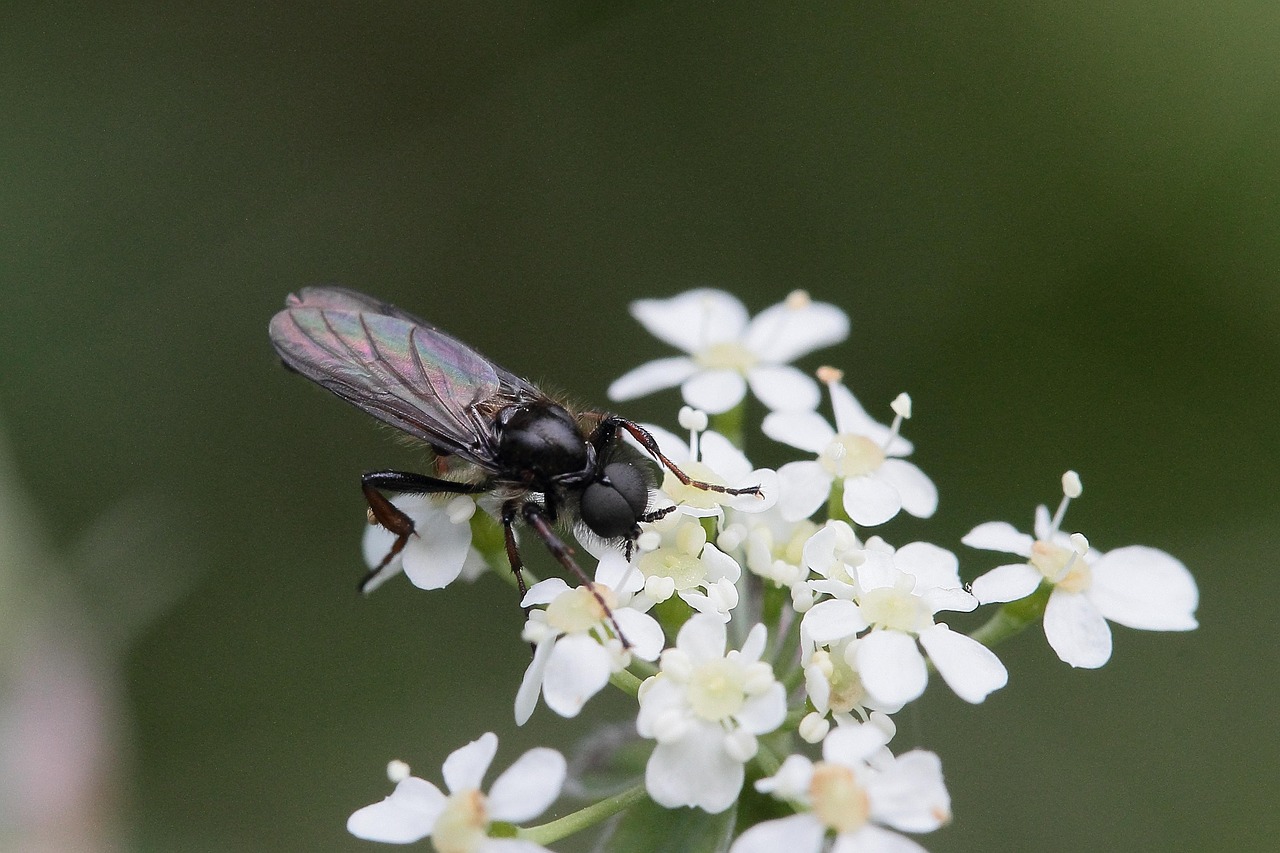
Fungus gnats are small, delicate flies, typically measuring about 1/8 of an inch long. They are dark in color and possess long, spindly legs. You will most often spot them flying erratically near the soil surface or resting on the leaves of your plants. Unlike fruit flies, which are attracted to rotting produce, fungus gnats are drawn specifically to moist, organic-rich potting soil.
To confirm an infestation, observe your plants closely using these methods:
- The Hover Test: Gently tap the rim of your plant container. If gnats are present, you will see a small cloud of them immediately take flight before settling back into the soil.
- Yellow Sticky Traps: Place a yellow sticky card near the soil level. Fungus gnats are highly attracted to the color yellow. If you find several small, dark insects stuck to the card within 24 hours, you have an active infestation.
- Larval Inspection: The actual damage occurs below the surface. Fungus gnat larvae are tiny, translucent, worm-like creatures with distinct black heads. They live in the top inch of potting mix, feeding on decaying organic matter, fungi, and delicate plant roots. If you scrape back the top layer of soil, you may spot them moving through damp debris.
If you see these flies but cannot find larvae, your soil may simply be too damp. Fungus gnats thrive in constantly wet conditions, which encourage fungal growth—their primary food source. Identifying them early is the most effective way to prevent them from damaging your plant’s root system. Once confirmed, you can shift your focus toward drying out the soil and breaking the insects’ life cycle.
Stop Overwatering to Disrupt the Life Cycle
Fungus gnats thrive in damp, organic-rich environments. Their entire life cycle—from egg to larva to adult—is inextricably linked to moisture. If your potting soil remains consistently wet, you are essentially providing a nursery for these pests. Adult gnats seek out moist soil to lay their eggs, and the resulting larvae feed on decaying organic matter and root hairs within that damp medium.
To disrupt this cycle, you must make your plants less hospitable. The most effective way to do this is to master the art of drying out your soil. When the top layer of soil stays wet, the larvae have everything they need to survive. By allowing the soil to dry, you create a hostile environment that kills existing larvae and discourages adults from depositing new eggs.
Follow these steps to safely manage soil moisture:
- The Finger Test: Before adding water, insert your index finger into the soil up to the second knuckle (about two inches deep). If you feel any moisture, wait a few more days before watering.
- Prioritize Drainage: Ensure every pot has functional drainage holes. Never let your plant sit in a saucer filled with excess runoff, as this creates a reservoir that keeps the bottom of the soil saturated.
- Adjust Your Schedule: Plant water needs change with the seasons. During winter, plants grow slower and require significantly less water. Do not stick to a rigid calendar; water only when the plant actually needs it.
- Use Top Dressing: Adding a thin layer of decorative sand or fine gravel to the surface of the soil can help the top layer dry out faster while physically preventing adult gnats from reaching the soil to lay eggs.
By shifting your focus from a set watering schedule to a “dry-first” approach, you effectively starve the larvae of the moisture they require to reach maturity. With patience and consistent monitoring, you can break the infestation cycle without relying on harsh chemical pesticides.

Implement Physical Barriers and Traps
Interrupting the fungus gnat life cycle requires a two-pronged approach: catching the active adults and preventing new eggs from being laid. By combining physical traps with surface barriers, you can quickly reduce the population without relying on harsh chemicals.
Use Yellow Sticky Traps
Fungus gnats are naturally attracted to the color yellow, which they perceive as a food source or a place to congregate. Placing yellow sticky traps near the base of your plants is the most effective way to monitor and reduce the adult population.
- Place traps horizontally near the soil surface or vertically on a small stake.
- Replace the traps once they are covered in insects to maintain their effectiveness.
- While these traps will not eliminate every gnat, they significantly break the breeding cycle by removing adults before they can mate and lay hundreds of new eggs.
Create a Physical Soil Barrier
Adult gnats look for moist, organic-rich soil to deposit their eggs. You can prevent this by changing the environment at the soil surface. Adding a top-dressing creates a dry, abrasive layer that adults find inhospitable for egg-laying.
To implement this barrier, remove any fallen leaves or decaying organic matter from the top of your pots. Then, apply a half-inch layer of one of the following materials:
- Horticultural sand: A fine, clean sand that dries out quickly, making it difficult for gnats to navigate or penetrate.
- Fine gravel or decorative pebbles: These create a rocky surface that prevents adults from reaching the moist soil beneath.
- Perlite: While lightweight, a thick layer of perlite can also serve as a barrier, though it is less effective than sand or gravel.
By keeping the surface dry and trapping the flyers, you create a hostile environment for the gnats while your plants continue to thrive. Consistent use of these methods for two to three weeks will typically bring an infestation under control.
Apply Natural Biological Controls
When dealing with a persistent fungus gnat infestation, chemical pesticides are often unnecessary and potentially harmful. Instead, the most effective long-term solution is Bacillus thuringiensis israelensis, commonly known as BTI. This naturally occurring bacterium specifically targets the larvae of fungus gnats and mosquitoes without harming humans, pets, or your houseplants.
BTI works by producing proteins that are toxic only to the larvae of these specific pests. Once the larvae ingest the bacteria, they stop feeding and die within hours. Because BTI only impacts the larval stage, you must continue the treatment for several weeks to break the gnat’s life cycle completely.
You can find BTI in several convenient forms, such as “mosquito dunks” or “mosquito bits.” To use them effectively, follow these steps:
- For dunks: Soak a piece of a dunk in your watering can for several hours or overnight. Use this treated water for all your regular plant irrigation.
- For bits: Sprinkle the granules directly onto the top layer of your potting soil, then water thoroughly so the bacteria reach the larvae living in the root zone.
While BTI is highly safe, it remains a biological agent that requires responsible handling. Always store products in their original packaging, clearly labeled, and kept in a secure location completely out of reach of children and household pets.
Precision is essential for success. Always read the manufacturer’s label carefully to determine the correct dilution ratio for your specific container size. Using too little may allow the infestation to persist, while using too much is a waste of resources. By consistently applying BTI during every watering session for at least three weeks, you will effectively eliminate the gnat population at the source.
If you have a severe infestation, combine this biological control with yellow sticky traps to capture the flying adult gnats. This two-pronged approach ensures that you are removing the current generation while preventing the next one from ever reaching maturity.
Follow-Up Care and When to Seek Professional Advice
Even after a successful treatment, vigilance is your best defense against recurring fungus gnat infestations. These pests thrive in moist environments, so continue to allow the top two inches of your soil to dry out completely between waterings. This simple habit disrupts the gnat life cycle by preventing larvae from maturing in damp organic matter.
A frequent source of re-infestation is the introduction of new plants. Before bringing any new addition into your home, inspect the soil surface for movement and check the drainage holes. It is often wise to keep new plants in a separate quarantine area for two weeks to ensure they are not harboring hidden eggs or larvae.
If you notice gnats returning despite consistent care, your current potting medium may be compromised. In such cases, repotting is the most effective long-term solution:
- Remove the plant from its container and gently wash the root system to remove old, infested soil.
- Discard the old soil entirely; do not reuse it for other houseplants.
- Repot the plant using fresh, high-quality, sterile potting mix.
- Ensure the new pot has adequate drainage holes to prevent future waterlogging.
Sometimes, despite your best efforts, an infestation can become overwhelming or persistent. If you have replaced the soil, adjusted your watering habits, and utilized sticky traps for several weeks without seeing a significant reduction in the gnat population, it is time to seek expert guidance. Local nursery professionals are invaluable resources in these situations. They can help identify if you are dealing with a particularly resilient strain of fungus gnats or if other environmental factors, such as high household humidity or improper light levels, are contributing to the problem.
When visiting a nursery, bring a sample of the affected soil or a clear photo of the plant. A professional can recommend region-specific biological controls or specialized treatments that are safe for your home environment. Remember, consistent care is a marathon, not a sprint, and there is no shame in asking for help to protect your indoor garden.

Dedicated team of gardening enthusiasts with years of hands-on experience testing lawn mowers, gardening tools, and outdoor equipment. We help home gardeners and professionals alike make informed buying decisions with honest, thorough reviews. From push mowers to pruning shears, we test it all so you don’t have to. Got a gardening tool you’d like us to review? Get in touch!