
Fungus gnats are a common frustration for indoor plant enthusiasts, but they are easily preventable with the right habits. To stop these annoying pests, you must primarily focus on drying out the top layer of your potting soil between waterings. By disrupting their moist breeding environment, you can quickly eliminate their population and protect your greenery.
While these tiny insects are mostly a nuisance, they can damage delicate root systems if left unchecked for too long. It is important to understand that complete eradication requires consistency rather than a single quick fix. Establishing a routine that prioritizes soil health is the most effective way to maintain a thriving, pest-free indoor jungle all year round.
This guide explains how to break the gnat life cycle by adjusting your watering routine and improving soil management to keep your plants healthy. We will cover practical tips, from using physical barriers to selecting the best drainage solutions for your pots. Follow these expert steps to reclaim your home garden and ensure your favorite houseplants remain vibrant and completely gnat-free.
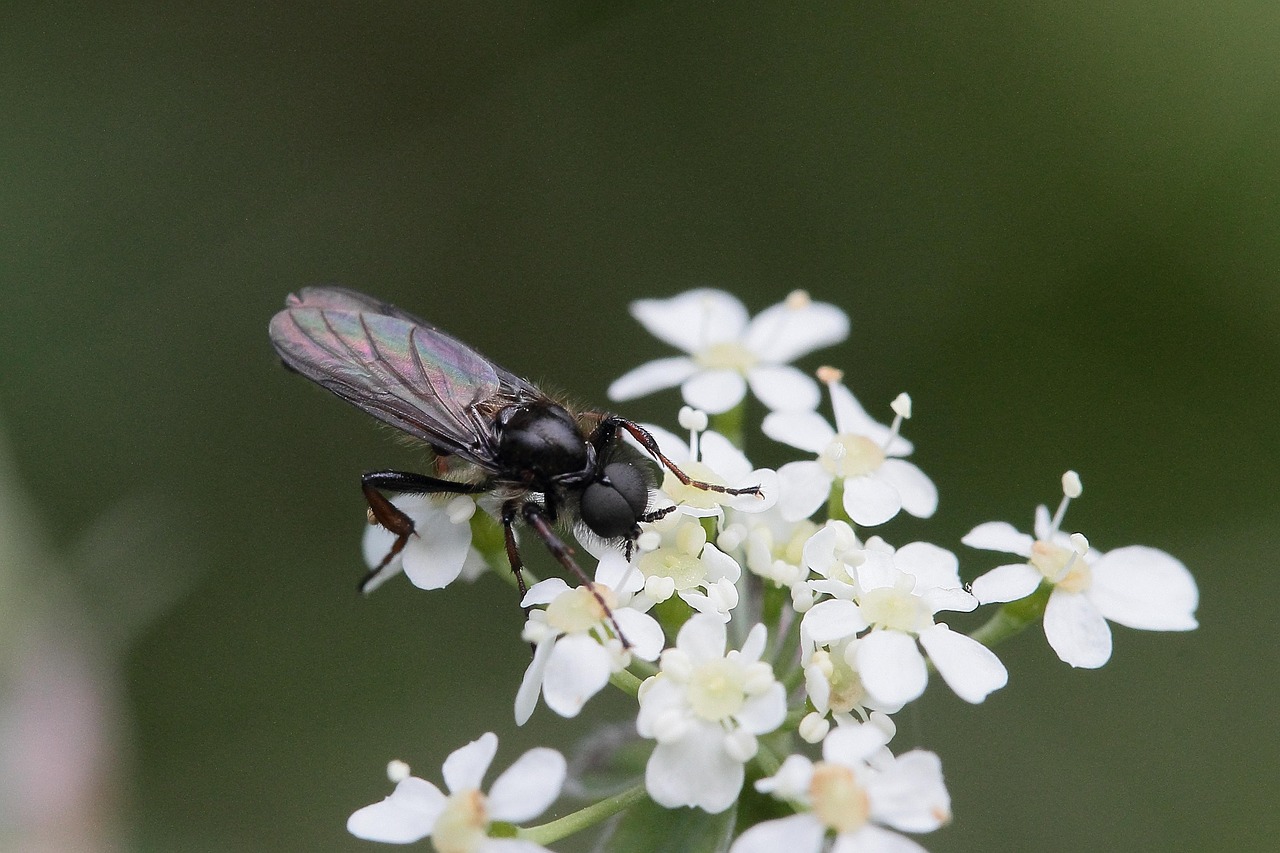
Understand Why Fungus Gnats Appear
Fungus gnats are more than just a fleeting annoyance hovering around your houseplants; they are a sign that your potting environment has become an ideal nursery for their lifecycle. Understanding why they appear is the first step toward reclaiming your indoor garden.
These pests are primarily attracted to moist, organic-rich soil. Adult gnats are weak fliers that do not bite or damage foliage, but they are driven by a biological imperative to lay their eggs in damp, nutrient-dense substrates. Once an adult finds a suitable pot, it can deposit hundreds of eggs, which hatch into translucent, black-headed larvae within days.
While the adults are a nuisance, the larvae are the true concern for plant health. They thrive in the top inch or two of potting soil, feeding on decaying organic matter, fungi, and—when populations are high—your plant’s delicate root hairs. This root damage can lead to:
- Stunted growth or yellowing leaves.
- Increased susceptibility to root rot.
- General plant decline due to weakened nutrient uptake.
Prevention begins with recognizing the specific conditions that invite an infestation. Fungus gnats flourish in environments that remain consistently soggy, as this promotes the growth of the fungi and algae that larvae consume. If your plants are constantly sitting in water or the soil surface never has a chance to dry out, you are inadvertently creating a perfect habitat for these pests.
To stop the cycle, you must disrupt these conditions. Focus on improving soil drainage and allowing the top layer of your potting mix to dry out completely between waterings. By making the soil surface inhospitable to egg-laying females and larvae, you significantly reduce the likelihood of a recurring problem. Remember, a healthy plant starts with a balanced environment; by managing moisture levels and soil quality, you take away the very things that fungus gnats need to survive.
Master Proper Watering Techniques
The most effective way to eliminate fungus gnats is to disrupt their reproductive cycle by mastering your watering routine. Adult gnats are attracted to moist, organic-rich soil, where they lay their eggs. When the top layer of your potting mix remains constantly damp, it provides the perfect nursery for larvae to thrive and feed on decaying matter and tender roots.
To break this cycle, you must allow the top one to two inches of soil to dry out completely between waterings. This dry barrier makes the surface inhospitable for adult gnats looking to deposit eggs and often causes existing larvae near the surface to perish.
Before adding more water, perform a simple check: insert your finger into the soil up to the second knuckle. If you feel moisture, wait another day or two. If the soil feels crumbly and dry, it is safe to water.
For those struggling with persistent infestations, consider switching to bottom-watering. This technique keeps the surface of your soil dry while ensuring the root system stays hydrated. Follow these steps for success:
- Place your nursery pot (which must have drainage holes) into a clean basin or tray.
- Fill the basin with a few inches of room-temperature water.
- Allow the plant to sit for 15 to 20 minutes, or until the top of the soil begins to feel slightly damp to the touch.
- Remove the pot and let it drain thoroughly before placing it back on its saucer.
By keeping the surface layer consistently dry, you effectively lock out gnats while still providing the hydration your plant needs to grow. Remember that most indoor plants suffer more from overwatering than underwatering. When in doubt, err on the side of caution and wait an extra day. This simple adjustment is often the only intervention required to stop a gnat population from taking hold in your home.

Improve Soil Drainage and Airflow
Fungus gnats thrive in consistently damp, stagnant soil. By improving drainage and airflow, you create an environment that is inhospitable to these pests, forcing them to look elsewhere for a place to lay their eggs.
The first step is ensuring your containers are functional. Every pot must have adequate drainage holes at the bottom. Without them, water pools at the base, creating a soggy “bathtub” effect that keeps the root zone perpetually saturated. If you use decorative pots without holes, always keep your plant in a plastic nursery liner and empty the excess water from the decorative outer pot immediately after watering.
Next, evaluate the composition of your potting mix. Standard peat-based soils often hold too much moisture for long periods. You can improve aeration and drainage by amending your soil with coarse materials. Aim for a mix that feels light and airy rather than dense or muddy.
Incorporate these amendments to increase porosity:
- Perlite: Lightweight volcanic glass that creates air pockets for roots.
- Pumice: A durable, porous rock that improves drainage without breaking down over time.
- Horticultural Sand: Adds grit to the mix, though ensure it is coarse; fine builder’s sand can actually compact the soil.
Finally, focus on the environment surrounding your plant. Good air circulation is essential for surface health. When air moves freely around the foliage and across the surface of the soil, moisture evaporates much faster. This prevents the top layer of substrate from remaining damp for days on end, which is the primary breeding ground for gnats.
If your indoor space feels stagnant, consider placing a small oscillating fan nearby on a low setting. You do not need a direct breeze, but gentle movement of the air will significantly speed up the drying process. By keeping the top inch of soil dry, you effectively break the gnat life cycle, as the larvae require constant moisture to survive and develop.
Implement Physical Barriers and Maintenance
One of the most effective ways to stop a fungus gnat infestation is to disrupt the insect’s life cycle by physically blocking access to the soil. Adult gnats require moist organic matter to lay their eggs. By creating a dry, impenetrable barrier on the surface of your potting mix, you prevent them from reaching the soil to deposit new larvae.
To implement this, apply a layer of inorganic material to the top of your pots. Materials such as horticultural sand, decorative gravel, or fine aquarium stones work exceptionally well. Aim for a layer approximately one-half inch thick. Because these materials do not hold moisture like peat or coco coir, the surface remains dry and inhospitable to gnats, even while the roots below receive the water they need.
When working with potting media, prioritize your health and safety by following these essential precautions:
- Wear a dust mask: Dry potting soil often contains fungal spores, perlite dust, and fine particles that can irritate your respiratory system when inhaled. Always wear a well-fitted mask when pouring or mixing soil.
- Use gardening gloves: Protect your skin from potential irritants found in concentrated fertilizers or sharp debris like wood chips and perlite shards. Gloves also prevent the transfer of bacteria if you are working with compost-heavy mixes.
- Work in a ventilated area: Whenever possible, handle soil outdoors or in a well-ventilated garage to minimize the concentration of airborne particles.
Before applying your chosen top dressing, ensure the soil surface is relatively level. If you are repotting a plant, leave enough space at the top of the container—often called “headroom”—to accommodate the gravel layer without causing water to overflow during irrigation. This simple physical modification is a low-maintenance, chemical-free strategy that keeps your indoor garden looking tidy while actively deterring pests. By combining this barrier with a consistent watering schedule that allows the top inch of soil to dry out, you create an environment where fungus gnats simply cannot thrive.

Monitoring and When to Seek Help
The first step in controlling fungus gnats is early detection. Adult gnats are primarily a nuisance, but they serve as a critical warning sign that your soil is too damp or harboring larvae. Placing yellow sticky traps near the base of your plants is the most effective way to monitor activity. These traps attract adult gnats, helping you gauge the severity of the infestation and identify which plants are most affected.
If you notice a sudden spike in trapped insects, you may wonder if immediate repotting is necessary. While it is tempting to replace all your soil, this can stress an already struggling plant. Instead, focus on drying out the top two inches of soil, as larvae cannot survive in dry conditions. Only repot if you suspect the original soil has completely broken down or if the plant is showing signs of distress from poor drainage.
Managing an infestation requires patience. Follow these steps to assess your situation:
- Check your traps weekly to see if the adult population is declining.
- Adjust your watering schedule to allow the soil to dry out between sessions.
- Remove any decaying leaves or debris from the soil surface, as these attract egg-laying adults.
Sometimes, despite your best efforts, a plant continues to struggle. If you notice persistent wilting, yellowing leaves, or a foul odor coming from the pot, you may be dealing with root rot. Fungus gnats thrive in the decaying organic matter caused by rotting roots, making the infestation difficult to clear without addressing the underlying health of the plant.
If your plant fails to thrive after you have corrected your watering habits and managed the adult gnats, do not hesitate to seek help. A local nursery expert or a professional horticulturist can provide a diagnosis that online resources cannot. They can inspect the root system for damage and recommend specialized treatments, such as beneficial nematodes or soil drenches, to save your plant before the damage becomes irreversible.

Dedicated team of gardening enthusiasts with years of hands-on experience testing lawn mowers, gardening tools, and outdoor equipment. We help home gardeners and professionals alike make informed buying decisions with honest, thorough reviews. From push mowers to pruning shears, we test it all so you don’t have to. Got a gardening tool you’d like us to review? Get in touch!