
Fungus gnats are a common frustration for indoor gardeners, but they are entirely preventable with the right soil management and watering habits. This guide explains why these pests appear and how to keep your houseplants gnat-free by addressing the root causes of their infestation through simple, proactive adjustments to your daily plant care routine.
While seeing tiny flies buzzing around your greenery is annoying, it is important to understand that they are usually a sign of overly damp conditions rather than a plant health crisis. By learning to identify the specific environments that attract these insects, you can take control of your indoor garden and stop infestations before they start.
In the following sections, we will explore practical strategies for maintaining healthy soil moisture and effective drainage. You will learn how to adjust your watering schedule, choose the right potting mixes, and implement physical barriers to deter gnats permanently. Follow these expert-backed tips to ensure your favorite indoor plants remain vibrant, healthy, and completely pest-free.
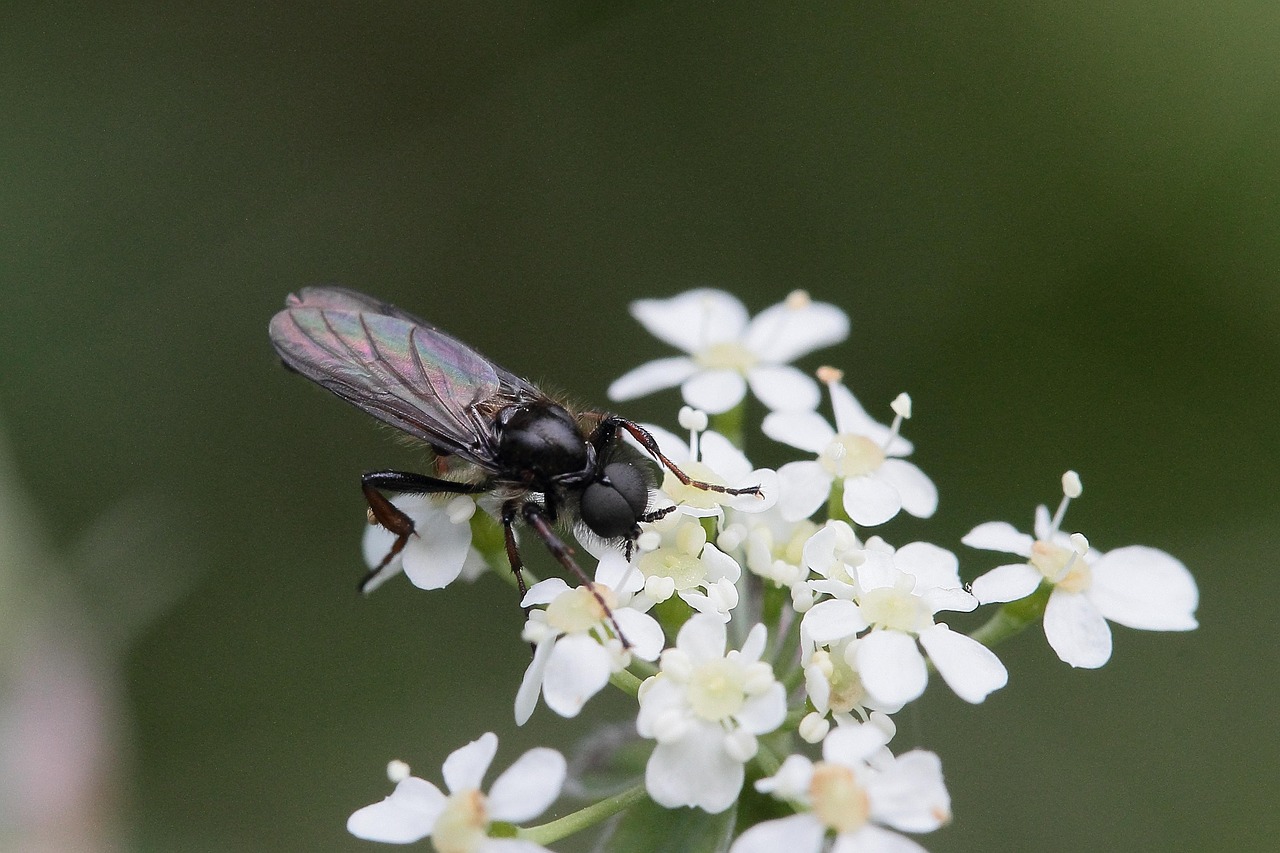
Understanding Why Gnats Invade Your Plants
Fungus gnats are more than just a fleeting annoyance hovering around your houseplants. To effectively eliminate them, you must first understand what attracts them to your indoor garden. These pests are primarily drawn to moist, organic-rich soil, which serves as the perfect nursery for their life cycle.
When you overwater your plants, you create a damp environment that encourages the growth of fungi and algae. Adult gnats seek out this moist topsoil to lay hundreds of eggs. While the flying adults do not bite or damage your plants directly, they are a clear signal that your soil management needs adjustment.
The real damage happens beneath the surface. Once the eggs hatch, the larvae begin to feed. Their diet consists of two main things:
- Fungal spores and decaying organic matter present in the soil.
- The delicate root hairs of your houseplants, especially when other food sources are scarce.
When larvae feed on root hairs, they compromise the plant’s ability to absorb water and essential nutrients. This root damage often manifests as yellowing leaves, stunted growth, or a sudden decline in plant health that is otherwise unexplainable. If left unchecked, a significant infestation can stress even the most resilient indoor plants, making them more susceptible to disease and secondary infections.
The key to stopping the cycle is breaking the environment they rely on. Because gnats require consistently wet soil to thrive, the most effective preventative measure is allowing the top one to two inches of soil to dry out completely between waterings. This simple change in your routine makes the growing medium inhospitable for larvae and prevents adults from successfully laying new eggs.
By shifting your focus from the visible adults to the hidden larvae, you can regain control of your indoor garden. Consistently monitoring your soil moisture is the most practical step you can take to ensure your plants remain healthy, vibrant, and free from these persistent pests.
Mastering Proper Watering Techniques
The most effective way to eliminate fungus gnats is to disrupt their life cycle by managing soil moisture. Fungus gnats thrive in consistently damp, organic-rich environments, where they lay their eggs in the top layer of soil. By allowing your potting medium to dry out properly, you create an inhospitable habitat that prevents larvae from surviving and maturing into adults.
The golden rule for gnat prevention is to ensure the top two inches of soil are completely dry before you add more water. When the surface remains saturated, it provides a constant breeding ground for pests. Once the top layer dries, the eggs and young larvae typically die off, significantly reducing the population.
To master this technique, follow these practical steps:
- The Finger Test: Insert your index finger into the soil up to the second knuckle. If you feel any moisture, hold off on watering for another day or two.
- Weight Check: Lift your pot before and after watering. Learning the weight of a dry pot is a reliable, mess-free way to gauge when your plant truly needs hydration.
- Use Drainage: Always ensure your pots have drainage holes. Never let your plant sit in a saucer of standing water, as this keeps the bottom of the root ball saturated even if the top feels dry.
- Adjust by Season: Plants consume less water during the winter months or in low-light conditions. Reduce your watering frequency accordingly to prevent the soil from staying wet for too long.
If you are unsure whether your plant needs water, it is almost always safer to wait. Most indoor houseplants are far more resilient to a brief period of drought than they are to the root rot and pest infestations caused by overwatering. By adopting a “dry-out” approach, you not only starve out fungus gnats but also promote stronger, healthier root systems that are better equipped to support vibrant plant growth.

Improving Soil Drainage and Airflow
Fungus gnats thrive in moist, stagnant conditions. To break their life cycle, you must address the environment within your pots. The most effective defense is improving soil drainage so that the surface dries out quickly between waterings, making the medium inhospitable for gnat larvae.
Start by evaluating your potting medium. Standard indoor potting soil often holds too much moisture. To improve aeration and drainage, amend your soil with inorganic materials. Incorporating perlite or pumice creates tiny air pockets, allowing water to pass through the soil quickly rather than pooling at the roots.
A simple, effective potting mix ratio for indoor plants includes:
- 60% high-quality peat-free potting soil.
- 30% perlite or pumice for drainage.
- 10% organic matter, such as worm castings or compost.
Beyond the soil composition, the container itself plays a critical role. Always use pots with drainage holes at the bottom. If you are using decorative cachepots without holes, ensure you remove the inner plastic nursery pot before watering. Never let your plant sit in a saucer of standing water; always empty the excess after a few minutes to prevent the soil from becoming waterlogged.
Finally, consider the airflow around your plants. When plants are crowded together, humidity levels rise and air movement decreases, keeping the soil surface damp for longer periods. To combat this, space your plants out to allow air to circulate freely around the pots and foliage. If you have a particularly dense collection, placing a small oscillating fan nearby can significantly speed up the evaporation process.
By combining a fast-draining substrate with proper container management and increased air circulation, you create a dry, unfavorable environment for fungus gnats. This proactive approach not only prevents infestations but also promotes healthier root systems, as roots require oxygen just as much as they require moisture to thrive.
Physical Barriers and Maintenance
Fungus gnats rely on moist, organic-rich soil to lay their eggs. By creating a physical barrier on the surface of your potting mix, you can effectively prevent adult gnats from accessing the soil to deposit new eggs, breaking their reproductive cycle.
To implement this method, apply a half-inch layer of horticultural sand, fine gravel, or decorative pebbles across the entire surface of the soil. Ensure the layer is uniform and reaches the edges of the pot to leave no gaps. Because these materials are inorganic, they dry out quickly after watering, creating an inhospitable environment for gnats while allowing water to pass through to the roots.
Proper maintenance is equally important to discourage infestations. Fungus gnats are attracted to decaying organic matter, so keep your plants clean by following these steps:
- Regularly inspect your plants for yellowing or dead leaves.
- Use clean, sharp pruning shears to remove any decaying foliage immediately.
- Keep the soil surface clear of fallen debris or dead plant material.
Safety should always be your priority when maintaining indoor plants. Always wear gardening gloves when handling soil to protect your skin from irritation and to prevent potential exposure to soil-borne pathogens. When pruning, stay focused on the task and keep your fingers well away from the blades of your shears at all times. If you are using sand or gravel, ensure you wash your hands thoroughly after the application is complete.
Finally, avoid overwatering. Even with a physical barrier in place, consistently soggy soil can lead to root rot and attract other pests. Allow the top inch of the soil to dry out completely between waterings. This simple adjustment, combined with a protective top layer and diligent cleanup, significantly reduces the likelihood of a gnat outbreak. By maintaining a clean, dry surface, you create an environment where your plants can thrive without the nuisance of unwanted insects.

Troubleshooting and Long-Term Care
Once you have treated your plants, your focus should shift toward early detection and long-term prevention. Fungus gnats thrive in moist, organic-rich soil, so maintaining a consistent monitoring routine is the most effective way to protect your indoor collection.
Yellow sticky traps are an essential tool for any indoor gardener. These bright yellow cards attract adult gnats, which become permanently stuck to the adhesive surface. Placing these traps near the soil line serves two purposes: they capture active pests and provide a visual indicator of how severe your infestation is. If you see a sudden increase in trapped gnats, you know it is time to re-evaluate your watering habits or reapply treatment.
If you suspect a severe infestation—where gnats are swarming every time you touch the pot—repotting may be necessary. This is especially true if the existing potting mix has begun to break down or smell musty, as this indicates the soil is holding too much moisture. When repotting, follow these steps:
- Gently remove the plant and shake off as much of the old, larvae-infested soil as possible.
- Inspect the root system for signs of rot, trimming away any mushy or blackened roots.
- Repot the plant into fresh, high-quality potting mix that contains perlite or pumice for better drainage.
- Wait until the top two inches of the new soil are completely dry before watering again.
Long-term success relies on breaking the gnat life cycle. Always allow the top layer of soil to dry out significantly between waterings, as the larvae cannot survive in dry conditions. Avoid letting plants sit in standing water in decorative saucers, as this creates the perfect breeding ground for future generations. By combining physical traps with disciplined watering, you can maintain a healthy, pest-free indoor garden year-round. Remember, healthy plants are more resilient, so prioritize proper light and airflow alongside your pest management strategy to ensure your greenery continues to thrive.

Dedicated team of gardening enthusiasts with years of hands-on experience testing lawn mowers, gardening tools, and outdoor equipment. We help home gardeners and professionals alike make informed buying decisions with honest, thorough reviews. From push mowers to pruning shears, we test it all so you don’t have to. Got a gardening tool you’d like us to review? Get in touch!