
Attracting hummingbirds requires creating a welcoming environment that mimics their natural habitat. By combining the right nectar sources, water features, and safe garden practices, you can turn your outdoor space into a reliable stop for these energetic pollinators. Understanding how to manage your landscape effectively is the first step toward inviting these birds to your yard.
While you might hope for an instant flock, attracting hummingbirds is a gradual process that depends on your local climate and planting choices. Patience is essential, as these birds are cautious creatures that prioritize safety and consistent food supplies. Using the right lawn care equipment and maintenance habits ensures your garden remains a healthy, inviting destination year-round.
In this guide, we explore the essential gardening tools and outdoor power equipment needed to cultivate a hummingbird-friendly sanctuary. From selecting the best native flowers to maintaining water features with precision hand tools, we provide practical tips for every skill level. Learn how to transform your home gardening routine into a thriving habitat that keeps hummingbirds returning daily.
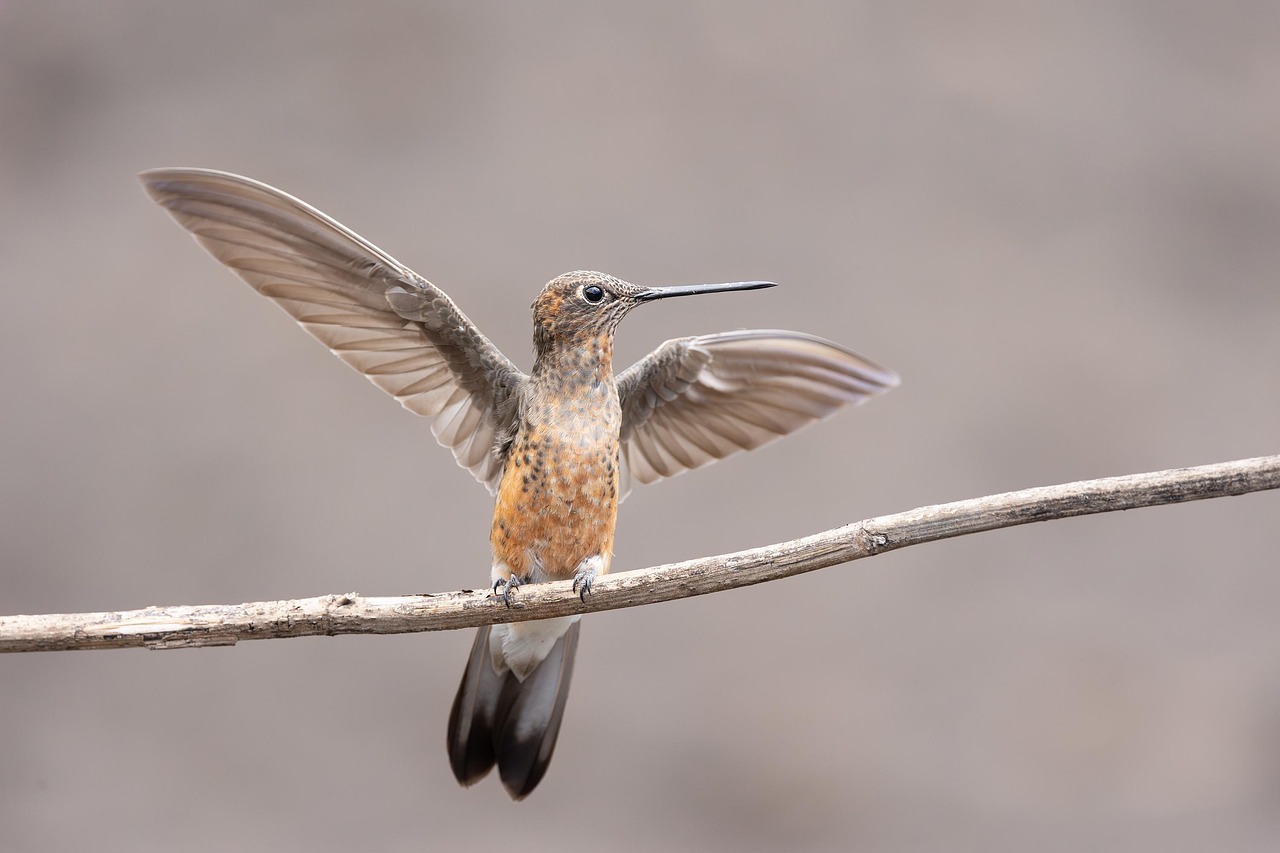
Choose the Right Nectar-Rich Plants
To turn your backyard into a hummingbird sanctuary, you must prioritize nectar-rich, tubular flowers. These birds have evolved to feed on deep, trumpet-shaped blooms where their long beaks and tongues can easily reach the nectar. Focus your efforts on native perennials, which are naturally adapted to your local climate and provide a more reliable food source than exotic varieties.
Top choices for attracting hummingbirds include:
- Bee Balm (Monarda): A vibrant, hardy favorite that thrives in most soil conditions.
- Columbine (Aquilegia): Perfect for early-season feeding, offering unique, nectar-heavy blooms.
- Cardinal Flower (Lobelia cardinalis): Its intense red color is a beacon for hummingbirds, especially in moist, shaded areas.
Proper planting technique is essential for the long-term health of these perennials. Use a sturdy hand trowel to dig holes that are twice as wide as the root ball but no deeper. Before placing the plant, use the trowel to gently loosen the surrounding soil; this ensures proper soil aeration, allowing roots to spread quickly and absorb necessary nutrients. If your soil is compacted, consider adding organic compost to improve drainage before you begin.
Once your garden is established, maintenance is key to keeping the nectar flowing. Hummingbirds require a constant supply of energy, so you want your plants to bloom as long as possible. Keep a pair of sharp, high-quality pruning shears on hand throughout the season. Regularly deadheading spent blooms—the process of snipping off faded flowers—prevents the plant from putting energy into seed production. Instead, the plant will redirect that energy into creating new, nectar-rich buds.
When using your pruning shears, ensure the blades are clean and sharp to make crisp, clean cuts. Ragged edges can invite disease or pests, which may damage the plant and reduce its nectar output. By combining the right native species with consistent grooming, you create a sustainable, high-energy environment that hummingbirds will return to visit every single day. Always group your plants in clusters rather than scattering them; this makes it easier for hummingbirds to spot your garden from the air and allows them to feed efficiently without wasting energy flying between distant patches.
Set Up Feeders Safely and Strategically
When natural nectar sources are scarce, supplemental feeders provide a vital energy boost for hummingbirds. However, the success of your feeding station depends entirely on how you prepare, place, and maintain your equipment. Prioritize bird health by using only a simple mixture of four parts water to one part white granulated sugar. Never substitute this with honey, artificial sweeteners, or red dye, as these additives can be toxic or cause fatal fungal infections in hummingbirds.
Strategic placement is equally important for both bird safety and maintenance efficiency. Hummingbirds prefer feeders in shaded areas, as direct sunlight accelerates the fermentation of sugar water, leading to rapid spoilage. When choosing a location, ensure it is visible from your windows but positioned away from high-traffic areas where pets or children might startle the birds. If you plan to hang feeders from high branches or eaves, use a sturdy, well-maintained step ladder on level ground to ensure your own safety during installation and routine cleaning.
To keep your setup functional and safe, follow these maintenance best practices:
- Clean regularly: Wash feeders with hot water and a bottle brush at least twice a week. If the weather is particularly hot, increase this frequency to prevent mold growth.
- Check for leaks: Inspect seals and gaskets on your feeders periodically. A leaking feeder will attract ants and bees, which can deter hummingbirds.
- Use proper hardware: Use rust-resistant hooks or heavy-duty garden twine to secure feeders. Ensure the mounting point can withstand wind gusts without swinging excessively.
- Monitor the nectar: Always discard any remaining sugar water before refilling. Never “top off” an existing feeder, as the old mixture can harbor bacteria.
By treating your feeders as a long-term gardening tool rather than a temporary accessory, you create a reliable food source that hummingbirds will return to season after season. Keep your gardening tools and cleaning brushes stored in a dry, accessible outdoor shed to make the maintenance routine effortless. A consistent, clean, and well-placed feeder is the most effective way to turn your backyard into a reliable sanctuary for these high-energy pollinators. With the right equipment and a commitment to hygiene, you will quickly notice an increase in hummingbird activity around your home.

Provide Essential Water Sources
Hummingbirds require more than just nectar to thrive in your landscape; they need reliable access to clean water for both drinking and preening. Because these birds have unique physiology, they rarely visit traditional, deep birdbaths. Instead, they prefer shallow water features that mimic the natural conditions they encounter in the wild.
To successfully attract hummingbirds, prioritize moving water. The sound and sight of ripples act as a beacon, drawing them in from a distance. A shallow basin equipped with a mister, dripper, or a gentle fountain is ideal. These features provide a fine spray that allows hummingbirds to fly through the droplets, effectively bathing while on the wing.
When installing fountains or pumps to create this movement, you will likely need to integrate outdoor power equipment. Safety must be your primary concern when combining water features with electrical components. Follow these essential guidelines to keep your garden maintenance routine safe:
- Verify Ratings: Only use extension cords and power strips explicitly rated for outdoor use. These are designed to withstand moisture and environmental exposure.
- Prioritize GFCI Protection: Ensure all equipment is plugged into a Ground Fault Circuit Interrupter (GFCI) outlet. This device monitors electrical flow and shuts off power instantly if a ground fault is detected, preventing dangerous shocks.
- Manage Cords Properly: Keep all electrical cords elevated or secured away from standing water. Use cord covers or conduit to protect cables from accidental damage during lawn care or garden work.
- Regular Inspection: Periodically check your pump and power lines for signs of wear, fraying, or insulation damage. If you notice any degradation, replace the component immediately before operating.
Maintaining a clean water source is equally important. Stagnant water can become a breeding ground for mosquitoes and harbor bacteria. If you are using a pump, ensure it has a filter that is easy to access and clean. If you opt for a simple mister or dripper without a pump, rinse the basin daily to keep the water fresh. By providing a safe, moving water feature, you create a vital oasis that encourages hummingbirds to return to your garden throughout the season. Proper equipment maintenance ensures that your backyard remains a sanctuary rather than a hazard.
Maintain a Hummingbird-Friendly Environment
Creating a sanctuary for hummingbirds requires more than just planting nectar-rich flowers. To keep these birds returning, you must foster a balanced ecosystem. A critical step is eliminating chemical pesticides and herbicides. While these products might manage weeds or pests, they also destroy the small insects—such as gnats, spiders, and fruit flies—that hummingbirds rely on for essential protein, especially during nesting season. By adopting organic gardening practices, you ensure a reliable food source remains available for your avian visitors.
When performing routine garden maintenance, safety and hygiene are paramount. Always wear durable, protective gloves when working with hand tools or pruning shrubs. This simple habit prevents cuts and infections from hidden thorns, jagged stems, or sharp garden debris tucked away in dense foliage.
Furthermore, the condition of your outdoor power equipment and lawn care tools directly impacts the health of your garden. Dirty mower blades or contaminated pruning shears can easily spread fungal spores and plant diseases from one area of your yard to another. If your nectar-producing plants become diseased, their sugar production often drops, making them less attractive to hummingbirds. To maintain a thriving habitat, follow these best practices:
- Sanitize your tools: Wipe down pruning shears and hedge trimmers with a solution of one part bleach to nine parts water between uses to prevent cross-contamination.
- Clean mower decks: Regularly remove grass clippings and debris from the underside of your lawnmower to prevent the spread of lawn fungi.
- Sharpen blades: Use clean, sharp blades for all cutting tasks; jagged, dull cuts leave plants vulnerable to infection and stress.
- Dispose of debris properly: Do not compost diseased plant material, as many home compost piles do not reach temperatures high enough to kill pathogens.
By treating your garden as a living system rather than just a collection of plants, you create a sustainable environment. When you prioritize the health of the soil and the insects within it, you provide the natural resources hummingbirds need to thrive. Consistent, thoughtful maintenance ensures that your outdoor space remains a safe, vibrant, and welcoming destination for these birds throughout the season. Focus on nurturing the habitat, and the hummingbirds will naturally follow.

Common Questions and Ongoing Care
Maintaining a hummingbird-friendly yard requires more than just planting flowers; it demands consistent garden maintenance and safe equipment use. To keep your winged visitors healthy, focus on the sanitation of your feeding stations. You must clean all feeders at least twice a week using hot water and a dedicated bottle brush. This routine prevents the growth of mold and harmful bacteria that can be fatal to hummingbirds.
If you notice that hummingbirds have stopped visiting your garden, the issue may be environmental rather than dietary. Ensure your yard is free of predators, particularly outdoor cats, which are the primary threat to these small birds. Providing elevated, open spaces helps hummingbirds feel secure while they feed.
When performing seasonal garden maintenance to improve visibility or light for your nectar-rich plants, you may need to trim large branches. Using the right outdoor power equipment is essential for both efficiency and safety. Follow these best practices when working with heavy-duty tools:
- Always wear ANSI-rated safety glasses to protect your eyes from flying debris and wood chips.
- Use a chainsaw or pole saw with extreme caution, ensuring you have a stable footing before making any cuts.
- Keep your work area clear of bystanders, pets, and children at all times.
- Inspect your hand tools, such as loppers or pruning shears, to ensure blades are sharp; dull tools require more force and increase the risk of accidents.
Beyond pruning, general lawn care equipment should be used with care to avoid disturbing nesting sites. If you are mowing or using a string trimmer, check the area first for low-hanging nests or ground-dwelling pollinators. A well-maintained garden is an inviting sanctuary, but it is only effective if the environment remains safe and free of hazards.
By integrating these practical maintenance habits into your routine, you create a reliable habitat that hummingbirds will return to year after year. Focus on the cleanliness of your feeders and the safety of your surroundings to ensure your garden remains a thriving oasis. Consistent, gentle care is the most effective way to attract and retain a vibrant hummingbird population in your own backyard.

Dedicated team of gardening enthusiasts with years of hands-on experience testing lawn mowers, gardening tools, and outdoor equipment. We help home gardeners and professionals alike make informed buying decisions with honest, thorough reviews. From push mowers to pruning shears, we test it all so you don’t have to. Got a gardening tool you’d like us to review? Get in touch!