
Fungus gnats are a common frustration for indoor and outdoor gardeners, often appearing as tiny, flying insects hovering near soil. To keep them away from your plants, you must eliminate excess moisture and break their breeding cycle by allowing the top layer of soil to dry out completely between waterings.
While these pests are mostly a nuisance, heavy infestations can damage delicate root systems, especially in younger plants. Achieving total control requires patience and a combination of physical barriers and environmental adjustments. Understanding their life cycle is essential, as simple quick fixes rarely provide the long-term results that dedicated gardeners truly need.
This guide explains how to identify the source of the problem and provides actionable, non-toxic methods to eliminate them and prevent future infestations without harming your plants. From using yellow sticky traps to applying beneficial nematodes, we cover the best tools and techniques to ensure your home garden remains healthy, vibrant, and pest-free.

Identify the Source of the Gnat Problem
Before you reach for heavy-duty outdoor power equipment or chemical sprays, you must identify the true source of your gnat problem. In most indoor and patio settings, these pests are fungus gnats. They are not merely an annoyance; they are a biological indicator that your growing environment has become too hospitable for larvae.
Fungus gnats thrive in moist, organic-rich soil. While the adults are the ones you see fluttering around your houseplants or garden containers, they are essentially the “tip of the iceberg.” The real issue lies within the top one to two inches of your potting mix, where the larvae live, feed on decaying organic matter, and occasionally damage delicate root systems.
To distinguish fungus gnats from other common pests like aphids or whiteflies, observe their behavior:
- Movement: Fungus gnats are weak fliers that prefer to scurry across the soil surface or hover near the base of the plant. If you tap the pot and see a small cloud of tiny, dark insects rise, you have a fungus gnat infestation.
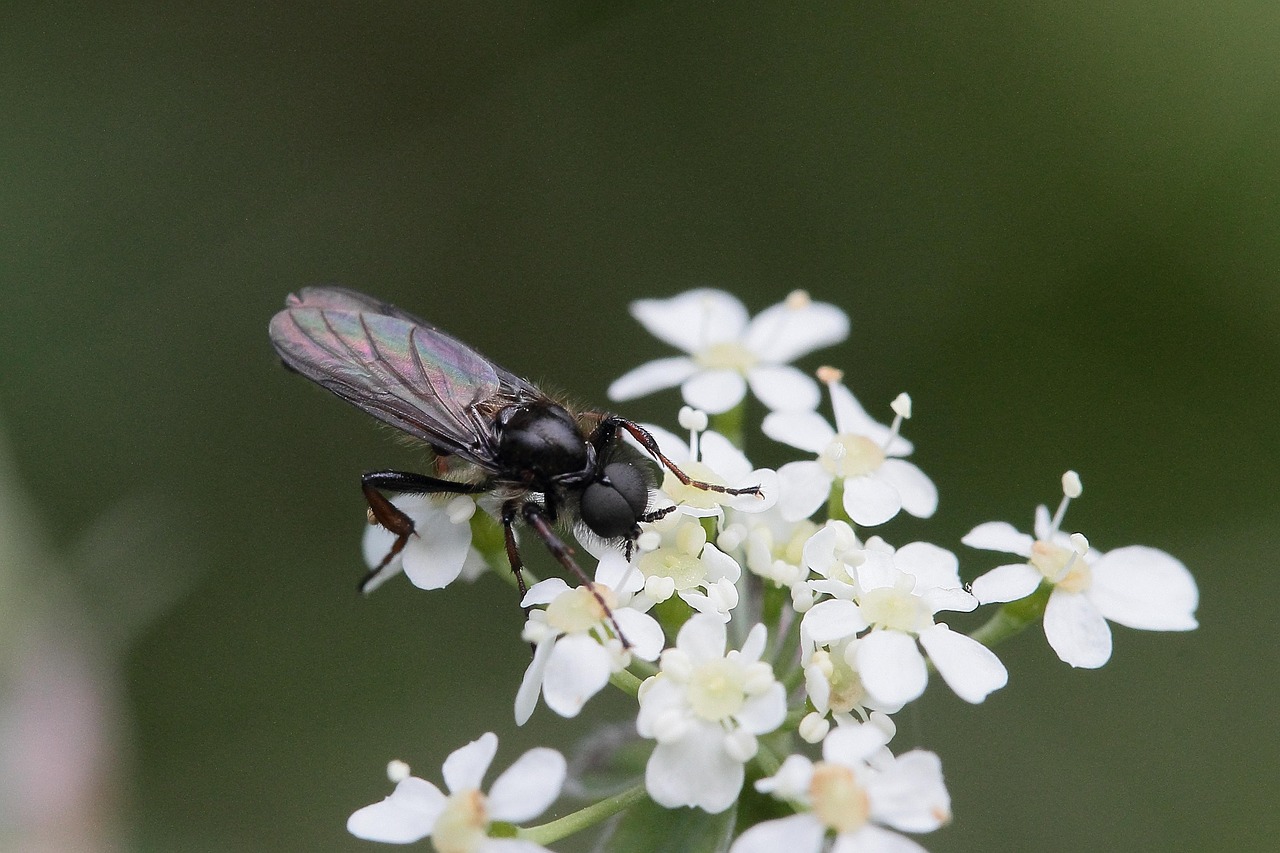
- Appearance: They look like miniature mosquitoes with long legs and clear wings. Unlike aphids, which cluster on the undersides of leaves, fungus gnats are rarely found on the foliage itself.
- Habitat: If you see insects flying around but your leaves look healthy and free of sticky residue, the problem is almost certainly soil-based rather than foliage-based.
Understanding this life cycle is the most practical step in garden maintenance. Because the larvae depend on moisture to survive, the presence of these gnats is a clear signal that your soil is staying wet for too long. If you are using dense potting mixes that lack proper drainage, or if your watering schedule is too frequent, you are inadvertently creating a nursery for these pests.
Before applying any treatments, verify that your containers have adequate drainage holes and that you are allowing the top layer of soil to dry out completely between waterings. Often, simply adjusting your irrigation habits is enough to disrupt the larvae’s environment, effectively ending the life cycle without the need for harsh interventions. By addressing the damp, organic-rich conditions in the topsoil, you remove the food source that allows these gnats to thrive in your home garden.
Control Moisture to Disrupt the Life Cycle
Fungus gnats thrive in moist, organic-rich environments. Their life cycle depends entirely on damp soil, where adults lay eggs and larvae feed on decaying matter and roots. To break this cycle, you must eliminate the conditions that allow them to flourish. The most effective way to do this is by strictly controlling your watering habits.
The primary goal is to keep the top layer of your potting mix dry. Fungus gnat larvae are highly sensitive to desiccation; if the soil surface is dry, they cannot survive. Before reaching for your watering can, always test the moisture level of your plants.
Follow these steps to manage soil moisture effectively:
- The Finger Test: Insert your finger about two inches deep into the soil. If you feel any moisture, do not water. Wait until the soil feels completely dry to the touch at this depth.
- Adjust Frequency: Many indoor gardeners water on a set schedule, which often leads to overwatering. Instead, water only when the plant specifically needs it based on the dryness of the soil.
- Assess Plant Needs: Different plants have different water requirements. Adjust your watering schedule based on the specific species, light exposure, and the current season, as plants consume less water during darker, cooler months.
Beyond your watering schedule, you must ensure your containers support proper drainage. If a pot lacks holes, water will pool at the bottom, creating a stagnant, anaerobic environment that is a magnet for gnats. If your current pots do not have drainage holes, repot your plants into containers that do, or use a plastic nursery liner inside decorative pots to allow excess water to escape freely.
When you do water, always empty the saucer underneath the pot shortly after. Never allow a plant to sit in a pool of runoff water, as this keeps the soil saturated and provides the perfect nursery for gnat larvae. By allowing the top two inches of soil to dry out completely between waterings, you physically disrupt the gnat’s ability to reproduce, eventually driving the population down to manageable levels or eliminating them entirely from your indoor garden.

Effective Trapping and Physical Barriers
Interrupting the life cycle of fungus gnats requires a two-pronged approach: capturing the flying adults and preventing them from accessing the soil to lay new eggs. By combining physical traps with surface barriers, you can significantly reduce their population without relying on harsh chemical pesticides.
Yellow sticky traps are the most effective tool for monitoring and reducing the adult gnat population. Fungus gnats are naturally attracted to the color yellow, which they mistake for a food source or a healthy plant environment. When you place these traps near the base of your plants, the flying adults become stuck to the adhesive surface before they have the chance to mate or deposit eggs.
To maximize the effectiveness of your traps, follow these simple steps:
- Place the traps horizontally or vertically just above the soil line, as this is where adult activity is highest.
- Replace the traps once they are covered in insects or lose their stickiness to ensure consistent capture rates.
- Use multiple traps if you have a large collection of plants to ensure you are covering the entire area.
While traps handle the adults, you must also address the breeding ground. Fungus gnats thrive in moist, organic-rich soil, which is exactly where they lay their eggs. A physical barrier creates a hostile environment for these pests by preventing them from reaching the damp substrate.
Apply a layer of horticultural sand or fine decorative gravel—approximately one-quarter to one-half inch thick—across the surface of your potting mix. This layer serves several practical purposes:
- It dries out quickly after watering, making the surface inhospitable for egg-laying adults.
- It acts as a mechanical barrier that prevents larvae from emerging or adults from burrowing into the soil.
- It improves the aesthetic appearance of your containers while promoting better airflow at the soil surface.
For the best results, ensure your sand or gravel is clean and free of organic debris. If you are using sand, opt for coarse horticultural sand rather than fine play sand, as the latter can pack too tightly and hinder drainage. By keeping the surface dry and trapping the adults, you break the reproductive cycle, allowing your plants to recover and thrive in a pest-free environment.
Safe Biological and Natural Treatments
When dealing with a persistent gnat infestation, the most effective approach is to target the larvae living in your potting soil. The safest and most reliable biological control is Bacillus thuringiensis israelensis (BTI). This naturally occurring bacterium specifically targets the larvae of fungus gnats and mosquitoes without harming your plants, pets, or beneficial insects.
BTI is commonly available in the form of granules or dunks. To use them, simply soak a dunk in your watering can for several hours or sprinkle granules onto the soil surface before watering. As the water penetrates the soil, the BTI is released, effectively eliminating the larvae before they can mature into flying adults.
While BTI is a biological product, it must still be handled with care to ensure safety in your home garden. Follow these essential handling practices:
- Wear protective gear: Always wear gardening gloves when handling granules or dunks to prevent skin irritation.
- Avoid inhalation: Do not breathe in the dust from dry granules. Pour them carefully and avoid working in windy conditions if applying them outdoors.
- Wash thoroughly: After application, wash your hands and any exposed skin with soap and water.
- Secure storage: Store all gardening treatments, including biological controls, in their original containers. Keep them in a cool, dry place strictly out of the reach of children and pets.
Consistency is key when using BTI. Because it only kills the larvae, you will need to continue the treatment for at least two to three weeks to break the gnat’s life cycle. During this time, allow the top inch of your soil to dry out between waterings. This creates a less hospitable environment for the gnats, making your BTI treatment significantly more effective.
If you are using power equipment or large-scale irrigation systems, ensure that any water treated with BTI is not used for vegetable gardens unless the product label specifically states it is safe for edible crops. Always check the manufacturer’s instructions on the packaging for the most accurate application rates and safety precautions tailored to the specific brand you have purchased.
Monitoring and Long-Term Prevention
Eliminating a gnat infestation requires patience. While you may notice a decrease in adult activity within a few days of using yellow sticky traps or soil drenches, the larvae remain in the substrate. It typically takes two to three weeks to fully break the life cycle, as you must wait for the remaining eggs to hatch and be neutralized by your chosen treatment.
To ensure long-term success, consistent maintenance is essential. Avoid overwatering, as fungus gnats thrive in damp, stagnant soil. Allow the top two inches of potting mix to dry out completely between waterings to make the environment inhospitable for larvae.
When it comes to repotting, do not rush the process. Only repot if the plant is root-bound or if the soil has completely broken down and no longer drains properly. If you do repot, use a high-quality, sterile potting mix specifically designed for indoor plants, as cheap or improperly stored soil is a common source of new infestations.
Prevention is far easier than eradication. Follow these practical steps to keep your indoor garden pest-free:
- Inspect before purchase: Always check the undersides of leaves and the soil surface of new plants at the nursery. If you see tiny flies or webbing, leave the plant behind.
- Quarantine new arrivals: Keep any new plant isolated from your existing collection for at least 14 days. This allows time for any hidden eggs to hatch so you can treat the issue before it spreads.
- Clean your tools: Regularly disinfect your hand trowels, pruners, and shears with a 10% bleach solution or rubbing alcohol. Dirty tools can harbor fungal spores and eggs that contribute to gnat growth.
- Clear debris: Remove fallen leaves, dead flowers, and organic debris from the surface of your pots immediately. Decaying plant matter is a primary food source for gnat larvae.
By integrating these habits into your routine, you minimize the risk of recurring outbreaks. If you use outdoor power equipment or large-scale gardening tools, ensure they are stored in a dry, clean space to prevent bringing outdoor pests into your home. A proactive approach to soil health and tool hygiene is the most effective defense against persistent garden gnats.

Dedicated team of gardening enthusiasts with years of hands-on experience testing lawn mowers, gardening tools, and outdoor equipment. We help home gardeners and professionals alike make informed buying decisions with honest, thorough reviews. From push mowers to pruning shears, we test it all so you don’t have to. Got a gardening tool you’d like us to review? Get in touch!