
Attracting hummingbirds is a rewarding experience, but keeping them as seasonal residents requires more than just a feeder. This guide explains how to create a sustainable habitat that provides the food, water, and shelter these birds need to thrive and return year after year to your beautiful garden landscape.
While sugar water provides quick energy, hummingbirds rely on diverse floral sources and insects for long-term survival. You must balance your lawn care equipment usage and garden maintenance to ensure these delicate creatures feel secure. Realistic expectations are key, as creating a welcoming ecosystem is a gradual process that rewards patience and consistent effort.
In the following sections, we will explore the essential hand tools and outdoor power equipment needed to cultivate a hummingbird-friendly sanctuary. You will learn how to select the right native plants, maintain clean water sources, and manage your outdoor space effectively. Get ready to transform your backyard into a reliable, vibrant haven for hummingbirds.
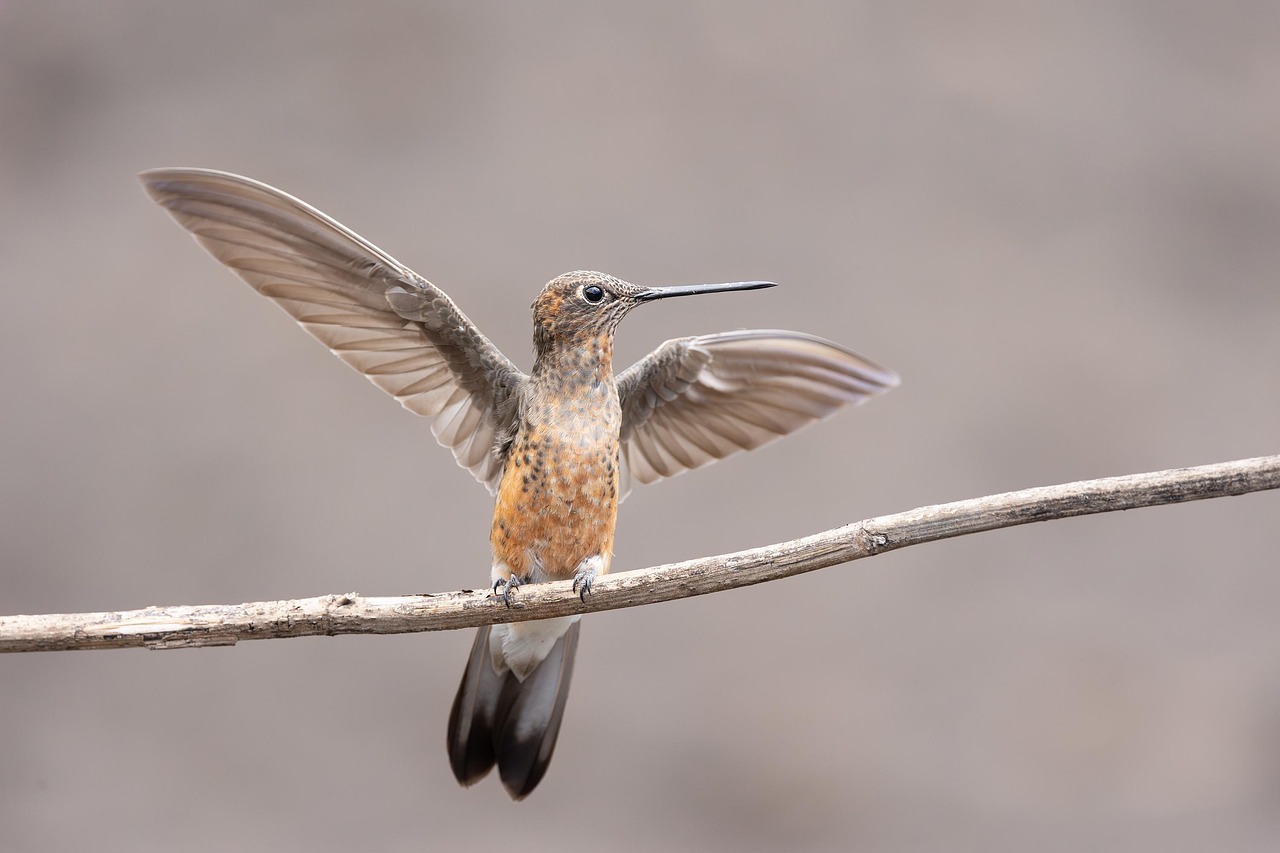
Selecting and Maintaining the Right Feeders
A reliable food source is the primary draw for hummingbirds. To attract them consistently, you must select the right feeders and maintain them with the same care you give your garden tools. Choose feeders featuring bright red accents, as this color naturally signals a high-energy nectar source to hummingbirds.
When preparing nectar, simplicity is key. Use a ratio of one part white granulated sugar to four parts water. Bring the water to a boil, stir in the sugar until completely dissolved, and allow it to cool entirely before filling your feeders. Never use honey, which can cause fatal fungal infections, or artificial sweeteners, which provide no nutritional value.
Maintaining your feeders is critical for bird health. Fermented sugar water or mold growth can be toxic to hummingbirds. Establish a regular cleaning and maintenance schedule to ensure your feeders remain safe, functional, and inviting:
- Frequency: Clean feeders at least twice a week in cooler weather, and every day or two during hot spells when nectar spoils rapidly.
- Sanitization: Avoid harsh chemicals. Use a solution of one part white vinegar to two parts water, or hot soapy water, ensuring you rinse thoroughly to remove all residue.
- Hardware Check: Inspect your feeders for cracks, leaks, or rust. If you use a hook or pulley system to hang them, ensure the equipment is secure and free of debris that could obstruct the birds.
- Placement: Position feeders in a mix of sun and shade. While bright light helps attract birds, excessive heat accelerates nectar spoilage.
Treat your hummingbird feeders like essential outdoor power equipment; they require routine upkeep to function effectively. If a feeder becomes difficult to clean due to deep crevices or complex parts, replace it with a simpler, wide-mouth design. A clean, well-maintained feeder not only prevents the spread of disease but also ensures that your garden remains a preferred, high-traffic destination for hummingbirds throughout the season.
By prioritizing sanitation and using the correct sugar-water ratio, you create a sustainable environment that keeps these birds returning to your yard year after year. Consistent care is the most effective tool in your gardening arsenal for building a thriving hummingbird sanctuary.
Planting a Hummingbird-Friendly Landscape
While artificial feeders provide a quick energy boost, a sustainable hummingbird sanctuary relies on a diverse, nectar-rich landscape. By planting native species that bloom at different times throughout the growing season, you ensure a reliable, nutrient-dense food source that keeps hummingbirds returning year after year.
Focus on high-nectar perennials like bee balm (Monarda), salvia, and trumpet vine (Campsis radicans). These plants are not only visually stunning but are specifically evolved to accommodate the unique beak shapes and feeding habits of hummingbirds. To establish these plants successfully, proper soil preparation and planting techniques are essential.
When you are ready to expand your garden, keep these practical tips in mind:
- Use a sturdy trowel: Select a high-quality, rust-resistant steel trowel to dig clean, precise holes. Avoid cheap plastic tools that may bend in compacted soil.
- Utilize a transplanter: For smaller nursery pots, a narrow transplanter tool allows you to create deep, slim holes with minimal soil disturbance, which helps perennials establish their root systems faster.
- Clear the area: Use a hand cultivator to gently break up the surface soil and remove competing weeds before planting. This ensures your new nectar sources have access to essential water and nutrients.
- Mulch effectively: After planting, apply a light layer of organic mulch around the base of your new flowers. This retains moisture and suppresses weeds, reducing the amount of garden maintenance required throughout the summer.
Staggering your planting schedule is the secret to long-term success. Aim for a mix of early-spring, mid-summer, and late-fall bloomers. This creates a “nectar corridor” in your yard, providing the high-calorie fuel hummingbirds need during their migration periods. When using hand tools to install these perennials, always ensure you are planting at the same depth as the original nursery container to prevent stem rot.
Regular maintenance, such as deadheading spent blooms, can also encourage plants to produce a second flush of flowers. Keep your hand pruners sharp and clean to make precise cuts that promote healthy regrowth. By viewing your landscape as a living, breathing pantry, you transform your backyard into a vital habitat that hummingbirds will instinctively choose to visit throughout the entire season.

Creating a Safe and Welcoming Environment
To keep hummingbirds returning to your yard season after season, you must provide more than just a sugar-water feeder. These high-energy birds require a sanctuary that offers security, shelter, and a natural food source. A well-maintained landscape is the foundation of a successful hummingbird habitat.
Strategic pruning is essential for creating safe perches and nesting sites. Use sharp, high-quality bypass pruners to thin out dense shrubs, which creates protected pockets where hummingbirds can rest away from wind and rain. When using hedge trimmers or long-reach pruners, be mindful of nesting birds; always inspect branches for tiny, cup-shaped nests before making any cuts. Proper maintenance of your trees and shrubs ensures these birds have the cover they need to feel secure from hawks and neighborhood cats.
Your garden maintenance routine should prioritize chemical-free practices. While nectar provides energy, hummingbirds rely heavily on small insects and spiders for the protein necessary for growth and egg production. If you use synthetic pesticides, you inadvertently eliminate this vital food source and may expose the birds to toxins.
Follow these practical steps to cultivate a safer environment:
- Prioritize organic pest control: Use manual hand tools to remove weeds and maintain soil health, which encourages a diverse population of beneficial insects.
- Provide natural perches: Leave a few dead or bare branches on trees. Hummingbirds prefer these exposed spots to survey their territory and guard their nectar sources.
- Create water features: Hummingbirds rarely use traditional bird baths. Instead, install a mister or a shallow fountain with a gentle drip, as they prefer to fly through fine sprays to bathe.
- Minimize lawn chemicals: Reduce the size of your grass lawn and replace it with native flowering plants. This reduces the need for fertilizers and herbicides while increasing the natural habitat for both birds and their insect prey.
By shifting your focus from a manicured, chemical-dependent lawn to a layered, naturalistic garden, you provide the essential infrastructure these birds need. When you reduce your reliance on power equipment and harsh sprays, you create a quieter, safer space that hummingbirds will recognize as a reliable home. Consistent, thoughtful maintenance is the most effective way to ensure they return to your garden year after year.
Safety Considerations for Garden Maintenance
Creating a hummingbird-friendly sanctuary requires regular garden maintenance, but your safety should always come first. Whether you are pruning nectar-rich shrubs or shaping hedges to provide shelter, using the right equipment correctly prevents injuries and protects the local wildlife you are trying to attract.
When working with hand tools, such as bypass pruners or loppers, always wear heavy-duty, puncture-resistant gloves. Many hummingbird-friendly plants, like roses or bougainvillea, have thorns that can cause painful scratches or infections. Ensure your blades are sharp; dull tools require more force, increasing the likelihood of slipping and causing an accidental cut.
If your garden maintenance requires outdoor power equipment, follow these essential safety protocols:
- Eye Protection: Always wear safety goggles when operating hedge trimmers or string trimmers to shield your eyes from flying debris and wood chips.
- Cord Management: If using corded electric tools, keep the power cable draped over your shoulder or behind you, well away from the cutting path.
- Footwear: Wear sturdy, closed-toe boots to provide stability on uneven ground and protection against accidental drops of heavy equipment.
Before you begin any major trimming, perform a thorough inspection of your trees and dense shrubs. Hummingbirds build tiny, well-camouflaged nests that are easily overlooked. If you spot a nest, pause your work immediately and move to a different area of the yard. Disturbing an active nest can cause the mother to abandon her eggs or chicks.
When using ladders to reach high branches, ensure the base is on firm, level ground. Never overreach while trimming; instead, climb down and reposition the ladder to maintain your center of gravity. If you are using power saws or heavy-duty equipment, clear the area of pets and children to ensure a controlled environment.
Finally, keep your garden tools clean and organized. A cluttered workspace leads to tripping hazards. After finishing your maintenance, store all sharp hand tools and power equipment in a secure shed or garage. By maintaining a tidy and safe workspace, you ensure that your garden remains a peaceful, hazard-free haven for hummingbirds to return to season after season.

Monitoring Your Garden and Addressing Common Issues
If your hummingbird activity suddenly drops, don’t panic. In most cases, these birds have simply moved on due to natural cycles. Hummingbirds are highly migratory; their presence is dictated by seasonal movement patterns rather than a lack of interest in your yard. As the seasons shift, they follow food sources, meaning your garden may simply be a temporary stopover rather than a permanent home.
Before assuming something is wrong, consider these common factors that influence visitor numbers:
- Natural Migration: Hummingbirds travel thousands of miles. If they disappear during late summer or early autumn, they are likely beginning their journey south.
- Food Availability: If your flowers have finished blooming or a neighbor has set up a more attractive feeder, the birds will naturally shift their foraging territory.
- Pest Interference: Ants and bees are frequent gate-crashers at sugar-water feeders. If insects take over, hummingbirds will avoid the area to prevent being swarmed.
To manage pest issues, avoid using pesticides near your feeders, as these are toxic to birds. Instead, use an ant moat—a small cup of water placed above the feeder—to create a barrier ants cannot cross. If bees are an issue, ensure your feeders are drip-free and consider using specialized bee-guard ports that restrict access to the nectar.
Maintaining a garden journal is one of the most practical tools for any backyard enthusiast. By recording the dates of first arrivals and final departures each year, you can better understand the specific migration timeline for your region. This data helps you time your feeder cleaning and planting schedules to match when the birds are actually in your area.
Finally, keep a close eye on the physical condition of your visitors. While it is normal for birds to come and go, you may occasionally spot an individual that appears lethargic, has matted feathers, or shows signs of injury. If you observe a bird that seems unable to fly or feed, do not attempt to handle it yourself. Contact a local wildlife rehabilitator or a state wildlife agency immediately. They have the expertise to provide professional care for injured wildlife, ensuring that your garden remains a safe haven for the hummingbirds that rely on your hospitality throughout the season.

Dedicated team of gardening enthusiasts with years of hands-on experience testing lawn mowers, gardening tools, and outdoor equipment. We help home gardeners and professionals alike make informed buying decisions with honest, thorough reviews. From push mowers to pruning shears, we test it all so you don’t have to. Got a gardening tool you’d like us to review? Get in touch!