
To keep gnats out of your plants, you must first stop overwatering and allow the top two inches of soil to dry out completely. Fungus gnats are a common frustration for indoor gardeners, often appearing after overwatering or bringing home new plants. Controlling moisture levels is the most effective way to break their breeding cycle.
While these tiny pests are mostly a nuisance, a large infestation can stress your greenery and damage delicate root systems over time. It is important to set realistic expectations, as eliminating a persistent colony requires consistency and patience. Combining proper watering habits with mechanical traps will help you regain control of your indoor garden.
This guide explains how to identify, eliminate, and prevent these persistent pests using simple, practical methods that protect your plant health. We cover everything from using yellow sticky traps to applying natural soil treatments. By following these straightforward maintenance steps, you can keep your home garden thriving and free from unwanted flying insects.
Identify and Confirm a Gnat Infestation
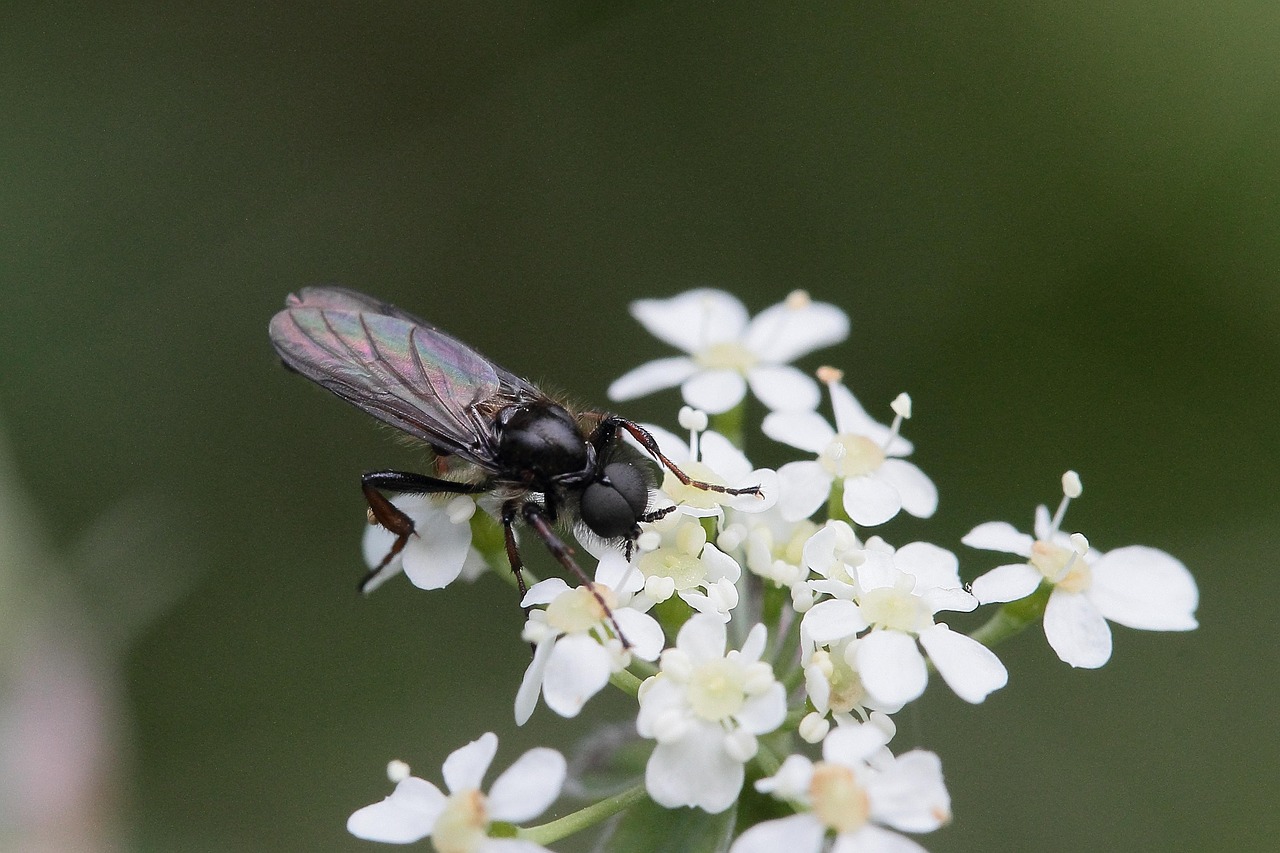
Before you reach for heavy-duty garden maintenance tools or chemical treatments, you must confirm that your plants are suffering from a fungus gnat infestation rather than other common pests like aphids or spider mites. Fungus gnats are small, dark-colored flies that primarily hover around the soil surface or the base of your plants. Unlike other pests that settle on leaves, these gnats are most active near the growing medium.
The most reliable way to identify an infestation is to observe the movement of the adult flies. If you disturb the soil or the leaves and see tiny, mosquito-like insects darting around the pot, you are likely dealing with fungus gnats. Their flight patterns are erratic and usually confined to the immediate area around the plant container.
To confirm the presence of larvae, inspect the top inch of your potting soil. Fungus gnat larvae are slender, translucent, or white with a distinct black head. They thrive in damp, organic-rich environments, feeding on decaying roots and fungi within the soil. If you suspect an issue, perform these quick diagnostic checks:
- Yellow Sticky Traps: Place these near the soil surface. If you catch tiny, dark flies, your diagnosis is confirmed.
- Soil Inspection: Gently scrape the top half-inch of soil with a small hand trowel. Look for tiny, thread-like larvae moving through the damp substrate.
- Potato Slice Test: Place a thin slice of raw potato on the surface of the soil overnight. The larvae are attracted to the starch and will often congregate on the underside of the slice by the next morning.
It is important to differentiate these from other outdoor power equipment or lawn care issues. Fungus gnats are almost exclusively a result of overwatering or poor drainage within indoor or patio pots. Once you have confirmed their presence, you can move forward with practical gardening solutions, such as allowing the top layer of soil to dry out completely between waterings or using biological controls like beneficial nematodes. Identifying the problem early prevents larvae from damaging delicate root systems, ensuring your plants remain healthy and vibrant throughout the season.
Adjust Watering Habits to Disrupt the Lifecycle
Fungus gnats are more than just a nuisance; their presence is a clear indicator that your soil moisture levels are too high. These pests thrive in damp, decaying organic matter, making the top layer of potting mix their preferred nursery. By strategically adjusting your watering habits, you can effectively disrupt their lifecycle and make the environment inhospitable for larvae.
The most reliable cultural control method is to allow the top two inches of soil to dry out completely between waterings. When the surface remains consistently wet, it provides a perfect breeding ground. Allowing this top layer to desiccate kills the eggs and larvae that reside near the surface, effectively breaking the reproductive cycle without the need for harsh chemicals.
To implement this practice successfully, follow these practical steps:
- Check before you pour: Always insert your finger two inches into the soil. If it feels damp, wait another day or two before watering again.
- Prioritize drainage: Ensure every container has functional drainage holes at the bottom. If a pot lacks these, the water has nowhere to go, leading to root rot and gnat infestations.
- Manage saucers: Never allow your plants to sit in standing water. After watering, wait 15 minutes and dump any excess liquid that has collected in the decorative saucer or cachepot.
- Bottom watering: Consider watering from the bottom by placing your pot in a tray of water for a short time. This allows the roots to absorb moisture while keeping the top inch of soil dry, which is the primary zone for gnat activity.
Beyond soil management, assess your gardening tools and maintenance routine. If you use moisture-retentive additives like peat moss or coconut coir, be aware that these materials hold water longer than traditional bark-based mixes. Adding perlite or coarse sand to your potting medium can improve aeration and drainage, helping the soil dry out faster. If you notice a persistent moisture problem, consider repotting the plant into a fresh, well-draining substrate. Consistent observation is your best defense; by keeping the soil surface dry, you starve the larvae and force the adult gnats to look elsewhere for a place to lay their eggs. This simple change in your care routine is the most effective way to reclaim your indoor garden.

Use Physical Barriers and Traps
When dealing with a fungus gnat infestation, the most effective strategy involves disrupting their life cycle through physical intervention. By combining targeted trapping with surface modifications, you can significantly reduce the population without relying solely on chemical pesticides.
Yellow sticky traps are an essential tool for monitoring and controlling adult gnats. These insects are naturally attracted to the bright yellow color, which mimics the appearance of certain flowers and foliage. Once they land on the adhesive surface, they become trapped, preventing them from mating and laying further eggs in your potting soil. Place these traps horizontally near the base of the plant or hang them vertically just above the soil line for maximum effectiveness.
While traps address the flying adults, you must also secure the soil surface to stop the next generation. Fungus gnats require moist organic matter to lay their eggs. You can create an inhospitable environment by applying a physical barrier over the top of your potting mix. Use one of the following materials to create a layer approximately one-half inch thick:
- Coarse sand: An inexpensive and readily available option that dries out quickly, making it difficult for larvae to survive.
- Decorative gravel: Provides a clean, aesthetic finish while effectively blocking access to the soil.
- Horticultural grit: Specifically designed for drainage and aeration, this material is excellent for preventing moisture buildup at the surface.
These barriers serve a dual purpose: they prevent adult gnats from reaching the soil to deposit eggs, and they act as a physical cage for any existing larvae. If larvae are already present, they will be unable to emerge from the soil once they reach the adult stage, effectively breaking the reproductive cycle. For the best results, ensure the barrier is applied evenly across the entire surface of the pot, right up to the edges. Because these materials keep the top layer of soil drier than standard potting mix, they also help discourage future infestations by making the environment less appealing to moisture-loving pests. Always ensure your pots have adequate drainage holes to prevent water from pooling beneath these barriers, as excess moisture remains the primary catalyst for gnat development.
Safe Application of Biological Controls
If your gnat infestation persists despite cultural controls, it is time to consider biological intervention. The most effective, targeted solution is Bacillus thuringiensis israelensis (BTI). This naturally occurring bacterium specifically targets fungus gnat larvae in the soil without harming your plants, pets, or beneficial insects like bees.
BTI is typically available in granular or liquid form. When applying these products, follow the manufacturer’s instructions precisely regarding dilution and frequency. Over-application does not speed up the process and can lead to unnecessary waste or soil buildup.
Safety must remain your priority when handling any garden treatment. Even when using organic solutions, adhere to these essential safety practices:
- Wear Protective Gear: Always wear gardening gloves when handling soil amendments or biological controls to prevent skin irritation or accidental ingestion.
- Ensure Proper Ventilation: If you are using spray-based treatments, such as organic neem oil, work in a well-ventilated area. Avoid inhaling the mist, as fine particles can irritate the respiratory system.
- Secure Storage: Biological and chemical treatments should be stored in their original containers. Keep them in a cool, dry place, strictly out of the reach of children and pets.
- Wash Thoroughly: After applying any treatment, wash your hands and any exposed skin with soap and water, even if you wore gloves during the process.
When applying BTI, focus on the soil surface where larvae reside. For liquid applications, ensure the solution reaches the root zone, as this is where the bacteria will be most effective. If you are using neem oil as a secondary measure to deter adult gnats, apply it during the cooler parts of the day to avoid leaf burn, and ensure the product is labeled for indoor or greenhouse use if your plants are potted inside.
Consistency is key when using biological controls. Because BTI only affects the larval stage, you may need to continue applications for several weeks to break the gnat lifecycle completely. Monitor your plants closely, maintain proper soil moisture levels, and ensure your pots have adequate drainage to prevent future outbreaks. By combining these biological tools with good maintenance habits, you can effectively manage gnat populations while keeping your home environment safe and healthy.

Follow-up Care and When to Seek Professional Help
Once you have applied your initial treatment, the battle against fungus gnats is not immediately over. Because these pests have a multi-stage life cycle, eggs already buried in the soil may hatch days after you think the problem is solved. Monitor your plants closely for at least three to four weeks. Continue using yellow sticky traps to catch any emerging adults, which prevents them from laying new eggs and effectively breaks the reproductive cycle.
During this follow-up period, observe your plants for signs of lingering distress. If you notice persistent yellowing leaves, stunted growth, or wilting despite the absence of flying gnats, the issue may have shifted from an infestation to a root health problem. Fungus gnat larvae feed on organic matter and root hairs, which can create entry points for pathogens. If the soil remains soggy or smells musty, your plant is likely suffering from root rot.
To address this, you may need to take the following steps:
- Gently remove the plant from its container to inspect the root system.
- Trim away any mushy, blackened, or foul-smelling roots using sterilized hand pruners.
- Repot the plant into a clean container using fresh, high-quality, sterile potting mix.
- Ensure your new pot has adequate drainage holes to prevent future waterlogging.
If you are managing a large indoor garden and find that the infestation is spreading rapidly despite your best efforts, do not hesitate to seek expert guidance. A local nursery professional can provide insight into specific environmental factors in your home that might be encouraging the pests. They can also recommend professional-grade systemic treatments or biological controls, such as beneficial nematodes, which are highly effective for severe outbreaks.
Remember that the most effective long-term defense is adjusting your maintenance routine. Allow the top two inches of soil to dry out completely between waterings, as dry soil is inhospitable to gnat larvae. By combining consistent monitoring with proactive cultural changes, you can restore your plants to health and prevent future infestations from taking hold. If a plant shows no signs of recovery even after repotting and treatment, it may be best to discard it to protect the rest of your healthy collection.

Dedicated team of gardening enthusiasts with years of hands-on experience testing lawn mowers, gardening tools, and outdoor equipment. We help home gardeners and professionals alike make informed buying decisions with honest, thorough reviews. From push mowers to pruning shears, we test it all so you don’t have to. Got a gardening tool you’d like us to review? Get in touch!