
Late-October 2026 pruning and cutting tools are defined by a sharp shift toward reliable transplanting gear and final seasonal maintenance. As autumn reaches its final stretch, garden maintenance transitions from active growth management to high-stakes plant relocation and property preparation. Gardening coverage published between October 20 and October 24, 2026, highlights a distinct change in what buyers and owners are prioritizing right now. Rather than looking for sweeping seasonal upgrades, tool owners are focusing on precision equipment that facilitates fall transplanting, frost defense, and end-of-season cleanups.
This current demand is driven by the practical reality that cooler conditions reduce heat stress, making autumn a strategic window to move certain plants for a better start next year. However, suitability depends heavily on plant type, root-ball size, and local timing, meaning that possessing the right basic toolkit matters more than accumulating specialized gadgets. Understanding why these choices matter helps ensure your gear matches the actual demands of late-October soil and shrinking daylight windows, prioritizing root health, clean cuts on damaged growth, and proper aftercare.

Shifting Demand Toward Fall Transplanting Gear
Gardeners are increasingly prioritizing tools that support moving established perennials, shrubs, and cool-weather plants as the autumn season advances. According to October 2026 insights from Gardening Know How, cooler autumn conditions help mitigate heat stress during relocation, giving root systems time to settle before winter dormancy.
Consequently, buyers are auditing their cutting and digging inventories to ensure they have the precise instruments required to execute clean root-ball divisions and secure transplant sites without harming vulnerable tissues. Current late-October job lists also emphasize new planting, frost protection, and storing tender plants, shifting buyer focus away from heavy mid-summer maintenance and toward meticulous seasonal transitions.
Essential Tools for October Transplants
Current guidance from university extension services and seasonal reporting highlights a modest, highly functional toolkit rather than an expansive array of specialized hardware. Property owners prioritizing late-season shifts are focusing their purchases around a few core implements:
- Sharp spades and garden forks: Necessary for slicing through soil and lifting root systems cleanly without unnecessary tearing.
- Clean pruners: Vital for trimming away damaged growth or dead wood prior to relocation, which helps the plant direct energy effectively.
- Transport tarps or tubs: Useful for moving root masses efficiently while containing soil and protecting delicate feeder roots from wind drying.
- Reliable watering tools and gloves: Essential for initial post-transplant hydration and hand safety.
Current reporting indicates that a tool’s precision and sharpness dictate its value during this window. Ragged cuts on roots or stems invite decay, making clean blades a top priority for conscientious owners.
At the same time, experts urge buyers to weigh equipment readiness against biological limitations. Suitability for moving specific plants depends heavily on plant type and local climate timing. Root-ball size, proper hydration, accurate replanting depth, and consistent aftercare matter far more than owning a vast collection of specialized gear.
While exact frost dates and soil conditions vary widely by region, current guidelines universally advise avoiding transplants entirely when the ground is frozen or waterlogged, regardless of how advanced a gardener’s cutting inventory might be.
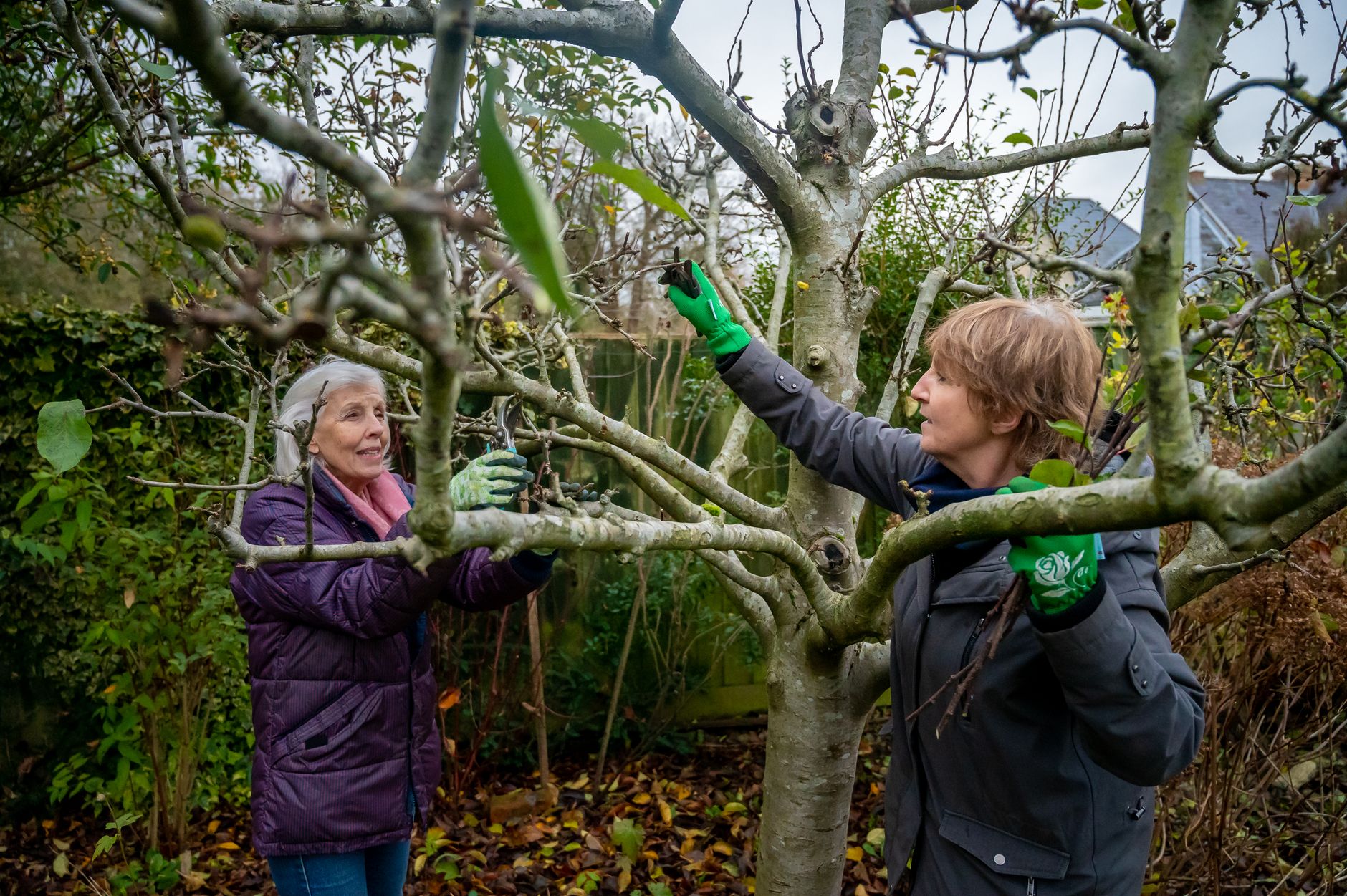
The Core Toolkit for Final Seasonal Jobs
Current October reporting from home and garden authorities emphasizes practical efficiency over large accessory collections as gardeners tackle final seasonal tasks. Rather than accumulating specialized, single-use gadgets, owners are streamlining their equipment shelves. The essential late-season toolkit remains intentionally modest, focusing on implements that handle ground preparation, structural cleanup, and plant relocation before freezing temperatures settle in.
When evaluating these core implements, buyers and owners are prioritizing structural durability and long-term edge retention. Equipment must withstand heavy soil resistance and frequent use without bending or losing its sharp profile. Based on current seasonal job lists, the fundamental kit relies on six straightforward items:
- Sharp spade: Essential for executing clean, straight trenching around root balls and slicing through stubborn soil.
- Sturdy garden fork: Used to gently loosen compacted earth and lift root systems with minimal structural damage.
- Bypass pruners: Required for trimming away damaged, diseased, or awkward growth prior to winter dormancy.
- Tarp or transport tub: Serves as a clean surface for moving excavated soil and safeguarding root masses during transit.
- Reliable watering implements: Necessary for settling newly relocated specimens and maintaining vital hydration before the ground freezes.
- Durable work gloves: Protect hands against abrasions, thorns, and cold, damp soil during extended outdoor work sessions.
Industry guidance notes that successful late-season execution depends far more on proper technique—such as matching root-ball size, maintaining correct replanting depth, and providing adequate aftercare—than on owning an extensive inventory of gear. Reports from extension services advise against moving stressed plants when the ground becomes frozen or waterlogged, making timing just as critical as hardware choice. Accordingly, current purchasing decisions reflect a shift toward high-utility, robust basics that perform reliably year after year.

Evaluating Cutting Edges for End-of-Season Pruning
Clean cuts are vital during late-October maintenance to prevent ragged plant wounds that can invite winter rot and pests. As perennials and woody shrubs prepare for dormancy, dull or misaligned edges can crush delicate vascular tissues rather than slice them cleanly. This physical stress creates entry points for moisture and pathogens just as plant defenses slow down for the winter.
Driven by these seasonal demands, buyers are closely inspecting hand pruners, loppers, and pruning saws for precise blade alignment, secure locking mechanisms, and ease of field sharpening. Gardeners prioritizing tools with corrosion-resistant coatings and replaceable blades view these features as essential decision criteria. Protective finishes help gear survive storage in damp sheds through the winter months, while modular designs ensure reliable performance when spring pruning resumes.
When evaluating cutting tools for end-of-season tasks, current ownership habits emphasize practical maintenance over accumulating specialized gear. Gardeners are focusing on a few core attributes to ensure tools perform cleanly without requiring constant replacement:
- Blade Alignment: Checking that bypass blades pass smoothly without gaps that chew stems.
- Sharpening Access: Selecting designs that allow quick touch-ups in the field using a standard whetstone or diamond file.
- Corrosion Resistance: Prioritizing coated or hardened steel to withstand wet autumn soils and morning dew.
- Replaceable Parts: Confirming that springs, bolts, and blades can be swapped out to extend overall tool life.
While specific repair preferences vary by region, current reporting indicates that owners are increasingly skeptical of disposable tools that fail after a single season of heavy trimming. Investing time in inspecting a pruner’s tension adjustment bolt and pivot joint before stowing it away ensures the tool remains dependable for final seasonal jobs and next year’s early growth.
Balancing Tool Capability with Soil Realities
Balancing Tool Capability with Soil Realities
While equipment quality always matters to serious gardeners, expert guidelines from extension services—such as the University of Minnesota Extension—stress that proper technique and timing outweigh the number of specialized tools you own. Late-October buyers are recognizing that root-ball size, accurate replanting depth, and immediate hydration dictate success far more than brand names or high-end finishes.
Furthermore, experienced owners know to avoid moving stressed specimens or digging when the ground becomes waterlogged or frozen. This practical reality makes tool selection secondary to respecting local weather constraints and soil conditions.
When buyers evaluate their cutting and digging gear for final seasonal tasks, they are increasingly prioritizing utility and precision over sheer power:
- Clean, sharp blades on pruners to make precise cuts on damaged growth without crushing fragile stems.
- Sturdy, well-balanced spades capable of maintaining clean edges around root balls.
- Reliable transport aids like tarps or tubs to move root systems quickly before exposure causes drying.
Whether this late-season focus represents a permanent shift in buyer habits toward minimal, high-utility toolkits remains to be seen. Current late-October reporting suggests, however, that owners are concentrating their spending on maintenance items that protect plant health rather than accumulating redundant gadgets.
Ultimately, a modest toolkit paired with careful handling yields better results than heavy machinery used improperly. Respecting soil limitations and moisture levels protects both the landscape and the cutting edges of your gear from unnecessary wear.
Preparing for Frost Protection and Storage Tender Plants
Beyond transplanting routines, late-October property care requires securing tender specimens and setting up frost barriers before freezing temperatures settle in for good. Based on mid-October reporting, current ownership habits center heavily on final preparation rather than heavy mid-season pruning. Buyers and owners are prioritizing cutting tools that assist in harvesting the last tender growth, dividing stubborn perennials, and trimming back frost-prone foliage cleanly to prevent rot.
When dealing with dense growth or woody stems ahead of freezing weather, clean cuts are vital for plant health. Crushed or jagged stems leave plants vulnerable to moisture retention and subsequent frost damage. Owners rely on bypass pruners and loppers capable of making precise cuts close to the crown or soil line, minimizing exposed surface areas on tender specimens that remain outdoors or require preliminary trimming before indoor storage.
Once these final autumn cutting jobs are finished, the immediate operational priority shifts entirely from garden execution to tool maintenance. Neglecting equipment at the end of the season usually leads to pitting, dull edges, and corrosion over the winter months. Current seasonal guidance emphasizes foundational upkeep routines:
- Cleaning all sap, plant juices, and damp soil residue completely off blades and pivot joints.
- Applying a protective coat of lightweight oil or specialized rust inhibitor to metal surfaces.
- Checking tension bolts and sharpening blades so they remain ready for early spring demands.
- Storing all hand tools, long-handled cutters, and spades in dry, sheltered indoor conditions to prevent rust.
Depending on local climate variability, the exact timing for permanent winter storage can shift by a few weeks. However, completing this maintenance cycle immediately after the final late-October cutback protects equipment integrity and ensures tools perform reliably when spring returns.
Smart Criteria for Selecting Last-Quarter Replacements
If you need to replace a worn-out spade or dulled pruner late in the season, current buying habits favor ergonomic comfort, serviceability, and warranty support over flashy aesthetics. When autumn soil turns heavy, wet, or compact, tool performance directly dictates how much physical strain a gardener absorbs during final landscape updates.
Current ownership priorities highlight several practical design choices that matter most during late-October tasks:
- Glove-Friendly Handles: Non-slip grips sized to comfortably accommodate thick gardening gloves prevent slippage when hands are cold or wet.
- Leverage-Enhancing Geometry: Spades and loppers built with mechanical advantage or optimized shaft lengths reduce the effort required to slice through stubborn roots or dense earth.
- Modular Serviceability: Cutting tools featuring replaceable springs, pivots, and blades lower long-term ownership costs by allowing targeted repairs instead of full-tool replacements.
- Robust Warranties: Buyers increasingly favor manufacturers backing their implements with multi-year or lifetime guarantees, signaling confidence in structural durability.
Gardeners replacing gear now are largely moving away from disposable, sealed-unit cutting tools that cannot be serviced when a pivot loosens or a blade nicks. Selecting implements with accessible fasteners means a quick field adjustment can restore proper tension on a pruner mid-task. Similarly, handles reinforced at stress points withstand the torque of prying out established root systems far better than lightweight alternatives designed purely for container gardening.
It remains uncertain how broader supply chain shifts will impact component availability for modular tools in coming seasons, but current market signals indicate strong preference for repairable designs. By prioritizing sturdy construction, serviceable parts, and dependable warranties over seasonal novelties, owners ensure their cutting and digging instruments remain reliable assets through both fall transitions and future spring setups.
Post-Pruning Maintenance and Blade Longevity
As the final rounds of October pruning and cutting conclude, the way owners maintain their tools directly dictates how reliably those instruments will perform when spring arrives. Because late-season cutting often involves woody stems, tougher seed heads, and debris softened by autumn moisture, sap and residue build up quickly on steel blades. If left unaddressed, these acidic plant juices corrode edges and cause pivot points to seize during storage. Establishing a thorough post-season cleaning routine requires nothing more than warm soapy water, a stiff brush to clear away stubborn organic matter, and a clean cloth to dry every surface completely before storage.
Once the metal is thoroughly dry, applying a light coat of protective oil or specialized pruning-tool lubricant prevents rust from forming during the damp winter months. Owners should also inspect the tension of pivot bolts and check for any micro-nicks or dull spots along the cutting edge. Addressing minor blade imperfections in late October ensures that pruners, loppers, and shears do not tear plant tissue or require excessive hand pressure during early spring cleanups. Proper end-of-season care protects the initial investment and eliminates the frustration of discovering jammed or rusted mechanisms when the garden wakes up next year.
Managing Root Systems and Safe Transport Containers
When executing late-October landscape adjustments, the mechanical strain shifts from routine clipping to lifting and relocating established root systems. Gardeners prioritizing late-season shifts must look beyond standard hand tools and evaluate the equipment used to secure and move plants before ground conditions deteriorate. Because cooler autumn air reduces top-growth stress while root development continues beneath the surface, the physical transition phase requires careful handling to prevent root fracture and moisture loss.
A successful relocation relies heavily on containing the root ball securely without compromising its structural integrity. Experienced owners often prioritize heavy-duty tarps, flexible plastic tubs, or specialized root bags over rigid wheelbarrows when navigating tight garden paths or uneven turf. A durable tarp allows landscapers to slide a heavy root ball across lawns with minimal soil disruption, keeping the surrounding earth intact around delicate feeder roots. Meanwhile, wide-diameter utility tubs provide stable vertical transport for shrubs that might otherwise tip or fracture under their own weight during transit.
Equally important is the preparatory cutting phase that precedes the lift. Before digging, clean bypass pruners or loppers are required to clear away dead, diseased, or crossing branches, reducing the plant’s overall mass and balancing the top-growth with the inevitable reduction in root mass. When the plant is freed from its original location, sharp edging tools and spades ensure clean, vertical cuts through stray roots rather than tearing them, which prevents ragged entry points for soil-borne pathogens. By pairing sturdy transport basins with sharp, well-maintained cutting instruments, owners protect the vitality of the plant during its most vulnerable operational window, ensuring that end-of-season labor translates directly into healthier spring growth.
Frequently Asked Questions
Why is late October considered a strategic time for moving certain plants?
Late October is considered a strategic time for moving certain plants because cooler autumn conditions significantly reduce heat stress on root systems. Gardening coverage published in late October highlights that this transitional period allows perennials, trees, and shrubs to settle into new locations before winter dormancy sets in. Relocating plants now gives root systems a chance to establish in damp soil without the intense burden of summer sun. However, success still depends heavily on the specific plant type and local climate timing. Gardeners must ensure that soils are neither frozen nor waterlogged before attempting any major late-season transplant operations.
What are the essential cutting and digging tools needed for end-of-October garden work?
The essential toolkit required for end-of-October garden work is refreshingly modest, focusing on durability and precision rather than large inventories of specialized gear. Essential items include a sharp spade for clean trenching, a sturdy garden fork where appropriate, and reliable pruners for cutting away damaged or diseased growth. Owners also rely on a tarp or tub to safely transport root balls and soil, alongside heavy-duty gloves and basic watering tools to settle the newly moved specimens. Prioritizing a clean, sharp cutting edge on your pruners ensures smooth cuts that heal quickly rather than crushing delicate plant tissues during final seasonal adjustments.
How does cooler autumn weather affect plant relocation success?
Cooler autumn weather directly improves plant relocation success by lowering transpiration rates, which means foliage loses less moisture to the air while damaged roots regenerate. Gardening guidance points out that lower temperatures eliminate the severe heat stress that typically threatens summer transplants. This milder climate allows established plants to direct their remaining seasonal energy toward root development instead of supporting heavy top growth. Nevertheless, proper root-ball sizing, adequate initial hydration, correct replanting depth, and diligent aftercare remain far more critical to long-term survival than the cooler weather alone, especially as freezing winter conditions approach.
What maintenance should be performed on pruning tools before winter storage?
Proper maintenance before winter storage ensures that your cutting tools remain sharp, rust-free, and ready for action when spring returns. Owners should thoroughly clean away all sticky sap, dirt, and plant residue using a stiff brush and warm soapy water, followed by a careful drying process. Once clean, inspect the blades for nicks and sharpen them to maintain a clean cutting edge that prevents ragged wounds on woody stems. Finally, apply a light coat of protective oil to all metal surfaces to prevent rust formation during damp winter months, and store the tools in a dry location away from moisture and extreme temperature swings.
Are specialized cutting tools necessary for fall garden preparation?
Specialized cutting tools are generally not necessary for successful fall garden preparation and transplanting tasks. Buyers and owners prioritizing practical efficiency find that a standard pair of sharp hand pruners, a sturdy lopper for thicker woody stems, and a clean spade handle most seasonal demands effectively. Success in late-October garden management relies much more on proper technique, root-ball preservation, careful hydration, and correct replanting depth than on owning an extensive array of niche gear. Keeping your fundamental cutting implements sharp and well-maintained delivers far better results for end-of-season plant care than investing in complex, single-purpose cutting implements.
Sources and updates
Details can change after the October 24, 2026 research cutoff. Check the linked sources and current local guidance before acting.
- Gardening Know How: plants to move in fall (2026-10-22)
- Woman & Home: essential October gardening jobs (2026-10-20)
- University of Minnesota Extension: transplanting established plants (current guidance)
