
To keep gnats out of plant soil, you must prioritize drying out the top layer of your potting mix between waterings. Fungus gnats thrive in consistently damp environments, so reducing moisture levels is the most effective way to disrupt their life cycle and eliminate these persistent, annoying pests from your indoor garden.
While these tiny insects are primarily a nuisance, they can indicate underlying issues like overwatering or poor drainage. Managing them requires a combination of patience and consistent care rather than harsh chemicals. Understanding the root cause of your infestation is essential for protecting your plants and ensuring a healthy, thriving indoor environment long-term.
This guide provides practical, actionable steps to help you identify, eliminate, and prevent fungus gnats using simple household items and basic gardening techniques. From adjusting your watering habits to utilizing effective physical barriers, we will walk you through everything you need to know to keep your houseplants healthy, pest-free, and looking their absolute best.

Identify and Assess the Infestation
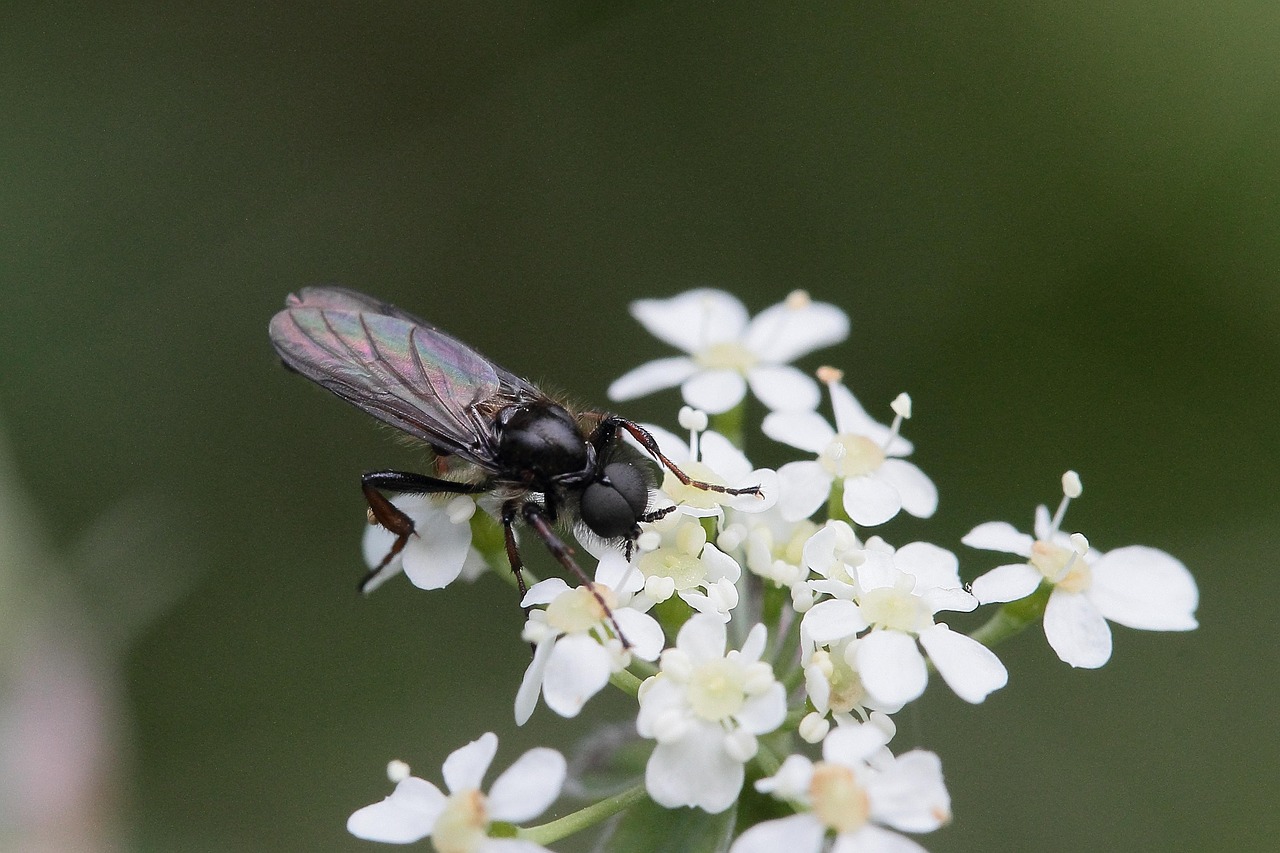
Before you reach for heavy-duty outdoor power equipment or chemical treatments, you must confirm that you are dealing with fungus gnats. These pests are often confused with fruit flies or whiteflies, but their behavior and life cycle are distinct. Fungus gnats are weak fliers that tend to hover just above the soil surface or crawl across it, rather than flying in organized swarms around your fruit bowl.
To assess the infestation, observe the insects closely. If you see tiny, mosquito-like flies darting sporadically around your pots, you likely have fungus gnats. Their life cycle is intrinsically linked to damp organic matter. The adults lay eggs in the top inch of moist soil, where the larvae then feed on decaying plant material and delicate root hairs.
Perform a hands-on inspection to confirm the source:
- The Soil Test: Gently tap the side of your plant pots. If a cloud of small, dark insects rises from the surface, the soil is the primary breeding ground.
- The Yellow Sticky Trap Method: Place a small yellow sticky card horizontally on the soil surface. Fungus gnats are attracted to the color and will become trapped, allowing you to gauge the severity of the population.
- Moisture Check: Fungus gnats thrive in constantly saturated potting medium. If your soil remains wet for days after watering, it creates the perfect nursery for larvae.
If you notice gnats emerging from the soil, it is a clear indicator that your watering habits or drainage are problematic. These pests are a symptom of an environment that is staying too wet for too long. Instead of relying on aggressive tools, the most effective first step is to allow the top two inches of your potting soil to dry out completely between waterings. This simple adjustment disrupts the life cycle by making the surface inhospitable for eggs and larvae.
If the infestation persists despite drying out the soil, you may need to inspect your drainage holes to ensure they are not clogged. Proper garden maintenance starts with understanding these environmental cues. By identifying the gnats early and addressing the moisture levels in your containers, you can often resolve the issue without needing specialized equipment or harsh pesticides.
Dry Out the Soil Surface
Fungus gnats thrive in consistently damp environments. Their larvae feed on organic matter and fungi found in moist potting soil, making the top layer of your containers their primary breeding ground. By strategically managing moisture, you can effectively disrupt their life cycle and prevent new generations from maturing.
The most reliable method to control an infestation is to allow the top two inches of your potting soil to dry out completely between waterings. When the surface remains dry for several days, the larvae—which require consistent humidity to survive—will perish. Before watering again, perform a quick finger test: insert your finger into the soil up to the second knuckle. If you feel any dampness, wait another day or two.
To ensure your plants stay healthy while you implement this drying cycle, consider these practical maintenance tips:
- Improve Drainage: Ensure your pots have functioning drainage holes. If a pot sits in a saucer of standing water, the soil will wick moisture upward, keeping the surface perpetually damp and inviting to gnats.
- Use Well-Draining Soil: If you frequently struggle with gnats, your current potting mix may be retaining too much water. Consider amending your soil with perlite, pumice, or coarse horticultural sand to increase aeration and drainage.
- Bottom Watering: Instead of pouring water onto the top of the soil, place your pot in a tray of water for 15 minutes. This allows the roots to absorb moisture from below, leaving the top two inches of soil dry and inhospitable to gnat larvae.
- Remove Debris: Clear away fallen leaves or decaying plant matter from the soil surface. This organic debris provides a food source and extra moisture retention that gnats love.
Consistency is key. While it may take a few weeks to see a significant reduction in the adult gnat population, keeping the surface dry is the most effective long-term solution. If your plants are particularly sensitive to drought, monitor them closely for signs of wilting, but remember that most common houseplants prefer a slight dry-out period over the constant saturation that encourages pests. By adjusting your watering habits, you create an environment where your plants can thrive without becoming a nursery for fungus gnats.
Implement Physical Barriers and Traps
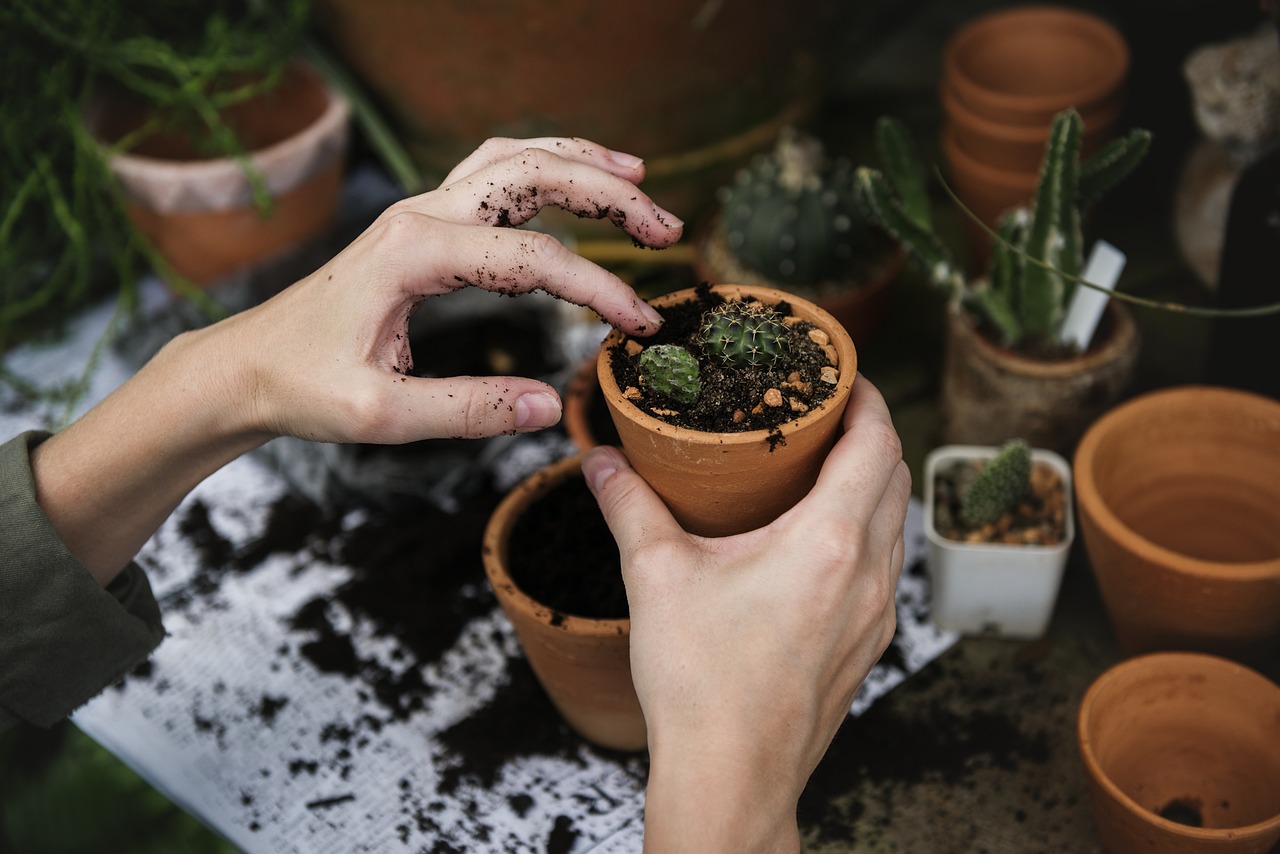
One of the most effective ways to break the fungus gnat life cycle is to physically prevent adult gnats from accessing your soil. Since these pests thrive in moist organic matter, creating a hostile environment for them is essential for long-term control.
Start by deploying yellow sticky traps. Fungus gnats are naturally attracted to the color yellow, which mimics the appearance of flowers and healthy foliage. By placing these traps near the base of your plants, you can capture adult gnats before they have the opportunity to mate and lay new eggs in your potting mix. This significantly reduces the population over time.
While traps manage the adults, you must also protect the soil surface. Fungus gnats require damp soil to deposit their eggs. You can disrupt this process by creating a dry, abrasive physical barrier on top of your potting medium. Follow these steps to implement an effective soil cover:
- Remove any debris or decaying leaves from the surface of the soil, as these provide food for larvae.
- Apply a layer of coarse sand, decorative gravel, or horticultural grit roughly one-quarter to one-half inch thick across the entire surface of the pot.
- Ensure the layer is uniform and reaches the edges of the container so no exposed soil remains accessible.
This method works because the sand or gravel dries out much faster than the soil beneath it. When an adult gnat attempts to land and burrow into the pot to lay eggs, it finds a dry, inhospitable surface instead of the moist habitat it requires. Furthermore, the sharp texture of the grit can be difficult for the insects to navigate.
For the best results, combine these physical barriers with proper watering habits. Always allow the top two inches of your soil to dry out completely between waterings. When you combine the traps to catch the remaining adults with a sand barrier to protect the soil, you effectively cut off the breeding cycle from both ends. This dual-action approach is a safe, non-toxic way to manage infestations without relying on harsh chemical pesticides that could harm your houseplants or indoor air quality. Monitor your traps regularly and replace them once they become covered in insects to maintain consistent protection.
Safe Treatment Options
When dealing with a gnat infestation in your plant soil, prioritize treatments that are effective yet safe for your indoor environment and pets. Before applying any substance, ensure you are wearing gardening gloves to protect your skin, and always read the product label thoroughly to follow the manufacturer’s specific dilution and application instructions.
Biological controls are often the most effective way to eliminate fungus gnats at the larval stage without harming your plants. Consider these proven options:
- BTI (Bacillus thuringiensis israelensis): This is a naturally occurring bacterium that specifically targets the larvae of fungus gnats. It is available in granular or liquid forms, such as “mosquito bits” or “mosquito dunks.” Simply soak the product in your watering can for several hours before watering your plants. This ensures the bacteria reach the soil where larvae feed, effectively stopping the next generation of gnats.
- Neem Oil: Derived from the neem tree, this organic oil acts as a repellent and disrupts the growth cycle of gnats. When used as a soil drench, it can help manage populations. However, be mindful that neem oil has a distinct odor, so ensure your space is well-ventilated during application.
For those who prefer a mechanical approach, sticky yellow traps are an excellent supplement to biological treatments. While they do not address the larvae in the soil, they are highly effective at capturing adult gnats, preventing them from laying more eggs. Place these traps near the soil surface to monitor your progress.
In addition to these treatments, adjust your watering habits. Fungus gnats thrive in constantly moist soil. Allow the top two inches of your potting mix to dry out completely between waterings. This creates an inhospitable environment for larvae and encourages healthier root systems.
If you are using hand tools or gardening implements during the treatment process, be sure to clean them thoroughly afterward. Keeping your equipment sanitized prevents the accidental spread of pests or pathogens to other healthy houseplants. If an infestation is severe, consider repotting the plant with fresh, high-quality soil, ensuring you discard the old, infested medium in a sealed bag to prevent the gnats from migrating back to your indoor garden.
Follow-Up Care and When to Seek Help
Once you have initiated your treatment plan, consistent monitoring is essential to ensure the gnats do not return. Fungus gnats often have overlapping life cycles, meaning new larvae may hatch from eggs hidden deep within the soil even after you have addressed the adults. Check your plants every few days for at least three weeks to catch any resurgence early.
During this follow-up period, keep a close eye on the soil surface. Use a small hand trowel or a simple wooden skewer to gently probe the top inch of potting mix. If you notice any movement or see adult gnats hovering near the base of the stem, your initial treatment may need to be repeated. Ensure that your watering schedule remains conservative; allowing the top two inches of soil to dry out completely between waterings is the most effective way to disrupt the gnat life cycle.
If you find that the infestation persists despite your best efforts, the potting medium itself may be harboring a large population of larvae. In this case, repotting is the most reliable solution:
- Gently remove the plant from its current container.
- Discard the old, infested soil entirely rather than composting it.
- Wash the existing pot with warm, soapy water to remove any lingering eggs or debris.
- Repot the plant using fresh, high-quality, sterile potting mix.
- Avoid overwatering immediately after repotting, as the roots will need time to adjust.
For those managing a severe outbreak that has spread across multiple plants, do not hesitate to seek professional guidance. Local nursery staff are often equipped with specialized knowledge regarding regional pests and can recommend specific, plant-safe biological controls—such as beneficial nematodes or localized soil drenches—that may be more effective than household remedies. Bringing in a sample of the affected soil or a leaf cutting in a sealed plastic bag can help experts provide a precise diagnosis.
Remember that healthy plants are more resilient to pest pressure. Maintaining proper airflow around your foliage and ensuring your pots have adequate drainage holes are fundamental habits that prevent the damp conditions gnats thrive in. By staying vigilant and acting quickly, you can restore the health of your indoor garden and keep it pest-free for the long term.

Dedicated team of gardening enthusiasts with years of hands-on experience testing lawn mowers, gardening tools, and outdoor equipment. We help home gardeners and professionals alike make informed buying decisions with honest, thorough reviews. From push mowers to pruning shears, we test it all so you don’t have to. Got a gardening tool you’d like us to review? Get in touch!