
Navigating gardening tools before winter requires careful consideration of new tradeoffs shaping 2026 choices, where the pressure to purchase high-end upgrades often clashes with the reality of seasonal maintenance. As autumn winds down and the first frost approaches, gardeners face a distinct set of operational and financial choices.
October coverage emphasizes that late-season tasks—such as shifting established plants to better microclimates, protecting frost-tender perennials, and executing final cleanup—do not require a garage full of expensive gadgets. Gardening Know How notes that fall can be a useful time to move certain plants because cooler conditions reduce heat stress, though suitability depends strictly on plant type and local timing. Current October job lists also emphasize new planting, frost protection, and storing tender plants using a modest toolkit consisting usually of a sharp spade, a fork where appropriate, pruners for damaged growth, a tarp or tub for transport, watering tools, and gloves. Instead of buying specialized equipment, pre-winter tool decisions in 2026 involve balancing upfront investments against longevity and storage limitations. This approach recognizes that root-ball size, proper hydration, correct replanting depth, and diligent aftercare matter far more than owning a high volume of tools, especially since stressed plants should never be moved when the ground is frozen or waterlogged.
The Timely Logic of Late-Season Shifting
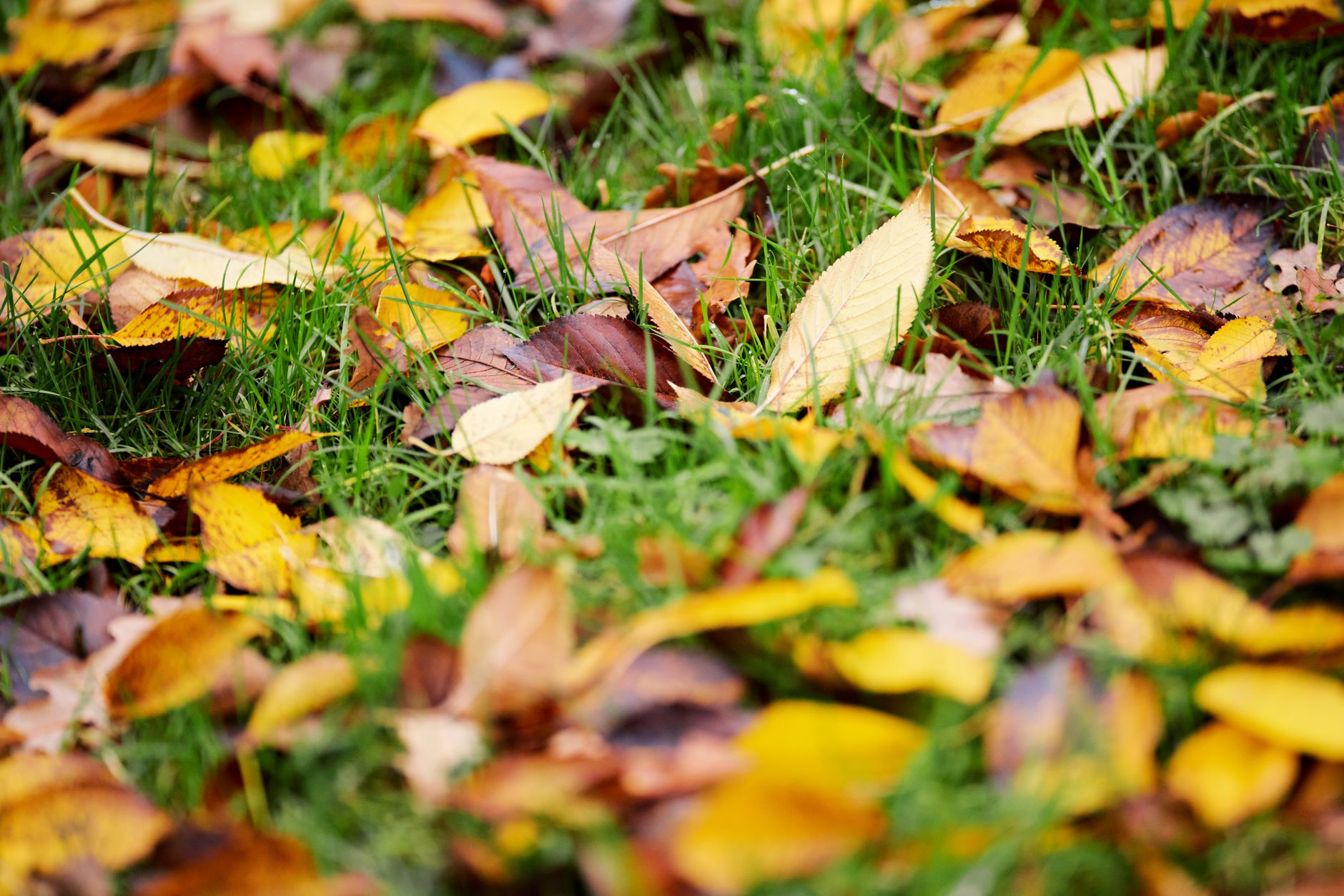
Fall provides a strategic seasonal window for relocating select perennials, shrubs, and ornamental grasses. According to recent Gardening Know How reporting published in late October 2026, shifting certain plants during this period can give them a head start for next year. Cooler air temperatures reduce transpiration and heat stress, allowing root systems to establish in settling soil before winter locks up the ground.
However, current industry reporting emphasizes that this is not a universal green light for every specimen in the yard. Suitability depends heavily on specific plant types, local frost timelines, and prevailing soil conditions. According to general extension guidance, success relies far more on proper technique than on owning specialized digging gear.
Gardeners must weigh several critical factors before putting a spade in the ground:
- Plant resilience: Moving stressed specimens or fragile varieties late in the season often proves fatal.
- Ground conditions: Attempting transits when the soil is completely frozen or waterlogged can tear root systems apart.
- Biological timing: The root-ball size, post-transplant hydration, proper replanting depth, and diligent aftercare matter far more than the brand or price of the tools used.
Rushing to upgrade to heavy-duty motorized trenchers or expensive specialty extraction gear does not override these biological realities. If a plant is already weakened by summer drought or disease, or if local frost dates arrive unexpectedly early, even the most advanced equipment cannot prevent root failure. Assessing the actual health of the plant and the state of the soil remains the most reliable metric for deciding whether a late-season move is worth the effort.

Evaluating the Essential Pre-Winter Toolkit
The transition into winter strips away the marketing noise surrounding specialized gardening gear, revealing a modest core toolkit that handles 90 percent of late-season chores. As current October job lists emphasize new planting, frost protection, and storing tender plants, the seasonal equipment required to execute these tasks remains refreshingly straightforward. Rather than investing in heavy power equipment for end-of-season overhauls, prioritizing hand-tool ergonomics and edge retention yields better long-term results.
A clean, sharp spade, a sturdy garden fork, bypass pruners for clearing damaged growth, a dependable transport tarp or tub, and proper watering tools form the backbone of October operations. According to recent guidance highlighted by gardening authorities, fall can be a uniquely useful time to relocate certain perennials and shrubs because cooler ambient conditions significantly reduce heat stress on the plant.
However, successful execution relies far more on technique and physical prep than on high-end gadgetry. To manage late-season transplanting and winterizing efficiently, focus on the following foundational elements:
- Cutting and Digging: A sharp spade makes clean root cuts rather than tearing plant tissue, while a sturdy fork gently loosens compacted soil around established root balls without heavy bruising.
- Maintenance Implements: High-quality bypass pruners address diseased or damaged growth cleanly, preventing pest entry points before the ground freezes.
- Transport Gear: A durable tarp or garden tub moves soil, mulch, and uprooted specimens across the yard with minimal manual lifting strain.
- Hydration Delivery: Reliable hoses or watering cans secure deep root hydration before hard freezes settle in, which is vital for winter survival.
When evaluating total cost and safety tradeoffs heading into winter, expensive motorized cultivators or specialized extraction gadgets often introduce unnecessary maintenance overhead and storage burdens. Instead, root-ball size, proper hydration, accurate replanting depth, and diligent aftercare matter far more to overall garden health than owning an extensive inventory of niche devices.
As general horticultural guidance stresses, operators should avoid moving stressed specimens when the ground is frozen or waterlogged, regardless of how advanced their equipment might be. Investing time in cleaning, sharpening, and oiling a simple hand toolkit protects your upfront capital and ensures dependable performance year after year.

When a Popular Upgrade Is the Wrong Choice
As retail shelves fill up with autumn promotions, shoppers face heavy pushes for motorized cultivators, oversized multi-blade pruners, and complex automated deep-root watering systems. While these high-ticket upgrades promise faster end-of-season cleanup, they often introduce unnecessary tradeoffs for gardeners preparing beds for winter. Purchasing expensive machinery right before the ground freezes can inflate total seasonal costs without delivering practical benefits.
Heavy motorized tillers, for instance, frequently do more harm than good during late-season maintenance. Running machinery right as garden beds should be settling down can disrupt fragile soil structure and bury weed seeds deep into the earth. Furthermore, motorized equipment lacks the precise tactile feedback required when working around established root systems. Sticking to a durable manual spade or garden fork allows for greater control, significantly lowering the risk of accidental root severing that heavy machinery frequently causes.
Automated deep-root watering systems present a different set of financial and operational risks as temperatures drop. Installing complex irrigation upgrades late in the year exposes lines to potential freeze damage if they are not completely drained and winterized before the first hard frost. For most regional climates, simple manual watering tools paired with a traditional hose remain safer and more cost-effective.
Evaluating tool upgrades requires weighing several critical factors:
- Soil Preservation: Manual hand tools protect delicate soil biology from the disruptive churning of heavy motorized equipment.
- Total Cost: Skipping pricey automated systems prevents unnecessary spending on gear that requires immediate winterization.
- Precision Control: Simple pruners and spades offer the fine-tuned handling needed for delicate autumn transplanting and cleanup.
Current seasonal guidance from horticultural sources emphasizes that root-ball size, proper hydration, and replanting depth matter far more to plant survival than owning specialized gear. Relying on a modest, reliable toolkit avoids the pitfalls of over-mechanization and keeps end-of-year gardening simple.
Weighing Total Cost Versus Tool Longevity
Economic pressures are prompting tighter household budgets across the board, making every pre-winter purchase face heightened scrutiny. When evaluating equipment ahead of cold-weather storage, buyers must look beyond sticker prices to calculate the total cost of ownership over a tool’s entire lifecycle. A seemingly affordable piece of gear can quickly become a false economy if it fails halfway through late-season tasks.
Cheap stamped-steel shovels and low-grade pruners frequently bend, twist, or snap under the heavy torque required to slice through dense autumn root balls. While these budget-friendly instruments save money at the checkout counter, replacing them every year or two drives up cumulative expenses. Furthermore, failing equipment risks damaging delicate root systems during crucial transplant windows when timing is already tight.
Investing in higher-quality construction changes the financial equation over time. Premium options typically feature:
- Forged-steel blades: Resist dulling and structural warping under heavy leverage.
- Hardwood handles: Provide resilient flex and durability compared to brittle plastics.
- Rust-resistant coatings: Protect metal components from damp autumn soils and winter moisture in storage sheds.
While these durable designs require a higher initial financial outlay, they survive seasonal moisture and deliver dependable performance year after year. Current gardening guidance suggests that owning a modest toolkit of robust, long-lasting basics yields better financial and horticultural results than accumulating a collection of inexpensive, specialized gadgets that break under pressure.
Buyers should carefully weigh whether a specialized upgrade justifies its ongoing maintenance costs. If a heavy-duty tool is only used during brief autumn transitions, maintaining it properly with oiling and sharpening becomes the primary factor in protecting that investment against premature wear.
Maintenance, Storage, and Rust Prevention
The final task before hanging up your gear for winter is proper maintenance. Leaving soil and organic acids on steel blades accelerates pitting and corrosion during months of non-use. A thorough scrubbing with stiff brushes, followed by a light coat of linseed oil or multi-purpose oil on metal surfaces, protects your investment from humidity shifts in sheds and unheated garages.
Wooden handles also benefit from attention before storage to prevent splintering and dry rot during the freeze-thaw cycle. A quick sanding smooths away rough spots, while an application of boiled linseed oil restores moisture to the grain. Skipping these steps can turn minor surface rust into structural damage by spring.
Essential Pre-Winter Maintenance Checklist
- Scrub all caked dirt, sap, and organic debris from metal blades and tines using a stiff-bristled brush and warm water.
- Dry every tool completely with a clean cloth to prevent immediate flash rusting before applying protective coatings.
- Wipe down metal surfaces with a light layer of multi-purpose oil or linseed oil to create a moisture barrier against winter dampness.
- Sand away splintered areas on wooden handles and rub with oil to guard against dry rot induced by temperature swings.
- Store cleaned tools off damp concrete floors by hanging them securely on wall racks or placing them in dry storage bins.
Current reporting on seasonal upkeep emphasizes that preventative care reduces the need for frequent replacements next season. While specific maintenance requirements depend on your local climate and storage conditions, treating tools as an integrated system helps preserve both cutting edges and mechanical efficiency through the coldest months.
Safety Protocols for Cold-Weather Groundwork
Working outdoors as temperatures drop introduces physical risks that require active management. Cold soil increases tool resistance, making slips more likely when prying stubborn root balls with a spade or fork. According to current seasonal maintenance guidance, winter prep often involves physical exertion under declining weather conditions, heightening the chance of strain or sudden loss of balance.
To mitigate these hazards, gardeners should wear insulated, high-grip gloves that maintain dexterity while protecting against moisture and cold-induced stiffness. Maintaining firm footing is essential when applying leverage to heavy soil. Gardeners must avoid leveraging tools at awkward body angles, which places excessive stress on the lower back and increases the probability of tool slippage.
Furthermore, protecting tender plants and applying winter mulches should be completed before heavy freezes make the ground dangerously slick and difficult to manage. Attempting to break through frozen topsoil with standard hand tools creates sudden resistance spikes that can cause handles to snap or blades to deflect unpredictably.
While current October reporting highlights a modest essential toolkit for late-season jobs—typically limited to a sharp spade, a fork, pruners, a transport tarp, and appropriate gloves—safety protocols dictate how those tools are handled. If the ground has already frozen solid or become waterlogged, forcing equipment into the earth creates unnecessary physical danger.
Managing these late-season tradeoffs safely involves several practical steps:
- Inspect tool handles for cracks or weakness caused by moisture and summer wear before tackling cold ground.
- Clear debris and wet leaves from walking paths to prevent slips while carrying heavy tubs or potted tender plants indoors.
- Pry root balls gradually using steady, downward pressure rather than sudden jerking motions that compromise balance.
Although suitability depends on plant type and local timing, tackling final outdoor chores safely requires patience and proper body positioning. Respecting environmental limits prevents both personal injury and damage to valuable equipment.
Managing Frost Protection and Tender Plant Storage
As autumn transitions into winter, the final stretch of garden management requires shifting focus from active cultivation to preservation. Beyond transplanting established perennials and clearing damaged growth, gardeners must prepare for freezing temperatures by safeguarding vulnerable species and tender potted plants. This phase of seasonal upkeep relies less on heavy machinery and more on strategic protection methods, such as applying heavy mulches, installing row covers, and relocating container-grown specimens into frost-free environments like garages, sheds, or basements.
Timing these protective measures correctly is essential. Acting too early can trap lingering warmth and promote weak, leggy late-season growth, while waiting until after a hard freeze can cause irreversible cellular damage to tender roots and foliage. When moving plants indoors, inspect them thoroughly for lingering pests or diseases to prevent infestations from spreading in enclosed spaces. For plants remaining in the ground, ensure the root zones are adequately hydrated before the soil freezes, as dry roots are significantly more susceptible to frost heave and winter desiccation. By prioritizing these preservation steps alongside tool maintenance, gardeners can protect their investments and set the stage for a healthier, more resilient landscape when spring eventually returns.
Frequently Asked Questions
Is fall always the best time to move established perennials and shrubs? No. While cooler air reduces heat stress, success depends entirely on the plant species, local weather patterns, and soil moisture. Moving plants into frozen or waterlogged ground should be strictly avoided.
No. While cooler air reduces heat stress, success depends entirely on the plant species, local weather patterns, and soil moisture. Moving plants into frozen or waterlogged ground should be strictly avoided. Fall transplanting allows certain plants to establish roots before winter dormancy, but it is not a universal rule. Regional frost dates, soil temperatures, and the physiological state of the specific plant dictate whether a move will succeed. Attempting to relocate stressed specimens or working in saturated soil frequently leads to root rot or severe winter damage, making careful assessment of local conditions far more critical than simply following a rigid seasonal calendar.
What is the absolute minimum toolkit needed for end-of-season gardening? A sharp spade, a sturdy garden fork for lifting root balls, bypass pruners for clearing damaged stems, a heavy-duty tarp or tub for moving debris, and proper watering tools are typically all you need.
A sharp spade, a sturdy garden fork for lifting root balls, bypass pruners for clearing damaged stems, a heavy-duty tarp or tub for moving debris, and proper watering tools are typically all you need. Rather than buying specialized gadgets for final seasonal jobs, focusing on these versatile manual instruments ensures you can handle late planting, frost protection, and the storage of tender plants efficiently. Maintaining a modest, high-quality collection keeps upfront costs down and simplifies maintenance, allowing you to prioritize the essential biological needs of your landscape over unnecessary hardware investments before winter weather completely sets in across your region.
Why might a high-end motorized garden tool be a bad investment in late autumn? Motorized cultivators can disrupt dormant soil structure and destroy established root zones just as plants are preparing for winter dormancy, while also introducing storage and freeze-protection issues.
Motorized cultivators can disrupt dormant soil structure and destroy established root zones just as plants are preparing for winter dormancy, while also introducing storage and freeze-protection issues. Purchasing expensive power equipment for final seasonal cleanups often represents a poor financial trade-off. Heavy machinery can easily compact damp late-season soil, harming delicate microbial networks and perennial roots. Furthermore, preparing gas or battery-powered units for winter storage requires stabilizing fuel, charging or removing batteries, and preventing moisture corrosion, adding unnecessary maintenance chores at a time when your primary focus should be safeguarding vulnerable garden beds from impending frost.
How can I protect my metal gardening tools from rusting over the winter? Clean off all dirt and plant residue immediately after your final use, dry the metal thoroughly, and apply a thin protective layer of mineral or linseed oil before storing them in a dry location.
Clean off all dirt and plant residue immediately after your final use, dry the metal thoroughly, and apply a thin protective layer of mineral or linseed oil before storing them in a dry location. Moisture left on spade blades, pruners, and forks combines with residual soil acids to accelerate corrosion during the dormant months. Taking a few minutes to scrub away caked-on mud, wipe the surfaces completely dry, and rub down cutting edges with protective oil preserves the integrity of your equipment. Storing these treated items off damp garage or shed floors ensures they remain sharp, safe, and ready for action when spring returns.
Does root-ball size matter more than the type of spade I use? Yes. Preserving an adequate, intact root-ball, ensuring proper replanting depth, and providing adequate post-transplant hydration matter far more to plant survival than owning expensive specialized digging equipment.
Yes. Preserving an adequate, intact root-ball, ensuring proper replanting depth, and providing adequate post-transplant hydration matter far more to plant survival than owning expensive specialized digging equipment. Gardeners often focus heavily on acquiring trendy, high-end shovels or mechanical trenchers, yet plant recovery depends almost entirely on minimizing root disturbance during late-season moves. A basic, sharp spade used carefully to preserve a generous mass of surrounding soil will consistently outperform a costly tool wielded carelessly. Prioritizing root preservation and attentive watering guarantees much higher survival rates than investing in premium hardware for autumn landscape modifications.
Sources and updates
Details can change after the October 24, 2026 research cutoff. Check the linked sources and current local guidance before acting.
- Gardening Know How: plants to move in fall (2026-10-22)
- Woman & Home: essential October gardening jobs (2026-10-20)
- University of Minnesota Extension: transplanting established plants (current guidance)
