
Fungus gnats are a common nuisance for indoor and outdoor gardeners, often thriving in moist soil conditions. To keep gnats off your plants, you must prioritize drying out the top layer of soil and using sticky yellow traps to catch adults. These simple, non-toxic adjustments effectively disrupt the life cycle of these persistent, annoying pests.
While these insects are rarely fatal to healthy vegetation, they can damage delicate root systems if an infestation grows severe. Expect to see immediate results by combining physical barriers with improved drainage techniques. Managing your garden environment is the most sustainable way to protect your greenery without relying on harsh, expensive chemical sprays.
This guide explains how to identify these pests, implement effective removal strategies, and adjust your gardening habits to prevent future infestations. We will explore essential hand tools and maintenance routines that keep your plants thriving. Follow these practical steps to regain control of your home garden and ensure your plants remain healthy, vibrant, and completely gnat-free.
Identifying the Problem and Source
Before reaching for pesticides or specialized garden maintenance equipment, you must confirm that fungus gnats are the true culprits. Mistaking them for other common pests, like fruit flies or whiteflies, can lead to ineffective treatments that waste time and potentially harm your plants.
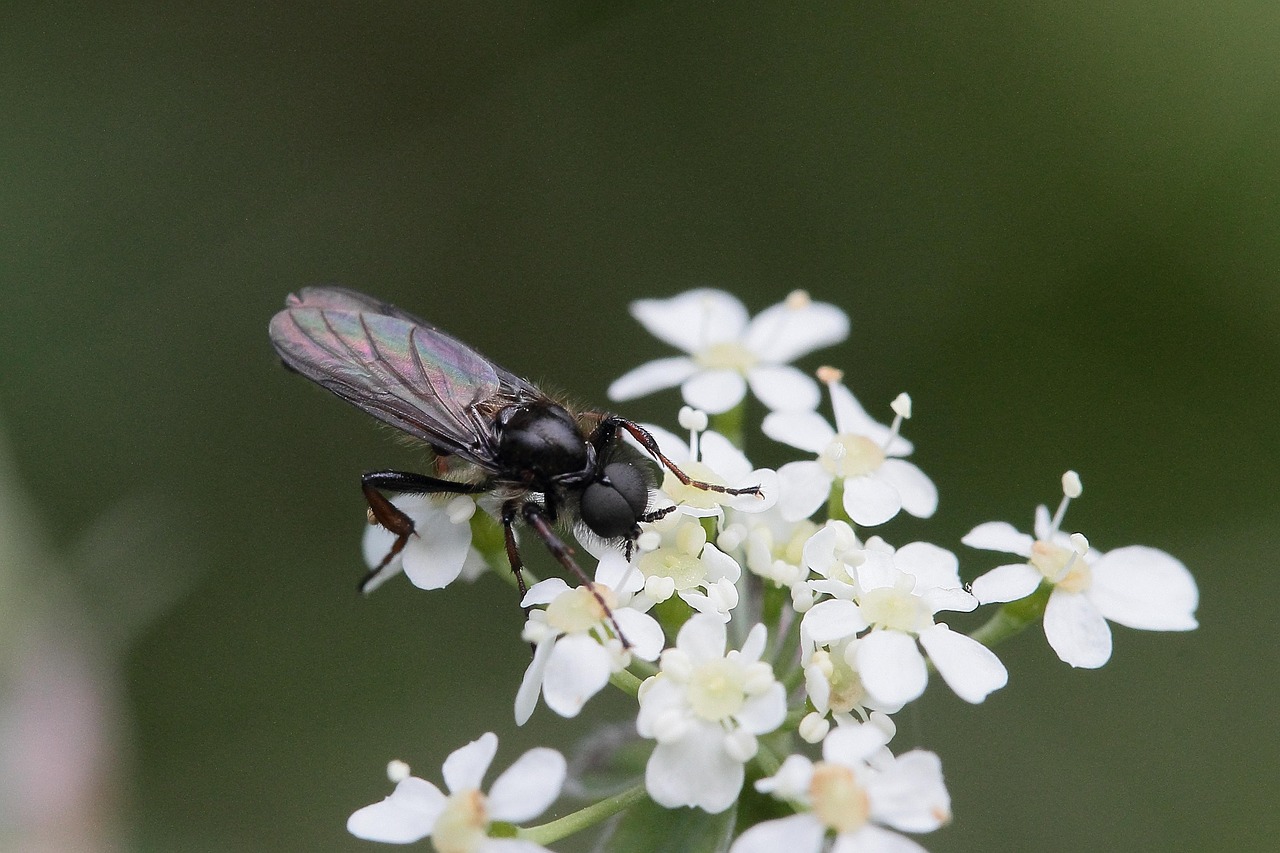
Fungus gnats are small, dark-colored flies, typically measuring about 1/8 inch in length. They have long legs and delicate, clear wings. While they are weak fliers and often appear to “hover” near the soil surface or crawl erratically across leaves, they do not swarm in large, buzzing clouds like houseflies. If you notice tiny, mosquito-like insects darting around your indoor plants or garden beds immediately after you water, they are likely fungus gnats.
These pests are primarily attracted to damp, decaying organic matter. They thrive in overly saturated potting mix, where they lay eggs in the top inch of soil. The larvae then feed on fungi and decaying plant roots, which is why your plants may suddenly appear stunted or yellowing despite your best efforts at care.
To confirm an infestation, use these practical inspection steps:
- The Yellow Sticky Trap Test: Place small yellow sticky cards near the base of your plants. Fungus gnats are highly attracted to the color yellow and will become trapped, allowing you to easily identify them.
- The Soil Surface Check: Gently disturb the top layer of your potting mix or garden mulch. If you see tiny, black insects scurrying away or taking short, low flights, you have an active population.
- The Potato Slice Method: Place a small slice of raw potato on the surface of the soil and leave it overnight. The next morning, lift the slice; if larvae are present, they will often be visible on the underside of the potato.
Once you confirm the presence of these pests, evaluate your watering habits. Fungus gnats are a clear indicator that your soil is staying too wet for too long. By identifying the source—usually poor drainage or over-frequent irrigation—you can address the root cause of the infestation before applying any treatments. Ensuring the top inch of soil dries out completely between waterings is often the most effective way to break their life cycle.
Immediate Steps to Reduce Gnat Populations
If you have noticed tiny, dark flies hovering around your houseplants, you are likely dealing with fungus gnats. These pests thrive in moist environments, making your indoor garden an ideal breeding ground. Taking immediate action is essential to stop them from multiplying and damaging your plants’ root systems.
The most effective way to address the adult population quickly is by using yellow sticky traps. Fungus gnats are naturally attracted to the color yellow, which they associate with flowers and food sources. Placing these traps near the soil surface will capture flying adults before they have a chance to lay more eggs. While this will not eliminate the larvae already living in the soil, it is a crucial step in breaking the reproductive cycle.
To tackle the root of the problem, you must disrupt the life cycle of the larvae. Fungus gnat larvae feed on organic matter and fungi in damp soil. By changing the environment, you can make the soil inhospitable for them. Follow these practical steps to manage moisture levels:
- Let the soil dry out: Allow the top two inches of potting soil to become completely dry to the touch before watering again. Dry soil kills larvae and prevents new eggs from hatching.
- Bottom water your plants: Instead of pouring water directly onto the soil surface, place your pot in a tray of water for 15 minutes. This keeps the top layer of soil dry, which is the primary habitat for gnat larvae.
- Remove debris: Clear away any fallen leaves, decaying plant matter, or stagnant water from the soil surface, as these provide additional food and moisture for the larvae.
- Improve drainage: Ensure your pots have adequate drainage holes and that you are using a well-aerated potting mix. Avoid letting plants sit in excess water in saucers.
Consistency is key when dealing with these pests. While sticky traps provide immediate visual relief, the larvae in the soil may take a few weeks to fully cycle out. By combining physical trapping with strict moisture control, you create a hostile environment that encourages the gnats to leave or perish. Monitor your plants closely over the next two weeks; if you remain diligent with your watering schedule, you will see a significant reduction in the gnat population.

Natural Remedies and Soil Treatments
Gnats, specifically fungus gnats, thrive in moist potting soil where they lay their eggs. To break their reproductive cycle, you must target the top layer of the soil and the larvae living just beneath the surface. These natural, non-toxic methods are effective for indoor and outdoor container plants alike.
Physical Barriers
The most effective way to stop gnats is to prevent adults from reaching the soil to lay eggs. Fungus gnats require damp organic matter to reproduce, so drying out the top inch of soil is your first line of defense. Once the soil is dry, you can add a physical barrier:
- Sand or Decorative Gravel: Apply a half-inch layer of coarse sand or fine decorative gravel over the entire soil surface. This creates a dry, abrasive layer that adults cannot penetrate to lay eggs, and it prevents larvae from emerging.
- Maintenance Tip: Ensure you use coarse horticultural sand rather than fine play sand, which can pack down and prevent proper drainage.
Safe Soil Treatments
If you already have an active infestation, you need to treat the soil to kill existing larvae. These solutions are safe for most houseplants when applied correctly:
- Hydrogen Peroxide Solution: Mix one part 3% hydrogen peroxide with four parts water. Pour this mixture into the soil until it is thoroughly saturated. You will hear a harmless fizzing sound as the solution contacts organic matter and kills larvae on contact.
- Neem Oil Drench: Neem oil is a natural insecticide derived from the neem tree. Mix a high-quality, cold-pressed neem oil with water and a drop of mild dish soap according to the manufacturer’s instructions. Use this as a soil drench during your regular watering cycle. The oil disrupts the growth cycle of the larvae without harming the plant’s root system.
Practical Application Advice
Always test a small portion of the soil or a single leaf before treating an entire collection of plants. When using liquid treatments, ensure your pots have adequate drainage holes to prevent waterlogged roots, which attract gnats in the first place. By combining a physical barrier like sand with a targeted treatment like a hydrogen peroxide drench, you can eliminate a gnat problem within two to three weeks, ensuring your garden remains healthy and pest-free.
Preventative Maintenance and Tool Hygiene
Preventing a gnat infestation starts with the environment you create for your plants. Fungus gnats thrive in damp, decaying organic matter, making your maintenance routine the first line of defense. By focusing on soil health and tool hygiene, you can disrupt their breeding cycle before it begins.
Always start with high-quality, sterile potting mixes. Bagged soil from reputable brands is typically heat-treated to kill larvae and eggs. Avoid using garden soil for indoor containers, as it often harbors pests and lacks the necessary aeration. To further minimize moisture retention, ensure every pot has adequate drainage holes. Stagnant water at the bottom of a pot is a primary breeding ground for gnats; never let your plants sit in a saucer of excess water for more than an hour.
Your gardening tools can inadvertently act as transport for gnat eggs and larvae. If you use the same trowel or pruner across multiple plants, you risk spreading an infestation throughout your collection. Establish a routine of cleaning your equipment to keep your garden healthy:
- Wipe down hand tools with a solution of one part bleach to nine parts water after each use.
- Scrub pots thoroughly with hot, soapy water before reusing them for new plants.
- Store tools in a dry, clean area to prevent moisture buildup on blades and handles.
When dealing with persistent infestations, you may choose to use concentrated organic treatments, such as neem oil or BTI (Bacillus thuringiensis israelensis) drops. These are highly effective but require careful handling to ensure your safety and the health of your home environment:
Always wear nitrile or rubber gloves when mixing or applying concentrated treatments to prevent skin irritation. Because these products can release fine mists or strong odors, perform all mixing and application in a well-ventilated area, such as a garage with the door open or outdoors. Avoid inhaling the spray by wearing a mask if the product instructions suggest it, and keep all concentrated bottles tightly sealed and stored out of reach of children and pets. By combining rigorous tool hygiene with proactive soil management, you create an inhospitable environment for gnats, ensuring your plants remain healthy and pest-free throughout the growing season.

When to Seek Professional Help
While most gnat infestations respond well to consistent home care, there are times when your efforts may not be enough. If you have treated your plants with neem oil, sticky traps, or hydrogen peroxide solutions for three consecutive weeks without a noticeable reduction in gnat activity, the infestation has likely moved beyond the surface soil and into the deeper root structures or neighboring pots.
You should consider seeking professional horticultural advice or taking drastic measures if you observe the following signs of a severe, unmanageable infestation:
- Widespread wilting: If the plant shows significant drooping or yellowing leaves despite proper watering, the larvae may have damaged the root system to the point of collapse.
- Visible root rot: Upon inspection, if roots appear mushy, discolored, or emit a foul odor, the plant is likely suffering from fungal decay exacerbated by gnat larvae.
- Cross-contamination: If gnats have spread to every plant in your collection, the sheer volume of larvae may be too high for home-based remedies to clear effectively.
When an infestation reaches this stage, repotting is often necessary, but it must be done carefully. Remove the plant from its container, gently wash the roots under lukewarm water to dislodge larvae, and discard the old soil entirely—do not attempt to sterilize and reuse it. Repot the plant into a fresh, high-quality potting mix that drains well, as gnats thrive in constantly damp, peat-heavy soil.
If the plant is heavily infested and showing signs of severe decline, it is often safer to dispose of it rather than risk the health of your wider garden. Gnats are highly mobile and can quickly migrate to healthy plants, undoing your hard work. In such cases, placing the plant in a sealed bag before disposal prevents the pests from escaping into your home or outdoor space.
If you are dealing with a rare or expensive specimen, consult a local nursery or a professional arborist before discarding it. They may be able to provide systemic treatments or specialized soil drenches that are not typically available in standard home improvement stores. Recognizing when a plant is beyond saving is a vital part of maintaining a healthy, pest-free indoor garden.

Dedicated team of gardening enthusiasts with years of hands-on experience testing lawn mowers, gardening tools, and outdoor equipment. We help home gardeners and professionals alike make informed buying decisions with honest, thorough reviews. From push mowers to pruning shears, we test it all so you don’t have to. Got a gardening tool you’d like us to review? Get in touch!