
Fungus gnats are a common frustration for indoor gardeners, often appearing when soil stays too damp. To eliminate these pests, you must first allow your potting mix to dry out completely between waterings, as this interrupts their life cycle and prevents larvae from surviving in the moist, nutrient-rich environment they prefer.
While these tiny flies are generally harmless to humans, they can damage delicate root systems if left unchecked. It is important to remember that complete eradication takes time and consistency, as you need to break the breeding cycle. Be patient while applying these treatments to ensure your indoor garden remains healthy and vibrant.
This guide explains how to identify the source of the infestation and provides practical, step-by-step methods to eliminate them and protect your houseplants using safe, household-friendly techniques. From simple physical traps to effective soil amendments, we will cover the best strategies to keep your home greenery thriving and entirely free from annoying gnats.
Identify and Confirm the Infestation
Before you commit to a treatment plan, you must confirm that your indoor plants are suffering from a fungus gnat infestation rather than another common pest, such as aphids or spider mites. While these pests are often confused, their behaviors and preferred habitats differ significantly.
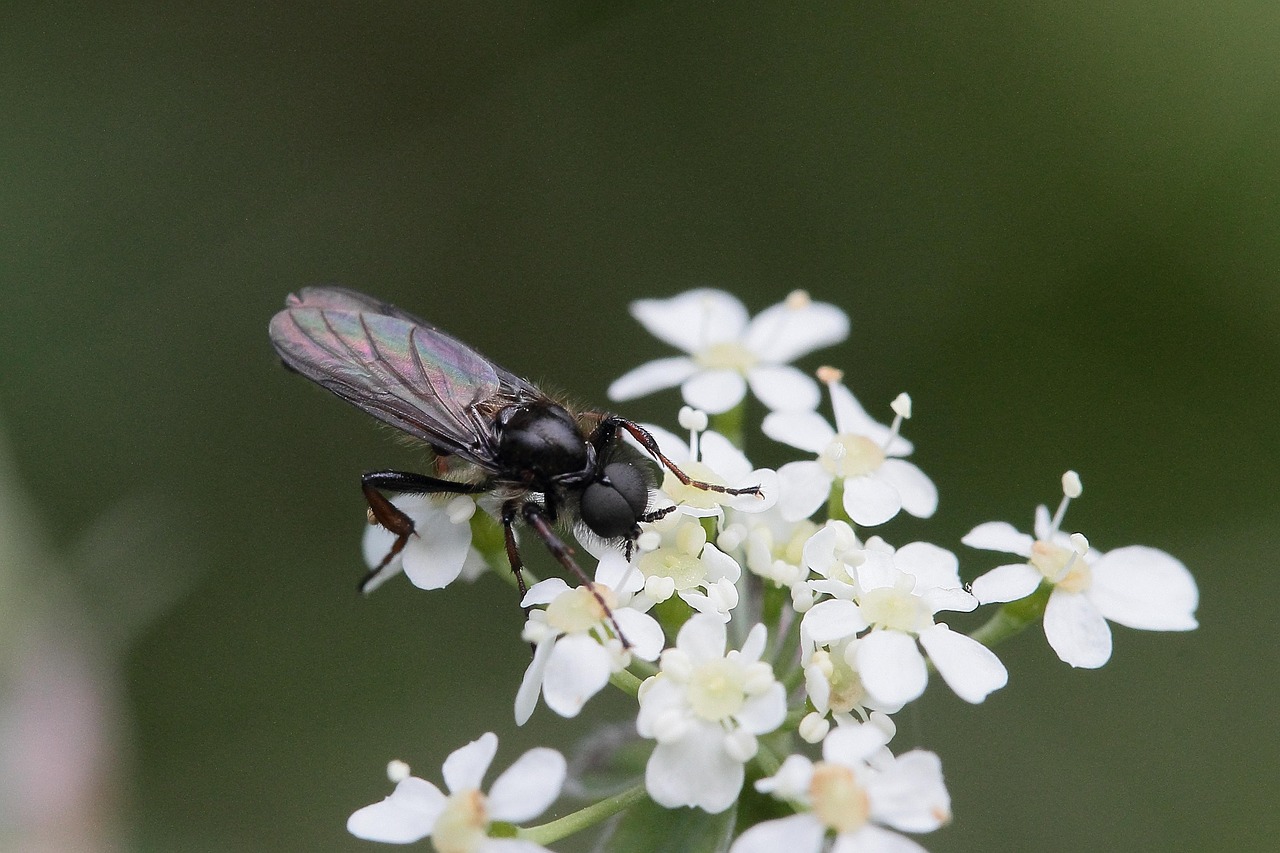
Fungus gnats are small, dark-colored flies that primarily hover around the soil surface or the base of the plant. Unlike other pests that congregate on the undersides of leaves, fungus gnats are most active near moist potting mix, where they lay their eggs. If you notice tiny, mosquito-like insects darting around your pots after you water, you are likely dealing with a fungus gnat issue.
The most effective way to identify and monitor these pests is by using yellow sticky traps. These are a staple in garden maintenance because they provide a clear visual indicator of the population size. Follow these steps to confirm the infestation:
- Placement: Position a yellow sticky trap horizontally near the base of the plant, just above the soil line. You can use a small piece of wire or a wooden garden stake to hold the trap in place.
- Monitoring: Leave the trap in position for 48 to 72 hours. Because fungus gnats are attracted to the color yellow, they will quickly become stuck to the adhesive surface.
- Assessment: Inspect the trap closely. If you see a high concentration of tiny, dark-bodied flies, you have confirmed a fungus gnat infestation.
The number of gnats caught on the trap will help you determine the severity of the problem. A few stray gnats may only require a simple adjustment to your watering routine—such as letting the soil dry out more thoroughly between waterings. However, if the trap is densely covered in flies, you are dealing with a significant infestation that necessitates a more intensive treatment approach, such as applying biological controls or replacing the top layer of soil.
By taking the time to confirm the pest identity and assess the population density, you avoid unnecessary use of harsh chemicals. Proper identification is the first step in effective garden maintenance, ensuring that your indoor plants remain healthy and pest-free without damaging their delicate ecosystem.
Adjust Watering Habits to Disrupt the Life Cycle
The most effective way to eliminate a fungus gnat infestation is to disrupt their breeding cycle. These pests thrive in consistently moist potting soil, which provides the perfect environment for their larvae to feed and develop. By fundamentally changing your watering routine, you can create a habitat that is inhospitable to these insects.
The goal is to allow the top two inches of your potting soil to dry out completely between waterings. When the surface remains dry, the larvae—which reside in the upper layers of the soil—struggle to survive. Before you reach for your watering can, perform a simple “finger test”: insert your finger two inches deep into the soil. If you feel any moisture, wait a few more days before adding water.
Beyond timing, you must ensure your containers are optimized for drainage. Standing water at the bottom of a pot is a primary attractant for gnats and can lead to root rot, which further weakens your plant and makes it more susceptible to pests. Follow these practical steps to improve your soil management:
- Verify Drainage: Ensure every pot has functional drainage holes. If you use decorative cachepots, remove the inner plastic nursery pot before watering and let it drain fully in the sink before replacing it.
- Use Well-Draining Soil: If your current potting mix stays wet for more than a week, consider repotting with a blend that includes perlite or pumice to increase aeration.
- Bottom Watering: Instead of pouring water over the top, place your pot in a tray of water for 15 minutes. This allows the roots to absorb moisture from below while keeping the top layer of soil dry, effectively starving the larvae.
- Remove Debris: Clear away fallen leaves or organic mulch from the soil surface, as these can hold moisture and provide additional food sources for gnat larvae.
Consistency is key. While it may take two to three weeks to see a significant reduction in the adult gnat population, maintaining a dry soil surface is the most reliable, non-toxic method for breaking their life cycle. By prioritizing soil health and proper hydration techniques, you will not only deter gnats but also promote a stronger, more resilient root system for your indoor plants.

Apply Natural Barriers and Treatments
The most effective way to stop a gnat infestation is to disrupt the insect’s life cycle. Fungus gnats rely on the top layer of moist soil to lay their eggs. By creating a physical barrier, you prevent adults from reaching the soil to deposit new eggs, effectively halting the next generation.
To create an effective barrier, apply a one-half-inch layer of horticultural sand or fine, decorative gravel over the surface of your potting mix. Ensure the layer is uniform and covers all exposed soil. Because this material dries out quickly, it creates an inhospitable environment for gnats while allowing water to pass through to the roots.
If you are currently dealing with an active infestation, you must treat the existing larvae in the soil. Two common, safe, and effective methods include:
- Hydrogen Peroxide Solution: Mix one part 3% hydrogen peroxide with four parts water. Pour this mixture into the soil until it is thoroughly saturated. The solution will fizz upon contact with organic matter, killing larvae on contact without harming your plant.
- Mosquito Dunk Solution: Submerge a piece of a BTI (Bacillus thuringiensis israelensis) mosquito dunk in your watering can for several hours or overnight. Use this treated water for your next few waterings. BTI is a natural bacterium that specifically targets gnat larvae but remains completely safe for plants, pets, and humans.
When preparing and applying these treatments, safety is paramount. Always wear protective gloves to prevent skin irritation from concentrated solutions. Additionally, ensure you are working in a well-ventilated area to avoid inhaling any dust or mist created during the mixing process.
Consistency is key to total eradication. Because these treatments primarily target larvae, you may still see adult gnats flying for a few days after application. Continue to use yellow sticky traps alongside your soil treatments to catch remaining adults, and avoid overwatering your plants moving forward. Keeping the top inch of soil dry between waterings is the best long-term strategy for preventing future outbreaks. If you use specialized hand tools for soil aeration, ensure they are cleaned thoroughly after use to avoid spreading larvae to other healthy plants in your home.
Maintain a Clean Gardening Environment
A clean gardening environment is your first line of defense against fungus gnats. These pests thrive in moist, decaying organic matter, which serves as both a breeding ground and a primary food source for their larvae. By keeping your indoor plant area tidy, you disrupt their life cycle and make your home significantly less hospitable to them.
Start by inspecting the surface of your potting soil. Remove any fallen leaves, spent blooms, or twigs immediately. While these items might seem harmless, they decompose rapidly in the humid conditions favored by indoor plants, creating the perfect nursery for gnat populations to explode. Regularly clearing this debris prevents larvae from establishing a foothold in your pots.
Your gardening tools and equipment also play a critical role in pest management. If you use hand tools, trowels, or shears for repotting or pruning, they can inadvertently harbor gnat eggs or fungal spores. To keep your indoor garden healthy, follow these sanitation practices:
- Wipe tools down: After each use, remove visible soil and plant residue from your hand tools using a stiff brush or a damp cloth.
- Sanitize regularly: Periodically disinfect your metal gardening tools by wiping the blades with a solution of 70% isopropyl alcohol or a mild bleach-to-water mixture. This kills lingering eggs and prevents the spread of pathogens between different plants.
- Store equipment properly: Keep your outdoor power equipment and gardening supplies in a clean, dry area. Avoid storing tools directly on soil or in damp sheds where pests might congregate.
Beyond surface maintenance, consider the overall condition of your lawn care equipment and indoor supplies. If you frequently bring outdoor equipment or gardening containers inside, inspect them for hidden soil pockets where eggs might be trapped. Keeping your workspace organized and sanitized ensures that your efforts to eliminate gnats are not undermined by re-contamination.
Finally, avoid over-fertilizing with organic amendments like compost or manure, as these can attract gnats if they remain on the soil surface. By maintaining a pristine environment and practicing diligent tool hygiene, you create a controlled space that discourages pests from returning. Consistent maintenance is far more effective than trying to manage a full-blown infestation after it has already taken hold of your indoor collection.

Follow Up and When to Seek Professional Help
Once you have initiated your treatment plan, the work is not quite finished. Fungus gnats have a rapid life cycle, meaning eggs laid deep in the soil may hatch after your initial application. Monitor your plants closely for at least three to four weeks to ensure the population does not rebound.
Continue using yellow sticky traps to track adult activity. If you notice the number of trapped gnats increasing again, it is a clear sign that the larvae in the soil have matured. In these instances, you may need to repeat your chosen treatment—such as a neem oil soil drench or a biological control like Bacillus thuringiensis israelensis (BTI)—to break the cycle completely.
If you have consistently allowed the top two inches of soil to dry out and utilized traps for several weeks without success, the infestation may be too deep within the root system to manage with surface-level treatments. When home remedies fail, consider these more intensive steps:
- Repotting: Gently remove the plant from its container, wash the root system with lukewarm water to remove infested soil, and transplant it into a clean pot with fresh, sterilized potting mix.
- Professional Consultation: Visit a local nursery or garden center. Professionals can often provide specialized soil drench treatments or systemic insecticides that are more potent than standard household products.
- Tool Hygiene: If you use hand tools like trowels or pruners during this process, ensure they are sterilized with a solution of one part bleach to nine parts water before moving to your other healthy plants. This prevents the accidental spread of eggs or larvae to your entire collection.
Do not feel discouraged if a stubborn infestation requires professional intervention. Fungus gnats are persistent, and sometimes the best course of action is to replace the contaminated medium entirely to give your plant a fresh start. By maintaining good airflow around your pots and avoiding overwatering, you create an environment where these pests struggle to survive, making future outbreaks significantly less likely. Keep your gardening tools clean and your soil moisture levels consistent to protect your indoor oasis long-term.

Dedicated team of gardening enthusiasts with years of hands-on experience testing lawn mowers, gardening tools, and outdoor equipment. We help home gardeners and professionals alike make informed buying decisions with honest, thorough reviews. From push mowers to pruning shears, we test it all so you don’t have to. Got a gardening tool you’d like us to review? Get in touch!