
Fungus gnats are a common nuisance for gardeners, often appearing as tiny, flying insects hovering around soil. This guide explains how to identify, eliminate, and prevent gnat infestations using safe, effective methods to keep your plants healthy and your home pest-free. Addressing these pests quickly is essential to protect your indoor greenery from root damage.
While these persistent insects are frustrating, they are rarely fatal to established plants if caught early. Understanding their life cycle is the key to long-term control, as simply swatting adults will not stop the larvae living in your potting mix. Managing moisture levels and using the right tools remains your best defense against recurring infestations.
In the following sections, we will explore practical strategies ranging from simple DIY traps to specialized garden maintenance techniques. We will also cover how proper lawn care equipment and hand tools can help you maintain a cleaner growing environment. Follow these proven steps to reclaim your home garden and ensure your plants thrive without unwelcome flying visitors.
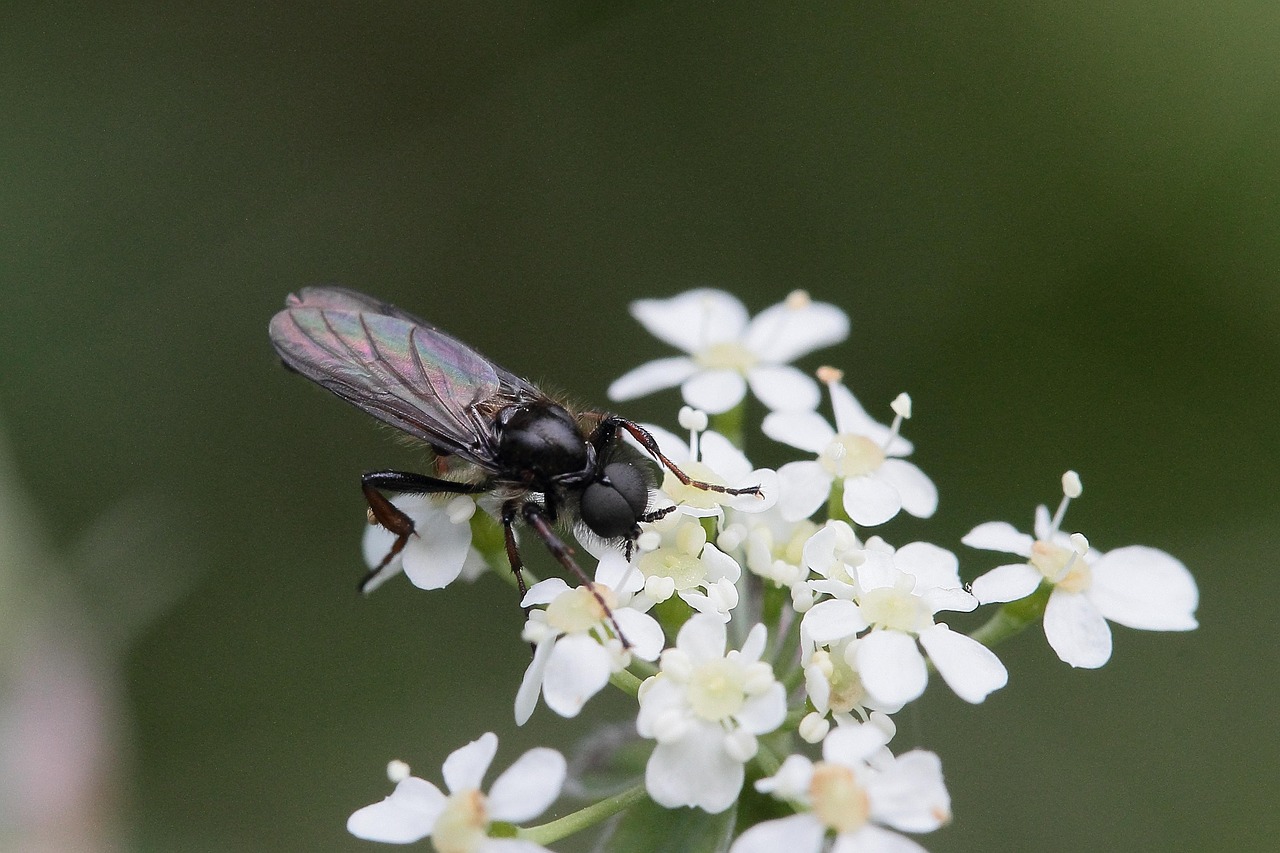
Identify the Source of the Infestation
Before you reach for pesticides or traps, you must confirm that you are actually dealing with fungus gnats. Many gardeners confuse them with fruit flies, but their habits and breeding grounds are distinct. While fruit flies gravitate toward fermenting produce and kitchen waste, fungus gnats are strictly tied to your houseplants and the soil they inhabit.
Fungus gnats thrive in damp, organic-rich potting soil. They lay their eggs in the top inch of moist media, where the larvae feed on organic matter and decaying roots. If you notice tiny, translucent, worm-like larvae with black heads in your soil, you have confirmed a fungus gnat infestation. Adult gnats are weak fliers that hover near the soil surface, especially after you water your plants.
To identify the source, inspect your indoor garden using these steps:
- Check for moisture: Feel the top inch of soil. If it is consistently soggy, it is a prime breeding ground.
- Monitor drainage: Ensure your pots have functioning drainage holes. If water sits in the saucer, the soil will remain saturated, inviting gnats.
- Observe plant health: Look for sudden yellowing leaves or stunted growth, which often indicates that larvae are damaging the root system.
- Use yellow sticky traps: Place these near the soil surface. Fungus gnats are attracted to the color yellow; if they stick to the card, you have confirmed their presence.
Overwatering is the primary driver of these infestations. Fungus gnats require a consistently wet environment to complete their life cycle. By identifying which plants stay wet for too long, you can pinpoint the specific “hot spots” in your home. Often, a single overwatered plant acts as the nursery for the entire room, spreading the population to your healthier specimens.
Once you identify the source, adjust your maintenance routine immediately. Allow the top two inches of soil to dry out completely between waterings. This simple cultural change disrupts the life cycle by killing the larvae, which cannot survive in dry soil. If a specific plant remains soggy despite your efforts, consider repotting it into fresh, well-draining soil and cleaning the container thoroughly to remove any lingering eggs or debris. Addressing the environment is the most effective, non-toxic way to stop the infestation at its root.
Immediate Steps to Reduce Gnat Populations
When you notice a swarm of gnats hovering around your houseplants, immediate intervention is necessary to prevent a minor nuisance from becoming a full-blown infestation. Fungus gnats thrive in damp, organic-rich environments, so your first line of defense is to disrupt their breeding cycle by altering the soil moisture levels.
Allow the top two inches of your potting soil to dry out completely before watering again. Because gnat larvae require consistent moisture to survive, this drought period effectively kills off the developing population. If you are uncertain about the soil depth, use a simple wooden skewer or your finger to check for dampness beneath the surface before reaching for your watering can.
To address the adult gnats that are already flying, use yellow sticky traps. These pests are naturally attracted to the color yellow. By placing these traps near the soil surface, you can capture the adults before they have the chance to mate and lay more eggs. This simple step is vital for breaking the reproductive cycle and gaining control over the population.
For a more permanent physical barrier, consider these practical maintenance steps:
- Apply a top dressing: Cover the surface of your soil with a half-inch layer of coarse sand, decorative gravel, or fine horticultural grit. This creates a dry, inhospitable barrier that prevents adult gnats from reaching the soil to lay new eggs.
- Clear debris: Remove any fallen leaves, decaying plant matter, or stagnant water from the surface of your pots, as these provide ideal food sources for larvae.
- Check drainage: Ensure your pots have adequate drainage holes. If a pot sits in a saucer of standing water, the soil will remain perpetually soggy, providing a perfect nursery for gnats.
If you have multiple plants, isolate the infested ones immediately to prevent the gnats from spreading to your healthy vegetation. While these physical methods are highly effective, consistency is key. Continue monitoring your plants for at least two weeks after the last gnat is spotted to ensure that any late-hatching larvae are also addressed. By combining these maintenance techniques with careful watering habits, you can restore the health of your indoor garden without relying on harsh chemical pesticides.

Safe Biological and Physical Treatments
If allowing your potting soil to dry out between waterings fails to curb a fungus gnat infestation, you may need to introduce biological or physical interventions. These methods target the larvae directly within the soil, breaking the reproductive cycle without damaging your plants or endangering household pets.
The most effective biological treatment is Bacillus thuringiensis israelensis (BTI). This naturally occurring bacterium is highly specific, targeting only the larvae of fungus gnats, mosquitoes, and black flies. Because BTI is non-toxic to humans, pets, and beneficial insects, it is an ideal choice for indoor gardening. You can typically find BTI in granule or “dunk” form; simply soak the product in your watering can according to the package instructions and use that water for your plants.
When moving beyond simple biological controls, you may consider horticultural oils or insecticidal soaps. These products work by suffocating soft-bodied pests on contact. To ensure these treatments remain safe and effective, adhere to the following best practices:
- Follow Label Instructions: Always read the manufacturer’s dilution rates and application frequency. Over-applying these products can cause leaf burn or stress the plant.
- Use Proper Equipment: When using spray equipment, ensure the nozzle is set to a fine mist to provide even coverage without soaking the foliage excessively.
- Prioritize Safety: Even natural treatments can cause irritation. Always wear chemical-resistant gloves when handling liquid fertilizers, BTI solutions, or horticultural soaps. If you are applying sprays, wear eye protection to prevent accidental splashes.
- Test First: Before treating your entire collection, apply the solution to a single leaf and wait 24 hours to ensure the plant does not have an adverse reaction.
Physical barriers can also provide immediate relief. Placing a thin layer of fine sand or decorative gravel over the top of the soil creates a dry, abrasive surface that prevents adult gnats from laying eggs. This simple addition to your garden maintenance routine effectively stops new generations from developing. Regardless of the method chosen, always wash your hands thoroughly after handling garden tools or chemical treatments to maintain a clean and safe home environment.
Preventative Maintenance for Long-Term Success
The most effective strategy for managing fungus gnats is to stop them before they establish a population. Once an infestation takes hold, eradicating the larvae requires consistent effort; therefore, prioritizing preventative maintenance is your best defense for long-term plant health.
Start by evaluating your growing medium. Always use high-quality, sterile, commercial potting mixes rather than soil sourced directly from your garden. Outdoor garden soil is frequently contaminated with gnat eggs, larvae, or fungal spores that thrive once brought into the stable, warm environment of your home. A sterile mix eliminates these hitchhikers from the start.
Proper drainage is equally critical. Fungus gnats are attracted to moist, decaying organic matter, which is often a result of water stagnation. Ensure every container has functional drainage holes. If a decorative pot lacks them, use a plastic nursery liner inside to prevent water from pooling at the bottom where roots rot and gnats breed.
Maintain a tidy growing environment by following these routine maintenance steps:
- Clear debris: Regularly remove fallen leaves, spent flowers, or any decaying plant matter from the soil surface. This material serves as a primary food source for developing larvae.
- Monitor moisture: Allow the top inch or two of your potting mix to dry out completely between waterings. Gnats struggle to survive in dry surface conditions, and this practice also promotes stronger root systems.
- Inspect new arrivals: Before introducing a new plant to your collection, isolate it for at least two weeks. Check the soil surface for activity and ensure the plant is pest-free before placing it near your established greenery.
- Clean tools: If you use hand tools or trowels for repotting, ensure they are cleaned and disinfected. Dirty equipment can inadvertently transfer fungal spores or eggs between containers.
By integrating these practices into your regular garden maintenance, you disrupt the gnat life cycle. Prevention requires less effort than treatment, and these simple adjustments to your potting habits and hygiene will significantly reduce the likelihood of an infestation. Keeping the soil surface dry and the growing area free of organic decay creates an environment that is inhospitable to gnats, ensuring your indoor garden remains healthy and vibrant throughout the year.

When to Seek Professional Help
If you have diligently allowed your soil to dry out and utilized sticky traps for several weeks without seeing a reduction in gnat activity, the infestation may have moved beyond a surface-level nuisance. Fungus gnats often lay eggs deep within the root zone, where larvae feed on organic matter and decaying roots. When an infestation reaches this stage, the most effective solution is often a complete repotting of the affected plants using fresh, sterile potting mix.
Repotting large indoor plants or moving heavy containers outside for treatment requires care to protect both your plants and your physical health. If you are using heavy-duty gardening tools or outdoor power equipment to manage large pots or clear debris, prioritize safety:
- Wear sturdy, closed-toe boots to protect your feet from heavy ceramic or terracotta pots.
- Always lift with your legs, keeping your back straight to avoid strain.
- If a pot is too heavy to move safely, use a furniture dolly or a wheeled plant caddy rather than attempting to carry it.
- Clear your workspace of garden maintenance tools before you begin to avoid tripping hazards.
Before repotting, gently wash the plant’s root system with lukewarm water to remove infested soil. Inspect the roots for signs of rot or damage caused by larvae. If the roots appear healthy, transplant the specimen into a clean pot with high-quality, well-draining soil. Avoid overwatering immediately after repotting, as damp conditions will quickly attract new gnats.
If you have followed these steps and the infestation persists, it is time to consult a local nursery professional or a licensed pest control service. Persistent gnat populations can sometimes indicate an underlying issue, such as poor drainage in your plant collection or an external source of moisture nearby. Professional arborists or horticulturalists can diagnose systemic problems that may not be visible to the naked eye. They can also recommend specialized biological controls, such as beneficial nematodes or systemic soil drenches, which are often more effective than standard household remedies for severe outbreaks. Do not hesitate to seek expert advice if your plants show signs of wilting, yellowing leaves, or stunted growth, as these are indicators that the root system is under significant stress.

Dedicated team of gardening enthusiasts with years of hands-on experience testing lawn mowers, gardening tools, and outdoor equipment. We help home gardeners and professionals alike make informed buying decisions with honest, thorough reviews. From push mowers to pruning shears, we test it all so you don’t have to. Got a gardening tool you’d like us to review? Get in touch!