
Fungus gnats are a common frustration for indoor gardeners, often appearing after overwatering. This guide explains how to identify, eliminate, and prevent these pests using simple, effective methods that protect your plants and your home environment. By addressing the root cause, you can quickly restore your indoor garden to a healthy, pest-free state.
While these tiny insects are mostly a nuisance, they can damage delicate roots if left unchecked. It is important to remember that complete eradication often requires consistent effort rather than a single quick fix. We will explore how your general gardening habits and moisture management play a crucial role in maintaining a thriving, gnat-free indoor space.
Our practical advice covers everything from natural soil treatments to strategic watering schedules that discourage future infestations. You will learn how to utilize basic household items and specialized tools to manage your plants effectively. Follow these steps to safeguard your greenery and enjoy a beautiful, healthy home environment without the constant annoyance of flying pests.
Identify the Problem and Its Source
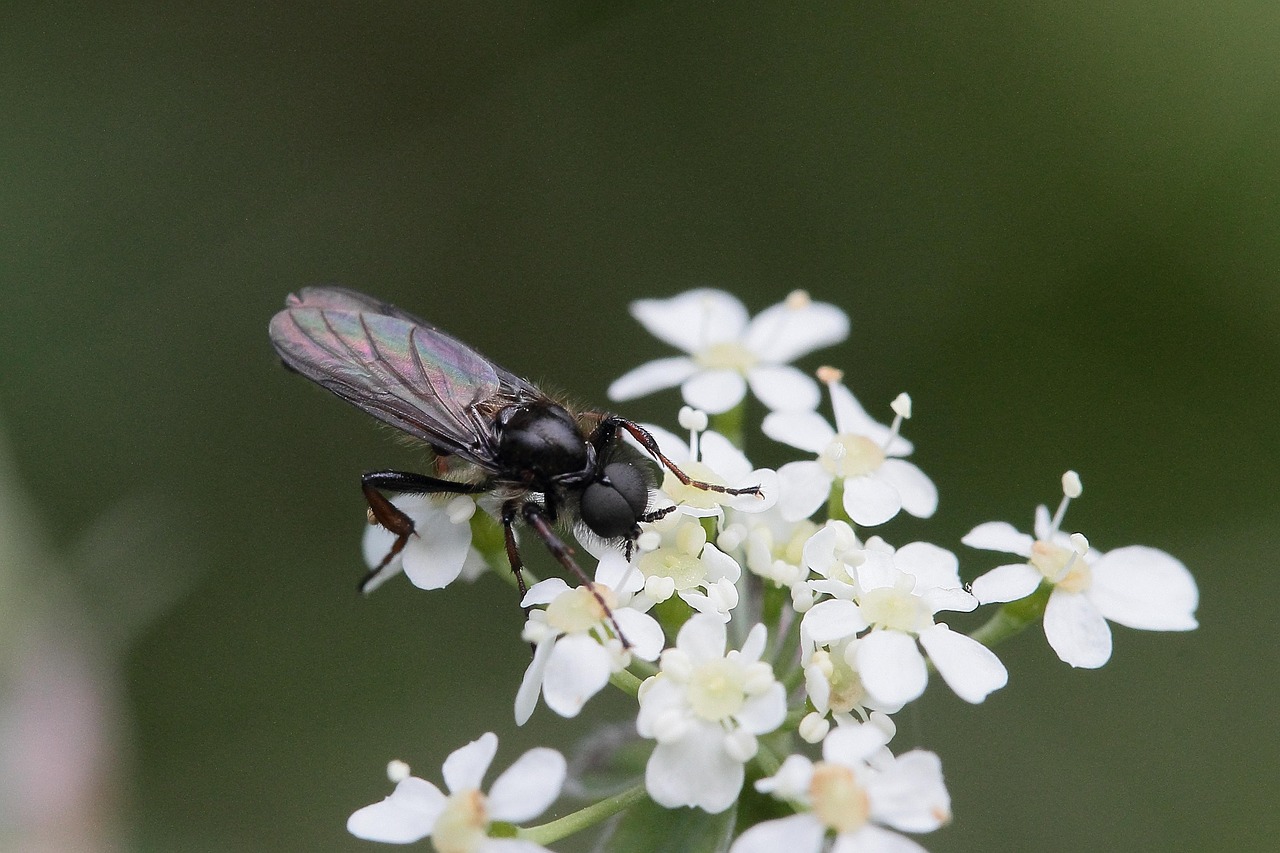
Before you reach for heavy-duty outdoor power equipment or chemical sprays, it is essential to correctly identify the pests hovering around your houseplants. In most cases, these tiny, mosquito-like insects are fungus gnats. They are not typically harmful to established, healthy plants, but their presence is a clear indicator that your current indoor gardening routine needs a slight adjustment.
Fungus gnats are primarily attracted to moisture. Their life cycle is closely tied to the soil environment, which is why your potting mix is the most common source of an infestation. Understanding this cycle is the first step toward effective garden maintenance:
- The Eggs: Adult gnats lay eggs in the top one to two inches of damp, organic-rich soil.
- The Larvae: Once hatched, the larvae live in that top layer, feeding on decomposing organic matter, fungi, and occasionally the delicate root hairs of your plants.
- The Adults: After pupating, they emerge as the flying insects you see buzzing around your windowsills or near the base of your pots.
The primary culprit is almost always overwatering. When soil remains constantly saturated, it creates the perfect breeding ground for these pests. If you notice gnats, check the moisture level of your pots immediately. If the soil feels soggy or swampy to the touch, you have likely created an environment that supports the entire fungus gnat life cycle.
It is also important to inspect any new additions to your indoor garden. Sometimes, fungus gnat eggs or larvae are already present in the potting mix when you purchase a new plant from a garden center. Before bringing a new plant into your home, gently disturb the top layer of soil to see if any adults fly up. If they do, isolate the plant immediately to prevent the infestation from spreading to your healthy collection.
By identifying the source as moisture-laden soil, you can shift your focus from reactive measures to proactive care. Keeping the top inch of your soil dry is the most practical, non-toxic way to interrupt their life cycle and discourage future generations. Once you recognize that the issue is environmental rather than a sign of a dying plant, you can manage the population effectively without needing harsh interventions.
Immediate Steps to Eliminate Adult Gnats
When you notice adult fungus gnats buzzing around your indoor plants, your first priority should be to break their reproductive cycle. While these small flies are mostly a nuisance, they indicate that moist soil conditions are allowing larvae to thrive. The most immediate, non-toxic way to reduce the adult population is by using yellow sticky traps.
Fungus gnats are naturally attracted to the color yellow, which they associate with light and potential food sources. Sticky traps act as a mechanical control method, capturing the flying adults before they can lay more eggs in your potting mix. This provides instant gratification and helps you gauge the severity of your infestation.
To use these traps effectively, follow these guidelines:
- Placement is key: Position the traps horizontally or vertically as close to the soil surface as possible. Because gnats spend most of their time near the base of the plant where moisture is highest, placing traps near the rim of the pot yields the best results.
- Secure them firmly: Use the provided stakes or clips to ensure the traps remain upright. If you are using a flat trap, you can gently rest it on the soil surface, provided it does not cover the entire drainage area.
- Monitor and replace: Check your traps every few days. Once a trap becomes covered in gnats, replace it with a fresh one to maintain its effectiveness.
It is important to understand that yellow sticky traps are primarily a monitoring tool and a way to manage adult populations. They do not kill the larvae living deep within the soil, which are the true source of the problem. If you rely solely on traps, the infestation will likely persist because the next generation of gnats will continue to emerge.
Think of sticky traps as your first line of defense rather than a complete solution. While they are excellent for capturing active adults and identifying which plants are most heavily infested, you must pair them with other maintenance practices. Reducing the frequency of your watering, allowing the top two inches of soil to dry out completely between waterings, and addressing any drainage issues are essential steps to ensure the gnats do not return. By combining physical traps with improved soil management, you can effectively clear your indoor garden of these persistent pests.

Cultural Control Methods for Larvae
The most effective long-term strategy for managing fungus gnats is breaking their life cycle by altering the soil environment. Fungus gnat larvae thrive in consistently moist, organic-rich soil, which provides both their primary food source and the humidity they require to survive. By strategically managing your watering habits, you can create a hostile environment for these pests.
The golden rule for indoor plant maintenance is to allow the top two inches of soil to dry out completely between waterings. When the surface layer becomes arid, the larvae—which reside in the upper soil profile—will desiccate and die. Before watering, always check the soil moisture by inserting your finger or a wooden dowel two inches deep. If you feel any dampness, wait another day or two.
If you have a heavy infestation, you can accelerate the process by using a hydrogen peroxide soil drench. This method is safe, non-toxic, and highly effective at killing larvae on contact by releasing oxygen that oxidizes their outer layers. Follow these steps to treat your plants safely:
- Mix the solution: Combine one part of 3% hydrogen peroxide with four parts of water. Do not use higher concentrations, as they can damage delicate root systems.
- Apply the drench: Pour the mixture into the soil until it begins to drain out of the bottom of the pot. You will hear a harmless fizzing sound as the peroxide reacts with organic matter in the soil.
- Monitor: Allow the soil to dry out as usual after the treatment. The peroxide breaks down into harmless water and oxygen within a few hours, leaving no toxic residue behind.
Consistency is vital when using these cultural control methods. While a soil drench provides an immediate reduction in the larval population, allowing the soil to dry out remains the most important preventative measure. If you find that your plants struggle with drought, consider switching to a potting mix with better drainage or using pots with more efficient drainage holes. By prioritizing soil aeration and moisture control, you create a sustainable, pest-free environment for your indoor garden to thrive without the need for harsh synthetic pesticides.
Preventative Maintenance for Your Indoor Garden
Long-term gnat control relies on managing the environment within your pots to make them inhospitable to fungus gnats. These pests thrive in moist, organic-rich soil, so your primary goal is to disrupt their life cycle by controlling moisture levels and physical access to the soil surface.
One of the most effective physical barriers is a top dressing. By covering the top inch of your potting soil with a layer of horticultural sand, fine decorative gravel, or expanded clay pebbles, you prevent adult gnats from reaching the soil to lay their eggs. Because these materials dry out quickly and do not provide a suitable environment for larvae, the population will naturally decline over time.
Beyond surface barriers, you must address the moisture retention within the root zone. Fungus gnats are attracted to consistently damp soil, which is often a symptom of poor drainage or improper soil composition. To maintain a healthier indoor garden, follow these practices:
- Use well-draining potting mixes: Avoid standard garden soil, which is too dense for indoor containers. Instead, use a high-quality indoor potting mix amended with perlite, pumice, or horticultural charcoal to increase aeration and drainage.
- Ensure pots have drainage holes: Never plant directly into decorative pots that lack drainage holes. If a pot is beautiful but lacks drainage, use it as a cachepot, keeping the plant in a plastic nursery liner inside so excess water can be easily emptied.
- Master your watering routine: Allow the top two inches of soil to dry out completely before watering again. This “dry down” period kills off larvae, which require constant moisture to survive.
- Clean your tools: Always use clean gardening tools and pots. Old, contaminated soil or dirty hand tools can harbor gnat eggs or larvae, reintroducing the problem to your healthy plants.
Finally, keep your indoor space tidy by removing fallen leaves or debris from the surface of your pots. Decaying organic matter provides a food source for larvae, encouraging them to multiply. By combining physical barriers like sand with improved drainage and disciplined watering habits, you can create an environment where fungus gnats simply cannot establish a foothold. Consistent, proactive maintenance is far more effective than trying to eradicate a full-blown infestation after the fact.

Frequently Asked Questions and Follow-Up Care
Many indoor gardeners worry that fungus gnats will destroy their plants. While the adult gnats are primarily a nuisance, their larvae feed on organic matter and can damage delicate root hairs, especially in younger plants or seedlings. If you notice a sudden decline in plant health alongside an infestation, take action immediately to protect the root system.
Results are not instantaneous. Because gnats have a multi-stage life cycle, you must be persistent. You will typically see a significant reduction in adult activity within seven to ten days, but you should continue your treatment protocol for at least three weeks to ensure you catch the next generation of larvae as they hatch.
Safe handling is essential when managing indoor pests. Follow these guidelines to protect yourself and your household:
- Wear Protective Gear: Always use gardening gloves when handling soil, potting mixes, or amendments. This prevents skin irritation and protects you from potential pathogens in the soil.
- Chemical Safety: If you choose to use insecticidal soaps or neem oil, store these products in a cool, dry place securely out of reach of children and pets. Never leave open containers unattended.
- Ventilation: When applying any household remedy or commercial treatment, ensure the room is well-ventilated. Open windows or run a fan to circulate fresh air and prevent the buildup of fumes.
- Tool Hygiene: After working with infested plants, thoroughly clean your hand tools and trowels with a mild soap solution. This prevents the accidental transfer of larvae or eggs to your healthy houseplants.
Long-term maintenance is your best defense. Avoid overwatering, as damp, soggy soil is the primary breeding ground for gnats. Allow the top two inches of soil to dry out completely between waterings; this disrupts the life cycle by killing the larvae that require moisture to survive. If your soil remains wet for too long, consider repotting into a mix with better drainage, such as one amended with perlite or pumice. Keeping your gardening area tidy and removing fallen leaves from the surface of the soil will further discourage these pests from settling in. Consistent monitoring and proper watering habits are the most effective tools in your gardening shed for keeping your indoor jungle healthy and gnat-free.

Dedicated team of gardening enthusiasts with years of hands-on experience testing lawn mowers, gardening tools, and outdoor equipment. We help home gardeners and professionals alike make informed buying decisions with honest, thorough reviews. From push mowers to pruning shears, we test it all so you don’t have to. Got a gardening tool you’d like us to review? Get in touch!