
Fungus gnats are a common frustration for indoor and outdoor gardeners. This guide explains why these pests appear and provides actionable, non-toxic methods to eliminate them and protect your plants without damaging your soil health. By addressing moisture levels and using simple traps, you can quickly restore your garden’s balance and health.
While these tiny insects are mostly a nuisance, they can harm delicate root systems if left unchecked. It is important to remember that complete eradication often requires consistent effort rather than a single quick fix. Understanding the life cycle of these pests is the most realistic way to manage their population effectively over time.
In the following sections, we will explore practical home gardening techniques, including proper watering habits and the use of essential hand tools to improve soil aeration. We will also review effective outdoor power equipment and maintenance strategies to keep your entire landscape healthy. Follow these steps to ensure your plants thrive pest-free.
Identify the Source of the Infestation
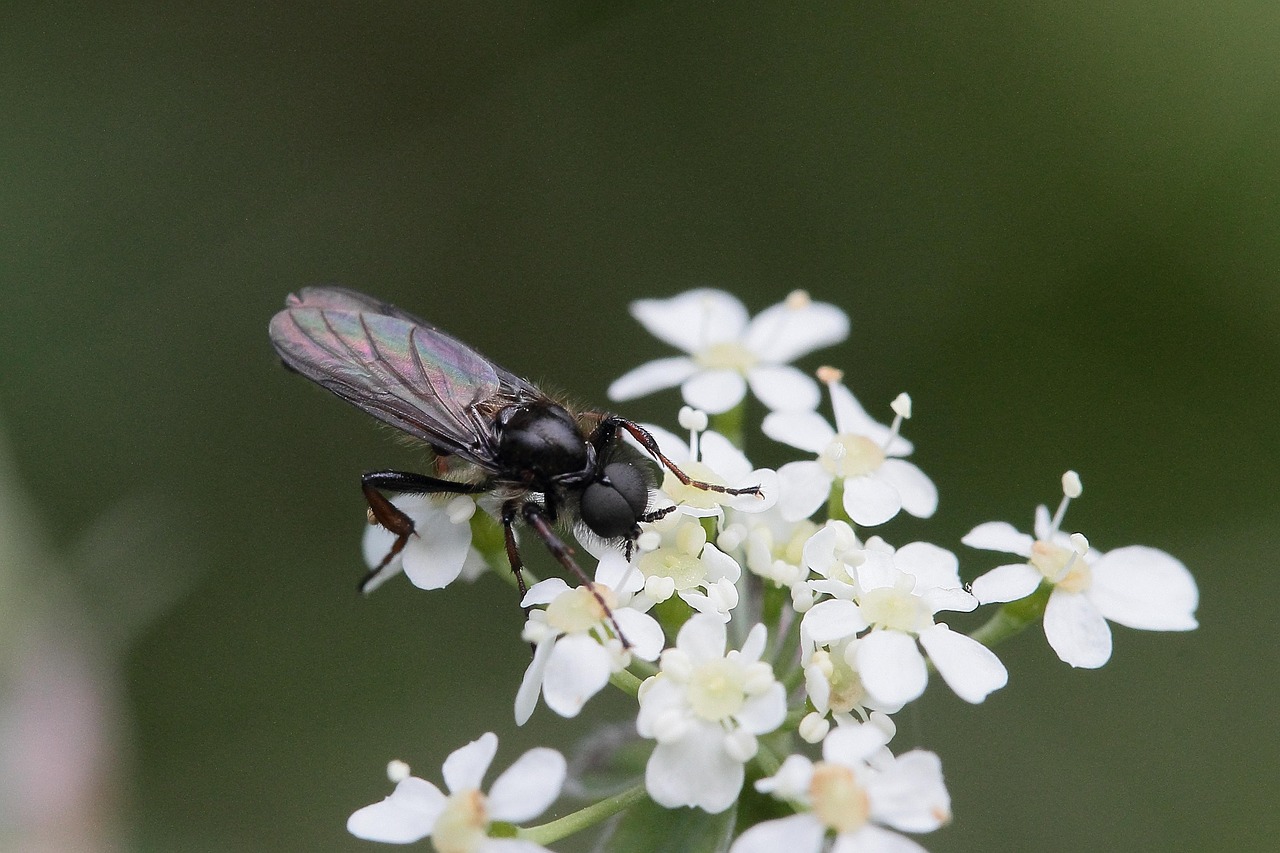
Before you reach for heavy-duty outdoor power equipment or chemical pesticides, you must confirm that the pests hovering around your greenery are truly fungus gnats. These tiny, dark-winged insects are primarily attracted to moisture and decaying organic matter within your potting mix. Unlike common houseplant pests like aphids or spider mites that congregate on foliage, fungus gnats spend most of their life cycle in the soil.
To identify the source of the infestation, observe the behavior of the adult flies. If you notice them darting erratically across the surface of your soil or resting briefly on the rim of the pot immediately after you water, they are likely fungus gnats. Their presence is a direct signal that your soil is staying damp for too long, creating a perfect breeding ground.
To confirm that your pots are the origin point, perform a quick physical inspection:
- Check the topsoil: Gently scrape the top half-inch of the potting mix. Fungus gnat larvae are translucent, legless, and possess a distinct black head. They are often found clustered near the surface where organic material is breaking down.
- Use a yellow sticky trap: Place a small yellow adhesive card near the base of the plant. Fungus gnats are highly attracted to the color yellow. If the trap fills up quickly, your plants are the primary source of the infestation.
- Assess drainage: Examine the bottom of your containers. If the drainage holes are blocked or the saucer is holding standing water, you have identified the moisture reservoir fueling the population growth.
Once you have confirmed the larvae are living in your soil, stop all routine watering immediately. Allowing the top two inches of soil to dry out completely is the most effective way to disrupt the life cycle of these pests. By cutting off their moisture source, you force the larvae to desiccate, effectively stopping the infestation at its root. If the soil remains soggy despite your efforts, you may need to repot the plant using fresh, well-draining soil mixed with perlite to improve aeration and prevent future moisture buildup. Consistent soil management is far more effective than any topical spray for long-term garden maintenance.
Adjust Your Watering Habits
The most effective strategy for eliminating fungus gnats is to disrupt their life cycle by altering your watering routine. Fungus gnats thrive in consistently moist environments, specifically the top layer of potting soil where they lay their eggs. By allowing the top inch of soil to dry out completely between waterings, you create a hostile environment that prevents larvae from surviving and maturing into adult pests.
Many gardeners fall into the trap of overwatering, which not only encourages gnat infestations but can also lead to root rot. To test if your plants need water, insert your finger about an inch deep into the soil. If it feels damp or cool, hold off on watering. If it feels dry and crumbly, it is time to hydrate your plant.
Implementing this “dry-down” method requires a shift in how you manage your garden maintenance:
- Check before you pour: Never water on a set schedule. Always check the soil moisture levels first, as light and temperature fluctuations change how quickly plants consume water.
- Bottom-watering: Consider switching to bottom-watering. By placing your pot in a tray of water for 15–20 minutes, you allow the roots to soak up moisture from below, keeping the top layer of soil dry and inhospitable to gnat larvae.
- Drainage is key: Ensure all your containers have functional drainage holes. If water sits at the bottom of a pot, it keeps the soil saturated for too long, providing the perfect breeding ground for gnats.
- Remove standing water: Empty decorative saucers or catch trays shortly after watering to prevent excess moisture from wicking back up into the soil.
Patience is essential when adjusting these habits. Because fungus gnats have a rapid life cycle, you may still see adult gnats flying around for a week or two after you begin drying out the soil. This is normal; the adult gnats are simply finishing their lifespan. By keeping the top layer of soil dry, you effectively break the cycle, ensuring that new generations cannot hatch. If you are using hand tools to aerate your soil, be careful not to disturb the root system too aggressively while checking moisture levels, as this can stress your plants further during the treatment process.

Use Physical Barriers and Traps
When dealing with a fungus gnat infestation, your primary goal is to break the insect’s reproductive cycle. By combining physical barriers with targeted trapping, you can stop adults from laying new eggs while simultaneously reducing the existing population.
Yellow sticky traps are an essential tool for monitoring and controlling adult gnats. These insects are naturally attracted to the color yellow, which they mistake for a food source or a healthy plant. Placing these traps near the base of your plants or hanging them slightly above the soil surface will capture flying adults before they have the chance to mate and reproduce.
To effectively use sticky traps, follow these steps:
- Position traps vertically near the soil line, as this is where gnats spend most of their time.
- Replace traps once they become covered with insects or lose their adhesive strength.
- Monitor the traps daily to gauge the severity of the infestation and track your progress.
While traps handle the adults, you must also address the larvae living in the soil. Fungus gnats require moist organic matter to lay their eggs. You can create an inhospitable environment by applying a physical barrier over the top layer of your potting mix. This prevents adults from accessing the damp soil to deposit new eggs and prevents emerging larvae from successfully reaching the surface.
For an effective barrier, use one of the following materials:
- Coarse Sand: A half-inch layer of horticultural sand allows water to drain through while drying out quickly on the surface, making it difficult for gnats to navigate.
- Decorative Gravel or Pebbles: Small, clean stones work similarly to sand and add an aesthetic touch to your containers.
- Perlite: A layer of coarse perlite can also serve as a lightweight, effective barrier.
Before applying these materials, ensure your soil has dried out significantly. If you simply cover wet, infested soil, you may trap moisture underneath, which can encourage root rot. Once the barrier is in place, continue to practice bottom-watering—placing your pot in a tray of water—to keep the top layer of the soil dry. This combination of trapping adults and sealing off the soil surface is a highly effective, non-toxic way to reclaim your indoor garden.
Implement Safe Biological Controls
When dealing with a persistent gnat infestation, the most effective strategy involves targeting the larvae living in the soil rather than just the flying adults. Biological controls offer a safe, precise way to break the life cycle without relying on harsh synthetic chemicals that could damage your plants or impact your home environment.
The gold standard for this approach is Bacillus thuringiensis israelensis, commonly known as BTI. This naturally occurring bacterium specifically targets the larvae of fungus gnats and mosquitoes. Because it is highly selective, it does not harm humans, pets, or beneficial garden insects like bees and ladybugs.
You can easily apply BTI using products like “Mosquito Bits.” To use them effectively, follow these steps:
- Soak the granules in your watering can for at least 30 minutes to release the active bacteria into the water.
- Water your plants thoroughly with this mixture, ensuring the soil is saturated where the larvae reside.
- Repeat this process every time you water for at least three weeks to catch new generations as they hatch.
While BTI is safe for your plants and family, it is still a concentrated garden amendment that requires responsible handling. Always store the product in its original, tightly sealed container in a cool, dry place. Keep it well out of reach of children and pets to prevent accidental ingestion or spills.
Personal hygiene is equally important when managing indoor or outdoor plant care. After handling any soil amendments, fertilizers, or biological controls, wash your hands thoroughly with soap and warm water. This simple habit prevents the transfer of bacteria or residue to your face or food.
By integrating BTI into your regular lawn and garden maintenance routine, you disrupt the gnat population at its source. This proactive, biological approach is far more sustainable than using sticky traps alone, as it prevents the next wave of adults from emerging. When combined with proper watering practices—such as allowing the top inch of soil to dry out between waterings—you create an environment that is naturally inhospitable to fungus gnats. Consistency is the key to long-term success; by staying diligent with your biological applications, you can protect your indoor greenery and enjoy a pest-free home environment without compromising the health of your botanical collection.

Monitoring and Long-Term Maintenance
Eliminating a gnat infestation is not an overnight process. Because fungus gnats lay eggs in the top layer of soil, you must break their reproductive cycle. Depending on the severity of the infestation and the environmental conditions, it typically takes two to four weeks of consistent monitoring to see a significant reduction in adult populations. Patience is essential, as you are waiting for existing larvae to mature and be trapped or perish.
If you have treated the soil and adjusted your watering habits for a month without success, it may be time to repot the plant. Repotting is a practical, albeit disruptive, solution that allows you to physically remove contaminated soil where larvae reside. When repotting, follow these steps:
- Gently remove the plant from its container and shake away as much of the old, infested soil as possible.
- Inspect the root system for signs of damage or decay, trimming away any mushy or unhealthy roots with sanitized hand tools.
- Use fresh, high-quality potting mix, ensuring the new pot has adequate drainage holes to prevent future moisture buildup.
- Clean the old container thoroughly with a mild bleach solution before reusing it to eliminate any lingering eggs.
Prevention remains your best defense. Before bringing a new plant home, perform a thorough inspection. Check the undersides of leaves and the surface of the soil for movement. If you notice tiny, dark flies hovering near the pot, leave the plant at the nursery. It is much easier to avoid bringing a problem home than it is to eradicate one once it has spread to your other houseplants.
If an infestation persists despite your best efforts, do not hesitate to seek professional advice. Local nursery staff are often familiar with common regional pests and can recommend specific, safe products or biological controls—such as beneficial nematodes—that are appropriate for your climate. Bringing a sample of the affected soil or a leaf in a sealed plastic bag can help them provide a more accurate diagnosis. Consistent maintenance, such as using moisture meters to track soil dampness and keeping your gardening tools clean, will ultimately keep your indoor garden healthy and gnat-free.

Dedicated team of gardening enthusiasts with years of hands-on experience testing lawn mowers, gardening tools, and outdoor equipment. We help home gardeners and professionals alike make informed buying decisions with honest, thorough reviews. From push mowers to pruning shears, we test it all so you don’t have to. Got a gardening tool you’d like us to review? Get in touch!