
You can keep gnats away from your outdoor plants by improving soil drainage and allowing the top layer of dirt to dry out completely between waterings. These persistent pests thrive in damp, stagnant conditions, so removing excess moisture is the most effective way to disrupt their breeding cycle and protect your greenery.
While no single method offers an instant, permanent solution, combining consistent maintenance with the right tools creates an environment where gnats struggle to survive. Effective pest management requires a holistic approach, focusing on healthy plant habits and proper garden hygiene rather than relying solely on harsh chemical sprays or expensive, temporary fixes.
Discover practical, science-backed methods to manage and prevent gnat infestations in your outdoor garden. This guide covers cultural practices, natural deterrents, and maintenance habits to protect your plants from these persistent pests. We will explore how proper lawn care equipment and simple hand tools can help you maintain a healthy, gnat-free landscape.
Managing Soil Moisture to Deter Gnats
Fungus gnats are more than just a nuisance; their presence is a clear indicator that your soil management practices might be creating an ideal breeding ground. These pests thrive in consistently damp, organic-rich environments, where their larvae feed on decaying matter and tender plant roots. To break their life cycle, you must disrupt their habitat by controlling soil moisture.
The most effective way to deter gnats is to allow the top inch of your potting soil to dry out completely between waterings. When the surface layer remains dry, it becomes inhospitable for adult gnats looking to lay eggs and prevents larvae from surviving near the surface. Before you reach for your watering can, perform a simple “finger test”: insert your finger one inch into the soil. If it feels damp, wait another day or two before watering.
Proper drainage is equally critical for long-term gnat management. If your containers do not allow excess water to escape, the bottom of the pot remains saturated, creating a permanent reservoir for larvae. Follow these practical steps to ensure your setup promotes healthy, dry conditions:
- Check drainage holes: Ensure every pot has adequate drainage holes. If you are using decorative cachepots without holes, always remove the inner nursery pot to water it, letting it drain fully in a sink before returning it to the decorative container.
- Use well-draining media: If your soil stays wet for more than a few days, it may be too dense. Mix in perlite, pumice, or coarse sand to increase aeration and drainage.
- Empty saucers: Never let a pot sit in a saucer of standing water. After watering, wait 15 minutes, then discard any water that has collected in the tray.
- Assess pot size: Avoid over-potting. Using a container that is too large for the plant means there is excess soil that holds onto moisture longer than the roots can absorb it, leading to prolonged dampness.
By shifting your focus from a rigid watering schedule to a responsive approach based on soil moisture levels, you create an environment where fungus gnats struggle to survive. Consistent monitoring and improved drainage are the most reliable, chemical-free methods for keeping your outdoor container plants healthy and pest-free.
Using Physical Barriers and Natural Repellents
Managing fungus gnats often starts at the soil surface. These pests thrive in moist, organic-rich environments where they lay their eggs. By altering the top layer of your potting mix or garden bed, you can effectively disrupt their reproductive cycle.
Applying a layer of sand or fine gravel is a simple, mechanical way to deter gnats. When you spread a quarter-inch of coarse sand over the top of your soil, it creates a dry, abrasive barrier. Adult gnats cannot penetrate this layer to lay eggs, and emerging larvae struggle to survive the transition through the grit. Ensure the layer is uniform and covers all exposed soil, as even small gaps can allow pests to bypass your defense.
If physical barriers aren’t enough, organic treatments can help control the larval population residing beneath the surface. These methods are generally safe for your plants and surrounding beneficial insects when applied correctly:
- Neem Oil: A natural botanical extract that acts as a growth regulator. When diluted and used as a soil drench, it disrupts the larvae’s ability to feed and develop. It is effective but should be applied sparingly to avoid affecting soil health.
- Beneficial Nematodes: These microscopic, non-parasitic worms are one of the most effective biological controls. Species such as Steinernema feltiae seek out gnat larvae in the soil and consume them. They are completely harmless to humans, pets, and earthworms.
- Cinnamon Powder: For a quick, household fix, dusting the soil surface with ground cinnamon can act as a natural fungicide. Since fungus gnats feed on decaying organic matter and fungi, removing their food source discourages them from colonizing your pots.
Consistency is key when using these methods. Because these treatments primarily target the larvae or disrupt the life cycle, you may not see an immediate disappearance of adult gnats. Continue to monitor your plants for at least two weeks, ensuring you allow the top inch of soil to dry out between waterings. Combining a physical barrier with a targeted organic drench creates an inhospitable environment that forces gnats to look elsewhere for a breeding ground. Always check the moisture levels of your soil before applying any liquid treatment to prevent root rot or over-saturation.

Maintaining Garden Hygiene and Airflow
Gnats, particularly fungus gnats, thrive in environments where moisture and decaying organic matter collide. If your garden beds are cluttered with debris, you are inadvertently providing a nursery for these pests. Maintaining rigorous garden hygiene is the most effective way to break their reproductive cycle.
Start by clearing away fallen leaves, spent blooms, and dead plant material from the soil surface. These items hold moisture and begin to decompose, creating the perfect food source and breeding ground for gnat larvae. If you use mulch, ensure it is applied in a thin, even layer. Excessive or overly thick mulch retains too much water, keeping the soil surface damp for extended periods and inviting infestations.
Beyond removing debris, managing the microclimate around your plants is essential. Gnats are drawn to stagnant, humid air. By improving airflow, you help the soil surface dry out more quickly, which is often enough to kill gnat larvae before they reach maturity.
Follow these practical steps to improve garden hygiene and airflow:
- Space plants correctly: Follow the spacing guidelines on plant tags. Overcrowding prevents air from circulating between leaves, trapping humidity near the soil.
- Prune for ventilation: Use sharp, sterilized hand pruners to remove lower leaves or congested branches that block airflow near the base of the plant.
- Monitor irrigation: Avoid over-watering. Allow the top inch of soil to dry out completely between waterings. This makes the environment inhospitable for larvae.
- Clean your tools: Regularly wipe down your garden trowels, shears, and rakes. Dirty tools can harbor fungal spores and bacteria that contribute to the decay gnats feed upon.
If you find that your soil remains perpetually soggy despite these efforts, consider amending it with perlite or coarse sand to improve drainage. Keeping the soil surface dry and the surrounding air moving is a proactive, non-toxic strategy that keeps your outdoor space healthy and gnat-free. Remember, a tidy garden is not just aesthetically pleasing; it is a fundamental defense against common garden pests. By prioritizing these maintenance habits, you minimize the need for chemical interventions and create a more resilient ecosystem for your flowers and vegetables to thrive throughout the growing season.
Safety and Equipment Best Practices
When managing gnat infestations, your approach to garden maintenance significantly impacts both your safety and plant health. Using the right tools correctly prevents accidental damage to root systems and minimizes your exposure to soil-borne pathogens or concentrated pest treatments.
Always prioritize personal protection when working with soil or organic pest control solutions. Gnats often thrive in damp, decomposing organic matter, which can harbor bacteria or mold. Wearing durable, moisture-resistant gardening gloves creates a necessary barrier between your skin and these environments. Ensure your gloves fit well to maintain the dexterity required for precise tasks, such as removing infested topsoil or applying nematodes.
Proper tool maintenance is equally critical for pest management:
- Keep pruning shears sharp: Dull blades crush plant stems rather than slicing through them. Crushed tissue creates open wounds that attract more pests and increase the risk of fungal infections. Always sanitize your blades with rubbing alcohol between cuts to prevent spreading larvae or spores from one plant to another.
- Handle power equipment with caution: If you are using outdoor power equipment—such as tillers or aerators—near your plants, always power down and unplug the device before performing maintenance or clearing debris. Never attempt to clean a jammed chute while the motor is running.
- Protect the root zone: When working near delicate root systems, switch from power tools to hand tools like a small trowel or hand cultivator. Mechanical equipment can easily strip away protective mulch or damage shallow roots, which stresses the plant and makes it more susceptible to gnat damage.
Before applying any treatment, inspect your equipment for rust or loose parts. A well-maintained tool is easier to control, reducing the likelihood of accidental slips that could damage your plants. If you are using sprayers for organic neem oil or insecticidal soaps, ensure the nozzle is clean to provide an even, targeted application. This minimizes overspray and ensures the treatment reaches the soil surface where gnat larvae reside.
Finally, store all tools in a dry, organized area after use. Cleaning your equipment after working in infested soil prevents the accidental transport of gnat eggs or pupae to other parts of your garden. By combining diligent tool hygiene with careful handling, you protect your plants while effectively managing the pest population.

Monitoring and When to Seek Professional Help
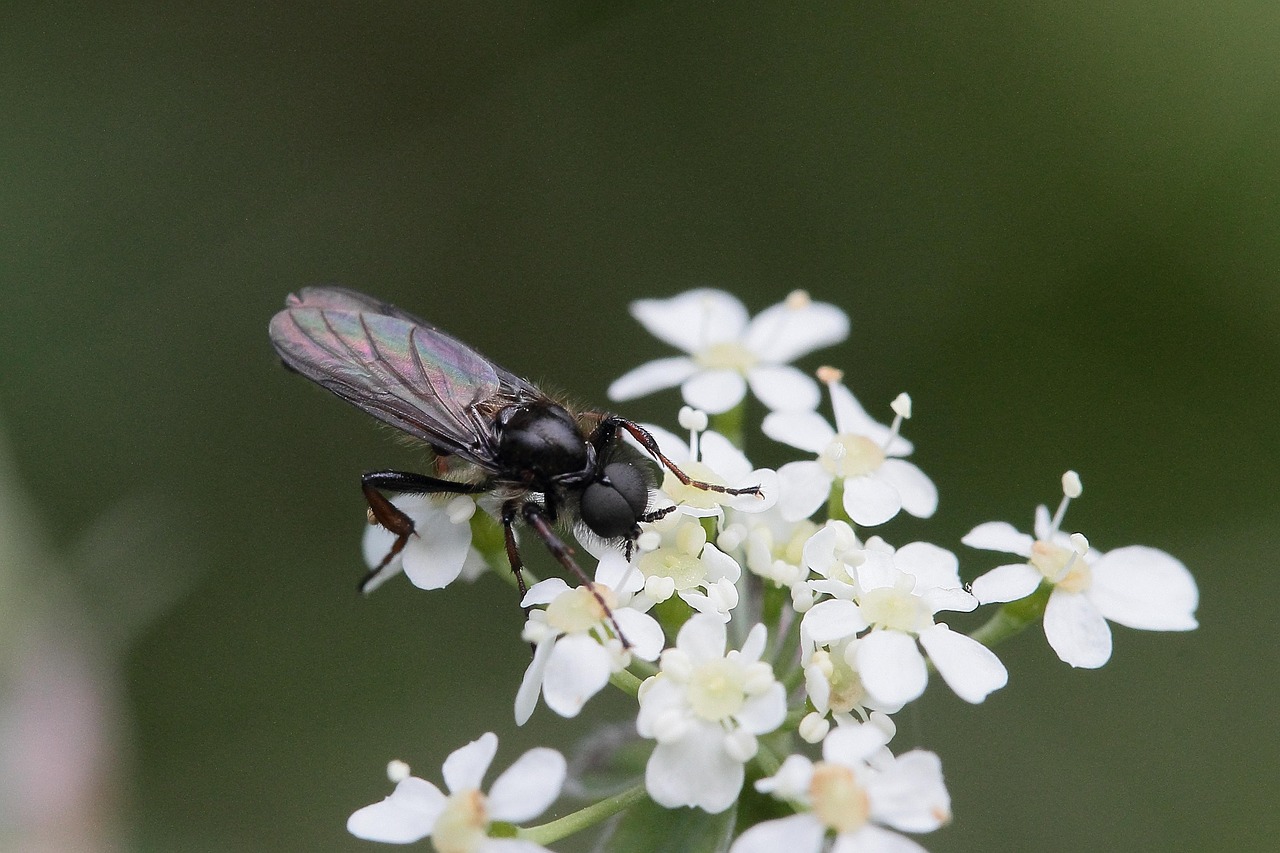
The first step in effective gnat management is accurate identification. Before applying treatments, confirm that your outdoor plants are truly suffering from a gnat infestation rather than other common garden pests like aphids, whiteflies, or thrips. Gnats, particularly fungus gnats, are small, dark, mosquito-like flies that typically hover near the soil surface, whereas other pests are often found on the undersides of leaves or along stems.
To monitor population levels and confirm the presence of gnats, utilize yellow sticky traps. These are highly effective because gnats are naturally attracted to the color yellow. Place these traps near the base of your plants, just above the soil line. If you see a high volume of tiny, dark insects stuck to the adhesive, you have confirmed a gnat problem.
Monitoring with sticky traps serves two purposes: it helps you gauge the severity of the infestation and allows you to track whether your current maintenance practices—such as adjusting watering schedules or improving soil drainage—are successfully reducing the population. If the number of gnats on the traps decreases over a week, your cultural adjustments are working.
However, some infestations are stubborn and may indicate underlying issues with your soil health, drainage systems, or the overall vitality of your landscape. You should consider seeking professional assistance if:
- The infestation persists despite consistent moisture control and the use of sticky traps.
- You notice signs of root rot or significant wilting in your plants that do not respond to standard care.
- The gnats are affecting a large number of plants across your entire garden, suggesting a systemic issue.
If you reach this stage, it is time to look beyond DIY solutions. Contact your local university cooperative extension service; these offices provide expert, region-specific advice on pest behavior and integrated pest management strategies. Alternatively, consult a certified arborist if the infestation involves larger shrubs or trees. These professionals can conduct a thorough assessment of your outdoor environment, identify specific environmental factors contributing to the pest surge, and recommend targeted, safe interventions that protect your garden’s ecosystem. Utilizing these professional resources ensures that you address the root cause of the problem rather than just treating the symptoms, keeping your outdoor space healthy and thriving for seasons to come.

Dedicated team of gardening enthusiasts with years of hands-on experience testing lawn mowers, gardening tools, and outdoor equipment. We help home gardeners and professionals alike make informed buying decisions with honest, thorough reviews. From push mowers to pruning shears, we test it all so you don’t have to. Got a gardening tool you’d like us to review? Get in touch!