
Fungus gnats are a common frustration for indoor and outdoor gardeners. This guide explains how to identify, eliminate, and prevent these nuisance pests using practical, non-toxic methods that protect your plants and home environment. By addressing moisture levels and soil health, you can quickly stop these annoying insects from disrupting your peaceful gardening experience.
While these tiny flies are mostly harmless to mature vegetation, their larvae can damage delicate roots and stunt growth if left unchecked. Achieving a gnat-free space requires patience and consistent maintenance rather than harsh chemicals. Understanding their life cycle is the most effective way to manage infestations and ensure your greenery remains healthy and vibrant.
In the following sections, we will explore essential garden tools and maintenance techniques to keep your soil inhospitable to pests. You will learn how to use sticky traps, proper watering habits, and organic treatments to reclaim your home. Follow these expert tips to master your lawn care and keep your plants thriving all season long.

Identify the Source of the Infestation
Before you reach for pesticides or aggressive treatments, you must confirm that fungus gnats are the true culprits. Mistaking these pests for fruit flies or whiteflies can lead to ineffective control methods that leave your plants vulnerable.
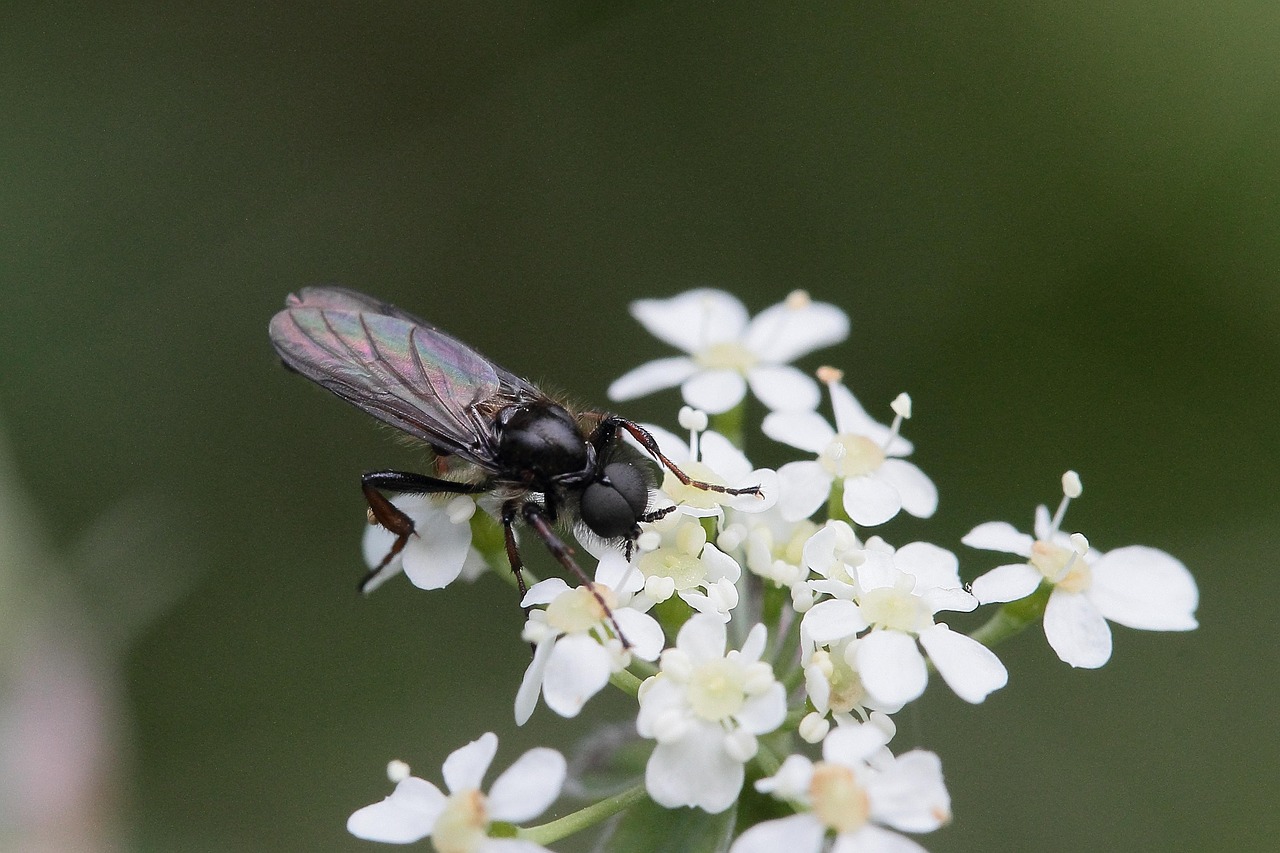
Fungus gnats are tiny, dark-colored insects that hover erratically around the base of your plants. Unlike fruit flies, which are attracted to rotting produce, fungus gnats are specifically drawn to moist organic matter and damp soil. If you see small flies congregating near your pots, they are likely fungus gnats.
To confirm an infestation, perform a quick physical inspection of your plants:
- Check the soil surface: Fungus gnats thrive in constantly wet conditions. Gently push aside the top inch of potting soil. If the soil is waterlogged or shows signs of mold, it is a prime breeding ground.
- Look for larvae: The damaging stage of the life cycle occurs in the soil. Use a magnifying glass if necessary to scan the top layer of dirt for tiny, translucent, worm-like larvae with distinct black heads.
- Tap the pots: Gently tap the sides of your plant containers. If fungus gnats are present, they will often take flight immediately, hovering just above the soil line before settling back down.
- Use yellow sticky traps: Place a small yellow sticky card near the soil surface. Fungus gnats are highly attracted to the color yellow. If you find the card covered in tiny, dark flies within 24 hours, you have successfully identified the source of the problem.
The presence of these pests is almost always a signal that your plant care routine needs adjustment. Fungus gnats cannot survive in dry soil, as the larvae require consistent moisture to develop. If you find them, it is a clear indicator that your current watering schedule is keeping the potting mix too wet for too long. By identifying the source now, you can pivot your maintenance strategy—focusing on better drainage and allowing the top layer of soil to dry out completely between waterings—which often resolves the issue without needing chemical intervention. Once you confirm the infestation is localized to the soil, you can move forward with targeted, safe treatments to protect your greenery.
Adjust Watering Habits to Dry Out Soil
The most effective way to break the fungus gnat life cycle is to eliminate the moisture they need to breed. Fungus gnats thrive in consistently damp environments, laying their eggs in the top layer of potting mix. By adjusting your watering habits, you can create an inhospitable environment that kills larvae and prevents future infestations.
The golden rule for gnat control is to allow the top two inches of soil to dry out completely between waterings. When the surface remains dry, the larvae—which reside in the damp top layer—cannot survive. Before you reach for your watering can, perform a simple finger test: insert your finger two inches deep into the soil. If it feels moist, wait a few more days before adding water.
Proper drainage is equally critical to home gardening success. Even if you are careful with your watering schedule, standing water at the base of a pot acts as a breeding ground for pests. To ensure your plants are not sitting in excess moisture, follow these practical steps:
- Check drainage holes: Ensure every pot has functional drainage holes at the bottom. If a pot lacks them, repot the plant into a container that allows excess water to escape.
- Empty saucers: Never let your plants sit in a saucer filled with water. After watering, wait 15 minutes and dump any runoff collected in the tray.
- Use well-draining soil: If your current potting mix stays wet for too long, consider amending it with perlite or pumice to improve aeration and drainage.
- Avoid over-potting: Using a container that is significantly larger than the plant’s root ball can lead to excess soil that stays damp for extended periods, inviting gnats.
In addition to these watering adjustments, consider using a moisture meter if you struggle to gauge soil wetness. These simple hand tools provide an accurate reading of the moisture levels deep within the root zone, helping you avoid the common mistake of overwatering. By maintaining a drier surface layer and ensuring your containers drain efficiently, you deprive fungus gnats of their primary habitat. Consistency is key; once the soil surface remains dry for several consecutive days, the population of adult gnats will naturally decline as their breeding cycle is disrupted.
Use Physical Barriers and Traps
Managing a gnat infestation requires a multi-pronged approach that targets both the flying adults and the larvae developing within your potting mix. By combining physical barriers with strategic trapping, you can break the lifecycle of these pests without relying on harsh chemicals that might harm your indoor environment.
Yellow sticky traps are one of the most effective tools for immediate population control. Gnats are naturally attracted to the bright yellow color, which mimics the appearance of certain flowers and foliage. Once they land on the adhesive surface, they become trapped, preventing them from reproducing further.
To use these traps effectively, follow these steps:
- Place traps as close to the soil surface as possible, as this is where adult gnats congregate.
- Use small stakes or clips to secure the traps so they do not blow over or stick to your plant leaves.
- Monitor the traps weekly; a high number of gnats indicates that you need to address the larvae in the soil immediately.
While traps catch the adults, you must also stop the breeding cycle. Fungus gnats require moist, organic-rich soil to lay their eggs. You can disrupt this process by creating a physical barrier on the surface of your pots.
Adding a half-inch layer of decorative sand, fine gravel, or specialized horticultural grit to the top of your soil is a highly effective, low-maintenance solution. This layer serves two critical functions:
- Prevents Egg-Laying: Adult gnats can no longer reach the moist soil required to deposit their eggs.
- Suffocates Emerging Larvae: Any larvae currently living in the upper soil layers will be unable to penetrate the dry, abrasive barrier to emerge as adults, effectively ending the infestation.
For this method to work, ensure the barrier is completely dry and covers the entire surface area of the soil right up to the edges of the pot. Avoid using coarse rocks, as gnats can easily crawl through the gaps between them. By keeping the surface layer dry and inaccessible, you create an environment where these pests simply cannot survive. This combination of trapping and top-dressing is the most reliable way to maintain a gnat-free garden while protecting the health of your plants.
Apply Natural Biological Controls
If allowing your soil to dry out between waterings fails to eliminate a fungus gnat infestation, it is time to introduce biological controls. The most effective, plant-safe solution involves using products containing Bacillus thuringiensis israelensis (BTI), commonly sold as Mosquito Bits or Mosquito Dunks. BTI is a naturally occurring bacterium that specifically targets the larvae of fungus gnats, mosquitoes, and black flies.
Because BTI is a biological agent rather than a harsh chemical pesticide, it is safe to use around your household. It will not harm your plants, pets, or family members. When used correctly, it disrupts the life cycle of the gnats by neutralizing the larvae living in your potting mix, preventing them from maturing into the flying adults that annoy you.
To use BTI effectively, follow this simple preparation method:
- Prepare the solution: Soak a portion of a Mosquito Dunk or a teaspoon of Mosquito Bits in your watering can filled with one gallon of water. Let it steep for at least 30 minutes to allow the bacteria to release into the water.
- Water as usual: Use this treated water for your regular watering routine. Ensure the soil is thoroughly saturated so the BTI reaches the larvae residing in the top two inches of the potting medium.
- Maintain consistency: Fungus gnats have overlapping life cycles. To break the cycle completely, you must use BTI-treated water for every watering session over the course of three to four weeks.
Always check the product packaging for specific mixing ratios and application frequencies. While BTI is highly effective against larvae, it does not kill adult gnats. If you still see adults flying around after starting your BTI treatment, consider using yellow sticky traps alongside your soil drench to capture the mature insects. This dual-action approach—killing the larvae in the soil while trapping the adults in the air—is the most reliable way to clear an infestation quickly.
By focusing on the source of the problem rather than just the visible adults, you can restore your indoor garden to health without resorting to synthetic chemicals that may be harmful to your home environment. Keep your tools clean and your soil moisture levels balanced to prevent future outbreaks once the current population has been eradicated.

Follow-Up Care and When to Seek Professional Help
Effective gnat control requires vigilance long after your initial treatment. Fungus gnat life cycles are rapid, and eggs hidden deep within the soil can hatch days or even weeks later. Plan to monitor your indoor and outdoor plants closely for at least three to four weeks to ensure you have successfully broken the reproductive cycle.
During this follow-up period, continue to use yellow sticky traps near the base of your plants. These serve as a reliable early-warning system; if you see new adults stuck to the cards, you know the infestation is still active and requires further intervention.
If you notice the problem persists despite your best efforts, consider these steps to prevent further spread:
- Check for cross-contamination: Inspect every plant in the vicinity, not just the one showing signs of gnats. Adult gnats are weak fliers but can easily move between pots placed close together.
- Isolate affected plants: Move infested plants to a separate room or a different area of the garden to prevent the gnats from colonizing healthy vegetation.
- Review your watering habits: Gnats thrive in consistently damp soil. Ensure your pots have adequate drainage and allow the top two inches of soil to dry out completely between waterings.
In some cases, a widespread infestation may become difficult to manage with household remedies alone. If you discover that gnats have migrated into your home’s structure or if you find that your plants are suffering from significant root damage, it may be time to consult a professional arborist or a local garden center expert. They can provide specialized soil treatments or biological controls that are more potent than standard DIY methods.
If you decide to step up your treatment by using chemical pesticides, prioritize your safety above all else. Always adhere to the following precautions:
1. Wear protective gear: Use chemical-resistant gloves and a high-quality mask or respirator to avoid inhaling fumes or getting chemicals on your skin.
2. Ensure proper ventilation: If treating indoor plants, open windows and use fans to circulate fresh air throughout the area.
3. Follow label instructions: Never exceed the recommended dosage on the product label. Over-application can damage your plants and pose unnecessary risks to your household, including pets and children.

Dedicated team of gardening enthusiasts with years of hands-on experience testing lawn mowers, gardening tools, and outdoor equipment. We help home gardeners and professionals alike make informed buying decisions with honest, thorough reviews. From push mowers to pruning shears, we test it all so you don’t have to. Got a gardening tool you’d like us to review? Get in touch!