
Growing lavender in containers is an excellent way to enjoy its fragrant blooms and Mediterranean charm, even if you do not have a large garden. This guide covers the essential steps to successfully germinate and cultivate lavender seeds in pots, ensuring your plants thrive from seed to maturity using the right tools and techniques.
While lavender is a hardy plant, starting it from seed requires patience and attention to detail. Seeds often have a slow, irregular germination process, so you must prepare for a longer timeline than with other herbs. Providing the correct soil drainage and light exposure is vital for overcoming these common botanical challenges.
In the following sections, we will explore the best hand tools for potting and the ideal outdoor power equipment for long-term garden maintenance. We provide practical advice on selecting containers, preparing your potting mix, and nurturing your seedlings. Follow these expert tips to master the rewarding process of growing beautiful, fragrant lavender at home.
Selecting the Right Lavender Seeds and Containers
Success begins with choosing the right lavender variety for your space. While there are many types of lavender, English lavender (Lavandula angustifolia) is the gold standard for container gardening. Its compact growth habit and natural hardiness make it perfectly suited for life in a pot, unlike larger, sprawling varieties that may struggle with restricted root space.
When selecting your container, prioritize functionality over aesthetics. Lavender is highly susceptible to root rot, so your pot must have generous drainage holes at the base. Aim for a diameter of at least 12 inches to provide enough room for the root system to develop without becoming overly cramped. Terracotta or unglazed clay pots are excellent choices; their porous material naturally wicks away excess moisture, helping to keep the soil environment dry and healthy.
The soil medium is arguably the most critical factor for germination and long-term vitality. Lavender is a Mediterranean plant that thrives in lean, rocky, and dry conditions. Standard garden soil or heavy potting mixes will hold too much water, leading to seed failure or fungal issues. Instead, use a specialized mix designed for Mediterranean herbs or cacti.
Follow these guidelines to ensure your planting environment is optimal:
- Check for Drainage: If your chosen pot lacks sufficient holes, use a masonry drill bit to add more before adding soil.
- Prioritize Aeration: If you cannot find a specific herb mix, blend a high-quality potting soil with perlite or coarse horticultural sand at a 1:1 ratio to improve drainage.
- Avoid Water Retention: Do not add water-retention crystals or moisture-control soil, as these are counterproductive to lavender’s need for dry roots.
- Cleanliness: If reusing old pots, scrub them thoroughly with a mild soap solution and rinse well to prevent the transfer of soil-borne pathogens to your delicate seeds.
By pairing a compact English lavender variety with a well-draining, breathable container and the correct gritty soil mix, you create the ideal microclimate for your seeds to germinate. This foundational step is essential for preventing the common pitfalls of container gardening, such as waterlogging, and sets the stage for a fragrant, thriving lavender display on your patio or balcony.
Preparing and Sowing Your Seeds
Start by selecting a clean, well-draining container. Fill it with a high-quality, sterile seed-starting mix, leaving about an inch of space between the soil surface and the rim. This gap prevents water from overflowing when you irrigate. Gently firm the soil with your hand or a small trowel to create a level, stable surface, but avoid compacting it too tightly, as lavender roots require aeration.
Lavender seeds are tiny and require specific handling to germinate successfully. Sprinkle them thinly across the surface of the soil. Do not bury them deeply; lavender seeds need a small amount of light to trigger the germination process. Instead, sift a very fine layer of vermiculite or extra seed-starting mix over the top, just enough to anchor the seeds without blocking out all light.
Proper moisture management is critical during this phase. Use a spray bottle set to a fine mist to dampen the surface. Avoid using a heavy stream of water, which can displace the seeds or wash them into corners of the pot. Your goal is to keep the growing medium consistently moist, but never waterlogged. Excess water can cause seeds to rot before they have a chance to sprout.
To maintain the ideal environment for your seeds, consider these practical maintenance tips:
- Monitor humidity: Place a clear plastic dome or a loose-fitting plastic bag over the pot to create a greenhouse effect, which helps retain moisture.
- Check daily: Inspect the soil surface every day. If the top layer looks dry, give it another light misting.
- Temperature control: Keep the pot in a warm location, ideally between 65°F and 75°F (18°C–24°C), to encourage faster germination.
- Light access: Once the seeds are sown, place the container in a bright area, such as a sunny windowsill, but avoid harsh, direct midday sun that could overheat the soil.
Once you see the first signs of green sprouts, remove any plastic covering to improve air circulation. This transition is vital to prevent “damping off,” a common fungal issue caused by stagnant air and excessive moisture in young seedlings. Consistent, gentle care during these first few weeks will set the foundation for healthy, vigorous lavender plants.
Managing Germination and Seedling Care
Lavender seeds are notoriously slow to germinate and often require a period of cold stratification to break dormancy. Before sowing, you may choose to place your seeds in a damp paper towel inside a sealed bag in the refrigerator for two to four weeks. Once planted in your pots, maintain consistent moisture, but avoid waterlogging the soil, which can lead to rot.
Place your pots in a cool, bright area or a greenhouse to encourage steady growth. While lavender loves warmth, the initial germination phase is often more successful when temperatures remain moderate. Ensure the potting mix is well-draining, as lavender is highly sensitive to damp feet.
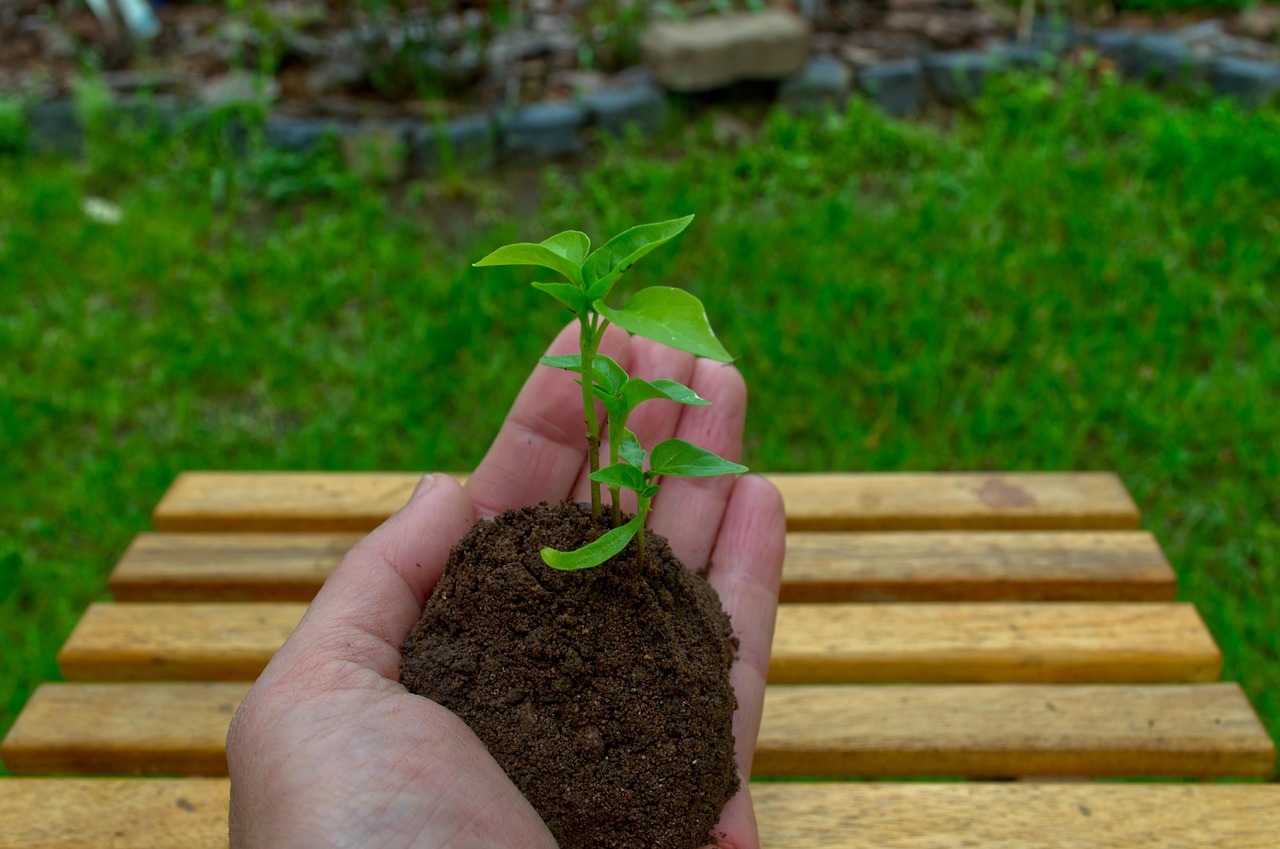
Once the seedlings emerge, transition them to a location that receives full sun. Proper light exposure is critical for developing sturdy stems and preventing the plants from becoming “leggy” or weak. If you find that multiple seeds have sprouted in a single cell or small pot, you must thin them out to ensure the strongest plant has enough space and nutrients to thrive.
When thinning, utilize sharp, clean garden snips. Using dull tools can crush the delicate stems rather than cutting them cleanly, which increases the risk of disease. Follow these best practices during the thinning process:
- Sanitize your snips with rubbing alcohol before use to prevent the spread of pathogens.
- Wear lightweight gardening gloves to protect your hands, as lavender foliage can cause mild skin irritation in some individuals.
- Snip the weaker seedlings at the soil line rather than pulling them out, which protects the root system of the remaining healthy plant.
As the seedlings grow, continue to monitor the moisture level of the soil carefully. Use a small hand trowel or a soil moisture meter if you are unsure about the dampness beneath the surface. If you are using outdoor power equipment for larger garden maintenance nearby, ensure your seed pots are shielded from high-velocity debris or strong wind gusts, which can easily damage fragile new growth. By providing this attentive, gentle care during the first few weeks, you set a strong foundation for healthy, fragrant lavender plants that will eventually be ready for transplanting into your permanent garden beds or larger decorative containers.
Essential Maintenance and Safety Tips
Successful lavender cultivation requires more than just high-quality seeds and soil; it demands a disciplined approach to tool maintenance and workspace safety. Because lavender thrives in well-draining pots, you will likely handle various hand tools, such as trowels for potting and snips for pruning. Always wear durable gardening gloves when working with these implements. Gloves not only prevent painful blisters during repetitive tasks but also provide a necessary barrier against sharp edges or potential skin irritants found in potting mixes.
Your workspace should remain organized and free of debris to minimize trip hazards. When setting up your lavender pots, prioritize stability. Lavender containers, particularly those made of heavy ceramic or terracotta, can become top-heavy as the plants grow or if the soil becomes saturated. Always place these pots on a flat, level surface to prevent accidental tipping, which could damage your young seedlings or crack the planters.
If you are growing your lavender indoors or in a greenhouse using supplemental power equipment, safety must remain your top priority. Follow these essential protocols:
- Disconnect power sources: Always unplug electric grow lights or heat mats before adjusting their position or cleaning the area to avoid electrical shock.
- Inspect cords: Regularly check the cables of your outdoor power equipment for any signs of fraying or wear.
- Tool hygiene: Clean your snips and trowels with a mild disinfectant after each use. This prevents the spread of soil-borne pathogens that lavender is particularly sensitive to.
- Store securely: Once you finish your maintenance tasks, store sharp hand tools in a designated rack or box, keeping them out of reach of children and pets.
Proper maintenance of your equipment extends the lifespan of your tools and ensures that your gardening experience remains productive rather than hazardous. By keeping your blades sharp and your electrical equipment in good working order, you create a safer environment for your lavender to thrive. Never force a tool that is stuck or dull; instead, take the time to sharpen or clean it properly. A well-maintained toolkit is the foundation of a successful home garden, allowing you to focus your energy on nurturing your lavender rather than managing avoidable injuries or equipment failures.

Follow-up Care and Troubleshooting
Once your lavender seeds have successfully germinated and established themselves in their pots, the focus shifts to maintenance. Lavender is a drought-tolerant Mediterranean plant that thrives on neglect rather than over-pampering. The most critical factor for long-term success is resisting the urge to overwater. Allow the potting mix to dry out almost completely between waterings, and ensure your pots are placed in an area with excellent air circulation to prevent moisture buildup.
Proper maintenance also involves strategic pruning to keep the plant compact and productive. If you notice your lavender becoming “leggy”—where the stems stretch out and lose their bushy shape—it is time to intervene. Use sharp, clean, and sanitized pruning shears to trim back the green growth after the flowering season concludes. Avoid cutting into the old, woody stems, as lavender often struggles to regenerate from this hard wood.
If you encounter issues such as yellowing leaves or stunted growth, perform a quick diagnostic check of your setup:
- Drainage: Ensure the pot has adequate drainage holes and that you are using a high-quality, gritty potting mix designed for succulents or Mediterranean herbs. Standing water is the fastest way to kill lavender.
- Sunlight: Lavender requires at least six to eight hours of direct, unfiltered sunlight daily. If the plant is in a shaded corner, move it to a brighter location.
- Pot Size: If the plant has outgrown its container, it may become root-bound, which inhibits growth. Gently check the root system for signs of overcrowding.
Keep a close eye on the foliage for signs of pests, such as aphids or spider mites, or fungal issues like root rot. Early identification is the best defense. If you notice persistent discoloration or unusual spots that do not resolve with adjustments to water and light, consult a professional at a local nursery. They can provide specific recommendations for organic treatments or confirm if the plant is suffering from environmental stress. By maintaining a balance of full sun, minimal water, and timely pruning, your potted lavender will remain healthy and fragrant for several seasons.

Dedicated team of gardening enthusiasts with years of hands-on experience testing lawn mowers, gardening tools, and outdoor equipment. We help home gardeners and professionals alike make informed buying decisions with honest, thorough reviews. From push mowers to pruning shears, we test it all so you don’t have to. Got a gardening tool you’d like us to review? Get in touch!