
Fungus gnats are a common frustration for indoor gardeners, often appearing as tiny, annoying flies hovering near your plants. To get rid of potting soil gnats, you must target their larvae in the soil while simultaneously trapping the flying adults to break their rapid reproductive cycle effectively.
Eliminating these pests requires patience, as they thrive in moist environments and reproduce quickly. While you may be tempted to reach for harsh chemicals, most infestations respond well to consistent, non-toxic management strategies. Understanding their lifecycle is the key to successfully reclaiming your home garden from these persistent, unwanted visitors.
This guide explains how to identify these pests, eliminate them using safe and practical methods, and prevent them from returning to your houseplants. We will cover essential tools, watering adjustments, and natural treatments to keep your indoor garden healthy. Follow these steps to restore your plants and maintain a pest-free environment.

Identifying the Problem
If you notice tiny, dark flies hovering around your houseplants, you are likely dealing with fungus gnats. These persistent pests are a common nuisance for indoor gardeners, often appearing after you have recently watered your plants or introduced new potting soil. Identifying them correctly is the first step toward effective management.
Fungus gnats are small, fragile insects that resemble miniature mosquitoes. They typically measure about 1/8 of an inch in length and have long, slender legs and delicate, clear wings. While they are capable of flight, they are relatively weak fliers and are most frequently seen darting erratically just above the surface of the soil or resting on the damp potting mix.
To distinguish them from other common houseplant pests, look for these specific characteristics:
- Flight pattern: Unlike fruit flies, which are attracted to rotting produce, fungus gnats are strictly bound to moist soil and plant containers.
- Activity: They tend to stay near the base of the plant rather than congregating around kitchen counters or trash bins.
- Appearance: They are uniformly dark or black, whereas pests like whiteflies are pale and aphids are typically larger and stationary on leaves.
While the adult flies are annoying, they do not actually damage your plants. The real threat lies hidden beneath the surface. The adult females lay their eggs in the top inch of damp, organic-rich potting soil. Once these eggs hatch, the resulting larvae—which look like tiny, translucent worms with black heads—begin feeding.
The larvae live exclusively in the moist upper layers of the soil. They feed primarily on decaying organic matter, but when populations are high, they will turn their attention to your plant’s root hairs. This feeding activity disrupts the plant’s ability to absorb water and nutrients, leading to yellowing leaves, stunted growth, and, in severe cases, plant collapse.
Because the larvae thrive in consistently wet conditions, the presence of these gnats is often a signal that your watering habits may need adjustment. By identifying the gnats early and recognizing their lifecycle, you can interrupt their breeding cycle before they cause significant stress to your indoor garden. Focus your inspection on the soil surface, as this is where the entire lifecycle of the pest begins and ends.
Immediate Control Methods
When you notice tiny black flies hovering around your houseplants, you must act quickly to break their reproductive cycle. Fungus gnats thrive in moist environments, so the most effective immediate control involves a two-pronged approach: trapping the adults and disrupting the larvae’s habitat.
The fastest way to reduce the active population is by deploying yellow sticky traps. Fungus gnats are naturally attracted to the color yellow, which they mistake for a food source or a place to lay eggs. Place these traps horizontally on the surface of the soil or hang them vertically just above the foliage. As the adults land on the adhesive, they become stuck, preventing them from laying hundreds of new eggs in your potting mix.
While traps handle the adults, you must address the larvae living within the soil. Larvae require consistently damp conditions to survive and feed on organic matter. By altering your watering habits, you can effectively starve them out.
Follow these steps to dry out the soil safely:
- Check the moisture level by inserting your finger into the potting mix up to the first knuckle. If it feels damp, do not water.
- Allow the top one to two inches of soil to dry out completely between waterings. This creates a hostile environment for larvae, which will begin to perish as the soil loses its moisture content.
- Ensure your pots have adequate drainage holes. Never allow a plant to sit in a saucer filled with standing water, as this creates the perfect breeding ground for gnats.
- If your plant is particularly sensitive to drought, consider bottom-watering. Place the pot in a tray of water for 20 minutes, then remove it. This keeps the root zone hydrated while leaving the top layer of soil dry, which discourages gnats from laying new eggs.
Consistency is key. It may take two to three weeks to fully eliminate an infestation, as you must wait for the current generation of larvae to mature and be caught by your traps. Avoid the temptation to overwater during this period, even if the plant looks slightly wilted; most common houseplants can easily recover from a brief dry spell, but they cannot thrive while fighting off a gnat infestation.
Natural Treatment Options
When dealing with fungus gnats in your potting soil, the most effective approach is to disrupt their life cycle using non-toxic, targeted methods. Because these pests thrive in the top layer of moist soil, creating physical barriers and introducing biological controls are your best lines of defense.
One of the simplest ways to prevent adult gnats from laying new eggs is to alter the surface of your potting mix. By applying a layer of sand or fine decorative gravel—roughly a quarter-inch thick—you create a dry, abrasive barrier. Adult gnats cannot penetrate this layer to reach the moist soil beneath, and any larvae attempting to emerge will struggle to survive. Ensure you allow the soil to dry out slightly between waterings, as this further discourages the gnats from settling.
For a more aggressive, yet safe, biological solution, consider using products containing Bacillus thuringiensis israelensis (BTI). This naturally occurring bacterium is highly effective against fungus gnat larvae while remaining completely harmless to your houseplants, pets, and family members.
To implement BTI effectively, follow these practical steps:
- Choose the right form: BTI is commonly available in granular or liquid “dunks” designed for water treatment.
- Prepare the solution: If using a dunk, soak it in your watering can for several hours or overnight to release the bacteria into the water.
- Water consistently: Use this BTI-infused water for every watering session over the next few weeks. This ensures that as new eggs hatch, the larvae ingest the bacteria and perish before they can mature into flying adults.
Combining these two methods provides a robust, chemical-free strategy. The physical barrier stops the cycle from the top down, while the BTI targets the existing larvae within the soil. Because gnats have a relatively short life cycle, you should notice a significant reduction in adult activity within two to three weeks of consistent treatment.
Avoid the temptation to use harsh household sprays or systemic pesticides, as these are often unnecessary and can potentially damage sensitive indoor plants. By focusing on the soil environment, you can eliminate the infestation safely while keeping your home garden healthy and thriving.
Safety and Maintenance Best Practices
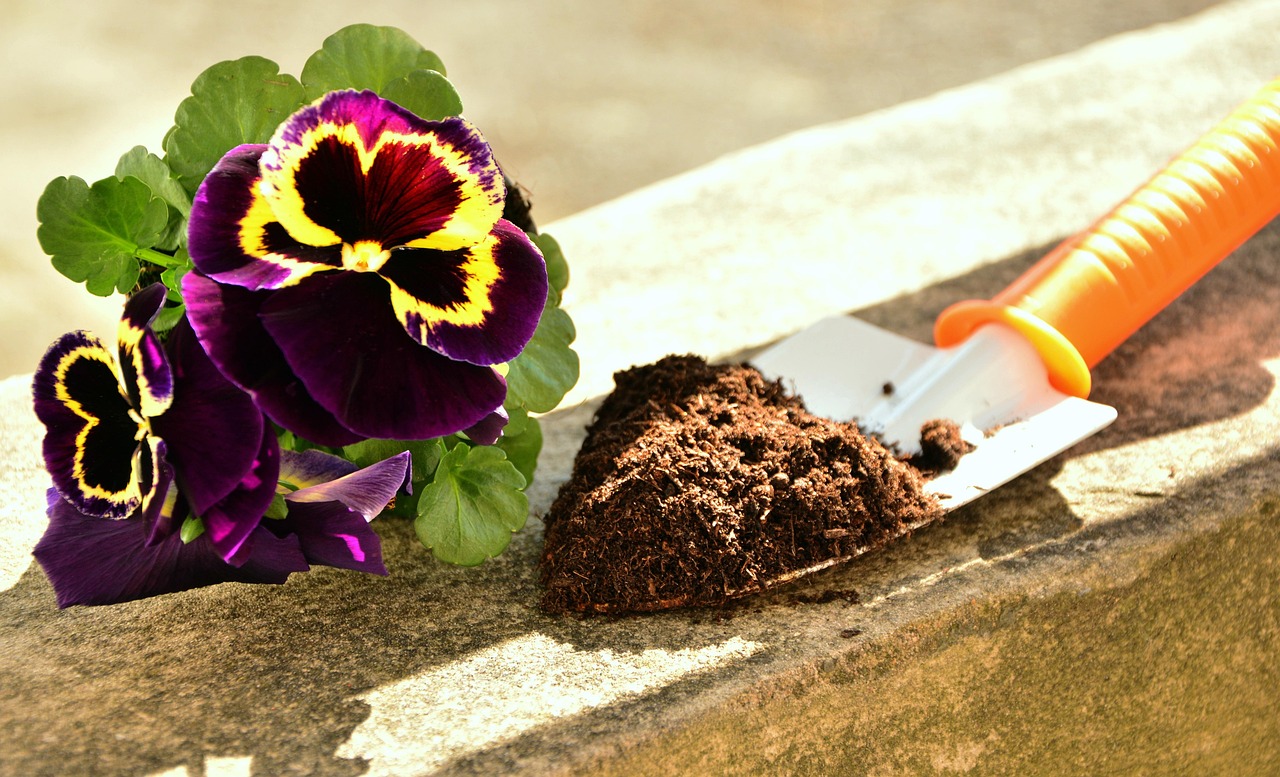
When dealing with a fungus gnat infestation, your gardening routine requires extra attention to both personal protection and equipment hygiene. Handling potting media can be messy, and damp soil often harbors more than just gnat larvae. To protect your skin from potential irritants, fungal pathogens, or sharp debris hidden in the soil, always wear a pair of durable gardening gloves. This simple barrier prevents direct contact with moisture-retaining amendments that may be harboring pests or mold.
Your tools are often the primary vector for spreading pests and diseases between healthy and infested plants. If you use a trowel to dig into an infested pot, the larvae or eggs can easily hitch a ride to your next container. To break this cycle, you must practice strict tool sanitation.
Follow these best practices to maintain a hygienic gardening environment:
- Disinfect regularly: Wipe down trowels, hand rakes, and pruning shears with a mild disinfectant, such as a 10% bleach solution or 70% isopropyl alcohol, after working with infested soil.
- Dry your tools: After cleaning, ensure all metal components are thoroughly dried with a clean cloth to prevent rust and corrosion, which can dull your blades and shorten the lifespan of your equipment.
- Dedicate your gear: If possible, keep a specific set of tools for your indoor potting area. Using separate equipment for outdoor garden beds and indoor houseplants significantly reduces the risk of introducing outdoor pests to your home.
- Inspect before storing: Before putting hand tools away, brush off any residual soil. Dried, caked-on dirt can trap moisture and harbor gnat eggs, allowing them to survive long after you have finished your gardening session.
Beyond hygiene, prioritize safety when using outdoor power equipment for larger soil mixing tasks. Always wear eye protection if you are using motorized tillers or mixers, as dry soil particles can easily become airborne. If you are using chemical soil drenches or treatments as part of your gnat control strategy, read the manufacturer’s labels carefully. Ensure you are working in a well-ventilated area and keep all soil amendments and cleaning agents stored securely out of reach of children and pets. By treating your tools with the same care you give your plants, you create a cleaner, safer, and more successful gardening experience.
Frequently Asked Questions and Long-Term Prevention
Eliminating fungus gnats requires patience and consistency. While you may notice a significant reduction in adult activity within one to two weeks of treating your soil, it often takes a full month to break the life cycle completely. Because eggs and larvae reside deep within the potting medium, you must remain diligent with your chosen treatment method until the entire population is eradicated.
The primary culprit behind a persistent gnat infestation is almost always overwatering. Fungus gnats thrive in damp, decaying organic matter. When soil remains constantly saturated, it creates the perfect breeding ground for larvae. By allowing the top two inches of your potting soil to dry out completely between waterings, you effectively starve the larvae and make the environment inhospitable for future generations.
To prevent future outbreaks, focus on long-term maintenance and proper horticultural practices:
- Use well-draining soil mixes: Incorporate perlite, pumice, or horticultural grit into your potting mix to improve aeration and drainage. This ensures water moves through the container rather than pooling at the roots.
- Verify drainage: Always ensure your pots have functional drainage holes. If you use decorative cachepots without holes, remove the inner nursery pot to water it in the sink, allowing all excess moisture to escape before returning it to the decorative container.
- Quarantine new additions: Before introducing a new plant to your collection, inspect the soil surface for movement and check the undersides of leaves. Keep new plants in a separate area for at least two weeks to ensure they are not harboring hidden pests.
- Top-dress your soil: Adding a thin layer of decorative sand, fine gravel, or specialized horticultural grit to the top of your potting soil creates a physical barrier. This prevents adult gnats from reaching the soil to lay their eggs.
Practical garden maintenance is your best defense against recurring issues. By adjusting your watering habits and ensuring your containers provide adequate airflow to the root zone, you create a healthy environment that naturally resists pests. If you notice a sudden increase in gnats, immediately re-evaluate your watering schedule and inspect your drainage systems to ensure water is not collecting in saucers or decorative pots. Consistent care is the most effective tool in your gardening kit.

Dedicated team of gardening enthusiasts with years of hands-on experience testing lawn mowers, gardening tools, and outdoor equipment. We help home gardeners and professionals alike make informed buying decisions with honest, thorough reviews. From push mowers to pruning shears, we test it all so you don’t have to. Got a gardening tool you’d like us to review? Get in touch!