
Dealing with fungus gnats can be frustrating for any gardener. You can effectively eliminate these pests by allowing your soil to dry out between waterings and using yellow sticky traps to catch adults. These small, annoying insects thrive in damp environments, but with the right approach, you can quickly clear them from your favorite indoor and outdoor flower displays.
While seeing gnats buzzing around your plants is alarming, they rarely cause severe damage to healthy, established flowers. However, their larvae can feed on delicate roots if an infestation goes unchecked for too long. Understanding the life cycle of these pests is the first step toward reclaiming your garden space and protecting your greenery from further stress.
This guide explains how to identify these pests, eliminate them using safe, practical methods, and prevent them from returning to your indoor and outdoor flowers. We will cover essential garden maintenance techniques and the right tools to keep your soil healthy. Follow these actionable steps to restore your garden’s vitality and ensure your plants thrive without unwanted visitors.

Identifying the Problem
Before you reach for heavy-duty pesticides or specialized outdoor power equipment, you must confirm that the pests hovering around your flowers are actually fungus gnats. Misidentifying the problem can lead to unnecessary chemical use, which may harm your plants or the surrounding soil ecosystem.
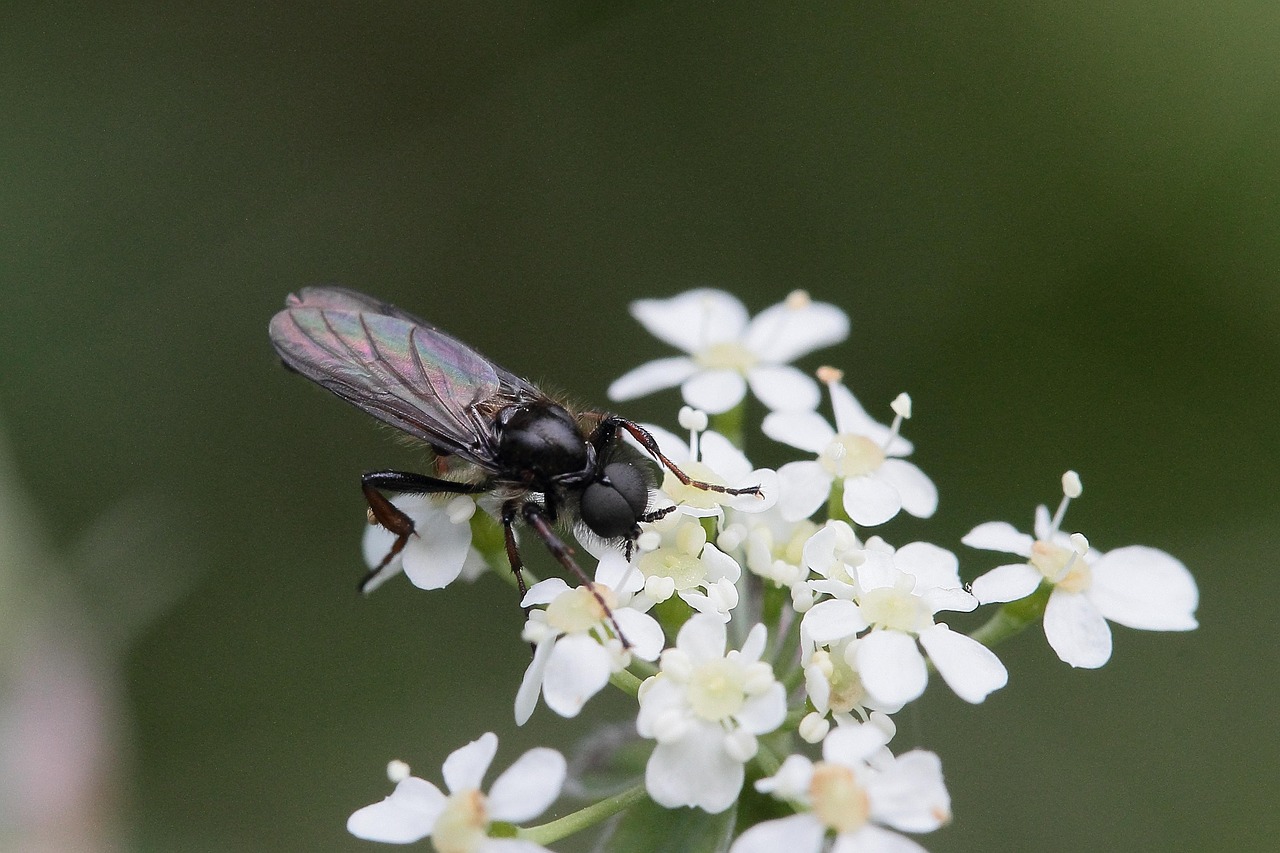
Fungus gnats are tiny, dark-colored flies, typically measuring about 1/8 of an inch long. Unlike larger garden pests, they are weak fliers. You will most often spot them darting erratically just above the soil surface or resting near the base of your flower pots. If you disturb the foliage or the top layer of potting mix, they will often take flight in a small, localized swarm before quickly settling back down.
To confirm their presence and distinguish them from other insects, look for these specific indicators:
- Soil Moisture Levels: Fungus gnats thrive in consistently damp, organic-rich environments. If your soil remains saturated for days after watering, it creates the perfect breeding ground for their larvae.
- The Sticky Trap Test: Place a small yellow sticky trap near the base of your plants. Fungus gnats are highly attracted to the color yellow. If the trap catches multiple tiny, dark flies within 24 hours, you have a confirmed infestation.
- Larval Presence: While rarely visible to the naked eye, the larvae live in the top inch of the soil, feeding on decaying organic matter and occasionally delicate root hairs.
It is important to understand that these gnats are often a symptom of poor drainage or overwatering rather than a sign of a failing plant. While the adult flies are primarily a nuisance, their larvae can damage root systems if the population grows unchecked. Before you begin any maintenance routine, check the moisture level of your soil by inserting your finger about two inches deep. If the soil feels muddy or waterlogged, you have identified the primary cause of the infestation.
By identifying these pests early, you can avoid harsh interventions. Focus instead on adjusting your watering schedule and improving soil aeration. Often, simply allowing the top layer of soil to dry out completely between waterings is enough to disrupt the gnat life cycle, effectively eliminating the problem without the need for intensive chemical treatments or specialized gardening tools.
Immediate Cultural Controls
The most effective way to eliminate fungus gnats is to disrupt their life cycle by altering the environment of your plants. Fungus gnat larvae thrive in consistently damp, nutrient-rich soil. By managing your watering habits and surface debris, you can quickly make your houseplants inhospitable to these pests.
Your first step is to allow the top two inches of soil to dry out completely between waterings. While it may be tempting to keep the soil moist, the larvae require a damp environment to survive and mature. When you do water, ensure your pots have adequate drainage holes and never leave the plant sitting in a saucer of standing water. If the soil remains soggy, the infestation will persist.
In addition to adjusting your watering schedule, you must address the surface of the soil. Fungus gnats lay their eggs in decaying organic matter, which provides both shelter and a primary food source for emerging larvae. Maintaining a clean container environment is essential for long-term control.
Follow these practical maintenance steps to clear the surface:
- Remove any fallen leaves, petals, or stems from the top of the soil immediately.
- Gently scrape away the top half-inch of potting mix if you suspect it contains decaying organic matter or mold.
- Avoid using heavy organic mulches or top dressings that retain excessive moisture near the base of the plant.
- Ensure your gardening tools, such as trowels or hand cultivators, are cleaned regularly to prevent the spread of fungus or spores that attract gnats.
If you have a large collection of plants, consider using a moisture meter to track soil saturation levels accurately. This tool removes the guesswork from your watering routine, helping you maintain the perfect balance between keeping your plants healthy and keeping the soil dry enough to kill off larvae. By combining these cultural controls with consistent garden maintenance, you can significantly reduce the gnat population without needing to reach for harsh chemical sprays or complex treatments. Once the top layer of soil remains dry for a sustained period, the life cycle of the gnats is broken, and the infestation will naturally subside. Patience is key, as it may take a few weeks for the existing adult population to die off completely.
Safe Treatment Methods
Effectively managing a gnat infestation requires a dual-pronged approach that targets both the flying adults and the larvae living within the soil. Because gnats thrive in moist environments, addressing their life cycle is essential for long-term control.
The most immediate way to reduce the adult population is by using yellow sticky traps. These bright, adhesive cards attract gnats, causing them to stick to the surface upon contact. Place these traps horizontally near the base of your plants or insert them vertically into the soil. This prevents new adults from laying eggs, effectively breaking the breeding cycle.
While traps manage adults, you must also eliminate the larvae residing in the potting mix. For a safe, highly effective solution, use a biological control agent known as Bacillus thuringiensis israelensis (BTI). This naturally occurring bacterium specifically targets gnat larvae without posing risks to your plants, household pets, or beneficial insects.
To implement a safe treatment plan, follow these practical steps:
- Monitor with traps: Place yellow sticky traps near the soil surface of affected pots to capture flying adults immediately.
- Apply BTI: Purchase a BTI-based product, often found as “mosquito dunks” or granules. Soak the product in your watering can according to the package instructions, then use this treated water for your regular plant maintenance.
- Maintain consistency: Larvae hatch in intervals, so repeat the BTI treatment with every watering for at least three to four weeks to ensure you catch every generation.
- Allow soil to dry: Between waterings, let the top two inches of soil dry out completely. Gnats require consistent moisture to survive, and dry soil makes the environment inhospitable for new larvae.
Always read and follow the manufacturer’s labels carefully when applying any treatment. While these methods are safe and non-toxic, correct application rates ensure maximum effectiveness. Avoid over-watering your plants, as damp, stagnant soil is the primary factor that invites gnats into your home garden. By combining physical traps with biological controls and proper irrigation habits, you can clear your plants of gnats and prevent future outbreaks without relying on harsh chemical pesticides.
Safety and Equipment Precautions
Successfully managing a gnat infestation requires consistent care, but your safety should always remain the top priority. Whether you are mixing fresh potting soil, applying neem oil, or utilizing hydrogen peroxide treatments, proper equipment and handling techniques are essential to protect yourself and your household.
Before beginning any treatment, ensure you are equipped with the right gear. Always wear nitrile or rubber gardening gloves when handling soil or chemical solutions. This prevents skin irritation and keeps potential contaminants away from your hands. If you are using spray-based organic treatments, such as insecticidal soaps, perform the application in a well-ventilated area. Inhaling fine mists can irritate your respiratory system, so open windows or move your plants outdoors if the weather permits.
When working with garden maintenance tools or power equipment to manage your indoor or outdoor plants, keep these safety precautions in mind:
- Secure Storage: All gardening chemicals, concentrated treatments, and fertilizers must be stored in their original containers. Keep these items in a locked cabinet or on a high shelf, completely out of the reach of children and pets.
- Tool Maintenance: Ensure your hand tools, such as trowels or cultivators used for soil aeration, are clean and free of rust. Clean tools prevent the accidental introduction of pathogens into your potting mix.
- Eye Protection: If you are applying liquid treatments via a spray bottle, wear safety glasses to prevent accidental splashes or mist from entering your eyes.
- Labeling: If you dilute treatments or create homemade remedies, clearly label the container with the contents and the date of preparation. Never store gardening solutions in repurposed food or beverage containers.
Effective garden maintenance is not just about eliminating pests; it is about maintaining a healthy environment for your plants and your family. If you are using outdoor power equipment to manage larger areas of your garden, always follow the manufacturer’s instructions regarding protective gear and fuel handling. By staying organized and mindful of how you store your equipment and treatments, you create a safer space for your flowers to thrive.
If you notice any unusual reactions after applying a treatment, wash the affected skin area thoroughly with soap and water. If you are ever unsure about the safety of a specific product, consult the manufacturer’s Safety Data Sheet (SDS) before use.

Follow-up Care and Prevention
Successfully eliminating a gnat infestation is only the first step. To ensure these pests do not return, you must remain vigilant for several weeks following your initial treatment. Regularly inspect the surface of your potting soil and the undersides of leaves for signs of recurring activity. If you notice even a few gnats, reapply your chosen treatment immediately to break the breeding cycle before a new population establishes itself.
The most effective long-term defense against fungus gnats is managing soil moisture. These pests thrive in consistently damp, decaying organic matter. By adjusting your maintenance routine, you can create an environment that is inhospitable to them:
- Improve Drainage: Always ensure your pots have functional drainage holes at the bottom. Never let a plant sit in standing water within a saucer, as this creates the perfect breeding ground for larvae.
- Use Quality Media: Upgrade to a high-quality, well-draining potting mix. Avoid garden soil, which is often too dense and may already contain pest eggs or pathogens.
- Practice Proper Watering: Allow the top two inches of soil to dry out completely between waterings. This kills larvae near the surface and discourages adults from laying new eggs.
- Top Dressing: Consider adding a thin layer of horticultural sand or decorative gravel to the surface of your soil. This physical barrier prevents adult gnats from reaching the soil to lay eggs.
If you have addressed your watering habits and improved drainage but still face a persistent, heavy infestation, the soil itself may be the issue. In cases where the infestation is deeply rooted, the most practical solution is to repot the plant entirely. Carefully remove the plant, gently wash the root system to remove contaminated soil, and transplant it into fresh, sterile potting mix. Ensure you clean the original pot thoroughly with a mild bleach solution or soap and water before reusing it.
Should these efforts fail to resolve the problem, do not hesitate to seek expert advice. Local nursery professionals can provide region-specific insights, suggest specialized biological controls like beneficial nematodes, or help identify if your plant is suffering from underlying issues, such as root rot, that might be attracting the gnats in the first place.

Dedicated team of gardening enthusiasts with years of hands-on experience testing lawn mowers, gardening tools, and outdoor equipment. We help home gardeners and professionals alike make informed buying decisions with honest, thorough reviews. From push mowers to pruning shears, we test it all so you don’t have to. Got a gardening tool you’d like us to review? Get in touch!