
To get rid of gnats by plants, start by allowing the top two inches of soil to dry out completely between waterings. You can also use yellow sticky traps to capture adult flies while applying neem oil or hydrogen peroxide solutions to the soil to eliminate larvae and break their reproductive cycle effectively.
While these tiny pests are a common nuisance for both indoor and outdoor gardeners, they are rarely fatal to healthy plants. However, a heavy infestation can damage delicate roots and spread fungal diseases. Managing them requires consistency, as you must target both the flying adults and the soil-dwelling larvae simultaneously for success.
This guide explains how to identify these persistent pests, eliminate them using safe, practical methods, and prevent them from returning to your garden or houseplants. By adjusting your watering habits and utilizing the right tools, you will restore your greenery to a healthy, pest-free state and maintain a thriving, beautiful home garden.

Identifying the Problem
Before you reach for heavy-duty outdoor power equipment or chemical sprays, you must confirm that the insects hovering around your indoor plants are indeed fungus gnats. Many gardeners mistake beneficial soil-dwelling insects—such as springtails or predatory mites—for pests. While harmless insects often scurry across the soil surface when disturbed, fungus gnats are defined by their erratic, weak flight patterns and attraction to light.
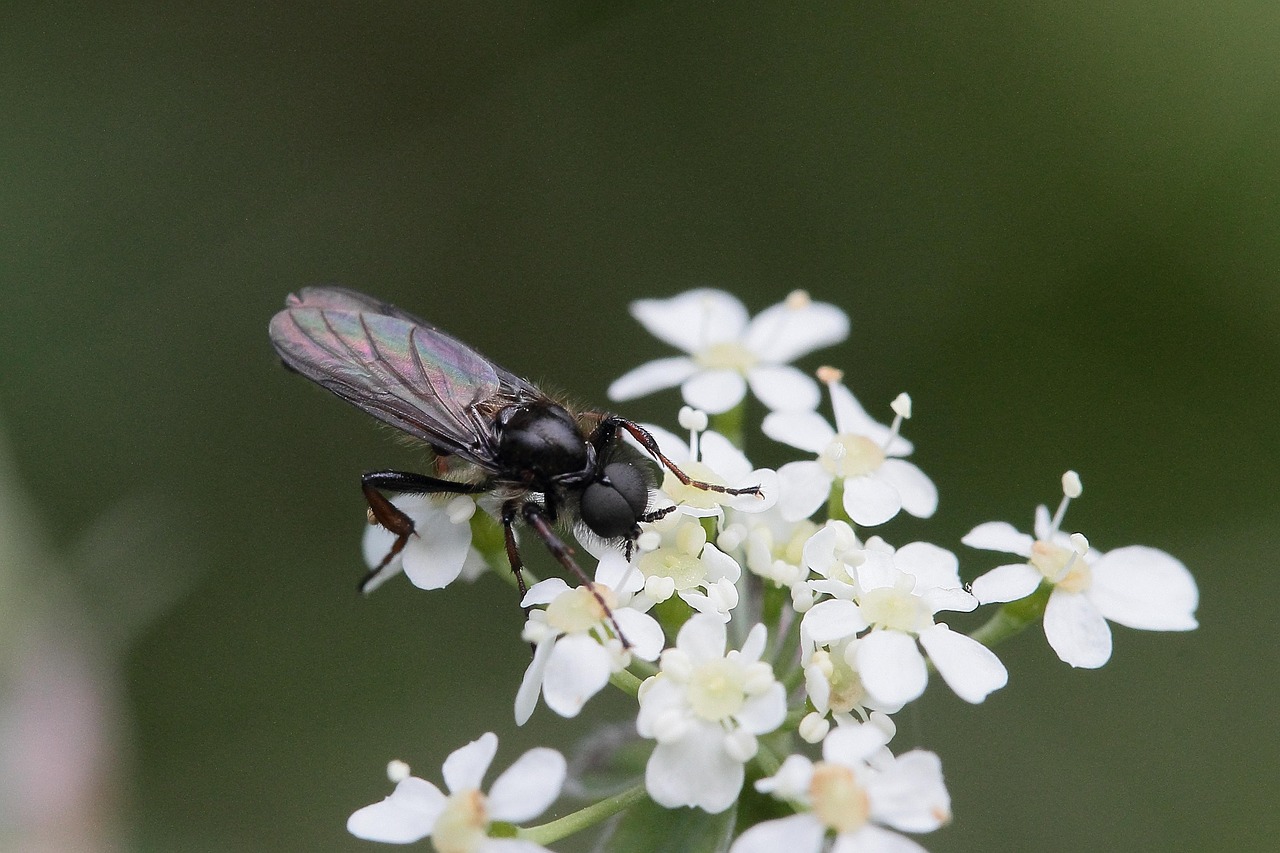
Fungus gnats are small, dark-winged flies that thrive in environments with high moisture and decaying organic matter. If you notice tiny gnats congregating near your potting soil, they are likely drawn to the breakdown of peat moss, bark, or overwatered root systems. While the adults are primarily a nuisance to humans, they are a clear indicator of an underlying issue within your garden maintenance routine.
The real damage occurs beneath the soil line. Adult gnats lay eggs in the top inch of damp potting mix, which hatch into translucent, worm-like larvae with distinct black heads. These larvae feed on:
- Fungal spores and algae present in the soil.
- Fine, delicate root hairs of your houseplants.
- Organic debris that has begun to decompose.
If left unchecked, a significant infestation can stunt plant growth, cause yellowing leaves, and lead to root rot, especially in younger or more sensitive specimens. Because the larvae thrive in consistently soggy soil, the most effective first step in your management plan is to evaluate your watering habits. Often, simply allowing the top two inches of soil to dry out completely between waterings is enough to disrupt the life cycle of the larvae, effectively breaking the infestation cycle without the need for harsh interventions.
To differentiate them further, use a simple yellow sticky trap placed near the base of the plant. Fungus gnats are highly attracted to the color yellow. If you find the trap covered in tiny, dark flies within 24 hours, you have successfully identified a fungus gnat population. Once you have confirmed the presence of these pests, you can proceed with targeted, safe treatments rather than treating your entire collection unnecessarily. Monitoring is the most practical tool in your gardening arsenal; identifying the pest early prevents minor annoyances from becoming major plant health crises.
Immediate Control Methods
When you notice tiny, flying insects hovering around your houseplants, immediate action is necessary to prevent a full-blown infestation. Fungus gnats thrive in moist soil, so your first priority is to break their reproductive cycle by targeting both the flying adults and the larvae living beneath the surface.
The most effective way to reduce the adult population quickly is through the use of yellow sticky traps. Fungus gnats are naturally attracted to the color yellow, which they mistake for a food source or a place to lay eggs. By placing these traps near the base of your plants or hanging them just above the soil line, you can capture dozens of adults within hours. This prevents them from laying more eggs and helps you monitor the severity of the problem.
While traps handle the adults, you must address the larvae in the soil to stop the cycle. A simple, non-toxic hydrogen peroxide solution is highly effective and safe for most common houseplants. Follow these steps to treat your soil:
- Mix one part 3% hydrogen peroxide with four parts water.
- Ensure the soil is slightly dry before application to prevent root shock.
- Water the plant thoroughly with the solution, ensuring it reaches the top inch of the soil where larvae feed.
- You will hear a brief fizzing sound; this is the oxygen being released as the peroxide contacts organic matter and larvae, which kills them on contact.
After the fizzing stops, the peroxide breaks down into harmless water and oxygen, leaving no toxic residue behind. This method is an excellent alternative to harsh chemical pesticides, making it ideal for indoor environments where pets or children are present.
To ensure these methods remain effective, combine them with a change in your watering habits. Fungus gnats require damp conditions to survive. Allow the top two inches of your potting mix to dry out completely between waterings. This creates a hostile environment for new larvae, effectively drying out their food source. By pairing physical traps with soil treatment and proper moisture management, you can regain control of your indoor garden without relying on dangerous synthetic sprays. Monitor your plants daily and replace sticky traps as they become saturated to keep the population in check.
Adjusting Watering Habits
The most common culprit behind a persistent fungus gnat infestation is overwatering. These tiny pests thrive in damp, decaying organic matter found in saturated potting soil. When you water too frequently, you create a perfect nursery for gnat larvae, which feed on fungi and root hairs in the moist top layer of your plants’ soil.
To break the gnat life cycle, you must disrupt their habitat. The most effective, chemical-free method is to allow the top inch of soil to dry out completely between waterings. When the surface layer becomes arid, it becomes inhospitable for larvae, causing them to perish. Furthermore, adult gnats are discouraged from laying new eggs in dry, crumbly soil, effectively halting the infestation at its source.
Adopting a disciplined watering routine is essential for long-term garden maintenance. Follow these practical steps to ensure your soil dries properly:
- The Finger Test: Before adding more water, insert your index finger one inch deep into the soil. If you feel any moisture, wait another day or two before watering again.
- Check Drainage: Ensure your pots have functioning drainage holes. If water sits in a saucer at the base of the pot, empty it immediately to prevent the soil from wicking moisture back up.
- Use Well-Draining Mixes: If your soil stays wet for more than a week, consider repotting with a mix that includes perlite or pumice to improve aeration and drainage.
- Water from the Bottom: Place your pot in a bowl of water for 15 minutes, then remove it. This allows the roots to drink while keeping the top layer of soil—where gnats lay their eggs—relatively dry.
Be mindful that different plant species have varying water requirements. While succulents and cacti are easy to let dry out, moisture-loving tropical plants may require a more delicate balance. If you are struggling with a severe infestation, you may need to temporarily reduce the water intake of these plants to a level that keeps the foliage healthy without keeping the soil soggy. By adjusting your habits and prioritizing soil aeration, you create an environment where your plants can thrive while gnats struggle to survive. Consistent monitoring is the key to preventing a resurgence.
Safety and Maintenance Precautions
When addressing a gnat infestation, you may need to amend your soil or apply organic fertilizers to disrupt their life cycle. These substances often contain concentrated minerals or microorganisms that can cause skin irritation or allergic reactions upon contact. Always wear durable gardening gloves when handling soil amendments, potting mixes, or fertilizers to protect your skin from abrasions and chemical sensitivities.
If your gnat management strategy involves repotting plants, you will likely rely on hand tools like trowels, cultivators, or soil scoops. While these tools are essential for garden maintenance, they can pose risks if handled improperly. To ensure your safety during the process, follow these guidelines:
- Maintain a firm grip: Always hold trowels by the handle, keeping your fingers well away from the metal edges or pointed tips.
- Use proper technique: When digging or loosening soil, direct the force of the tool away from your body and your other hand.
- Keep tools clean: Wipe down your equipment after use to prevent the buildup of damp soil, which can lead to rust and dull the cutting edges.
- Secure storage: Once your task is finished, store all hand tools and outdoor power equipment in a locked shed or a designated tool organizer. This prevents accidental cuts and keeps sharp implements out of reach of children and pets.
If you are using mechanical equipment, such as a small tiller or power aerator to improve soil drainage, ensure the device is fully powered down and the battery or power cord is disconnected before you perform any maintenance or clear away debris. Never attempt to clear a jam in motorized equipment with your fingers; use a wooden dowel or a long-handled tool instead.
Finally, inspect your gardening tools regularly for signs of wear. A loose trowel head or a cracked handle can lead to slips and accidents during routine plant care. By maintaining your equipment and practicing consistent safety protocols, you protect your health while effectively managing the environment around your houseplants. If you experience any persistent skin redness or irritation after handling soil products, wash the area thoroughly with soap and water and consult a medical professional if the symptoms do not subside.

Long-Term Prevention and When to Seek Help
Once you have eliminated the immediate gnat population, focus on changing the environment to prevent future infestations. Fungus gnats thrive in moist, organic-rich soil, which provides the perfect nursery for their eggs. By altering the top layer of your potting mix, you can break their reproductive cycle.
Applying a decorative top dressing is one of the most effective long-term preventative measures. By covering the exposed soil with a layer of fine sand, decorative gravel, or expanded clay pebbles, you create a physical barrier that prevents adult gnats from reaching the soil to lay eggs. This layer also helps the surface dry out more quickly after watering, making the environment less hospitable to larvae.
To implement this method successfully, follow these steps:
- Remove the top half-inch of existing soil if it is heavily infested.
- Apply a one-quarter to one-half inch layer of coarse sand or decorative grit over the entire soil surface.
- Ensure the dressing covers the soil completely, leaving no gaps near the base of the stem.
- Water your plants from the bottom using a saucer to keep the top dressing dry.
It is important to recognize when a plant has suffered too much damage to recover. If you notice the stems turning mushy, the root system appearing black and slimy, or the foliage dropping rapidly despite your best efforts, the plant may be suffering from advanced root rot caused by the larvae. In these cases, it is often safer to discard the plant and the soil to protect your other indoor greenery.
If you find that your entire collection is struggling or the infestation persists despite consistent treatment, do not hesitate to seek expert advice. Local nursery professionals are excellent resources for identifying specific pests that may be mimicking gnat behavior. If you are dealing with a large, expensive specimen plant or a severe infestation that threatens a significant portion of your home garden, consult a certified arborist. They can provide specialized soil treatments or systemic care plans that go beyond standard home remedies, ensuring your plants return to health without further stress.

Dedicated team of gardening enthusiasts with years of hands-on experience testing lawn mowers, gardening tools, and outdoor equipment. We help home gardeners and professionals alike make informed buying decisions with honest, thorough reviews. From push mowers to pruning shears, we test it all so you don’t have to. Got a gardening tool you’d like us to review? Get in touch!