
To attract more hummingbirds to your yard, focus on planting native, nectar-rich flowers and installing reliable feeders. Creating a welcoming sanctuary requires a combination of thoughtful landscaping and consistent maintenance to provide these energetic birds with the food and shelter they need to thrive throughout the entire nesting and migration seasons.
While you cannot force wildlife to visit, you can significantly increase your odds by optimizing your outdoor environment. Success depends on patience and providing a pesticide-free habitat that mimics their natural preferences. By using the right lawn care equipment and garden tools, you can easily manage your space to support a vibrant, bird-friendly ecosystem.
This comprehensive guide covers the essential plants, feeders, and maintenance practices needed to attract and sustain a healthy hummingbird population in your garden. We will explore practical home gardening tips, from selecting the best outdoor power equipment for habitat cleanup to choosing hand tools that help you cultivate a perfect, nectar-filled paradise for your feathered visitors.
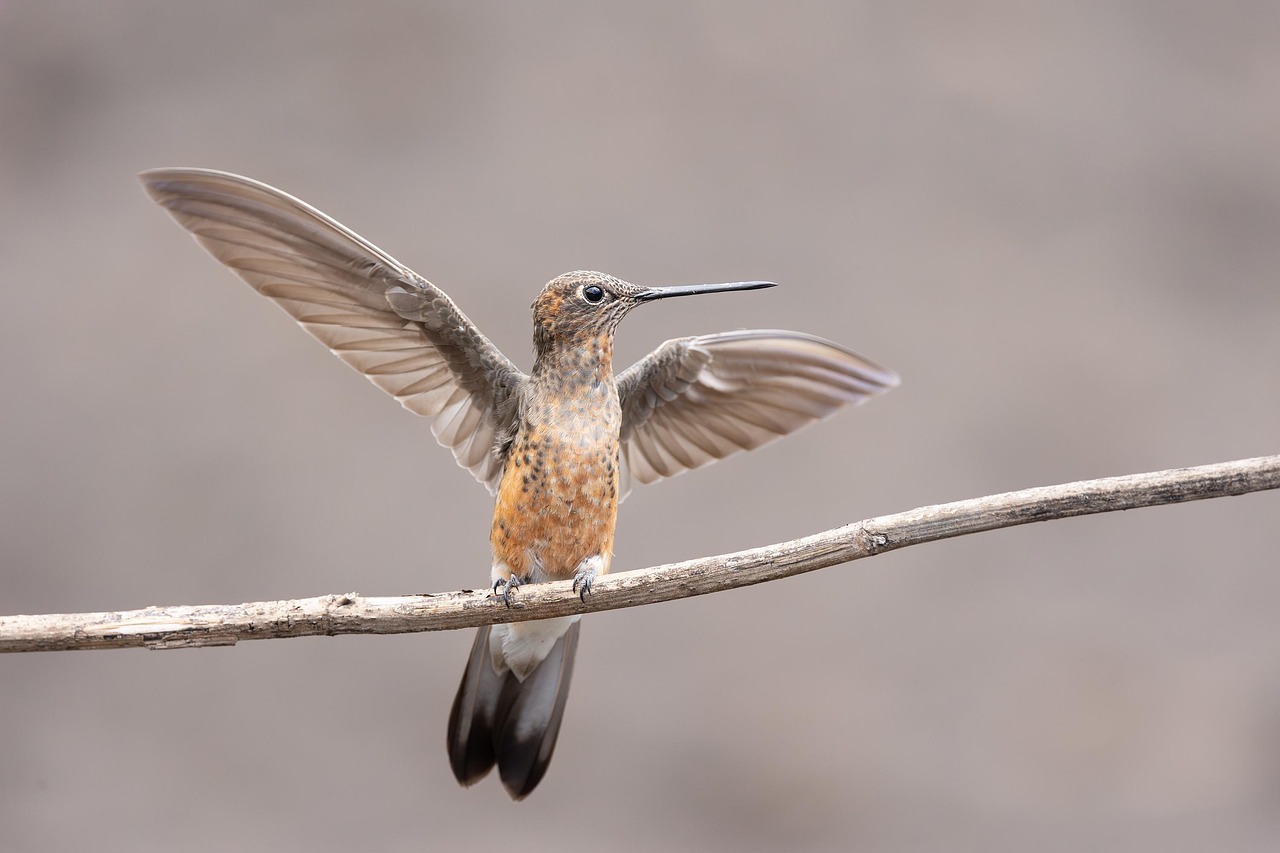
Choose the Right Nectar-Rich Plants
Hummingbirds have an incredibly high metabolism and require a constant supply of high-energy nectar to fuel their rapid wing beats and long-distance migrations. To transform your yard into a reliable sanctuary, you must prioritize planting species that produce abundant, sugar-rich nectar. Focusing on native plants is the most effective way to attract these birds, as these species have evolved alongside local pollinators and provide the most nutritional value.
When selecting your landscape palette, aim for a mix of tubular-shaped flowers. Hummingbirds have long, specialized bills designed to reach deep into these blossoms. Incorporate the following native favorites to ensure your garden remains a preferred pit stop:
- Bee Balm (Monarda): A perennial powerhouse that offers vibrant, nectar-heavy blooms throughout the summer.
- Trumpet Vine (Campsis radicans): A vigorous climber that provides a massive amount of nectar, though it should be planted on sturdy structures away from home foundations.
- Columbine (Aquilegia): An excellent choice for early-season feeding when other flowers have yet to emerge.
- Salvia: Available in many varieties, these hardy plants provide a long-lasting food source that hummingbirds find irresistible.
How you arrange these plants is just as important as the species you choose. Hummingbirds are visual foragers that scan the landscape for bright splashes of color. Instead of scattering individual plants across your lawn, group them in dense clusters. This “buffet” approach creates a high-visibility target that makes it easier for hummingbirds to spot your garden while in flight.
To keep these birds returning throughout the season, focus on a continuous bloom cycle. A garden that peaks in June but sits empty in August will cause hummingbirds to move on to more reliable food sources. Use your hand tools to deadhead spent blooms, which often encourages plants to produce a second flush of flowers. By layering early, mid, and late-season bloomers, you create a consistent food supply that keeps your backyard humming from spring through the first frost.
Finally, ensure your garden maintenance practices remain bird-friendly. Avoid using chemical pesticides or herbicides, as these can eliminate the tiny insects hummingbirds eat for protein and may prove toxic to the birds themselves. A healthy, chemical-free garden is the ultimate foundation for a thriving hummingbird habitat.
Install and Maintain Hummingbird Feeders
Supplementing natural nectar with sugar-water feeders is an effective way to attract more hummingbirds, especially when native flowers are not in bloom. To create a safe, healthy food source, mix one part white granulated sugar with four parts water. Boil the mixture for a few minutes to ensure the sugar is fully dissolved and to slow fermentation, then allow it to cool completely before filling your feeders.
It is vital to follow these safety guidelines to protect your local hummingbird population:
- Use only white granulated sugar: Never use honey, which can cause fatal fungal infections, or artificial sweeteners, which provide no energy.
- Avoid red dye: Hummingbirds are naturally attracted to the color red via the feeder itself; dyes are unnecessary and potentially toxic to the birds.
- Keep it simple: Do not add extra nutrients or vitamins to the solution.
Maintenance is the most critical aspect of hummingbird care. Sugar water spoils rapidly, particularly in warm or sunny weather. Fermented nectar can cause serious illness in birds, so you must stay diligent with your cleaning routine.
To keep your feeders safe, follow this maintenance schedule:
- Frequent Rinsing: Empty and rinse your feeders every two to three days using hot water.
- Deep Cleaning: Once a week, use a small bottle brush to scrub the interior of the reservoir and the feeding ports. This removes hidden mold spores and bacteria that can accumulate in crevices.
- Avoid Harsh Chemicals: Do not use soap or bleach, as residue can be harmful. If the feeder is particularly dirty, use a solution of one part white vinegar to two parts water, then rinse thoroughly until no scent remains.
When selecting equipment, look for feeders that are easy to disassemble. Tools with wide openings or few parts are much simpler to maintain, ensuring you spend less time scrubbing and more time observing these fascinating creatures. If you notice black spots or a cloudy appearance in the nectar, discard the contents immediately and perform a deep clean. By keeping your feeders pristine, you create a reliable, healthy destination that will keep hummingbirds returning to your yard throughout the entire season.

Create a Hummingbird-Friendly Environment
To turn your yard into a true hummingbird sanctuary, you must look beyond nectar-rich flowers. Hummingbirds require a complete ecosystem that provides hydration, safety, and essential protein sources. By integrating specific landscape features and maintaining a healthy environment, you can encourage these birds to stay longer and return year after year.
Water is a critical component that many gardeners overlook. Because hummingbirds rarely land to drink from traditional birdbaths, they prefer moving water. A shallow basin equipped with a mister or a gentle dripper is ideal. The sound and movement of water attract their attention, while the fine mist allows them to fly through and bathe their feathers without the risk of drowning in deep water.
Shelter and perching spots are equally important. Hummingbirds spend a significant portion of their day resting to conserve energy. You can provide these necessary perches by strategically placing small, dead branches within your flower beds or planting dense, native shrubs. These areas offer protection from predators and harsh weather while giving the birds a vantage point to guard their favorite nectar sources.
Perhaps the most vital step for a hummingbird-friendly yard is eliminating synthetic pesticides. While we often think of hummingbirds as nectar-feeders, they rely heavily on small insects and spiders for the protein required to raise their young and maintain their high-metabolism lifestyle. A yard treated with chemicals kills these essential food sources and can be toxic to the birds themselves. Instead, focus on organic garden maintenance:
- Encourage natural predators: Use companion planting to attract ladybugs and lacewings, which naturally manage garden pests without harsh sprays.
- Maintain healthy soil: Use compost and organic mulch to build a robust soil food web that supports beneficial insects.
- Hand-weed when possible: Manual weeding with a hand trowel or hori-hori knife is safer for the local ecosystem than using chemical herbicides.
- Prune with care: Use sharp, clean bypass pruners to maintain shrub density, providing the thick cover hummingbirds need for nesting and roosting.
By shifting your focus toward a chemical-free, diverse landscape, you create a sustainable habitat. A yard that supports a healthy insect population and offers clean, moving water will naturally become a preferred destination for hummingbirds throughout the nesting and migration seasons.
Safety and Maintenance Tips for Gardeners
Creating a hummingbird-friendly landscape often requires modifying your yard, from hanging nectar feeders to pruning shrubs for better visibility. While these tasks improve your garden’s appeal to birds, they require careful attention to your own safety and the proper maintenance of your equipment.
Before beginning any project, inspect your tools. Dull blades on hand pruners or loppers require more physical force, which increases the likelihood of slipping and causing injury. Keep your cutting edges sharp and clean to ensure smooth, clean cuts that promote plant health and reduce the strain on your hands and wrists.
When working at heights, such as hanging feeders or trimming branches, always follow these safety protocols:
- Ensure your ladder is placed on firm, level ground before climbing.
- Never overreach; if you cannot reach a branch safely, move the ladder.
- Always maintain three points of contact while ascending or descending.
- Avoid placing ladders near overhead power lines; even accidental contact can be fatal.
If your project involves clearing brush or thinning dense foliage to create flight paths for hummingbirds, you will likely use power trimmers or hedge shears. These tools can kick up debris, including wood chips, thorns, and dust. Always wear impact-resistant safety glasses and durable work gloves to protect your eyes and hands from flying particles and sharp edges.
Proper storage is just as important as safe operation. After completing your maintenance, clean your tools to remove sap and moisture, which can cause corrosion. Store power equipment in a dry, secure location out of the reach of children. If you are using gas-powered equipment, allow the engine to cool completely before refueling or storing it in an enclosed shed or garage.
Finally, listen to your body. Gardening is a physical activity, and repetitive motions can lead to fatigue. If you feel tired or lose your focus, take a break. A well-rested gardener is a safer gardener, and taking your time ensures that your yard remains a peaceful sanctuary for both you and the hummingbirds you hope to attract. By keeping your equipment in top condition and prioritizing your personal safety, you ensure your garden remains a productive and enjoyable space for years to come.

Frequently Asked Questions and Long-Term Care
Maintaining a hummingbird-friendly yard requires more than just hanging a feeder. Proper equipment care and seasonal timing are essential to ensuring your visitors remain healthy and keep returning throughout the migration cycle.
Feeder Maintenance During Heatwaves
High temperatures cause sugar water to ferment rapidly, which can be fatal to hummingbirds. During extreme heat, you must clean and refill your feeders daily. If the liquid looks cloudy or shows signs of black mold, discard it immediately, scrub the feeder with a mild vinegar-and-water solution, and rinse thoroughly before refilling. Avoid using harsh chemical soaps that may leave toxic residues.
Timing Your Feeders
Timing is critical for supporting local populations. You should hang your feeders roughly two weeks before the historical arrival date of hummingbirds in your specific region. This ensures that early scouts have a reliable food source as they establish territories. Keep feeders out until at least two weeks after you see the last bird of the season; contrary to popular myth, leaving feeders out will not prevent them from migrating.
Managing Larger Birds
Larger birds, such as orioles or woodpeckers, often attempt to access nectar feeders. To mitigate this:
- Use feeders with smaller feeding ports that are specifically designed to exclude larger beaks.
- Install specialized cages or wire guards around the feeder.
- Provide separate feeders for larger birds in a different area of the yard to divert their attention.
- Avoid feeders with large, flat perches, as these encourage larger birds to land and dominate the space.
When to Seek Help
If you encounter a hummingbird that appears lethargic, has matted feathers, or is unable to fly, do not attempt to handle, feed, or medicate the bird yourself. Hummingbirds have incredibly high metabolisms and are easily stressed by human contact. Instead, observe the bird from a distance to confirm it is truly in distress. If it remains immobile, contact a licensed local wildlife rehabilitator immediately. They have the specialized tools and expertise required to assess the bird’s condition safely. Keep the bird in a quiet, dark, and warm box with air holes while you wait for instructions from the professional.

Dedicated team of gardening enthusiasts with years of hands-on experience testing lawn mowers, gardening tools, and outdoor equipment. We help home gardeners and professionals alike make informed buying decisions with honest, thorough reviews. From push mowers to pruning shears, we test it all so you don’t have to. Got a gardening tool you’d like us to review? Get in touch!