
Transforming your outdoor space into a sanctuary for hummingbirds is a rewarding way to support local biodiversity. By understanding their specific needs for food, water, and shelter, you can create an inviting habitat that encourages these agile visitors to return season after season. Simply follow these essential steps to attract them today.
Attracting these tiny, energetic birds requires more than just hanging a single feeder. You must cultivate a diverse landscape that provides natural nectar sources alongside clean water features and protective nesting sites. Patience is vital, as it may take time for hummingbirds to discover your yard and recognize it as a reliable, safe refuge.
In this guide, we explore the essential gardening tools and maintenance practices needed to build a thriving hummingbird paradise. From selecting the right native plants to utilizing proper outdoor power equipment for habitat management, we provide practical tips for every gardener. Learn how to optimize your lawn and garden for a vibrant, bird-friendly environment.
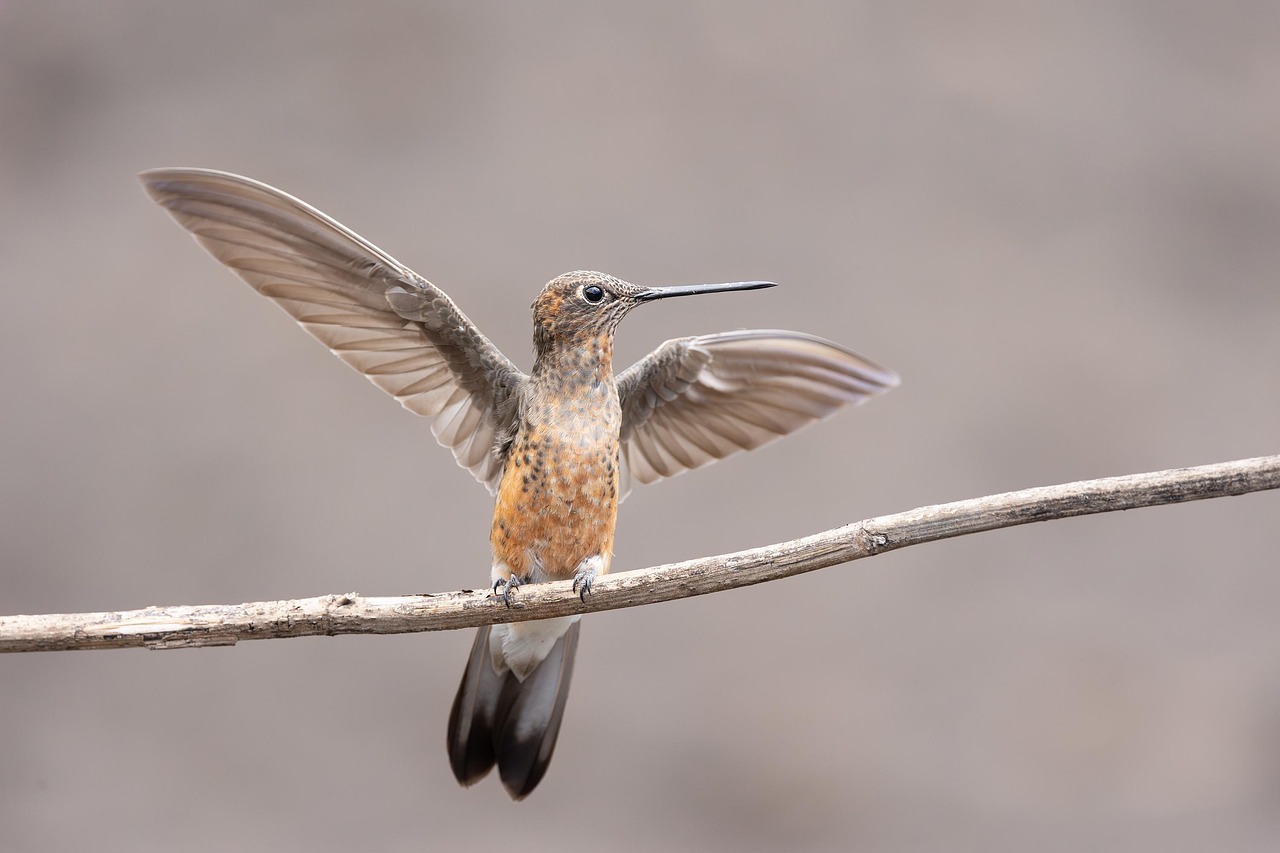
Selecting the Right Plants for Hummingbird Habitats
Creating a hummingbird haven starts with selecting the right vegetation. These high-energy birds require a constant, reliable nectar source throughout the growing season. To keep them returning to your yard, you must curate a landscape that offers continuous blooms from early spring through late autumn.
Hummingbirds are visually oriented and naturally gravitate toward tubular-shaped blossoms. While they will visit various colors, they show a strong preference for vibrant shades of red, orange, and pink. By choosing native perennials, you provide a sustainable food source that requires less water and maintenance than exotic varieties once established.
When planning your garden beds, prioritize these reliable nectar producers:
- Columbine (Aquilegia): These are essential for early-season arrivals, providing nectar when other food sources are scarce.
- Bee Balm (Monarda): A mid-summer powerhouse that attracts pollinators and hummingbirds alike with its unique, fringed tubular flowers.
- Trumpet Vine (Campsis radicans): A vigorous climber that offers a high volume of nectar; ensure you have a sturdy trellis or fence to support its growth.
- Cardinal Flower (Lobelia cardinalis): An excellent choice for damp areas of your yard that produces striking, deep-red spikes in late summer.
To maintain a healthy environment for these plants, use sharp, clean hand tools for regular deadheading. Removing spent blooms encourages the plant to direct its energy into producing new flowers rather than seeds, effectively extending your garden’s “buffet” window. When planting, group your flowers in clusters rather than scattering them individually; this creates a larger target for hummingbirds to spot from the air and allows them to feed more efficiently.
Avoid the use of chemical pesticides in your garden. Hummingbirds supplement their nectar diet with small insects and spiders, which provide vital protein. By maintaining a chemical-free landscape, you ensure a safe, natural food supply. If you have larger areas to manage, use manual lawn care equipment rather than gas-powered tools near your flower beds to minimize noise and exhaust, which can deter these sensitive visitors. With a thoughtful selection of native perennials and a commitment to organic maintenance, you can transform your outdoor space into a thriving, seasonal sanctuary that hummingbirds will visit year after year.
Setting Up and Maintaining Hummingbird Feeders
Supplemental feeding is one of the most effective ways to attract hummingbirds to your yard. To create a safe, nutritious nectar, mix one part white granulated sugar with four parts water. Bring the mixture to a boil to dissolve the sugar completely, then let it cool entirely before filling your feeders. Never use honey, artificial sweeteners, or red dye, as these can be toxic or harmful to hummingbirds.
Proper maintenance of your feeders is essential to prevent the growth of mold and harmful bacteria. Clean your feeders at least twice a week—or more frequently during hot weather—using hot water and a bottle brush. Avoid harsh chemical cleaners; a mild vinegar solution is usually sufficient to sanitize the plastic or glass components.
When you are ready to hang your feeders, prioritize safety and stability. If you need to use a ladder to reach a high branch or a mounting point, follow these best practices:
- Inspect your ladder for structural integrity before climbing.
- Place the ladder on level, firm ground; avoid soft soil or uneven surfaces.
- Use a cordless drill with the correct bit size to secure hooks safely into wood, ensuring the hardware can support the weight of a full feeder.
- Wear work gloves to protect your hands from splinters or sharp metal edges.
- Always wear eye protection when drilling overhead to prevent debris from falling into your eyes.
Position your feeders in a location that is visible from your windows but protected from strong winds and direct, harsh sunlight. If you use garden tools to trim nearby branches or clear surrounding vegetation to improve visibility, keep your workspace organized. Clear away clippings immediately to prevent tripping hazards and ensure your gardening area remains a safe environment for both you and the birds.
Finally, monitor your feeders for leaks or signs of wear. If a feeder becomes cracked or the plastic becomes brittle from sun exposure, replace it promptly. By keeping your equipment in good repair and your nectar fresh, you create a reliable, welcoming environment that will encourage hummingbirds to return to your garden season after season. Consistent maintenance is the key to a thriving hummingbird habitat.

Creating a Hummingbird-Friendly Environment
Attracting hummingbirds requires more than just planting nectar-rich flowers; you must create a sanctuary that supports their high-energy lifestyle. A well-maintained garden provides the essential resources these birds need to feed, bathe, and rest safely throughout the season.
Water is a critical component of a hummingbird-friendly landscape. Unlike larger birds that prefer deep basins, hummingbirds are attracted to shallow, moving water. Because they rarely land to bathe, they prefer to fly through a fine mist or hover near dripping water. You can easily facilitate this by installing a birdbath with a solar-powered dripper or a specialized mister attachment. Keep the water source clean and free of algae to ensure it remains a safe, inviting spot for your visitors.
Structural diversity is equally important for their survival. Hummingbirds require reliable perching spots to rest between feeding sessions and to survey their territory for potential rivals or predators. By incorporating a variety of plants, you provide both shelter and utility:
- Shrubs and Small Trees: These offer vital protection from harsh winds, heavy rain, and aerial predators like hawks. Dense foliage provides the perfect cover for nesting sites.
- Strategic Perches: Leave thin, dead twigs on trees or install small, bare branches near your feeders. Hummingbirds frequently use these exposed spots to monitor their food sources.
- Vertical Layers: A garden with varying heights—ranging from ground-level perennials to taller shrubs—mimics their natural habitat and makes your yard feel more secure.
When performing routine garden maintenance, be mindful of your timing. Avoid heavy pruning during the peak nesting season, as you might inadvertently disturb a hidden nest. Use sharp, clean hand pruners to maintain the shape of your shrubs, ensuring you don’t remove too much protective cover. If you use power equipment for lawn care, try to operate it during mid-day hours when hummingbirds are less active, minimizing noise stress during their primary morning and evening feeding times.
Finally, avoid the use of chemical pesticides and herbicides. Hummingbirds rely on small insects and spiders as a crucial source of protein, especially when feeding their young. A healthy, chemical-free garden naturally supports a robust insect population, ensuring your feathered guests have a complete, nutritious diet while they visit your home.
Essential Garden Maintenance for Pollinator Safety
Creating a hummingbird-friendly sanctuary requires a shift in how you approach garden maintenance. While a manicured lawn might look appealing, the chemicals often used to achieve that aesthetic are detrimental to your feathered visitors. Pesticides and herbicides do more than just kill weeds; they eliminate the small insects, spiders, and gnats that hummingbirds rely on for essential protein. To support a healthy ecosystem, embrace organic gardening practices and allow a small portion of your yard to remain slightly “wild” to foster natural insect populations.
When performing routine yard work, your primary goal should be the protection of nesting sites. Hummingbirds often build tiny, well-camouflaged nests in the forks of tree branches or dense shrubs. Before you start up your power equipment, take a moment to survey the area.
Follow these safety protocols when using outdoor power equipment:
- Perform a visual sweep: Before using string trimmers, hedge clippers, or lawn mowers, walk through the area to identify active nests. If you spot a hummingbird nest, avoid that section entirely until the fledglings have left.
- Prioritize manual tools: For delicate areas near flowers or shrubs, opt for hand tools like bypass pruners or hand shears. This gives you better control and prevents accidental damage to nesting sites that power equipment might overlook.
- Use protective gear: Operating loud machinery like gas-powered blowers or mowers can cause hearing damage. Always wear ear protection and safety goggles to shield your eyes from flying debris while clearing brush.
- Maintain your equipment: Keep your blades sharp and your engines tuned. Well-maintained tools perform more efficiently, allowing you to complete your tasks faster and with less noise, which minimizes the duration of disturbance to local wildlife.
Garden maintenance is about balance. By choosing physical weed removal over chemical sprays and being mindful of where you operate your machinery, you create a safer environment for hummingbirds to thrive. A garden that is managed with intention—rather than one that is overly sanitized—provides the perfect habitat for these birds to feed, nest, and return year after year. Always remember that the best tool in your garden is your own observation; by slowing down and checking your surroundings, you ensure that your landscaping efforts support, rather than hinder, the pollinators you wish to attract.
Frequently Asked Questions and Ongoing Care
Maintaining a hummingbird-friendly yard requires consistent attention to your equipment and the surrounding environment. Proper care ensures your visitors stay healthy and continue returning season after season.
Keeping Feeders Clean
Mold and bacteria can grow rapidly in sugar water, posing a serious threat to hummingbirds. Clean your feeders at least twice a week—more frequently during hot, humid weather. Avoid harsh soaps; instead, use a solution of one part white vinegar to two parts water, followed by a thorough rinse. If you notice black spots inside the feeder, it must be scrubbed or replaced immediately.
Deterring Bees and Wasps
Bees are often attracted to the sugar water, which can discourage hummingbirds from feeding. To minimize this issue:
- Choose feeders with built-in bee guards or smaller feeding ports.
- Ensure your feeders are not leaking; drips attract insects to the exterior.
- Move the feeder to a different location if a hive or nest is nearby.
- Avoid using yellow-colored feeders, as bees are particularly drawn to that hue.
Seasonal Maintenance
Many gardeners worry that leaving feeders out too long will prevent hummingbirds from migrating. This is a myth; hummingbirds migrate based on daylight changes and hormonal cues, not the availability of food. You may safely leave your feeders up until you have not seen a hummingbird for at least two weeks. Once you take them down, wash them thoroughly with hot, soapy water, dry them completely, and store them in a cool, dark place for the winter.
Wildlife Safety
Your gardening tools—such as lawn mowers, trimmers, and rakes—should be used with caution during the nesting season, as hummingbirds often build tiny, camouflaged nests in shrubs and low-hanging tree branches. Before pruning or mowing, visually inspect the area for movement or nesting activity.
If you discover an injured bird or notice signs of illness, such as lethargy or ruffled feathers, do not attempt to treat the animal yourself. Contact a licensed local wildlife rehabilitator or your regional agricultural extension office immediately. These professionals provide the expert guidance necessary to ensure the safety of your local wildlife populations.

Dedicated team of gardening enthusiasts with years of hands-on experience testing lawn mowers, gardening tools, and outdoor equipment. We help home gardeners and professionals alike make informed buying decisions with honest, thorough reviews. From push mowers to pruning shears, we test it all so you don’t have to. Got a gardening tool you’d like us to review? Get in touch!