
Getting a hummingbird to land on you requires immense patience, stillness, and a bird-friendly environment. By becoming a predictable part of their landscape, you can encourage these skittish creatures to trust your presence. Creating a welcoming garden habitat is the first essential step toward building this unique, gentle bond with your local pollinators.
Many gardeners dream of these close encounters, but it is important to remember that hummingbirds are naturally wary of humans. You must set realistic expectations, as success depends entirely on the birds’ comfort levels rather than your own desires. Always prioritize their well-being by avoiding sudden movements that could cause unnecessary stress or alarm.
This guide covers the ethical steps to build a bond with your local hummingbird population while maintaining a healthy, vibrant garden. We will explore how to select the right gardening tools and outdoor equipment to create a safe sanctuary. Follow these practical tips to transform your backyard into an inviting space where birds feel secure enough to approach.
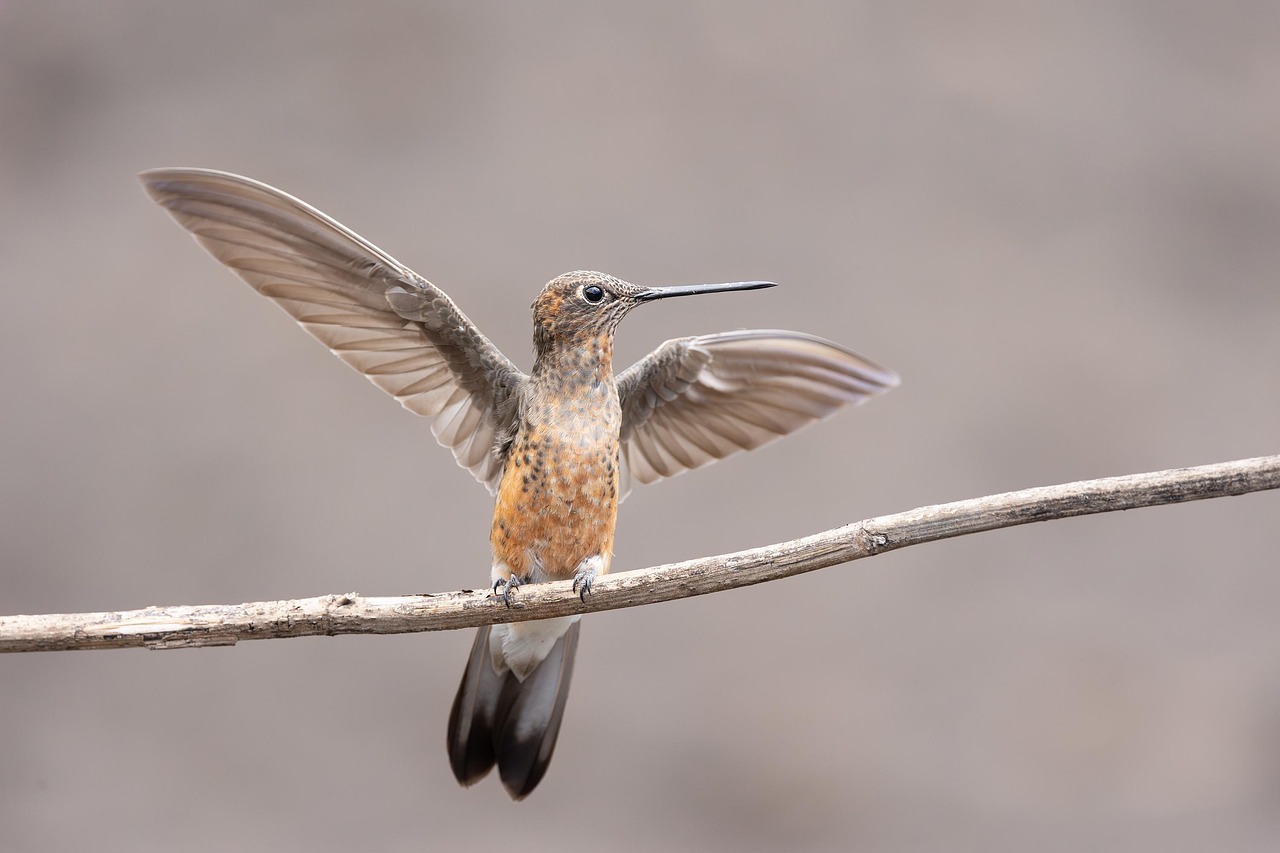
Create a Hummingbird-Friendly Sanctuary
To attract hummingbirds close enough to land on you, your garden must function as a tranquil sanctuary. These birds are highly sensitive to their environment; if they feel threatened by noise or chemical exposure, they will remain at a distance. Transforming your outdoor space into a welcoming habitat requires a balance of strategic planting and mindful maintenance.
Start by prioritizing native, nectar-rich flora. Hummingbirds have evolved alongside local plants, making them the most reliable food sources. Integrate these varieties into your landscape to ensure a steady supply of energy:
- Bee Balm (Monarda): Provides tubular blooms that are perfect for long hummingbird beaks.
- Salvia: Offers a long blooming season and high nectar content.
- Columbine: An early-season favorite that helps attract birds to your yard before other flowers peak.
Once your garden is established, your maintenance routine becomes the next critical factor. Hummingbirds are easily startled by sudden, loud vibrations. When performing routine yard work, opt for manual hand tools over gas-powered equipment whenever possible. Using a bypass pruner or a hand-held rake is significantly quieter than operating a leaf blower or string trimmer, allowing you to work in the garden without driving the birds away.
Furthermore, eliminate the use of chemical pesticides and herbicides. Hummingbirds rely on small insects and spiders for essential protein, especially when feeding their young. A chemical-free garden sustains a healthy insect population, which encourages the birds to forage in your immediate vicinity. By maintaining a natural ecosystem, you create a sense of safety that is essential for building the trust required for a hummingbird to approach you.
Finally, consider the placement of your garden tools and accessories. Keep your equipment storage area organized and away from primary feeding zones. When you are ready to attempt a close encounter, ensure your movements are slow and deliberate. By reducing the “mechanical” footprint of your gardening habits, you transform your lawn from a noisy workspace into a peaceful refuge. When the birds perceive your garden as a quiet, food-rich haven, they are far more likely to lose their natural wariness and investigate your presence as just another part of their environment.
Mastering the Art of Stillness
The most effective “tool” in your gardening shed for attracting hummingbirds isn’t a specialized feeder or a high-tech mister; it is your own physical presence. To bridge the gap between observer and participant, you must learn to master the art of stillness. Hummingbirds are highly visual creatures with rapid metabolisms and heightened senses, making them naturally wary of sudden movements.
To prepare your environment, treat your body as part of the landscape. Wear neutral-colored clothing—think earth tones like olive, tan, or soft gray—that blends into your garden foliage. Avoid bright, neon-colored shirts that might signal a threat or confusion. Because these birds have a keen sense of smell, skip strong perfumes, scented lotions, or heavily fragranced laundry detergents before heading outside. A neutral scent profile helps you remain an unobtrusive fixture in their territory.
Once you are positioned near a nectar source, your success depends on your ability to remain motionless. Follow these steps to become a non-threatening part of the garden ecosystem:
- Find a stable anchor: Use a comfortable, sturdy garden chair. If you are fidgeting to get comfortable, the birds will notice.
- Minimize peripheral movement: Keep your hands tucked away or resting calmly in your lap. Avoid swatting at insects or adjusting your hat.
- Control your breathing: Deep, rhythmic breathing helps calm your heart rate and prevents jerky chest movements that can startle birds.
- Practice patience: Hummingbirds are creatures of habit. It may take several sessions of sitting for 30 to 60 minutes before they stop viewing you as a potential predator and begin to treat you as a permanent, safe element of their habitat.
As you incorporate this practice into your routine, you will notice the birds gradually decreasing their flight distance. By maintaining this consistent, quiet presence, you shift from being an intruder to a trusted landmark. Eventually, the birds may become bold enough to investigate you directly, treating your shoulder or hand as just another perch in their garden. Remember, the goal is to make your presence so predictable that the hummingbirds lose their fear, allowing you to witness their incredible agility and beauty up close without the need for intrusive equipment.

Introducing Hand-Feeding Techniques
Transitioning from a stationary feeder to a handheld device requires patience and a calm environment. Before attempting this, ensure your garden is a sanctuary. Use high-quality hand tools to maintain your flowerbeds, keeping the area tidy and free of debris. When you are performing routine garden maintenance, move slowly to help the hummingbirds associate your presence with safety rather than a threat.
When you are ready to introduce a handheld feeder, choose a lightweight model that fits comfortably in your palm. Select a day with minimal wind, as hummingbirds are sensitive to movement and instability. Position yourself near your established feeder, sit perfectly still, and hold the handheld device at the same height as the regular feeder.
Follow these safety guidelines to protect the birds:
- Remain motionless: Avoid sudden movements or loud noises. Even a slight twitch can startle a hummingbird.
- Dress neutrally: Wear muted colors to blend into the garden environment. Bright clothing can sometimes act as a distraction or a deterrent.
- Prioritize bird welfare: Never attempt to grab, touch, or restrain a bird. Hummingbirds have incredibly fragile skeletal structures and rapid heart rates; human handling can cause them severe physical stress or injury.
- Let them lead: Wait for the bird to approach the feeder on its own terms. If they seem hesitant or fly away, do not pursue them.
Your outdoor power equipment, such as leaf blowers or string trimmers, should be stored away during your feeding sessions. The noise and vibration from these tools can create an environment of unease. Instead, focus on quiet, manual tasks nearby, such as pruning shrubs with sharp hand shears or weeding by hand. This demonstrates that you are a consistent, non-threatening fixture in their habitat.
If a hummingbird lands on the device, keep your breathing steady and your gaze soft. Avoid staring directly at the bird, as this can be perceived as predatory behavior. If the bird does not approach after twenty minutes, simply place the handheld feeder back on its mount and try again another day. Consistency is the most effective tool in your kit. By fostering a predictable, calm, and well-maintained landscape, you maximize your chances of a successful interaction while ensuring the safety of these delicate creatures.
Safety and Ethical Considerations
Creating a hummingbird-friendly observation spot requires significant garden maintenance, but your physical safety and the birds’ well-being must remain the top priorities. Before you begin shaping your landscape or installing feeders, ensure your workspace is secure.
When using hand tools like pruning shears or loppers, keep blades sharp and clean. Dull tools require excessive force, increasing the risk of slips and accidental cuts. Always cut away from your body and maintain a firm grip on the handles. For larger tasks involving outdoor power equipment, such as hedge trimmers or string trimmers, follow these safety protocols:
- Wear impact-resistant eye protection to guard against flying debris.
- Use heavy-duty work gloves to maintain a steady grip and protect against thorns or sharp metal edges.
- Inspect power cords or fuel lines before operation to prevent electrical hazards or leaks.
- Clear the area of tripping hazards, such as hoses or loose branches, before starting your equipment.
Never use ladders or unstable elevated platforms to reach hummingbird feeders or nesting sites. Falls are a leading cause of home gardening injuries, and the risk is compounded when you are distracted by trying to interact with wildlife. If a feeder needs adjustment, move it to a lower, accessible branch using a sturdy step stool on level ground.
Ethical considerations are just as vital as physical safety. Hummingbirds are high-metabolism creatures that rely on conserving energy. If your presence causes the bird to hover nervously, retreat or change your position. Never attempt to trap, net, or physically restrain a hummingbird to force an interaction. These birds are extremely fragile; even minor stress can lead to exhaustion or abandonment of a nest.
Practical home gardening for bird attraction should be a passive process. Focus on planting native nectar-rich flowers and installing feeders in quiet, shaded areas. By maintaining a clean, well-pruned environment using safe tool practices, you create a welcoming habitat where hummingbirds feel comfortable enough to approach you naturally. Always prioritize the bird’s welfare over the desire for a close-up encounter or a photograph. When you respect their boundaries, you are far more likely to experience the rewarding, peaceful interaction you are seeking.

Frequently Asked Questions and Responsible Observation
Attracting hummingbirds to land on you requires immense patience and respect for their natural instincts. While you may be tempted to use your garden tools or outdoor power equipment to create the perfect habitat, remember that these machines can be loud and disruptive. Always finish your lawn care and garden maintenance tasks well before you attempt to interact with birds. Hummingbirds are highly sensitive to sudden movements and mechanical noise, so a calm, quiet environment is essential for building trust.
Responsible observation is the foundation of a positive experience for both you and the bird. Hummingbirds are wild creatures, and they may choose not to land on you despite your best efforts. Never force an interaction or attempt to trap them. If a hummingbird shows signs of distress, you must step back immediately to prevent further agitation.
Watch for these common behavioral indicators that suggest a bird is stressed and needs space:
- Rapid, erratic darting: Sudden, jerky flight patterns often indicate the bird feels threatened or cornered.
- Alarm calls: Sharp, high-pitched chirping or “chattering” sounds are clear warnings that the bird is uncomfortable.
- Tail flicking: Frequent, aggressive flicking of the tail feathers while perched is a sign of agitation.
- Avoidance: If the bird repeatedly flies away or refuses to approach your hand, it is not ready for close contact.
Your role in the garden should be that of a steward, not a handler. By keeping your hand tools organized and your outdoor space tidy, you provide a safe sanctuary. However, if you notice a bird displaying unusual behavior—such as inability to fly, drooping wings, or appearing lethargic on the ground—do not attempt to intervene or nurse it yourself. These birds have specialized dietary and medical needs that only professionals can address.
If you encounter an injured hummingbird, follow these steps:
- Gently place the bird in a small, ventilated box lined with a soft paper towel.
- Keep the box in a dark, quiet, and warm location away from pets and children.
- Contact a licensed local wildlife rehabilitation center immediately for professional guidance.
- Do not attempt to feed the bird or administer water, as this can cause aspiration or further harm.
By prioritizing the health and autonomy of these delicate creatures, you ensure that your garden remains a welcoming habitat for years to come.

Dedicated team of gardening enthusiasts with years of hands-on experience testing lawn mowers, gardening tools, and outdoor equipment. We help home gardeners and professionals alike make informed buying decisions with honest, thorough reviews. From push mowers to pruning shears, we test it all so you don’t have to. Got a gardening tool you’d like us to review? Get in touch!