
To get hummingbirds to come back to your garden, you must provide a consistent, reliable food source and a secure environment. Hummingbirds are creatures of habit that return to areas where they previously found nectar and safety. By establishing these essential conditions, you can transform your outdoor space into a sanctuary that encourages these birds to visit season after season.
Attracting these aerial acrobats requires more than just hanging a single feeder. You need to cultivate a landscape that offers continuous blooms and natural shelter, which often involves routine garden maintenance and proper lawn care. While these birds are loyal to familiar locations, success depends on your commitment to maintaining a healthy, pesticide-free habitat that supports their high-energy lifestyle.
In this guide, we explore how to use the right hand tools and outdoor power equipment to create the perfect hummingbird haven. From selecting the best nectar-rich plants to maintaining your feeders, we provide practical advice for every gardener. Follow our expert tips to ensure your backyard remains a buzzing, vibrant destination that keeps hummingbirds returning to your home year after year.
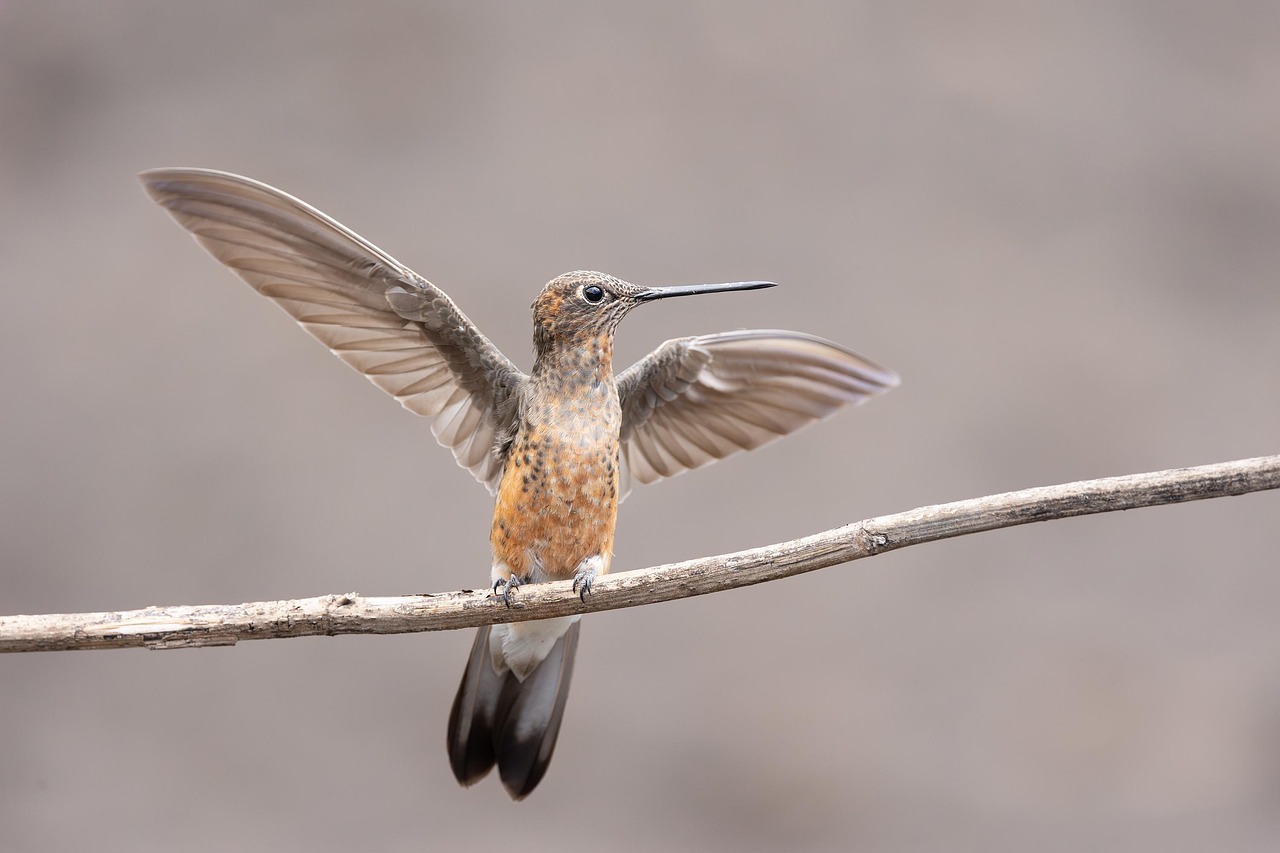
Planting a Hummingbird Friendly Landscape
To turn your yard into a reliable hummingbird sanctuary, you must prioritize native plants. Native species have evolved alongside local pollinators, offering the high-energy nectar these birds require to fuel their rapid metabolisms. By selecting the right flora, you provide a natural, sustainable food source that encourages hummingbirds to return year after year.
Hummingbirds are naturally drawn to tubular, brightly colored flowers, particularly those in shades of red, orange, and pink. These shapes are perfectly adapted to their long, slender beaks. When designing your garden beds, incorporate these high-value perennials:
- Bee Balm (Monarda): A favorite for its striking, spiky blooms that produce abundant nectar throughout the mid-to-late summer.
- Columbine (Aquilegia): An essential early-season bloomer that provides vital sustenance as hummingbirds return from migration.
- Honeysuckle (Lonicera): A vigorous vine that offers a steady supply of nectar and provides excellent cover for nesting.
Consistency is the secret to keeping hummingbirds in your landscape. If your flowers bloom all at once and then fade, the birds will move on to more reliable territories. You must stagger your planting times to ensure a continuous food supply from early spring through the first frost of autumn.
When planning your layout, group plants of the same species together in “drifts” rather than scattering them individually. This creates a larger, more visible target for hummingbirds as they scout for food from the air. Before you begin digging, clear the area of invasive weeds using a sharp hand trowel to ensure your new plants have adequate space to establish strong root systems. Once planted, maintain the soil moisture with a layer of organic mulch; this keeps the roots cool and reduces the need for constant weeding.
Avoid using chemical pesticides in your hummingbird-friendly zones. These birds rely heavily on small insects and spiders for protein, especially during the nesting season. By maintaining a chemical-free environment, you ensure that your garden remains a safe, nutrient-dense habitat. With a well-planned selection of native plants and a commitment to natural maintenance, you will create an irresistible environment that hummingbirds will visit repeatedly throughout the growing season.
Setting Up and Maintaining Feeders
Attracting hummingbirds requires more than just planting flowers; your feeder setup must be both inviting and safe. To ensure birds return year after year, prioritize high-quality nectar feeders that are easy to disassemble. Look for models with wide-mouth openings, as these allow you to reach every corner with a bottle brush during your regular maintenance routine.
Strategic placement is the first step in successful maintenance. Position your feeders in areas that receive partial shade throughout the day. Direct, intense sunlight can cause the sugar water to ferment rapidly, creating an environment that is unhealthy for birds and potentially dangerous if consumed. By keeping the nectar cool, you maintain its quality and prevent early spoilage.
Consistency is key to keeping your local hummingbird population healthy. Follow these practical steps to maintain a safe feeding environment:
- Clean your feeders every three to four days, or more frequently during periods of extreme heat.
- Use only hot water and a dedicated bottle brush to scrub the interior, ensuring you remove any hidden mold or residue.
- Avoid all soaps, detergents, and chemical cleaners. These substances can leave toxic residues that are harmful to a hummingbird’s delicate system.
- Rinse the feeder components thoroughly with fresh water until no cloudiness remains.
- Allow the parts to air dry completely before refilling to discourage bacterial growth.
When cleaning, pay special attention to the feeding ports. These small openings are prone to clogging and are the most common spots for mold to take root. If you notice black spots or a cloudy appearance in the nectar, discard the liquid immediately and perform a deep cleaning. A clean feeder is not only more attractive to hummingbirds but also prevents the spread of avian diseases.
Finally, consider the surrounding garden maintenance. Keep the area around your feeders free of tall, dense weeds or overgrown shrubs that might provide cover for predators like outdoor cats. By combining a pristine, shaded feeding station with a well-maintained garden, you create a reliable sanctuary that hummingbirds will recognize and visit throughout the season. Remember that hummingbirds have excellent memories; if they find a clean, safe, and consistent food source, they are highly likely to return to your yard every year.

Providing Essential Water and Shelter
Hummingbirds require more than just nectar to thrive; they need a reliable source of fresh water and safe cover to feel secure in your yard. Because these birds have high metabolisms and spend much of their time in flight, they need easy access to hydration for both drinking and preening.
The most effective way to attract them is by installing a shallow birdbath. Hummingbirds rarely use deep basins, as they prefer to perch on the edge or hover while splashing. A depth of no more than one to two inches is ideal. To truly entice them, incorporate a mister or a dripper. The sound and sight of moving water act as a beacon, signaling a safe place to bathe. If you use a fountain, ensure the water flow is gentle enough that it does not overwhelm their small frames.
Beyond water, shelter is a critical component of a hummingbird-friendly landscape. These birds are territorial and need places to rest, hide from predators, and escape harsh weather. To create an inviting environment, focus on these landscaping strategies:
- Plant Dense Shrubs: Incorporate native, twiggy shrubs or small trees that provide intricate branch structures. These offer perfect perches for hummingbirds to survey their surroundings.
- Layered Vegetation: Create a variety of heights in your garden. Hummingbirds often prefer to nest in trees or shrubs that offer overhead protection from rain and sun.
- Safety First: Keep your garden free of outdoor cats, which are the primary predators of hummingbirds. If neighborhood cats frequent your yard, consider using motion-activated sprinklers or deterrents to keep the area clear.
- Avoid Over-Pruning: While garden maintenance is important, leave some “wild” corners in your yard. Dense foliage provides the necessary camouflage to keep hummingbirds safe from hawks and larger birds.
By mimicking the natural habitats where hummingbirds feel most protected, you significantly increase the likelihood that they will return to your garden year after year. When the birds feel that their basic needs for hydration and security are met, they are far more likely to establish a permanent territory in your outdoor space, providing you with consistent opportunities to observe their fascinating behavior up close.
Safety and Maintenance Tips for Your Garden
Maintaining a hummingbird-friendly garden requires a balance between routine upkeep and protecting delicate habitats. When using outdoor power equipment, such as lawn mowers or hedge trimmers, your primary focus should be safety and ecological awareness. Always wear impact-resistant safety goggles and sturdy, closed-toe footwear to protect yourself from flying debris. Before starting any engine, conduct a thorough visual sweep of the area to ensure no birds or nests are in your path.
Timing is critical when performing heavy maintenance. Hummingbirds often build tiny, well-camouflaged nests in the forks of tree branches or dense shrubbery. To avoid accidental disturbance, follow these guidelines:
- Observe before you prune: If you suspect a nest is present, delay your trimming until the fledglings have left. Hummingbirds typically nest between spring and late summer.
- Manual tools over power: Use hand pruners or shears for delicate areas near potential nesting sites. This gives you better control and allows you to stop immediately if you spot activity.
- Check the canopy: Before operating a string trimmer or mower near tall grasses and low-hanging branches, walk the perimeter to clear the area of any hidden obstructions.
Beyond physical maintenance, the health of your garden environment is paramount. Hummingbirds do not survive on nectar alone; they rely heavily on small insects and spiders for essential protein, especially when raising their young. To keep these birds returning year after year, prioritize an organic approach to garden care.
Avoid the use of synthetic pesticides and herbicides entirely. These chemicals can eliminate the very food sources hummingbirds depend on and may prove toxic if ingested through contaminated insects. Instead, embrace natural pest control methods, such as encouraging beneficial insects like ladybugs and lacewings. By fostering a chemical-free ecosystem, you provide a safer, more reliable food source that encourages hummingbirds to establish a long-term presence in your yard.
Finally, keep your equipment well-maintained to prevent oil leaks or mechanical failures that could damage your soil or plants. A clean, well-oiled machine runs more efficiently and quietly, reducing noise pollution in your backyard sanctuary. By combining diligent safety practices with an organic maintenance philosophy, you create a thriving, inviting landscape that hummingbirds will choose to visit season after season.

Common Questions and Long Term Care
Maintaining a hummingbird-friendly garden requires more than just filling feeders; it involves consistent landscape management. To keep bees and wasps away, avoid using yellow-colored feeders, as these attract stinging insects. If bees persist, switch to a feeder with built-in bee guards or move the feeder to a shadier location to prevent the sugar water from fermenting, which also draws unwanted pests.
Regarding long-term care, many gardeners wonder when to take feeders down. Contrary to popular myth, leaving feeders out will not prevent hummingbirds from migrating. Instead, keep your feeders clean and filled until at least two weeks after you have seen the last hummingbird in your area. This ensures that late-season migrants have the high-energy fuel they need to complete their journey.
To support your local hummingbird population, consider these routine maintenance tips:
- Sanitation: Clean feeders every three to four days with hot water and a mild vinegar solution to prevent mold growth. Avoid using soap, which can leave harmful residue.
- Planting: Use hand tools like a sturdy trowel or transplanter to add native, nectar-rich perennials such as bee balm, salvia, and columbine. These provide a sustainable food source beyond your feeders.
- Chemical Safety: Eliminate the use of pesticides and herbicides in your yard. Hummingbirds rely on small insects and spiders for protein, and chemical runoff can contaminate their water sources.
If you notice a sudden decline in bird activity, do not panic. First, check that your feeders are clean and the sugar water hasn’t spoiled. If the lack of activity persists, consult your local agricultural extension office. They can provide data on regional drought conditions or local bloom times that might be affecting bird movement. Tracking migration is easy with online resources like Journey North, which allows you to view real-time maps of hummingbird sightings in your region.
Finally, remember that garden maintenance is a seasonal commitment. Use your power equipment to clear invasive brush, but leave some natural “wild” areas where spiders can build webs, as these are vital for hummingbirds. By providing a clean, pesticide-free, and diverse habitat, you increase the likelihood that these birds will return to your garden year after year.

Dedicated team of gardening enthusiasts with years of hands-on experience testing lawn mowers, gardening tools, and outdoor equipment. We help home gardeners and professionals alike make informed buying decisions with honest, thorough reviews. From push mowers to pruning shears, we test it all so you don’t have to. Got a gardening tool you’d like us to review? Get in touch!