
To attract hummingbirds to your yard, you must provide a consistent food source and a secure, welcoming environment. While a feeder is a great start, these birds thrive when your garden offers natural nectar, fresh water, and protective shelter throughout the entire season, ensuring they return to your landscape year after year.
Creating a hummingbird sanctuary requires more than just hanging a single feeder. You must cultivate a diverse habitat using native plants, reliable water features, and proper garden maintenance. By choosing the right floral varieties and keeping your outdoor power equipment and hand tools organized, you can transform your backyard into a truly sustainable bird haven.
This guide explains how to design a welcoming habitat that attracts these fascinating creatures. We will cover essential landscaping tips, the best nectar-rich flowers to plant, and practical maintenance routines for your lawn and garden. Follow these steps to turn your outdoor space into a reliable, vibrant sanctuary that hummingbirds will visit daily.
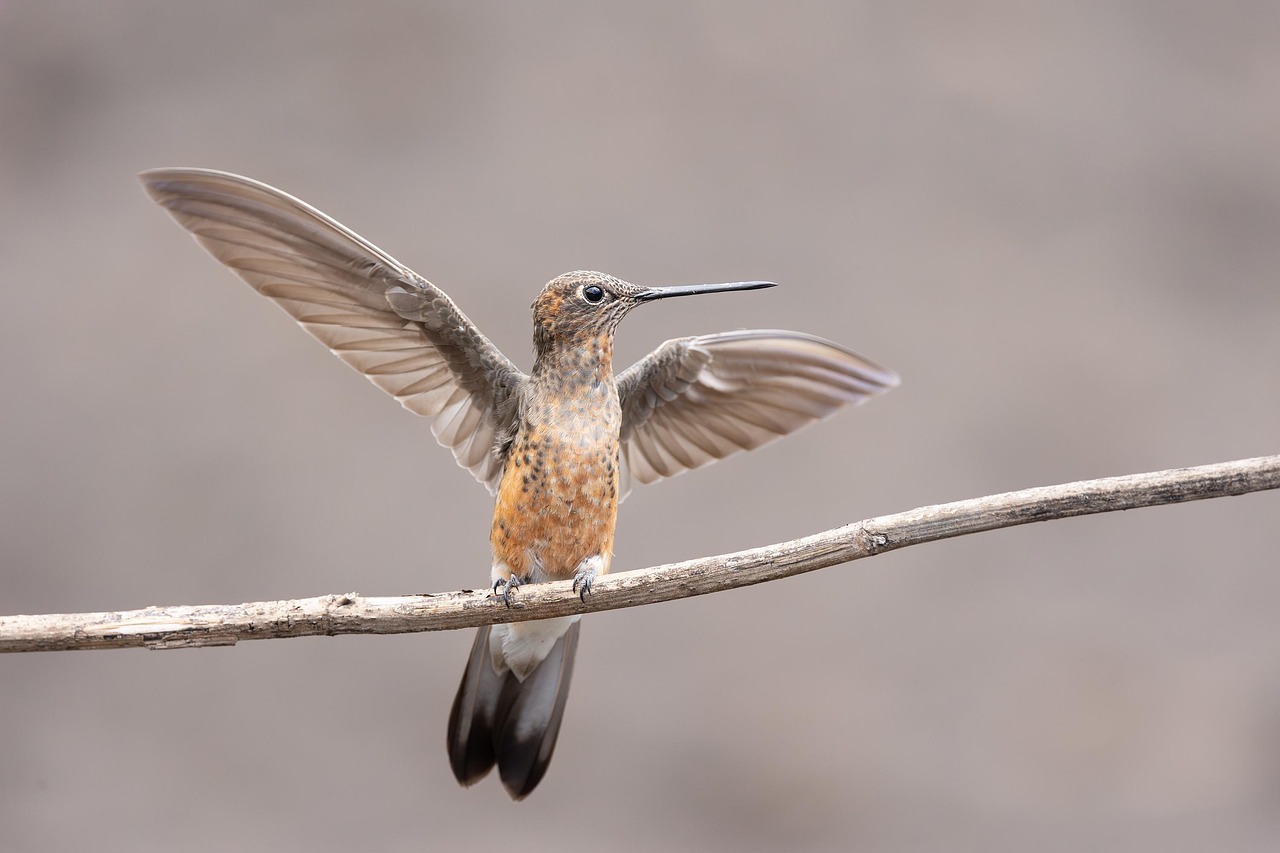
Choose the Right Native Plants
To turn your garden into a hummingbird sanctuary, your primary strategy should be selecting native, nectar-rich plants. Native species have evolved alongside local hummingbirds, providing the exact nutritional profile these high-energy birds require. By focusing on plants indigenous to your region, you ensure a reliable food source that is naturally adapted to your soil and climate.
The secret to keeping hummingbirds around all season is succession planting. You want a continuous bloom cycle that spans from early spring through late autumn. If your flowers die off in mid-summer, the birds will simply move on to a more hospitable neighborhood. Aim for a mix of perennials and annuals that stagger their flowering times.
Consider incorporating these reliable favorites into your landscape:
- Trumpet Vine: A vigorous climber that provides a massive amount of nectar in tubular shapes perfectly suited for hummingbird beaks.
- Bee Balm (Monarda): These vibrant, spiky flowers are magnets for pollinators and provide a steady nectar supply throughout the warmer months.
- Salvia: With hundreds of varieties available, salvia is one of the most versatile options for long-lasting, colorful blooms.
When preparing your garden beds, use hand tools like a sturdy trowel or hori-hori knife to minimize soil disturbance while planting. Proper garden maintenance is essential, but it must be done with the birds in mind. Above all, strictly avoid using pesticides and synthetic herbicides. While these chemicals might keep your lawn looking manicured, they are devastating to the local ecosystem.
Hummingbirds do not just survive on nectar; they rely heavily on small insects and spiders for essential protein, especially when feeding their young. When you spray pesticides, you eliminate the very food source that keeps these birds healthy and thriving. Instead of relying on chemical interventions, embrace integrated pest management. Encouraging a diverse garden environment allows natural predators to keep pest populations in check, creating a safer, more sustainable habitat.
By choosing native plants and maintaining a chemical-free yard, you provide a natural buffet that hummingbirds will return to year after year. Focus on creating a layered landscape with varying heights, as this provides both feeding opportunities and essential cover from predators and harsh weather.
Install and Maintain Feeders Properly
Attracting hummingbirds requires more than just placing a feeder in your yard; it demands a commitment to rigorous hygiene. Because hummingbirds are highly susceptible to bacteria and mold, a neglected feeder can quickly become a health hazard rather than a food source. Maintaining a clean environment is the most important step in ensuring these birds return to your garden season after season.
When preparing nectar, simplicity is key. Use a standard ratio of four parts water to one part white granulated sugar. Boil the water first to dissolve the sugar completely and remove any impurities, then allow it to cool entirely before filling your feeder. It is critical to avoid additives that can harm the birds:
- No Red Dye: Commercial dyes are unnecessary and potentially toxic to hummingbird kidneys.
- No Honey: Honey promotes rapid fungal growth that can cause fatal infections in birds.
- No Artificial Sweeteners: These provide zero energy and can be dangerous to avian health.
Regular maintenance is essential, especially during hot summer months when sugar water ferments quickly. Aim to clean your feeders at least twice a week. If you live in an area with extreme heat, you may need to clean them every other day to prevent spoilage. When cleaning, disassemble the feeder completely to reach hidden crevices where mold spores often hide.
Use a bottle brush to scrub the interior of the reservoir and the feeding ports with hot water. Avoid using harsh chemical soaps or bleach, as even small residues can be harmful. If the feeder is particularly difficult to clean, a mild solution of white vinegar and water is a safe, natural disinfectant, provided you rinse the components thoroughly until no scent remains.
Position your feeders in a shaded area if possible. Direct sunlight accelerates the fermentation process, turning the nectar cloudy and sour. By keeping the sugar water fresh and the equipment spotless, you create a safe, reliable sanctuary that encourages hummingbirds to frequent your garden. Remember, if you notice the nectar becoming cloudy or dark, discard it immediately and sanitize the feeder before refilling. A clean feeder is the best invitation you can offer to these energetic visitors.

Provide Essential Water and Shelter
Hummingbirds are notoriously cautious, and they require more than just nectar to feel secure in your landscape. To turn your backyard into a reliable sanctuary, you must prioritize both hydration and safety. Creating an environment that mimics their natural habitat is the most effective way to encourage frequent visits.
Moving water is a powerful magnet for hummingbirds. Because they rarely land in deep water to bathe, they prefer shallow features where they can hover or perch safely. A standard birdbath is often too deep, so consider these practical upgrades:
- Add a mister or dripper: Hummingbirds are attracted to the sound and sparkle of moving water. A simple mister attachment for your garden hose or a solar-powered dripper creates a fine spray that they will fly through to bathe.
- Incorporate stones: Place smooth, flat river rocks in the center of your birdbath. This creates a shallow landing platform and allows the birds to control exactly how much water they touch.
- Keep it clean: Use a stiff-bristled hand brush to scrub the basin weekly. Stagnant water attracts mosquitoes and can harbor bacteria, so ensure you rinse it thoroughly before refilling.
Beyond water, hummingbirds need reliable shelter. They are high-energy birds that require frequent rest periods throughout the day. If your yard is too open, they will feel exposed to predators like hawks or neighborhood cats. Strategic landscaping provides the necessary cover for both resting and nesting.
Focus on planting dense, native shrubs or small trees within ten to fifteen feet of your nectar sources. Evergreens are particularly useful because they provide year-round protection from wind and rain. When selecting plants, look for varieties with twiggy growth patterns, as these offer the perfect structural support for a hummingbird’s tiny, cup-shaped nest.
If you are performing routine garden maintenance, avoid aggressive pruning during the spring and early summer nesting season. Leave a few “wild” corners in your yard with thicker foliage; hummingbirds often choose these secluded spots to hide from larger birds and conserve energy. By providing a combination of moving water and protected perches, you create a low-stress environment that encourages these birds to stay in your garden longer, rather than just passing through.
Safety Tips for Garden Maintenance
Creating a hummingbird-friendly habitat often requires clearing brush, trimming overhanging branches, or installing feeders in elevated locations. While improving your garden, prioritizing safety ensures that your maintenance routine remains productive and injury-free.
Always wear appropriate personal protective equipment before handling garden tools. Sturdy, leather-reinforced gloves protect your hands from thorns, splinters, and sharp edges while you prune. Impact-resistant eye protection is essential when using hand tools or power equipment, as flying debris can cause serious injury during branch removal or hedge trimming.
When preparing to hang feeders, you may need to reach higher branches. Follow these safety protocols to prevent falls:
- Place ladders only on firm, level ground. Avoid soft soil or uneven terrain that could cause the ladder to shift.
- Always have a partner spot you while you are elevated to stabilize the base.
- Maintain three points of contact whenever possible and avoid overreaching to hang feeders.
If you use outdoor power equipment, such as hedge trimmers or string trimmers, be extra vigilant. Hummingbirds are small and agile, but they are easily startled by loud noises and fast-moving blades. Before starting any power tool, walk your workspace to check for active nests. Never operate machinery near a nesting site, as the vibration and noise can cause birds to abandon their eggs or chicks.
Electrical safety is equally important when managing your outdoor space. Keep all electrical cords and power tools away from water sources, including birdbaths, misters, and irrigation systems. Ensure that all outdoor outlets are protected by Ground Fault Circuit Interrupters (GFCIs) to prevent shocks. If you are using extension cords, route them away from walking paths to prevent tripping hazards, and inspect them for damage before each use.
Finally, keep your hand tools sharp and clean. Dull blades often require more force to cut, which increases the likelihood of slipping and causing an accident. By maintaining your equipment properly and staying aware of your surroundings, you can create a safe, welcoming environment for both yourself and the hummingbirds you hope to attract. Taking these precautions allows you to focus on the enjoyment of your garden rather than the risks of maintenance.

Common Questions and Long-Term Care
Attracting hummingbirds is a rewarding, long-term project that requires patience. If you do not see birds immediately, do not be discouraged. These creatures are intelligent and highly observant, but they often rely on established flight paths. It may take several weeks for them to discover your garden, especially if you are new to the area or have recently installed feeders.
To increase your chances of success, ensure your feeders are placed in highly visible locations, ideally near nectar-rich flowers. Keep your feeders clean and filled with fresh sugar water to maintain their interest. If you notice a hummingbird seems injured or lethargic, do not attempt to handle or treat the bird yourself. Instead, contact a local wildlife rehabilitator or an avian expert who has the proper training to provide safe assistance.
Maintaining a hummingbird-friendly environment involves consistent garden care throughout the seasons. Integrating the right tools and equipment into your routine can make this process much easier:
- Hand Tools: Use sharp, high-quality bypass pruners to deadhead flowers. Removing spent blooms encourages plants to produce more nectar-rich flowers, providing a steady food supply.
- Lawn Care Equipment: Keep your lawn edges tidy with a string trimmer. A well-maintained garden perimeter makes it easier to spot visiting birds and keeps your nectar sources accessible.
- Garden Maintenance: Use a reliable watering can or a drip irrigation system to ensure your plants thrive during dry spells. Healthy plants produce significantly more nectar than those suffering from drought stress.
- Outdoor Power Equipment: If you use a leaf blower, be mindful of where you direct debris. Avoid blowing leaves into flower beds, as these areas often harbor the tiny insects that hummingbirds rely on for essential protein.
Finally, monitor your garden for seasonal changes. Hummingbirds have specific needs during migration and nesting periods. By observing when your plants bloom and when the birds arrive, you can adjust your planting strategy to ensure a continuous food source. If you notice gaps in availability, consider adding late-blooming perennials or hardy shrubs to keep your garden relevant to hummingbirds from spring through autumn. Consistent, thoughtful care is the most effective way to turn your backyard into a permanent stop for these remarkable birds.

Dedicated team of gardening enthusiasts with years of hands-on experience testing lawn mowers, gardening tools, and outdoor equipment. We help home gardeners and professionals alike make informed buying decisions with honest, thorough reviews. From push mowers to pruning shears, we test it all so you don’t have to. Got a gardening tool you’d like us to review? Get in touch!