
To attract hummingbirds to your garden, prioritize planting native, nectar-rich flowers and providing a reliable water source. These vibrant birds are drawn to bright colors and tubular blooms, so incorporating strategic plant choices is the most effective way to encourage them to visit your outdoor space consistently throughout the season.
Attracting hummingbirds to your garden requires more than just a feeder; it involves creating a welcoming ecosystem. While feeders provide supplemental energy, they cannot replace the natural habitat these birds crave. You must balance your lawn care equipment use and garden maintenance to ensure a safe, pesticide-free environment that supports their nesting and feeding needs.
This guide covers the essential steps to turn your outdoor space into a hummingbird sanctuary using strategic planting and proper maintenance. We will explore how to select the best hand tools for garden upkeep, manage your landscape effectively, and choose the right power equipment to keep your sanctuary thriving for these fascinating, high-energy visitors.
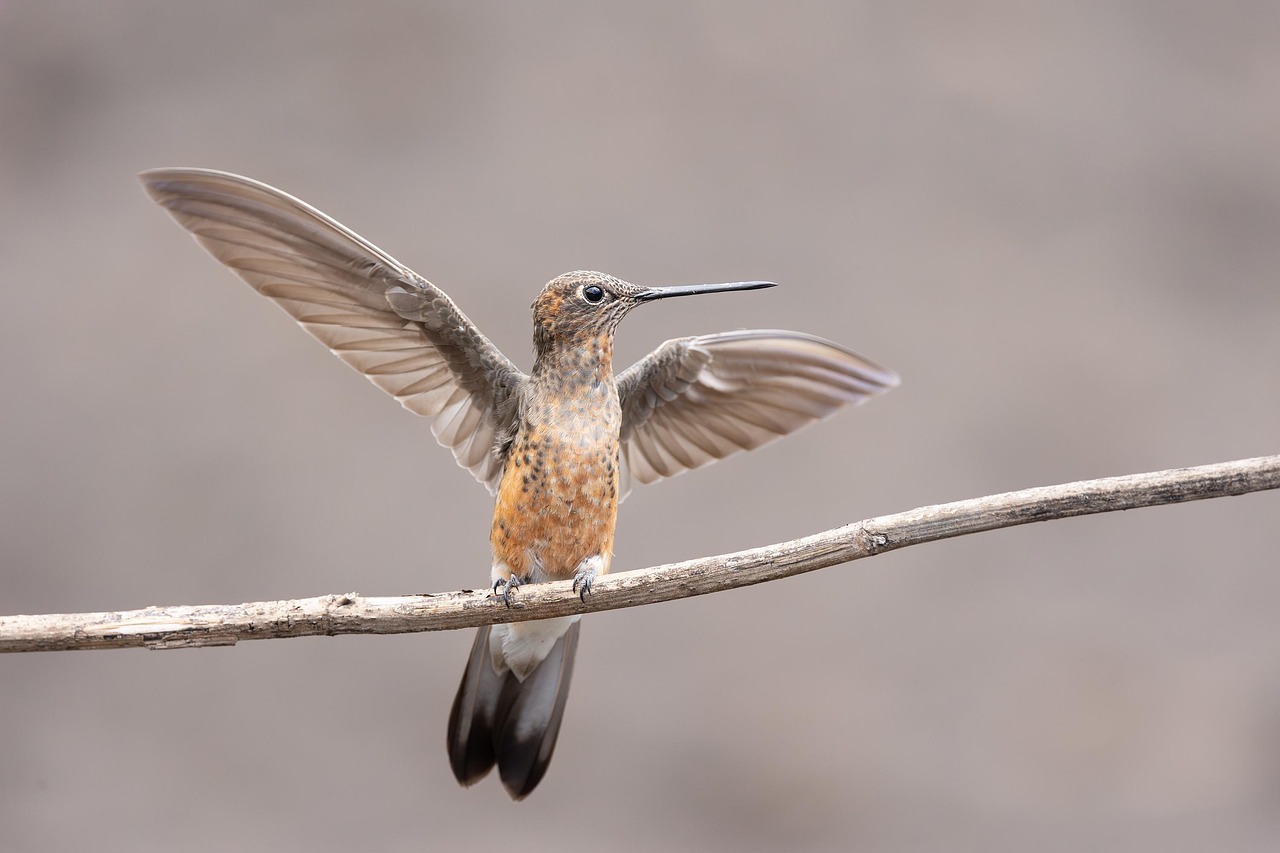
Choose the Right Nectar-Rich Plants
To turn your backyard into a hummingbird sanctuary, you must prioritize nectar-rich, tubular flowers. Hummingbirds have long, specialized bills designed to access deep blooms that other pollinators often cannot reach. By selecting the right plant palette, you provide the high-energy fuel these birds need to sustain their rapid metabolisms.
Focus on native perennials, which are naturally adapted to your local climate and require less maintenance than exotic varieties. Native plants are also more likely to host the small insects that hummingbirds require for protein. Consider incorporating these reliable favorites into your garden beds:
- Bee Balm (Monarda): A classic choice that offers vibrant, spiky blooms throughout the summer.
- Salvia: Available in many varieties, these plants produce long-lasting, nectar-filled spikes that hummingbirds find irresistible.
- Columbine (Aquilegia): These early-season bloomers provide a critical food source just as hummingbirds arrive from migration.
The secret to keeping hummingbirds in your yard is ensuring a continuous supply of nectar from spring through autumn. If your garden only blooms for a few weeks, the birds will move on to more reliable food sources. Plan your garden layout to include a variety of species with staggered bloom times. By layering early, mid, and late-season flowers, you create a consistent “nectar corridor” that encourages birds to establish your garden as part of their regular territory.
When preparing your beds, use sharp hand tools like a trowel and transplanter to ensure your perennials are planted at the proper depth. Proper soil preparation—incorporating organic compost—will help your plants thrive and produce more nectar-rich blossoms. Keep your garden beds well-maintained by removing invasive weeds that compete for nutrients, allowing your nectar-rich plants to flourish.
Finally, avoid the use of pesticides in your garden. Hummingbirds consume small gnats and spiders for essential protein; spraying chemicals not only harms the birds but also depletes their secondary food source. Instead, focus on healthy soil and native plant diversity to create a self-sustaining ecosystem. When you provide a reliable, chemical-free, and diverse floral buffet, hummingbirds will quickly recognize your yard as a safe and productive place to visit, often returning year after year to the same reliable blooms.
Install and Maintain Feeders Properly
Attracting hummingbirds requires more than just hanging a feeder; it demands a commitment to hygiene and strategic placement. If you choose to provide supplemental nectar, you must prioritize the health of these high-energy birds by maintaining a clean, safe environment.
Start by choosing the right location. Hummingbirds prefer feeders hung in shaded, quiet areas, away from the intense heat of direct sunlight. Exposure to heat causes nectar to ferment rapidly, which can be toxic to birds and discourages them from returning. A sheltered spot also provides a sense of security, allowing them to feed without feeling vulnerable to predators.
When preparing your nectar, keep the recipe simple and safe. Avoid honey, molasses, or artificial dyes, which can cause severe health issues. Stick to this standard ratio:
- Mix one part white granulated sugar with four parts water.
- Boil the mixture for two minutes to dissolve the sugar completely and slow fermentation.
- Allow the solution to cool entirely before filling the feeder.
Hygiene is the most critical aspect of feeder maintenance. Because sugar water spoils quickly in warm weather, it acts as a breeding ground for harmful mold and bacteria. To keep your visitors healthy, follow a strict cleaning schedule:
- Clean feeders at least twice a week, or more frequently during hot spells.
- Use hot water and a dedicated bottle brush to scrub the interior, ensuring all residue is removed.
- Avoid harsh soaps or chemicals, as hummingbirds are sensitive to residues; a mild vinegar solution is a safe alternative for disinfecting.
- Inspect the feeding ports for any signs of black mold, which requires immediate disassembly and deep cleaning.
If you notice the nectar becoming cloudy or dark, discard it immediately and sanitize the feeder. A well-maintained feeder acts as a reliable food source, encouraging hummingbirds to make your garden a regular stop. By treating the feeder as an extension of your garden maintenance routine—much like you would prune shrubs or care for your lawn—you create a hospitable environment that keeps these birds returning season after season. Consistency in your cleaning schedule is the best way to ensure the safety of your local hummingbird population while enjoying their presence in your outdoor space.

Create a Hummingbird-Friendly Environment
Attracting hummingbirds requires more than just nectar-rich flowers. To transform your yard into a sanctuary, you must provide essential infrastructure that mimics their natural habitat. By incorporating the right features, you create a safe space where these birds feel comfortable lingering throughout the season.
Water is a critical, often overlooked component of hummingbird gardening. Unlike larger birds that prefer deep basins, hummingbirds require very shallow water to bathe. They are particularly attracted to movement, which helps them detect the water source from above. To accommodate this, consider these practical setup tips:
- Use a shallow basin: A birdbath with a depth of no more than one inch is ideal for their tiny size.
- Add motion: Install a small mister or a dripper attachment to your existing birdbath. The constant ripple and sparkle of moving water act as a beacon for passing hummingbirds.
- Keep it clean: Scrub the basin regularly with a stiff-bristled hand brush to prevent algae buildup and ensure the water remains sanitary.
Beyond hydration, hummingbirds need reliable shelter to thrive. They are highly territorial and require places to hide from predators, such as hawks or neighborhood cats, as well as protection from harsh winds and heavy rain. Strategic landscaping is the most effective way to provide this security.
When planning your garden layout, integrate dense shrubs or small, twiggy trees near your nectar sources. These act as vital “staging areas” where hummingbirds can perch and survey their territory. When selecting plants for maintenance, avoid heavy pruning during the nesting season. Instead, focus on keeping the interior of your shrubs thick and layered, which provides the perfect cover for them to rest undisturbed.
Finally, consider the safety of your outdoor power equipment use. Hummingbirds are incredibly fast, but they can be startled by loud machinery. When mowing your lawn or using a leaf blower, be mindful of the areas where you have observed high activity. By maintaining a quiet, predictable environment, you encourage these birds to view your garden as a permanent home rather than just a quick pit stop. With the right combination of moving water and protective foliage, you will significantly increase the likelihood of frequent, close-up visits from these fascinating pollinators.
Garden Safety and Equipment Maintenance
Creating a hummingbird-friendly oasis requires consistent garden maintenance. To attract these birds, your plants must be healthy and vibrant. Using the right tools correctly ensures your garden stays in peak condition while keeping you safe during the process.
Start with your hand tools. Pruning is essential for maintaining nectar-rich shrubs and flowers, but dull blades can crush plant stems, leading to disease. Always use sharp, clean bypass pruners to ensure precise, clean cuts that promote rapid healing. When working with thorny rose bushes or dense perennials, always wear durable gardening gloves to protect your hands from scratches and potential skin irritants.
When you transition to outdoor power equipment, such as hedge trimmers or string trimmers, safety must be your priority. Hummingbirds are sensitive to their environment, so keeping your equipment well-maintained prevents excessive noise and mechanical failure. Follow these essential safety practices:
- Wear Protective Gear: Always use safety glasses to shield your eyes from flying debris and hearing protection to dampen the noise of gas or electric motors.
- Manage Power Cords: If using corded electric tools, be hyper-aware of the cord’s position. Keep it draped over your shoulder and away from the cutting path to prevent accidental severing and electrical hazards.
- Inspect Before Use: Check that all guards and safety shields are securely in place before starting any engine.
- Maintain Sharp Blades: Sharp power equipment blades cut through vegetation cleanly, reducing the strain on the motor and preventing the “tearing” effect that can stress your plants.
Proper storage is just as important as active maintenance. Clean your tools after every session to remove sap, dirt, and moisture, which can cause rust. If you use gas-powered equipment, store fuel in approved containers away from your garden beds to avoid chemical contamination of the nectar sources hummingbirds rely on. By keeping your tools in top shape, you minimize the time spent on chores and maximize the time you spend enjoying the birds in your garden.
Finally, remember that hummingbirds are wary of sudden movements and loud, erratic noises. By maintaining your garden equipment regularly, you ensure that your tools operate smoothly and quietly. A well-maintained garden is not only safer for you but also more inviting for the hummingbirds you hope to attract.

Common Questions and Long-Term Care
Many gardeners worry that installing feeders will discourage hummingbirds from visiting their flowers, but research shows the opposite is true. Feeders and nectar-rich plants actually complement each other. While feeders provide a reliable energy source during migration or lean times, natural blooms offer the essential nutrients and nesting materials that sustain a healthy population. By maintaining a diverse garden, you create a comprehensive habitat that encourages hummingbirds to stay longer and return year after year.
To keep your garden a safe haven, prioritize organic maintenance practices. Hummingbirds are not strictly nectar-feeders; they rely heavily on small insects like gnats, spiders, and fruit flies for vital protein, especially when raising chicks. If you use chemical pesticides, you inadvertently eliminate this critical food source and risk poisoning the birds themselves. Instead, focus on these sustainable habits:
- Hand-weeding: Use a hand trowel or hori-hori knife to remove invasive species manually, avoiding the need for herbicides that can linger in the soil.
- Manual pest control: If you face an aphid outbreak, use a sharp stream of water from your garden hose rather than systemic insecticides.
- Composting: Enrich your soil naturally with organic matter, which promotes a healthy ecosystem of beneficial insects.
- Tool sanitation: Keep your pruning shears and loppers clean to prevent the spread of plant diseases that could weaken the nectar-producing plants hummingbirds favor.
Practical garden maintenance also involves observing your visitors closely. If you ever notice a hummingbird that appears lethargic, has matted feathers, or shows signs of injury, resist the urge to intervene yourself. Hummingbirds have incredibly high metabolisms and are easily stressed; improper handling can be fatal. Instead, immediately contact a licensed local wildlife rehabilitator. They have the specialized training and equipment necessary to provide the appropriate care.
Long-term success in attracting hummingbirds comes down to consistency. Ensure your outdoor power equipment, such as string trimmers and mowers, is used carefully around nesting sites during the spring and summer months. By keeping your garden free of toxins and providing a mix of feeders and native plants, you establish a reliable sanctuary. These birds are creatures of habit; once they recognize your yard as a safe, food-rich environment, they will likely become permanent fixtures in your landscape throughout the season.

Dedicated team of gardening enthusiasts with years of hands-on experience testing lawn mowers, gardening tools, and outdoor equipment. We help home gardeners and professionals alike make informed buying decisions with honest, thorough reviews. From push mowers to pruning shears, we test it all so you don’t have to. Got a gardening tool you’d like us to review? Get in touch!