
To get gnats out of plant soil, you must prioritize drying out the substrate and using yellow sticky traps to catch adults. Fungus gnats are a common nuisance for indoor gardeners, often appearing when soil remains too damp. By addressing moisture levels and disrupting their life cycle, you can quickly eliminate these annoying pests.
While seeing tiny flies buzzing around your greenery is frustrating, it is important to remember that they are usually more of a nuisance than a lethal threat. These insects thrive in consistently wet environments, so understanding your plant’s specific watering needs is essential for long-term success and maintaining a healthy indoor garden ecosystem.
This guide explains how to identify the infestation and provides practical, safe methods to eliminate gnats from your plant soil and prevent them from returning. We will cover natural remedies, soil amendments, and proper maintenance techniques to ensure your home gardening efforts remain pest-free, productive, and enjoyable throughout every season of the year.
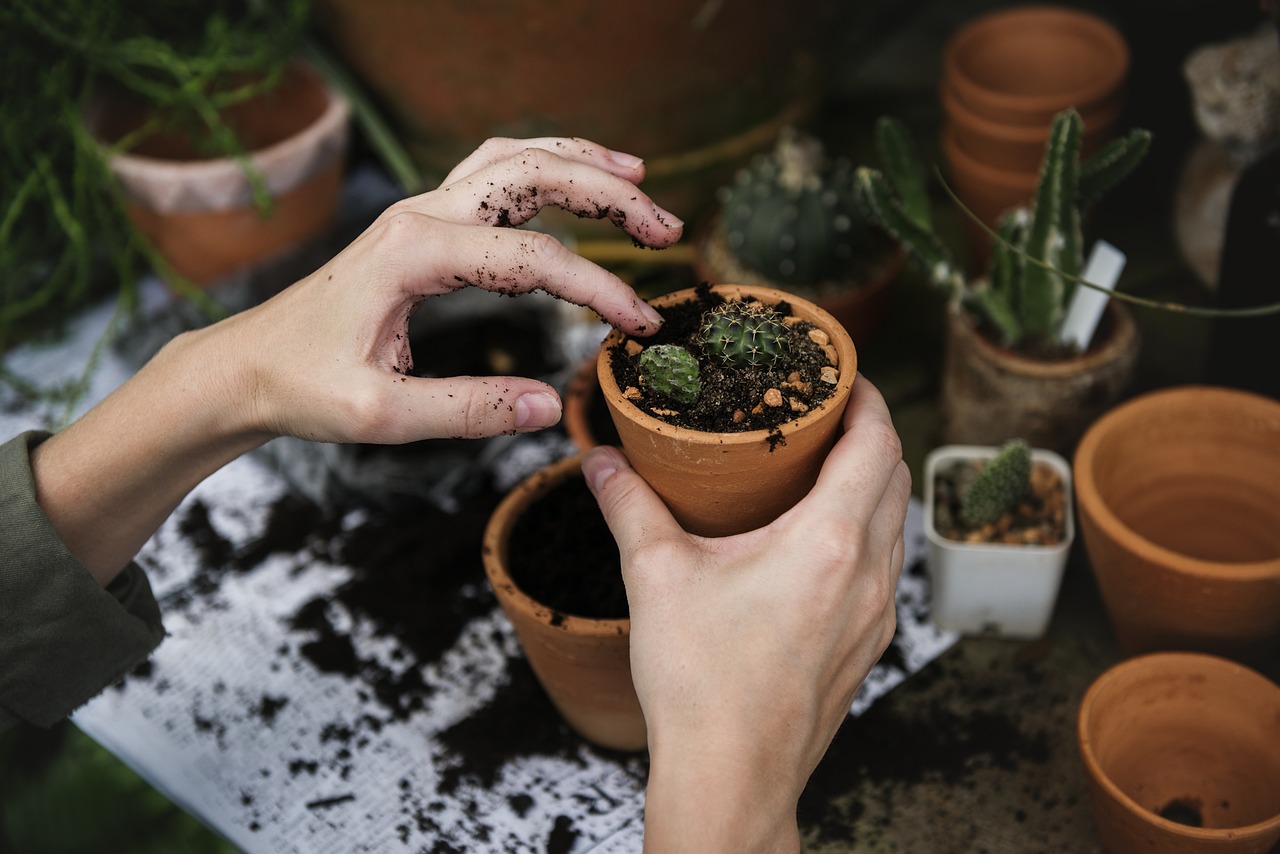
Identify the Source and Scale of the Infestation
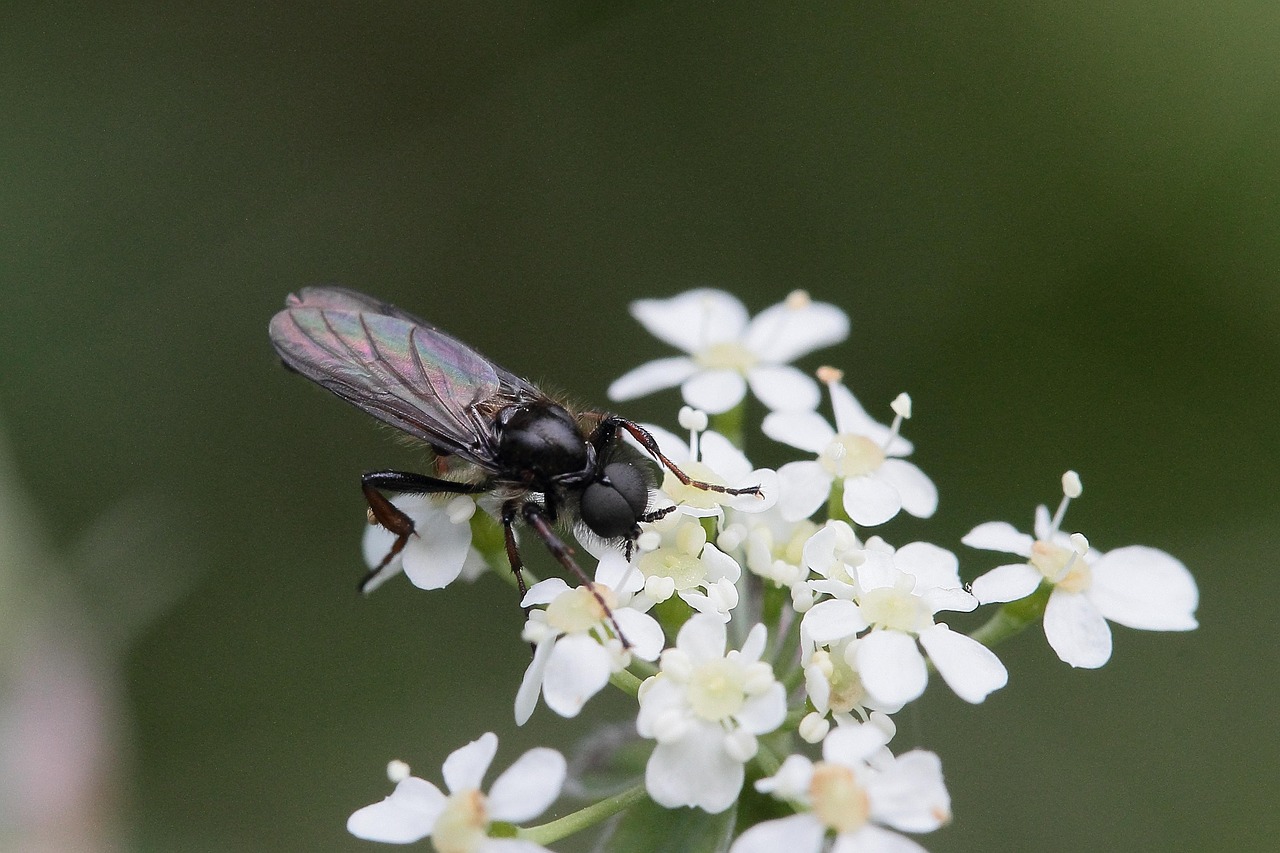
Before you reach for heavy-duty garden maintenance tools or chemical treatments, you must confirm that your problem is specifically fungus gnats. These pests are often confused with fruit flies or other common household insects. Fungus gnats are small, dark-bodied flies that primarily hover near the soil surface or flutter weakly around the base of your plants.
To identify the infestation, look for these specific indicators:
- Adult Activity: Observe if the flies congregate around the potting mix rather than near fruit bowls or trash cans.
- Larval Presence: Gently scrape the top inch of your potting soil. Fungus gnat larvae are tiny, translucent white worms with black heads that thrive in consistently damp organic matter.
- Plant Stress: Check for sudden wilting or yellowing leaves, which often occur when larvae begin feeding on delicate root hairs.
Fungus gnats flourish in moist, nutrient-rich environments. If your soil remains waterlogged for extended periods, it creates the ideal breeding ground for these pests. Before applying any form of treatment, assess the scale of the issue. A single fly may be a nuisance, but a swarm indicates a deeper problem within your soil’s moisture levels.
Once you have confirmed the presence of gnats, immediate containment is your first line of defense. Use basic hand tools to carefully move the infested pots away from your healthy collection. Isolation is critical; these insects are prolific breeders and can quickly migrate to other houseplants in your home. By separating the affected plants, you prevent the infestation from spreading to the rest of your indoor garden.
If you have multiple plants in a single area, inspect them all thoroughly. Even if you do not see adult flies on a neighboring plant, the larvae may already be present in the soil. Treat the entire immediate area as suspect until you can confirm the infestation is localized. Taking these proactive steps ensures that you are not just treating a symptom, but effectively managing the health of your entire home garden. Once isolated, you can address the moisture issue and begin the remediation process without risking your wider collection of plants.
Dry Out the Soil to Break the Life Cycle
Fungus gnats thrive in damp, organic-rich environments. Their larvae live in the top layers of potting soil, feeding on decaying matter and fungal growth. By strategically managing your watering routine, you can disrupt their reproductive cycle without resorting to harsh chemical pesticides.
The most effective non-chemical method to eliminate an infestation is to allow the top two inches of your potting mix to dry out completely between waterings. When the surface layer remains parched, the larvae—which require consistent moisture to survive—will perish. This simple adjustment forces the population to collapse naturally.
To implement this drying strategy successfully, follow these practical steps:
- Check the soil depth: Before watering, insert your finger two inches deep into the soil. If you feel any dampness, wait another day or two before adding water.
- Assess plant needs: While some tropical plants prefer constant moisture, most common houseplants can tolerate a period of drought. Research your specific plant species to ensure it can handle a drier cycle.
- Use a moisture meter: If you are unsure about soil conditions, a simple garden moisture meter provides an accurate reading of the root zone, helping you avoid overwatering.
Proper drainage is equally critical to this process. If your pots lack adequate drainage holes, water will pool at the bottom, creating a permanent reservoir for larvae even if the surface feels dry. If your current containers are inadequate, consider repotting the plant into a vessel with sufficient drainage holes or using a nursery liner inside a decorative pot.
When you do water, ensure that you empty the saucer or decorative cachepot immediately after the excess has drained through. Never allow your plants to sit in standing water, as this effectively resets the environment for the gnats to thrive. If your pot does not have drainage, you may need to reduce your watering volume significantly or switch to a more porous, well-draining soil mix that contains perlite or pumice.
By keeping the topsoil dry and ensuring excess moisture can escape, you create an inhospitable environment for fungus gnats. Consistency is key; maintaining this dry-out period for several weeks will typically break the life cycle and clear up the infestation.

Use Physical Barriers and Traps
Interrupting the lifecycle of fungus gnats requires a two-pronged approach: trapping the adults currently flying around your plants and physically blocking the soil surface to prevent further egg-laying. By combining these methods, you can significantly reduce the population without relying solely on chemical treatments.
Deploying Sticky Traps
Adult gnats are highly attracted to the color yellow. Placing yellow sticky traps near the base of your plants or directly on the soil surface is an effective way to monitor and reduce the adult population. As the gnats fly toward the plant to lay eggs, they become stuck to the adhesive surface.
- Place traps horizontally on the soil surface or vertically on a small stake just above the foliage.
- Replace the traps once they are covered in insects or lose their tackiness.
- Monitor traps daily to gauge whether the infestation is subsiding.
While these traps will not eliminate the larvae already living in the soil, they are essential for breaking the reproductive cycle by removing egg-laying adults from the environment.
Creating a Physical Barrier
Fungus gnats thrive in moist, organic-rich soil. To stop them from accessing the surface to lay eggs, you can create a physical barrier that keeps the top layer of soil dry and inaccessible. This technique is highly effective for indoor potted plants.
Apply a half-inch to one-inch layer of one of the following materials over the entire surface of the potting mix:
- Coarse Sand: A layer of horticultural sand dries out quickly, making it an inhospitable environment for gnats.
- Decorative Gravel or Horticultural Grit: These heavier materials prevent adults from reaching the soil and keep the surface layer arid.
- Expanded Clay Pebbles: These provide excellent drainage and create a dry, rocky barrier that larvae cannot penetrate.
Ensure the barrier covers the soil completely, leaving no gaps near the edge of the pot. Because these materials do not retain moisture like peat-based potting mixes, the gnats will struggle to find a suitable location to deposit their eggs. Over time, this starves the population, as the existing larvae will be unable to emerge from the soil to complete their development into flying adults.
Apply Natural Biological Controls
If allowing your soil to dry out between waterings fails to eliminate a fungus gnat infestation, it is time to introduce natural biological controls. The most effective method involves using products containing Bacillus thuringiensis israelensis (Bti), such as Gnatrol. Bti is a naturally occurring bacterium that specifically targets gnat larvae in the soil without posing risks to your plants, household pets, or family members.
When using Bti, the larvae ingest the bacteria while feeding, which disrupts their digestive systems and halts their life cycle. Because this treatment only affects the larval stage, you may need to apply it consistently for several weeks to catch new generations as they hatch.
To achieve the best results, follow these practical application steps:
- Read the Label: Always check the specific manufacturer instructions for correct dilution ratios. Over-concentrating the solution will not speed up the process and may waste your product.
- Consistent Watering: Apply the Bti-infused water every time you irrigate your plants during the treatment window. This ensures the bacteria reaches the larvae throughout the entire root zone.
- Maintain Equipment: If you are using dedicated garden sprayers or mixing containers for these treatments, keep them clean and stored away from food-prep areas.
Safety remains a priority when handling any garden maintenance product. Even though Bti is non-toxic to humans, you should wear gardening gloves during the mixing and application process to prevent skin irritation or accidental ingestion. Always wash your hands thoroughly with soap and water immediately after you finish tending to your plants.
While biological controls are highly effective, they work best when combined with good cultural practices. Ensure your pots have adequate drainage holes to prevent standing water, as excess moisture is the primary factor that attracts adult gnats to lay eggs. If you have a large collection of houseplants, consider treating all of them simultaneously. This prevents the gnats from simply migrating to a nearby untreated pot, ensuring you break the breeding cycle across your entire indoor garden. By pairing Bti applications with proper soil management, you can regain control of your plants and eliminate the nuisance of flying gnats for good.
Follow-Up Care and Prevention Strategies
Once you have successfully treated a gnat infestation, your focus must shift to long-term maintenance. Fungus gnats thrive in damp, decaying organic matter, so the most effective prevention strategy is strictly managing soil moisture. Always allow the top two inches of potting mix to dry out completely between waterings. This creates an environment where larvae cannot survive, effectively breaking the gnat life cycle.
Routine garden maintenance is equally critical. Regularly inspect your plants and remove fallen leaves, spent blooms, or any debris resting on the soil surface. These items provide the perfect breeding ground for pests. Keeping your indoor garden tidy prevents adult gnats from finding a place to lay their next generation of eggs.
When performing maintenance or repotting, your equipment hygiene matters. Dirty gardening tools can harbor fungal spores or insect eggs, inadvertently reintroducing pests to your plants. Before using hand tools, pruners, or trowels, ensure they are thoroughly cleaned and disinfected with a solution of one part bleach to nine parts water, or a high-percentage rubbing alcohol. Wipe tools down after each use to maintain a sterile environment.
If you find that an infestation persists despite your best efforts, the soil itself may be the issue. In cases of severe or recurring problems, take the following steps:
- Gently remove the plant from its container and inspect the root system for signs of rot or damage.
- Discard the old, infested potting mix entirely; do not reuse it in other containers.
- Repot the plant using fresh, high-quality, well-draining potting mix.
- Wash the existing pot thoroughly with hot, soapy water before replanting to eliminate any hidden eggs.
If you are unsure about the health of your plant roots after a severe infestation, do not hesitate to consult a local nursery or gardening professional. They can provide a hands-on assessment to determine if your plant can be saved or if the root system has suffered irreversible damage. Investing in the right tools and maintaining a consistent care schedule will keep your plants healthy and gnat-free throughout the year.

Dedicated team of gardening enthusiasts with years of hands-on experience testing lawn mowers, gardening tools, and outdoor equipment. We help home gardeners and professionals alike make informed buying decisions with honest, thorough reviews. From push mowers to pruning shears, we test it all so you don’t have to. Got a gardening tool you’d like us to review? Get in touch!