
Fungus gnats are a common frustration for indoor gardeners, often appearing when soil stays too damp. To get gnats out of your plants, you must immediately allow the top two inches of soil to dry out completely between waterings to disrupt their breeding cycle and eliminate the moisture they need to survive.
While these tiny pests are primarily a nuisance, they can damage delicate root systems if left unchecked. Eradicating them requires patience and a combination of strategies, as adult gnats are merely the visible symptom of larvae living in the potting mix. Consistency is the most important factor in reclaiming your healthy home garden.
This guide explains how to identify these pests and provides safe, effective methods to eliminate them and protect your houseplants. We will cover practical solutions, including the use of yellow sticky traps, beneficial nematodes, and hydrogen peroxide treatments, ensuring you have the right tools to maintain a thriving, pest-free indoor environment today.

Identify the Source of the Infestation
Before you reach for heavy-duty outdoor power equipment or chemical sprays, you must confirm that the pests invading your home are actually fungus gnats. These tiny, black insects are often mistaken for fruit flies, but their behavior and preferred habitats differ significantly. Fungus gnats are primarily attracted to moisture and decaying organic matter found in potting soil.
To identify the infestation, start by observing your plants closely. Fungus gnats typically hover near the soil surface or crawl along the rim of the pot. If you gently tap the plant container, you may notice a small cloud of these flies taking flight, confirming their presence.
Beyond visual confirmation of the adult flies, inspect the plant’s health. Fungus gnat larvae live within the top few inches of the soil, where they feed on fungi, organic debris, and, eventually, the delicate root hairs of your plants. Look for these common signs of root damage:
- Yellowing leaves: A sudden loss of vibrant green color often indicates that the roots are compromised.
- Stunted growth: If your plant has stopped producing new foliage despite proper light and fertilization, larvae may be hindering nutrient absorption.
- Wilting despite moist soil: If the plant appears thirsty even when the potting mix is damp, the root system is likely damaged.
- Sudden leaf drop: Significant stress on the roots often leads to premature shedding of healthy-looking leaves.
The most practical step in garden maintenance is to check the moisture level of your potting mix. Fungus gnats thrive in consistently soggy environments. If you notice the top inch of soil remains wet for extended periods, it creates an ideal breeding ground for larvae. By confirming the source of the infestation—the soil—you can move away from general hand tools and focus on targeted solutions. Proper identification is the most important step in protecting your indoor greenery without resorting to unnecessary chemicals. Once you have verified that the gnats are emerging from the soil, you can proceed with confidence, knowing exactly where to focus your treatment efforts to resolve the problem efficiently and safely.
Implement Cultural Control Methods
The most effective strategy for eliminating fungus gnats is to disrupt their life cycle. These pests thrive in consistently damp environments, making the soil surface their primary breeding ground. By modifying your watering habits and cleaning your garden setup, you can create an inhospitable environment for larvae without relying on harsh chemicals.
The larvae require constant moisture to survive and develop. If the top layer of your potting mix remains wet, you are essentially providing a nursery for the next generation of gnats. To break this cycle, allow the top two inches of soil to dry out completely between waterings. You can easily test this by inserting your finger into the soil; if it feels damp or cool, hold off on watering for another few days.
In addition to adjusting your irrigation schedule, you must eliminate the organic debris that gnats use for food. Fungus gnat larvae feed on decaying plant matter, fungi, and algae. A clean garden environment significantly reduces their ability to thrive.
Follow these practical steps to maintain a gnat-free environment:
- Clear surface debris: Regularly remove fallen leaves, dead flower petals, and any other organic matter resting on the soil surface.
- Improve airflow: Use a small oscillating fan near your plants to encourage faster evaporation of moisture from the topsoil.
- Check drainage: Ensure your pots have functioning drainage holes. If water sits in a saucer at the base of the pot, empty it immediately to prevent the soil from wicking up excess moisture.
- Top-dress with grit: Adding a half-inch layer of coarse sand, decorative gravel, or horticultural grit to the top of the soil can prevent adult gnats from laying eggs in the mix.
If you have multiple houseplants, consider grouping them by their water requirements. Avoid overwatering plants that prefer to stay on the drier side, as these are often the first to become infested. By consistently maintaining a drier topsoil layer and keeping the surface free of decaying organic waste, you effectively starve the larvae and stop the infestation at its source. Consistent monitoring is the key to long-term success in keeping your indoor garden healthy and pest-free.
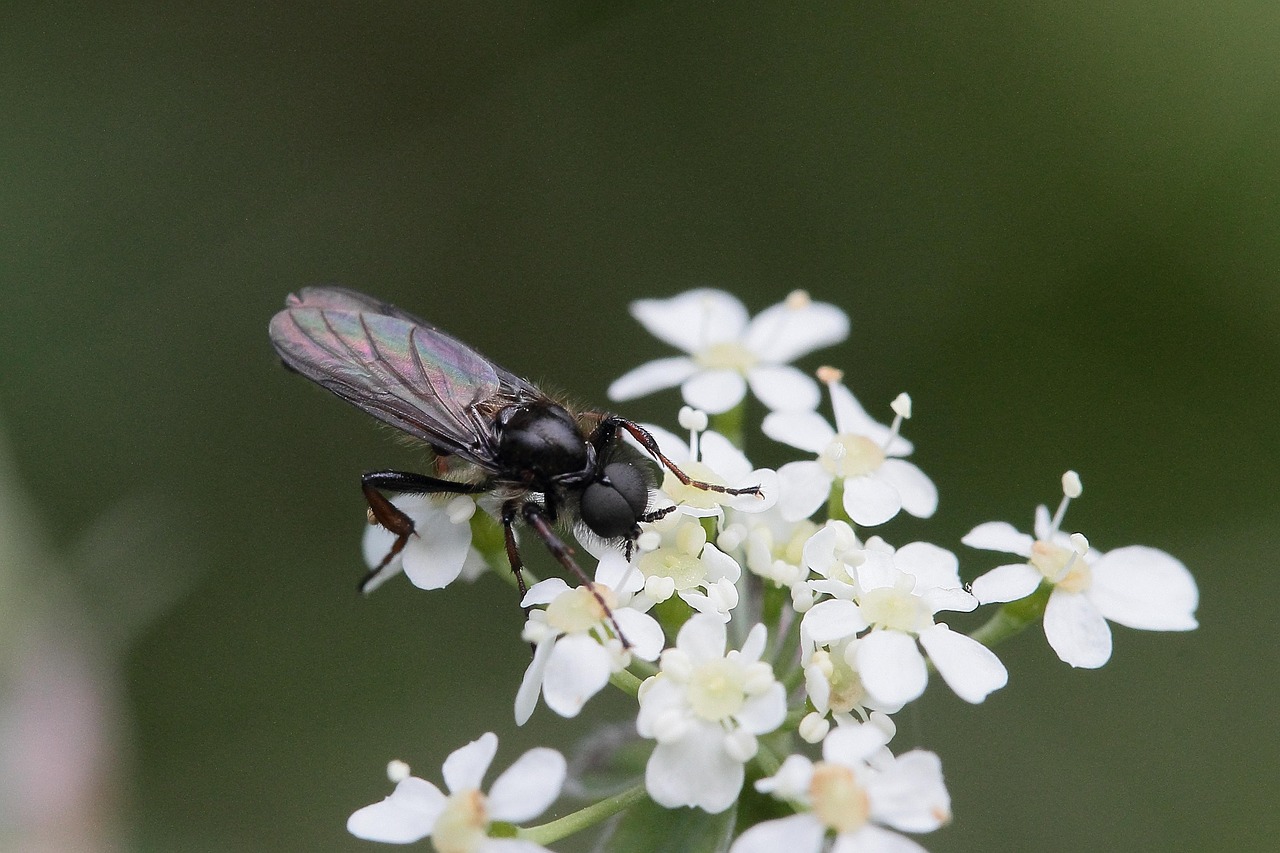
Use Physical and Biological Barriers
When dealing with a fungus gnat infestation, the most effective strategy involves a two-pronged approach: capturing the adults to stop reproduction and eliminating the larvae hiding in your potting soil. By combining physical and biological barriers, you can break the life cycle and restore your plant’s health.
Physical Barriers: Yellow Sticky Traps
Adult gnats are highly attracted to the color yellow. Placing yellow sticky traps near the base of your plants is a simple, non-toxic way to monitor and reduce the population. As the adults fly toward the bright surface, they become trapped, preventing them from laying new eggs in your soil. For the best results, replace these traps every few weeks or once they become covered in debris.
Biological Barriers: BTI Treatment
While traps manage the adults, you must address the larvae living in the damp soil to stop the infestation at its source. The most reliable biological control is Bacillus thuringiensis israelensis (BTI). This naturally occurring bacterium is specifically toxic to gnat larvae but is completely safe for your plants, household pets, and humans.
To use BTI effectively, follow these practical steps:
- Choose the right product: Look for BTI-based products specifically formulated for fungus gnats, often sold as “mosquito bits” or liquid concentrates.
- Prepare the solution: If using granules, soak them in your watering can for at least 30 minutes to release the bacteria into the water. Strain the bits out before watering.
- Consistent application: Water your plants with this BTI-infused solution every time you need to hydrate them for at least three weeks. This ensures that any newly hatched larvae are neutralized immediately.
By using these physical and biological tools together, you create an environment where gnats cannot thrive. Remember that consistency is key; because gnats have a rapid reproductive cycle, skipping a treatment can allow the population to rebound. Always ensure your pots have proper drainage and allow the top inch of soil to dry out between waterings, as moist soil is the primary breeding ground for these pests. Combining these methods with good maintenance habits will keep your indoor garden thriving and pest-free.
Safety and Equipment Handling
Managing a gnat infestation often requires repotting or amending your soil. Before you begin, prioritize your physical safety. When mixing fresh potting soil, perlite, or organic amendments, wear a properly fitted dust mask. These materials often contain fine particulates, mold spores, or bacteria that can irritate your respiratory system when inhaled.
If you are using hand tools to remove a plant from its pot or to prune away damaged roots, ensure your equipment is in top condition. Dull blades cause jagged, uneven cuts that stress the plant and create open wounds, making it easier for pathogens to enter. Clean your tools thoroughly with a solution of one part bleach to nine parts water—or a high-percentage isopropyl alcohol—before and after use to avoid spreading fungus gnats or their larvae between pots.
When applying treatments to eliminate gnats, such as neem oil, insecticidal soaps, or biological controls like Bacillus thuringiensis israelensis (Bti), follow these safety protocols:
- Read the Label: Always check the manufacturer’s instructions regarding personal protective equipment (PPE). Many concentrated treatments require the use of chemical-resistant gloves to prevent skin irritation or absorption.
- Secure Storage: Keep all pesticides, fertilizers, and biological treatments in their original, clearly labeled containers. Store these items in a locked cabinet or on a high shelf, strictly out of reach of children and pets.
- Avoid Cross-Contamination: Never use kitchen utensils or food containers for mixing gardening chemicals. Use dedicated, durable plastic buckets or trowels that can be easily washed and stored in your garden shed or garage.
Proper equipment handling extends the life of your tools and ensures your gardening routine remains efficient. After finishing your maintenance tasks, wash your hands thoroughly with soap and water, even if you wore gloves. If you are using outdoor power equipment, such as a leaf blower or trimmer near your indoor plants, ensure the area is well-ventilated to prevent the buildup of exhaust fumes or dust clouds. By maintaining a clean workspace and using the right gear, you protect both your health and the vitality of your indoor garden.

Follow-up Care and When to Seek Help
Even after you stop seeing adult fungus gnats buzzing around your greenery, your work isn’t finished. These pests have a rapid life cycle, and eggs or larvae may remain hidden in the top layer of your potting mix. To ensure a complete recovery, continue monitoring your plants with yellow sticky traps for at least three to four weeks. These traps are an excellent, non-toxic tool for catching any late-hatching stragglers before they can lay new eggs.
Consistent garden maintenance is your best defense against a recurrence. Avoid overwatering, as damp soil is the primary breeding ground for gnats. Allow the top two inches of soil to dry out completely between waterings, which disrupts the larval stage of the insect’s development. Regularly inspect your pots for proper drainage and ensure your indoor environment has adequate airflow.
If you notice persistent damage or if the population seems unaffected by your initial efforts, it is time to take more aggressive action. Consider the following steps to reset your plant’s environment:
- Repotting: Gently remove the plant from its container and discard the infested soil. Use fresh, sterile potting mix to eliminate any lingering larvae or eggs.
- Root Inspection: While repotting, use clean hand tools to inspect the root system for signs of rot, which often accompanies gnat infestations. Trim away any mushy or dark roots with sterilized shears.
- Sanitation: Thoroughly wash the original pot with a mild soap solution before reusing it to ensure no pests remain clinging to the interior surfaces.
Sometimes, despite your best efforts with lawn care equipment, specialized soil treatments, and diligent hand-tending, an infestation can become overwhelming. If you are dealing with a severe outbreak that involves multiple plants in your collection, do not hesitate to seek expert help. Contact a local nursery professional or a certified plant pathologist. They can provide specialized botanical treatment advice or recommend specific systemic controls that are safer for your unique home environment than broad-spectrum pesticides. Protecting your indoor garden is a long-term commitment, and there is no shame in calling in reinforcements when a stubborn pest problem threatens the health of your prized specimens.

Dedicated team of gardening enthusiasts with years of hands-on experience testing lawn mowers, gardening tools, and outdoor equipment. We help home gardeners and professionals alike make informed buying decisions with honest, thorough reviews. From push mowers to pruning shears, we test it all so you don’t have to. Got a gardening tool you’d like us to review? Get in touch!