
To get gnats off indoor plants, you must first let the soil dry out completely between waterings to disrupt their life cycle. These persistent pests thrive in damp environments, so reducing moisture is the most effective way to eliminate them. By adjusting your watering habits, you can quickly stop an active infestation.
While seeing tiny flies buzzing around your greenery is frustrating, it is a common issue that rarely kills healthy plants immediately. Fungus gnats are often a sign that your potting mix is holding too much moisture for too long. Understanding this balance is essential for long-term success in your indoor gardening journey.
This guide explains how to identify these pests and provides practical, step-by-step methods to eliminate them and prevent their return. From using sticky traps to applying natural soil treatments, we cover everything you need to know. Follow these professional tips to keep your houseplants healthy and your home entirely pest-free today.
Identify the Problem and Its Source
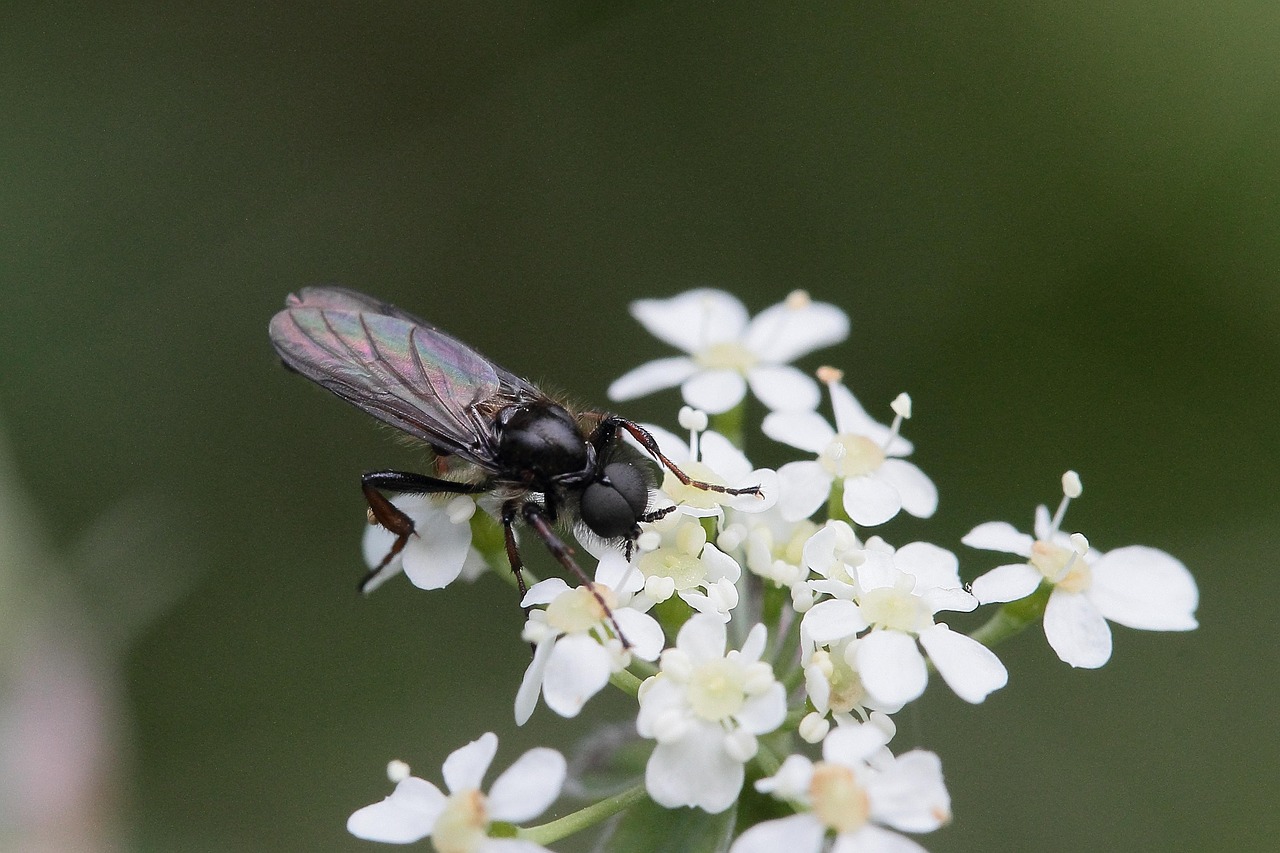
Before you reach for heavy-duty garden maintenance equipment or chemical treatments, you must confirm that your indoor plants are suffering from a fungus gnat infestation. Misidentifying the pest can lead to wasted effort and unnecessary stress on your greenery. Fungus gnats are small, dark-colored flies, often mistaken for fruit flies, that thrive in damp environments.
To identify the problem, observe your plants closely. Fungus gnats are primarily attracted to moist, organic-rich potting soil, which serves as the perfect nursery for their eggs. If you notice tiny flies hovering near the soil surface or taking flight immediately after you water your plants, you are likely dealing with fungus gnats.
Use these steps to confirm the source of the infestation:
- Visual Inspection: Look for adult gnats resting on the soil or scurrying across the surface when disturbed.
- The Watering Test: Gently tap the side of your pot or water the plant; if a cloud of small flies rises, the insects are living within the potting mix.
- Check Drainage: Inspect the drainage holes at the bottom of your pots. If you see movement or larvae near these openings, the infestation is well-established.
- Yellow Sticky Traps: Place small yellow sticky cards near the soil level. Fungus gnats are highly attracted to the color yellow and will become trapped, allowing you to gauge the severity of the population.
Understanding the life cycle of these pests is essential for effective control. While the adults are the most visible, the real damage occurs beneath the surface. The larvae reside in the top one to two inches of potting soil, where they feed on organic matter and decaying roots. Because the larvae are hidden, superficial surface treatments are rarely enough to solve the problem.
Avoid the urge to use outdoor power equipment or harsh horticultural sprays meant for larger garden pests. These are often too aggressive for delicate indoor environments and can damage your houseplants. Instead, focus on the top layer of soil. By confirming that the gnats are localized to the potting medium, you can target your efforts precisely where the larvae live, ensuring a safer and more successful resolution to your pest control efforts.
Implement Immediate Control Measures
The most effective way to eliminate a gnat infestation is to disrupt their life cycle immediately. Fungus gnats thrive in consistently moist soil, which provides the perfect environment for their larvae to feed on organic matter and decaying roots. By altering the soil moisture levels, you can effectively starve the larvae before they mature.
Start by allowing the top two inches of your potting soil to dry out completely between waterings. When the surface remains dry, the larvae cannot survive, effectively stopping the next generation from emerging. To ensure you do not overwater, check the soil moisture by inserting your finger or a wooden skewer into the top layers before reaching for your watering can.
While managing moisture, you must also address the adult population to prevent further egg-laying. Incorporate these practical tools to manage the infestation:
- Yellow Sticky Traps: Place these near the soil surface. Gnats are naturally attracted to the color yellow, and the adhesive surface will capture adults, quickly reducing the number of insects capable of breeding.
- Biological Controls: For persistent infestations that do not subside with drying, use a soil drench containing Bacillus thuringiensis israelensis (Bti). This naturally occurring bacterium specifically targets gnat larvae in the soil without harming your plants, pets, or beneficial insects.
- Top Dressing: Consider adding a half-inch layer of decorative sand or fine gravel to the top of your potting soil. This physical barrier prevents adult gnats from accessing the soil to lay new eggs.
Consistent maintenance is key to long-term success. If you are using gardening tools or hand tools to repot or work around your plants, ensure they are cleaned thoroughly to avoid spreading larvae or eggs to healthy pots. If you notice a plant remains infested despite these measures, isolate it from your other indoor greenery to prevent the gnats from migrating. By combining physical barriers, biological treatments, and strict watering habits, you can reclaim your indoor garden from these pests without relying on harsh chemical pesticides. Monitor your traps regularly; once you stop seeing new adults caught on the yellow cards, you can be confident that the breeding cycle has been successfully broken.

Essential Maintenance and Soil Care
Fungus gnats thrive in moist, stagnant environments. By upgrading your maintenance routine and improving soil conditions, you can effectively disrupt their life cycle and prevent future infestations. The most critical step is ensuring your pots have adequate drainage. If your current containers lack holes, stagnant water will collect at the bottom, creating a breeding ground for larvae.
When repotting, use a high-quality, well-draining potting mix. Avoid heavy garden soil, which retains too much moisture. Instead, look for mixes amended with perlite, pumice, or horticultural sand to facilitate airflow around the roots. If you are handy with tools, you can carefully drill drainage holes into decorative ceramic or plastic pots using a masonry or multi-purpose drill bit, provided you use a slow speed and keep the surface cool with water to prevent cracking.
Once your drainage is optimized, focus on surface management. Fungus gnats need access to the top layer of damp soil to lay their eggs. You can create a hostile environment for them by implementing these physical barriers:
- Sand or Fine Gravel: Apply a half-inch layer of decorative sand or fine horticultural gravel over the top of the soil. This creates a dry, abrasive barrier that adults cannot penetrate to reach the moist soil beneath.
- Dried Sphagnum Moss: A thin, airy layer of dried moss can help the surface dry out faster between waterings, making it less attractive to egg-laying adults.
- Soil Aeration: Use a small hand cultivator or a simple chopstick to gently stir the top inch of soil. This breaks up any crusts and allows oxygen to reach the roots, which helps the soil dry out more evenly.
Consistency is key to long-term success. Always check the moisture level of your soil before watering; stick your finger about an inch deep into the mix. If it feels damp, wait a few more days. By allowing the top layer of soil to dry out completely between waterings, you remove the primary habitat gnats need to survive. Combine these maintenance habits with proper pot selection, and you will significantly reduce the likelihood of a recurring outbreak. Keeping your plants healthy and your soil well-ventilated is the most effective way to maintain a pest-free indoor garden.
Safety Guidance for Pest Management
Before applying any pest control products to your indoor plants, you must read the manufacturer’s label in its entirety. This document provides critical information regarding application rates, safety precautions, and necessary protective measures. Never deviate from these instructions, as over-application can damage your plants and introduce unnecessary chemicals into your home environment.
Personal safety should be your primary concern when managing an infestation. If you have sensitive skin, always wear protective gloves when handling soil, potting mixes, or liquid treatments. After you finish tending to your plants, wash your hands thoroughly with soap and water to remove any lingering residue.
When using gardening tools to repot plants or remove infested soil, prioritize both hygiene and safety:
- Clean your hand tools with a mild disinfectant after every use to prevent the spread of pests or fungal spores to healthy plants.
- Store sharp implements, such as pruning shears or trowels, in a secure location that is completely inaccessible to children and pets.
- Inspect your lawn care equipment and outdoor power tools for debris before bringing them near indoor plants, as they can inadvertently carry outdoor pests inside.
Chemical safety is equally vital. Never mix different pest control treatments, even if they are both designed for indoor use. Combining substances can trigger hazardous chemical reactions, releasing toxic fumes that are dangerous to humans and animals. If you are unsure about the compatibility of two products, stick to one method at a time or consult a professional.
Effective garden maintenance relies on consistent, careful habits rather than aggressive chemical use. If you find that a particular treatment is ineffective, do not increase the dosage. Instead, re-evaluate your watering habits, as gnats often thrive in overly damp soil. Improving drainage and allowing the top layer of soil to dry out between waterings is often safer and more effective than chemical intervention.
Finally, keep all garden maintenance supplies in their original containers. This ensures that you always have access to the safety data and expiration dates provided by the manufacturer. By treating your tools and treatments with respect, you protect your indoor garden and your household simultaneously.

Follow-Up Care and When to Seek Help
Once you have successfully reduced the gnat population, do not immediately return to your old watering habits. Fungus gnats thrive in consistently damp environments, so monitoring your plants for the next three to four weeks is essential to ensure the infestation does not return. Continue to allow the top two inches of soil to dry out completely between waterings, as this remains the most effective deterrent against adult gnats laying new eggs.
During this follow-up period, keep your yellow sticky traps in place. They serve as an early warning system; if you see new gnats appearing, you can act immediately before the population explodes again. You should also inspect the drainage holes of your pots. If you notice standing water in the saucer, empty it promptly to prevent the soil from wicking up excess moisture.
If you have diligently dried out the soil and used traps for several weeks without success, the larvae may be deeply embedded in the root system or the potting mix itself. In these persistent cases, a more aggressive approach is necessary:
- Repotting: Carefully remove the plant from its container and gently shake away the old, infested soil. Dispose of the old medium in a sealed bag outside your home.
- Root Inspection: Rinse the roots gently with lukewarm water to remove remaining debris and check for signs of root rot, which often accompanies severe gnat infestations.
- Fresh Medium: Repot the plant using fresh, high-quality potting mix. Avoid using soil that has been stored outdoors or in damp areas, as it may already contain gnat eggs.
If you have repotted the plant and still see gnats, or if the plant’s foliage continues to yellow or wilt despite your efforts, the issue may be more complex than a simple gnat infestation. You could be dealing with a systemic plant disease or a different type of pest, such as root aphids, which are often mistaken for fungus gnats. In these situations, it is time to seek expert guidance. Take a sample of the plant or clear photos of the affected area to a local nursery or garden center. Professionals can provide a definitive diagnosis and recommend specific, safe treatments tailored to your plant’s unique needs, preventing further damage to your indoor garden.

Dedicated team of gardening enthusiasts with years of hands-on experience testing lawn mowers, gardening tools, and outdoor equipment. We help home gardeners and professionals alike make informed buying decisions with honest, thorough reviews. From push mowers to pruning shears, we test it all so you don’t have to. Got a gardening tool you’d like us to review? Get in touch!