
Attracting hummingbirds to your outdoor space is a rewarding way to bring vibrant energy to your garden. By understanding their specific needs for nectar, shelter, and water, you can create a welcoming habitat that encourages these agile pollinators to visit throughout the season while transforming your backyard into a lively, natural sanctuary.
Creating a hummingbird haven requires more than just hanging a feeder. You must consider the layout of your landscape, the selection of native flowering plants, and the maintenance of your lawn care equipment to ensure a safe environment. Consistent care and thoughtful garden design are essential for making your home a reliable stop.
In this guide, we explore the essential hand tools and outdoor power equipment needed to cultivate the perfect bird-friendly landscape. From choosing the right garden maintenance gear to selecting nectar-rich flowers, we provide practical tips for every gardener. Follow these steps to successfully entice hummingbirds to thrive in your beautiful, well-maintained outdoor retreat.
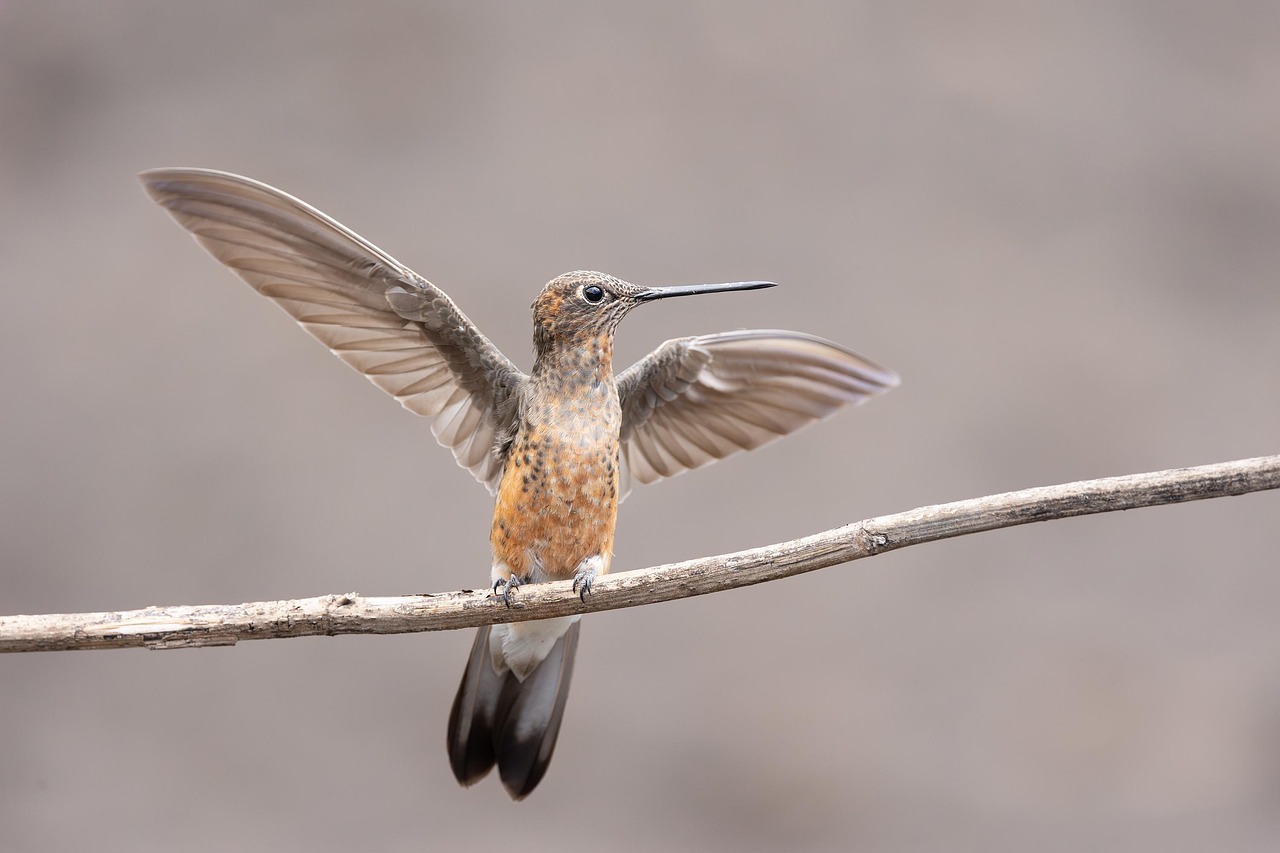
Selecting the Right Nectar-Rich Plants
To turn your landscape into a hummingbird sanctuary, prioritize plants that offer high nectar content and easy access. Hummingbirds are naturally drawn to tubular, brightly colored blooms, specifically those in vibrant shades of red, orange, and pink. These shapes act as a perfect fit for their long, slender beaks.
Focus your efforts on native perennials, which are often more resilient and better suited to your local climate. When planning your layout, consider these reliable favorites:
- Bee Balm (Monarda): A classic choice that produces unique, spiky flowers.
- Columbine (Aquilegia): Offers an early-season nectar source with distinct, nectar-filled spurs.
- Salvia: Provides a long-lasting bloom period and comes in many hummingbird-friendly varieties.
How you arrange these plants is just as important as the species you choose. Hummingbirds are constantly on the move, scanning the landscape from the air. To ensure they spot your garden, avoid scattering individual plants across your yard. Instead, plant your selections in dense, colorful clusters. This creates a “beacon” effect, making it much easier for birds to identify a reliable food source while in flight.
When establishing these beds, use high-quality hand tools to ensure proper soil preparation. A sturdy hand trowel is essential for digging precise holes, while a sharp hori-hori knife can help you divide existing perennials or clear small weeds without disturbing the root systems of your new nectar plants. Once planted, consistent maintenance is key. Use a light-duty cultivator to keep the soil aerated around your flowers, which encourages deeper root growth and more prolific blooming.
If you are managing a larger landscape, consider using a lightweight, electric-powered trimmer to keep surrounding grass edges tidy. Keeping the perimeter of your garden well-maintained prevents invasive weeds from competing with your nectar-rich flowers for water and nutrients. Remember to avoid using chemical pesticides or herbicides in these areas; hummingbirds are highly sensitive to toxins, and a healthy, organic garden will also attract the small insects that hummingbirds rely on for essential protein. By combining the right plant selection with thoughtful, consistent maintenance, you create a sustainable, high-energy pit stop that will keep these winged visitors returning to your garden throughout the season.
Installing and Maintaining Feeders Safely
Installing feeders is an effective way to supplement a hummingbird’s diet, particularly during the scarce food periods of early spring and late autumn. To provide a safe energy source, always use a mixture of one part white granulated sugar to four parts water. Never substitute with honey, brown sugar, or artificial sweeteners, as these can be toxic or cause dangerous fungal growth in the birds.
When selecting a location, stability is paramount. If you are using shepherd hooks, ensure they are deeply anchored into the soil to prevent tipping during high winds. For mounting brackets on structures, use heavy-duty screws and check that the surface material is solid enough to support the weight of a full feeder. If you are using a power drill to mount hardware, always wear work gloves to protect your hands from slips or debris.
Safety during installation is just as important as the placement itself. Follow these best practices when setting up your feeding station:
- Use a sturdy ladder: Always place your ladder on level, firm ground. Never overreach; move the ladder to a new position if the feeder is out of comfortable range.
- Check for clearance: Ensure the feeder is high enough to be out of reach of neighborhood cats but low enough for you to reach for regular cleaning and refilling.
- Inspect hardware regularly: Use a simple garden hand tool, such as a wrench or screwdriver, to tighten bolts and hooks seasonally. Vibration and temperature changes can loosen mounts over time.
Maintenance is the most critical step for hummingbird health. Feeders should be cleaned at least twice a week—more often in extreme heat—to prevent the sugar water from fermenting. Use a long-handled bottle brush to scrub the interior of the reservoir and the feeding ports. Avoid harsh chemical cleaners; a simple solution of hot water and a splash of white vinegar is usually sufficient to remove mold and debris. Rinse the feeder thoroughly with clean water before refilling. By keeping your equipment clean and securely mounted, you create a reliable, safe sanctuary that will keep hummingbirds returning to your garden throughout the season.

Providing Essential Water and Shelter
Hummingbirds require more than just nectar to thrive in your landscape; they need reliable sources of water for bathing and preening. Because these birds rarely land in deep water, they prefer shallow basins. A birdbath with a maximum depth of one to two inches is ideal. To truly entice them, incorporate a mister or a gentle fountain. Hummingbirds are naturally drawn to the sparkle and sound of moving water, which also prevents the basin from becoming a stagnant breeding ground for mosquitoes.
Beyond hydration, you must provide safe harbor. Dense shrubs, hedges, or small, leafy trees located near your feeders offer essential protection from predators and a quiet place for hummingbirds to rest between feedings. Maintaining these plants requires regular, careful upkeep to ensure they remain healthy and provide the right structure for nesting and perching.
When you perform routine garden maintenance, proper technique and equipment are vital for both plant health and your own safety. Use these practices to keep your garden hummingbird-friendly:
- Use Bypass Pruners: Always choose sharp, high-quality bypass pruners for thinning branches. Unlike anvil pruners, which can crush stems, bypass blades act like scissors to create clean, precise cuts that heal quickly.
- Maintain Your Tools: Keep blades clean and lubricated. Dull tools cause ragged cuts that leave plants susceptible to disease, which can ruin the dense foliage hummingbirds rely on for cover.
- Prioritize Safety: Always wear safety glasses when pruning. Flying debris or snapping twigs can cause serious eye injuries.
- Timing Matters: Avoid aggressive pruning during nesting season. Check your shrubs for hidden nests before making cuts to ensure you are not disturbing a hummingbird family.
By keeping your garden tools in top condition, you can shape your outdoor space efficiently without causing unnecessary stress to the local wildlife. A well-maintained garden that balances open flight paths with dense, protected resting zones will quickly become a favorite destination for hummingbirds. Remember to clean your birdbath regularly with a stiff brush to remove algae buildup, ensuring the water remains fresh and inviting. By combining these maintenance habits with the right water features, you create a sustainable, welcoming habitat that encourages hummingbirds to return to your yard year after year.
Creating a Pesticide-Free Environment
Hummingbirds are not just nectar drinkers; they are voracious insectivores. To thrive, they require a steady supply of small insects and spiders, which provide the essential protein and fats their high-metabolism bodies need. When you rely on synthetic pesticides or herbicides, you inadvertently eliminate this vital food source, creating a “green desert” that hummingbirds will quickly abandon.
To foster a bird-friendly habitat, shift your focus toward integrated pest management (IPM) and organic gardening. By maintaining a balanced ecosystem, you allow beneficial insects to keep pest populations in check naturally, ensuring a reliable food supply for your hummingbirds.
Follow these practical maintenance tips to keep your garden healthy without chemicals:
- Prioritize hand tools: Use manual cultivators, hoes, and weeding tools to manage unwanted growth. Physical removal is safer for the soil microbiome and avoids the drift associated with chemical sprays.
- Encourage biodiversity: Plant a variety of native species. A diverse garden naturally attracts predatory insects like ladybugs and lacewings, which act as your garden’s organic pest control team.
- Use physical barriers: If specific plants are struggling, use row covers or netting rather than reaching for a pesticide. This protects your harvest without contaminating the environment.
- Maintain healthy soil: Use organic compost and mulch to strengthen plant immunity. Strong, healthy plants are naturally more resilient to pest infestations, reducing the need for intervention.
- Choose mechanical maintenance: When using outdoor power equipment like string trimmers, be mindful of where you clear. Leave small, “wild” patches of brush or leaf litter, as these areas are prime habitats for the spiders and gnats that hummingbirds hunt.
Avoid systemic insecticides, such as neonicotinoids, which can linger in plant tissues and nectar, posing a direct threat to the health of hummingbirds and other pollinators. Instead, embrace the occasional presence of a few “pests.” A garden that is perfectly sterile is rarely a welcoming one for wildlife. By accepting a minor amount of insect activity, you provide the natural buffet that hummingbirds require to stay active and healthy in your yard. When you stop spraying, you allow the complex web of life to flourish, turning your landscape into a sustainable sanctuary for these remarkable birds.

Common Questions and Ongoing Maintenance
Maintaining a hummingbird-friendly garden requires more than just planting flowers; it demands a disciplined approach to equipment and sanitation. While your focus may be on the birds, the health of your outdoor space relies on the proper use of gardening tools and consistent maintenance routines. Keeping your feeders pristine is the most critical task for bird safety.
To ensure a healthy environment, you must clean your feeders at least twice a week. Neglecting this leads to mold growth and fermentation, which can be fatal to hummingbirds. Use a long-handled bottle brush to scrub the interior, ensuring you reach every crevice where bacteria might hide. Always rinse thoroughly with hot water to remove any residue.
While you are out in the garden performing maintenance, consider these essential practices:
- Sanitation: Never use soap or harsh chemicals to clean feeders; hot water and a dedicated brush are sufficient.
- Nectar Safety: Use only a 1:4 ratio of refined white sugar to water. Never add red dye, as it is unnecessary and potentially toxic to their delicate digestive systems.
- Equipment Upkeep: Keep your hand tools, such as pruning shears and trowels, clean and sharp. Well-maintained tools prevent damage to the nectar-rich perennials that hummingbirds rely on for natural sustenance.
- Power Equipment Safety: If you use leaf blowers or lawn mowers near feeding areas, do so during early morning or late evening when birds are less active to minimize stress.
Regular garden maintenance—such as weeding, deadheading spent blooms, and mulching—helps keep your habitat thriving. However, if you observe any hummingbirds appearing lethargic, struggling to fly, or showing visible signs of illness, you must take immediate action. Stop feeding at once to prevent the spread of disease among the local population. Thoroughly disinfect all equipment and contact your local wildlife extension office for guidance on how to report the issue and safely resume your efforts.
By treating your garden maintenance as a serious responsibility rather than a chore, you provide a safe, reliable sanctuary. Consistent care not only protects the birds but also ensures your outdoor space remains a beautiful, productive environment for all local pollinators.

Dedicated team of gardening enthusiasts with years of hands-on experience testing lawn mowers, gardening tools, and outdoor equipment. We help home gardeners and professionals alike make informed buying decisions with honest, thorough reviews. From push mowers to pruning shears, we test it all so you don’t have to. Got a gardening tool you’d like us to review? Get in touch!