
Attracting hummingbirds to your outdoor space is a rewarding way to support local biodiversity. By understanding their specific needs for food, shelter, and water, you can transform your garden into a reliable sanctuary that encourages these energetic pollinators to return season after season, turning your backyard into a vibrant, living ecosystem.
Creating a hummingbird haven requires more than just hanging a feeder; it involves strategic planting and consistent garden maintenance. While you cannot force these birds to visit, providing the right environment makes your property a preferred stop. Success depends on selecting native flowers, managing your lawn care equipment safely, and maintaining a pesticide-free habitat.
In this guide, we explore the essential hand tools and outdoor power equipment needed to cultivate a hummingbird-friendly landscape. We will cover practical home gardening techniques, from choosing nectar-rich perennials to installing water features that keep birds cool. Follow these expert tips to optimize your outdoor space and enjoy frequent visits from these fascinating, high-energy aerial acrobats.
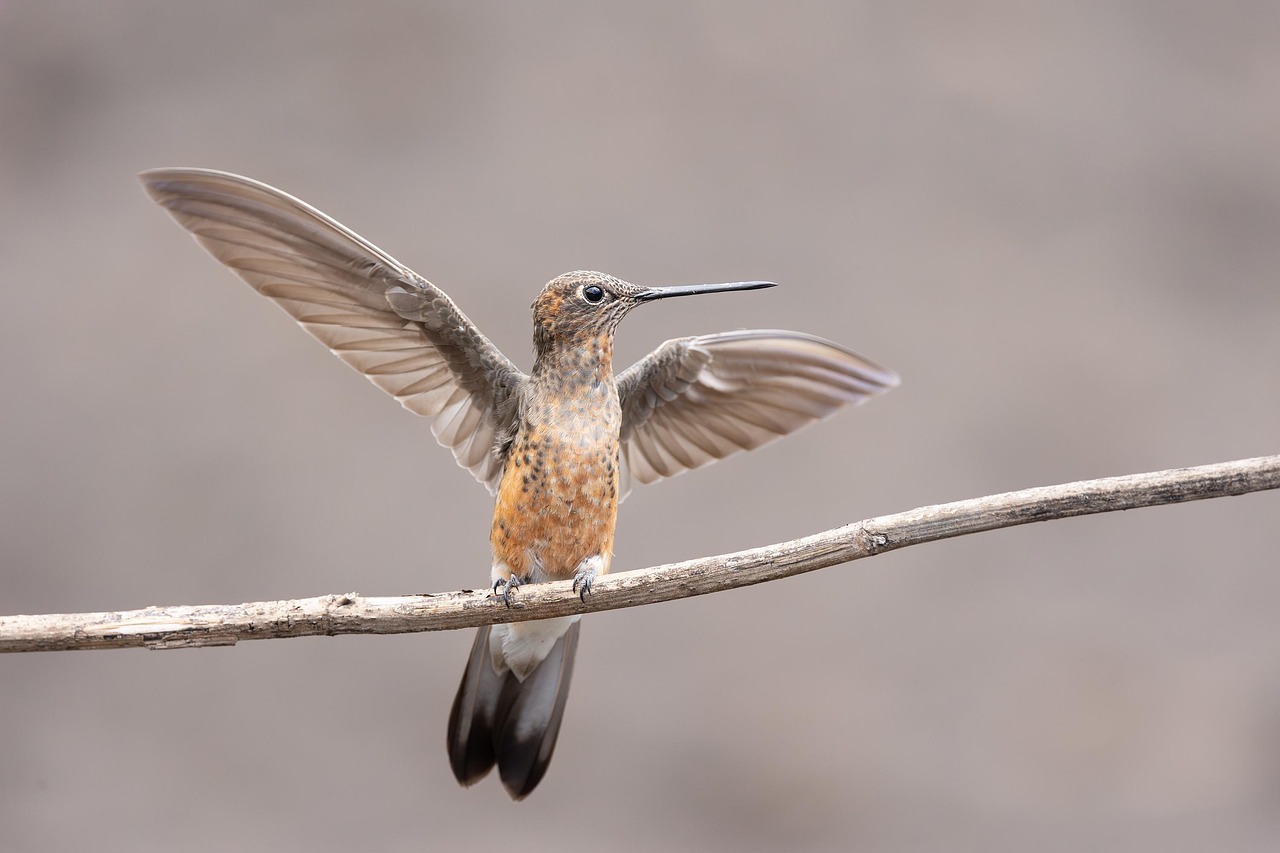
Selecting the Best Nectar-Rich Plants
To turn your landscape into a hummingbird sanctuary, you must prioritize high-energy, nectar-rich vegetation. Hummingbirds are highly visual foragers that gravitate toward tubular-shaped flowers, which perfectly accommodate their long bills and tongues. By choosing the right plant palette, you provide a natural, sustainable fuel source that supports their high metabolism throughout the growing season.
Focus your selection on vibrant hues that stand out against green foliage. Red, orange, and hot pink are the most effective colors for attracting these birds. While feeders are helpful, a well-planned garden offers a more reliable, nutrient-dense food supply that encourages hummingbirds to nest and remain in your yard.
For the best results, incorporate a diverse mix of native perennials and annuals. Native plants are particularly beneficial because they have co-evolved with local hummingbird populations, offering the ideal nectar composition. Aim for a succession of blooms so that your garden provides a consistent food source from early spring through late autumn.
Consider these top-tier choices for your hummingbird habitat:
- Cardinal Flower (Lobelia cardinalis): A perennial favorite with striking red, tubular blooms that hummingbirds cannot resist.
- Trumpet Vine (Campsis radicans): A vigorous climber that produces massive amounts of nectar; ensure you have a sturdy trellis or fence for support.
- Bee Balm (Monarda): Available in various shades of red and pink, this hardy perennial thrives in most garden beds.
- Salvia: Many varieties, such as ‘Black and Blue’ or ‘Hot Lips,’ offer long-lasting, nectar-rich flowers that bloom well into the heat of summer.
- Columbine (Aquilegia): An essential early-season bloomer that provides a critical energy boost when hummingbirds first arrive in the spring.
When planting, group your flowers in clusters rather than scattering them individually. This “massing” technique makes your garden more visible to birds flying overhead, acting as a beacon for hungry visitors. Avoid using pesticides or herbicides in these areas, as hummingbirds also consume small insects for protein, and chemical residues can be harmful to their health. With the right selection of native flora, you will create a self-sustaining ecosystem that keeps your garden buzzing with activity all season long.
Installing and Maintaining Feeders Safely
If you choose to use nectar feeders to attract hummingbirds, maintaining impeccable cleanliness is critical to bird health. Fermented nectar or mold growth can cause fatal infections in hummingbirds. You must clean your feeders at least twice a week—more frequently during hot, humid weather—using a solution of one part white vinegar to two parts water. Rinse thoroughly with hot water before refilling.
When preparing nectar, use a simple mixture of four parts water to one part white granulated sugar. Never use honey, which can cause dangerous fungal infections, or artificial sweeteners, which provide no energy. Boil the water to dissolve the sugar completely, then allow it to cool entirely before filling the feeder.
Installing feeders securely is just as important as keeping them clean. When mounting hooks or brackets to your home or garden structures, ensure they are anchored into solid wood or masonry. Test the weight capacity of your hardware to prevent the feeder from falling, which could injure birds or damage your landscaping.
When hanging feeders at height, prioritize your physical safety by following these maintenance best practices:
- Always use a sturdy, industrial-grade ladder rather than chairs or unstable surfaces.
- Ensure the ladder is placed on level, firm ground. If the soil is soft, use a wide board under the ladder feet to distribute weight and prevent sinking.
- Wear closed-toe, non-slip footwear to maintain stability while climbing.
- Maintain three points of contact with the ladder at all times while reaching for the mounting bracket.
- Avoid overreaching; if you cannot reach the bracket comfortably, climb down and reposition the ladder.
If you have multiple feeders, space them out to reduce competition and territorial aggression among hummingbirds. Regularly inspect your mounting brackets and hooks for signs of rust or structural wear, especially after high winds or heavy storms. By keeping your equipment in top condition, you ensure a safe, reliable food source that will keep these birds returning to your garden throughout the season.

Creating a Hummingbird-Friendly Environment
Creating a hummingbird-friendly environment requires more than just nectar feeders. These high-energy birds need safe, quiet spaces to rest, preen, and build nests. By thoughtfully managing your landscape, you can provide the sanctuary they need to thrive.
Start by incorporating a diverse mix of native trees and shrubs. Dense foliage offers essential protection from predators like hawks and outdoor cats, as well as shelter during heavy rain or intense heat. When pruning your garden, aim for a natural, layered look rather than overly manicured hedges. Hummingbirds prefer branches that offer clear vantage points for scouting territory.
Your choice of maintenance tools and practices significantly impacts the local ecosystem. To ensure a healthy habitat, consider the following approach to garden care:
- Eliminate Chemicals: Avoid synthetic pesticides and herbicides entirely. Hummingbirds rely on small insects, such as gnats, spiders, and fruit flies, for critical protein. Chemical treatments not only remove this food source but can also be toxic to the birds if ingested.
- Use Hand Tools for Precision: Rely on manual pruners, loppers, and hand saws rather than loud, gas-powered equipment when possible. Gas-powered leaf blowers and trimmers can be disruptive to nesting birds. Hand tools allow you to selectively prune shrubs to create nesting platforms without disturbing the surrounding canopy.
- Manage Debris Wisely: Instead of clearing every fallen leaf or twig, leave small piles in secluded corners. Hummingbirds often use spider silk, lichen, and fine plant fibers to bind their nests together. A slightly “messy” garden provides the raw materials they need for construction.
- Prioritize Native Plantings: Use a sturdy garden spade or trowel to integrate native perennials. Native species are naturally adapted to your local climate, requiring less supplemental watering and fewer interventions, which keeps the environment stable and undisturbed.
Maintaining a hummingbird oasis is about balance. By choosing manual maintenance methods over heavy machinery and avoiding chemical interventions, you create a chemical-free, quiet refuge. When you provide both a reliable food source and a secure, protected habitat, you increase the likelihood that these birds will return to your garden year after year. Always observe from a distance to ensure you aren’t inadvertently stressing nesting parents or fledglings while performing your routine outdoor chores.
Providing Reliable Water Sources
Hummingbirds have unique hydration and grooming needs that differ significantly from larger backyard birds. Because they are so small, they are often wary of traditional, deep birdbaths where they cannot easily perch or gauge the water depth. To successfully attract them, you must provide water sources that mimic the natural conditions they seek in the wild.
The most effective way to entice hummingbirds is through fine mist or gentle, moving water. In their natural habitat, these birds prefer to fly through wet leaves or light precipitation to clean their feathers and hydrate. You can replicate this environment using common outdoor power equipment and garden tools.
Consider these practical methods for setting up a hummingbird-friendly water station:
- Mister Attachments: Connect a dedicated misting nozzle to your garden hose. These attachments create a fine, cloud-like spray that hummingbirds love to fly through. Mount the mister near a leafy shrub or a trellis to provide them with a place to perch and preen immediately after their “shower.”
- Shallow Basins with Fountains: If you prefer a basin, ensure the water depth is no more than half an inch. A small solar-powered fountain pump can provide the necessary movement to keep the water sparkling and visible. The sound of trickling water also acts as a natural beacon for passing birds.
- Drippers: A simple drip system—often used for container gardening—can be adjusted to create a steady, rhythmic drip into a shallow stone or leaf-shaped dish. The ripples created by the falling water are highly attractive to hummingbirds.
When maintaining these water features, hygiene is paramount. Hummingbirds are sensitive to bacteria, so you must keep your equipment clean. If you are using a basin, scrub it with a stiff-bristled hand brush and mild soap at least twice a week to prevent algae buildup. If you are using a hose-connected mister, ensure the filter is clear of debris to maintain a consistent, fine spray pattern.
By integrating these small-scale water features into your garden maintenance routine, you provide a vital resource that encourages hummingbirds to linger in your yard. Remember to place these features in a quiet, sheltered area away from high-traffic zones, allowing the birds to feel secure as they utilize your carefully curated water source.

Common Questions and Long-Term Care
A common concern among backyard enthusiasts is whether maintaining feeders late into the season will prevent hummingbirds from migrating. You can rest easy knowing that migration is triggered primarily by changing light cycles and the angle of the sun, not by the availability of supplemental food. Providing nectar during the transition period simply helps these birds refuel for their long journey south.
If you encounter a hummingbird that appears lethargic, grounded, or visibly injured, it is crucial that you do not attempt to handle or medicate the bird yourself. Hummingbirds have extremely fragile skeletal structures and high metabolisms that make them prone to shock. Instead, contact a licensed local wildlife rehabilitator or your state’s wildlife agency immediately for professional guidance and safe transport instructions.
The health of your garden visitors depends heavily on the cleanliness of your equipment. Fermented nectar or mold growth in feeders can cause fatal infections in birds. To maintain a safe environment, follow these maintenance practices:
- Sanitize regularly: Wash your feeders with a solution of hot water and white vinegar at least twice a week. Vinegar is an effective, non-toxic disinfectant that removes residue without leaving harmful chemical traces.
- Scrub thoroughly: Use a small bottle brush to reach inside ports and crevices where mold spores often hide.
- Inspect the hardware: Check your hanging hardware and mounting brackets for rust or structural wear. A sturdy, stable feeder is easier for birds to access and prevents spills that attract unwanted pests like ants or wasps.
Beyond feeder maintenance, your general garden care plays a vital role. When using outdoor power equipment or lawn care tools, be mindful of nesting sites. Hummingbirds often build tiny, camouflaged nests in the forks of tree branches or dense shrubs. Before trimming hedges or using loud power tools, take a moment to observe the area for high-speed flight patterns, which often indicate a nearby nest. By keeping your tools well-maintained and your garden environment predictable, you create a sanctuary that hummingbirds will return to season after season. Remember, a clean, quiet, and well-tended garden is the most effective way to encourage these remarkable pollinators to make your backyard a permanent stop on their migratory route.

Dedicated team of gardening enthusiasts with years of hands-on experience testing lawn mowers, gardening tools, and outdoor equipment. We help home gardeners and professionals alike make informed buying decisions with honest, thorough reviews. From push mowers to pruning shears, we test it all so you don’t have to. Got a gardening tool you’d like us to review? Get in touch!