
Fungus gnats are a common frustration for indoor gardeners, often appearing as tiny black flies hovering around soil. To eliminate them, you must break their life cycle by drying out the top layer of potting mix and using yellow sticky traps to capture the adults before they can lay more eggs in your moist garden soil.
While these pests are mostly a nuisance, a severe infestation can damage delicate roots and stunt overall growth. It is important to remember that complete eradication often requires patience and consistency over several weeks. You do not need expensive equipment or harsh chemicals to regain control of your indoor garden and protect your favorite plants.
This guide explains how to identify the source of the infestation and provides practical, step-by-step methods to eliminate them safely. We will explore effective home remedies, proper watering techniques, and essential maintenance tips to ensure your plants remain healthy. Follow these proven strategies to clear your home of gnats and restore your indoor oasis today.
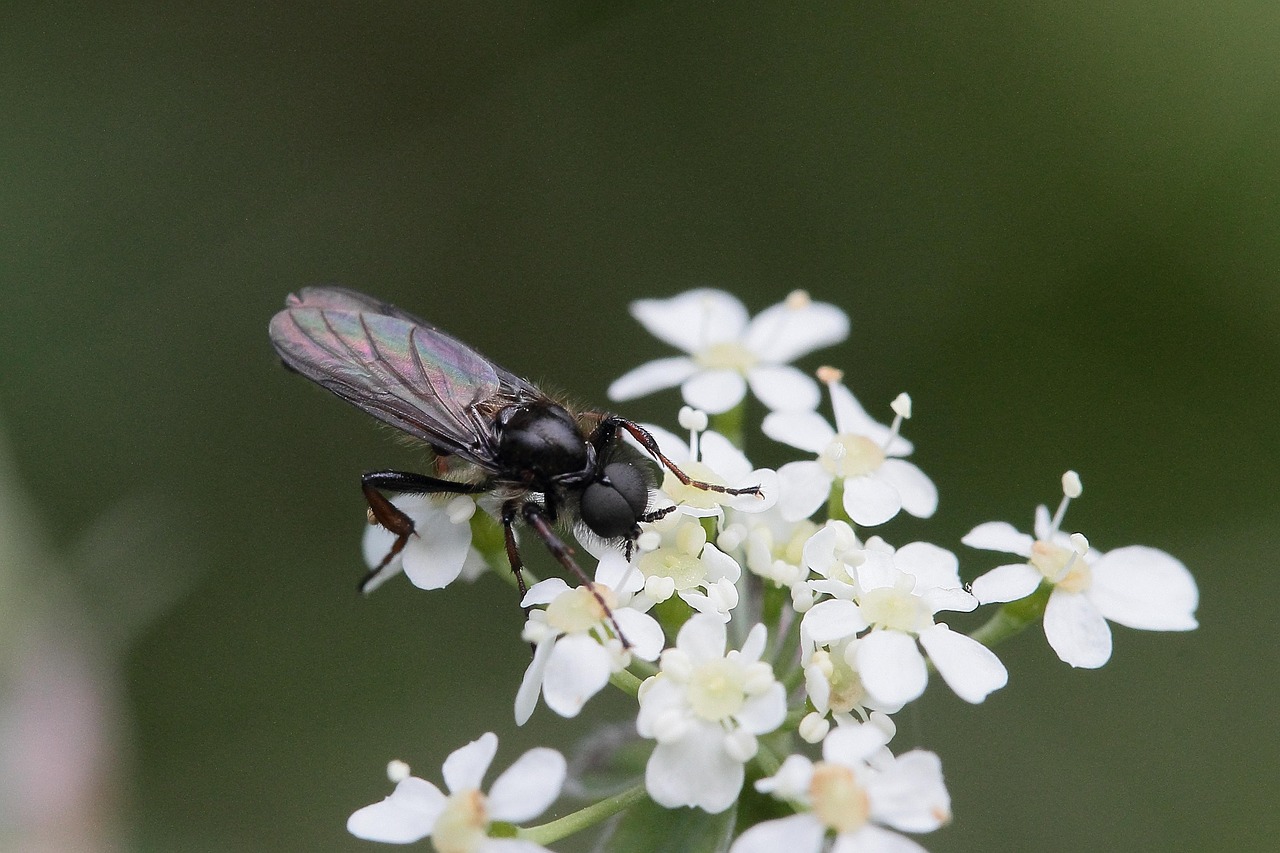
Identify the Source and Life Cycle
Before you reach for heavy-duty garden maintenance tools or outdoor power equipment, you must pinpoint the source of your gnat infestation. Fungus gnats are the most common culprits in home gardening. Unlike aphids or spider mites, which feed on foliage, fungus gnats are attracted specifically to damp, nutrient-rich potting soil.
These pests thrive in environments where moisture remains trapped. They are most frequently introduced into a home via new plants, contaminated soil bags, or by overwatering existing containers. Once established, they complete their life cycle rapidly, especially in warm indoor conditions.
Understanding their life cycle is the key to effective control. The flying adults you see hovering around your plants are primarily a nuisance; they do not damage your greenery. The real threat lies beneath the surface. The life cycle typically follows this pattern:
- Egg Stage: Adult females lay hundreds of eggs in the top one to two inches of damp potting soil.
- Larval Stage: Hatching within days, the translucent larvae feed on organic matter, decaying roots, and fungi within the soil. This is when the damage occurs, as they can stunt growth or kill delicate seedlings.
- Pupal Stage: After approximately two weeks, the larvae pupate in the soil before emerging as winged adults.
To distinguish fungus gnats from other pests, observe their movement. Fungus gnats are weak fliers that tend to run across the soil surface or flutter erratically near the base of the plant. If you see them, check your watering habits immediately. If the top inch of soil feels consistently soggy, you have created the perfect nursery for their eggs.
Do not be tempted to use aggressive outdoor power equipment or harsh chemical sprays meant for lawn care on your indoor plants. These are ineffective against soil-dwelling larvae and can damage your houseplants. Instead, focus on the soil environment. By allowing the top layer of potting mix to dry out completely between waterings, you disrupt the life cycle, making the soil inhospitable for egg-laying and larval survival. Identifying the damp source is your most powerful tool in eliminating these pests without the need for toxic interventions. Once you stop the moisture cycle, you effectively stop the infestation at its root.
Modify Watering Habits
The most effective way to eliminate fungus gnats is to disrupt their breeding cycle by altering your irrigation routine. These pests thrive in consistently moist soil, which provides the perfect environment for larvae to feed and mature. By intentionally drying out the top layer of your potting medium, you create a hostile habitat that prevents larvae from surviving.
Before reaching for your watering can, always check the moisture level of your soil. Use your finger to test the top two inches; if the soil still feels damp, hold off on watering. This simple habit forces the larvae to desiccate, effectively breaking the reproductive cycle.
To ensure your plants remain healthy while you manage moisture levels, follow these practical maintenance tips:
- Check Drainage: Ensure every container has functional drainage holes at the bottom. Without proper drainage, water collects at the base, creating a swampy environment that attracts gnats.
- Clear Saucers: Never let a pot sit in a decorative saucer filled with runoff water. Empty these saucers immediately after watering to prevent the soil from wicking moisture back up through the drainage holes.
- Use Aeration Tools: If your soil stays wet for too long, use a small hand cultivator or a simple wooden chopstick to gently loosen the top layer of soil. This increases airflow, allowing moisture to evaporate more quickly.
- Assess Potting Mix: If you find that your soil remains saturated for more than a week, consider repotting into a mix with better aeration, such as one amended with perlite or coarse sand.
If you have multiple plants, avoid grouping them too closely together during an infestation. Dense foliage can trap humidity around the soil surface, slowing down the evaporation process. Spacing your plants out allows for better air circulation, which helps the soil dry out evenly and prevents the gnats from migrating easily between containers.
Consistency is key. While it may be tempting to resume a regular watering schedule, wait until the top two inches of soil are completely dry. Once the gnat population is under control, you can gradually return to your normal routine, but always prioritize drainage to prevent a recurring infestation. By managing the soil environment, you address the root cause of the problem without needing harsh chemical interventions.

Use Physical Barriers and Traps
When dealing with a fungus gnat infestation, the most effective strategy is to disrupt their life cycle by combining trapping methods with physical soil barriers. By targeting both the flying adults and the soil environment where they lay eggs, you can significantly reduce their population without relying solely on chemical pesticides.
Yellow sticky traps are an essential tool for any indoor gardener. Fungus gnats are naturally attracted to the color yellow, which mimics the appearance of flowers and healthy foliage. Placing these traps near the soil surface of your potted plants will capture adult gnats as they emerge or attempt to land.
- Placement: Position traps horizontally near the soil or hang them vertically just above the rim of the pot.
- Monitoring: Check traps every few days. Once a trap is covered in gnats, replace it with a fresh one to maintain effectiveness.
- Efficiency: These traps are excellent for identifying the severity of an infestation and preventing adults from mating and laying new eggs.
While traps manage the adult population, you must also secure the soil to prevent future generations. Fungus gnats require moist, organic-rich soil to deposit their eggs. By creating a physical barrier on the surface of your potting mix, you make the soil inaccessible to egg-laying adults.
To implement this barrier, apply a half-inch layer of coarse sand, decorative gravel, or specialized horticultural grit over the top of the soil. This material dries out quickly after watering, creating an inhospitable environment for the gnats while still allowing water to drain through to the roots. Ensure the layer is complete and covers all exposed soil, as even small gaps can allow gnats to find a way through.
For the best results, combine these physical methods with a reduction in your watering schedule. Fungus gnats thrive in constantly damp conditions; allowing the top two inches of soil to dry out completely between waterings will further discourage them from nesting. By keeping the surface layer dry and protected with grit or sand, you effectively break the breeding cycle, allowing your plants to recover and thrive without the constant stress of gnat larvae feeding on their root systems.
Apply Natural Biological Controls
When physical barriers and traps fail to curb a persistent fungus gnat infestation, turning to biological controls is the most effective next step. The gold standard for home gardeners is Bacillus thuringiensis israelensis, commonly known as BTI. This naturally occurring soil bacterium specifically targets the larval stage of fungus gnats without harming your plants, beneficial insects, or household pets.
BTI works by producing proteins that are toxic only to the larvae of certain dipteran species, including fungus gnats and mosquitoes. When the larvae ingest the bacteria in the soil, it disrupts their digestive system, effectively stopping the reproductive cycle. Because it does not target adult gnats, you should continue using yellow sticky traps alongside BTI to capture the remaining flying population.
To apply BTI effectively, follow these practical steps:
- Select the right product: Look for mosquito dunks or granular BTI formulations sold at garden centers.
- Prepare the solution: If using dunks, soak a piece of the dunk in your watering can for several hours or overnight to create a concentrated “tea.”
- Water thoroughly: Use this BTI-infused water for your regular plant maintenance. Ensure the soil is evenly moistened so the bacteria reach the larvae living in the top few inches of the growing medium.
- Maintain consistency: Since BTI does not kill eggs, you must repeat this watering process every time your plants need moisture for at least three to four weeks to break the life cycle completely.
While BTI is highly safe for humans and pets, it is still a concentrated biological agent. Always wear gardening gloves when handling the product to prevent skin irritation. If you are using a granular or liquid concentrate, avoid inhaling dust or mist during mixing. Once you have finished applying the treatment, wash your hands thoroughly with soap and warm water to maintain proper hygiene.
By integrating BTI into your regular garden maintenance routine, you address the root cause of the infestation rather than just the symptoms. This method is far superior to harsh chemical pesticides, which can damage delicate root systems and disrupt the beneficial microbial balance of your potting soil. With patience and consistent application, you will see a significant reduction in gnat activity within a few weeks.

Follow-up Care and When to Seek Help
Even after you stop seeing adult gnats buzzing around your plants, your work isn’t quite finished. Fungus gnat larvae often remain in the soil, hidden from view, waiting to hatch. Continue monitoring your indoor garden closely for at least three to four weeks to ensure the life cycle has been completely broken.
During this follow-up period, keep your watering schedule consistent. Allow the top two inches of soil to dry out completely between waterings, as moist soil is the primary breeding ground for these pests. Continue using yellow sticky traps as a diagnostic tool; if you notice new gnats appearing on the cards, you may need to reapply your chosen treatment, such as a diluted hydrogen peroxide drench or a biological control like Bacillus thuringiensis israelensis (BTI).
If you have diligently applied treatments for several weeks but the infestation remains severe, the larvae may be too deep within the root ball for topical treatments to reach. In this case, it is time to take more drastic measures:
- Gently remove the plant from its current pot.
- Wash away the old, infested soil from the roots using lukewarm water.
- Inspect the root system for signs of mushiness or decay, which are indicators of root rot.
- Repot the plant into a clean container using fresh, high-quality, sterile potting mix.
Sometimes, a gnat problem is merely a symptom of a deeper issue. If your plant shows signs of wilting, yellowing leaves, or a foul odor emanating from the soil, you may be dealing with advanced root rot or a severe fungal pathogen. These conditions are difficult to treat with standard home remedies and can quickly kill a plant if left unchecked.
If you suspect the health of your plant is compromised beyond a simple pest issue, do not hesitate to seek expert help. Take a sample of the affected foliage or a clear photograph of the soil and root condition to a local nursery professional. They can provide specialized diagnostic advice, recommend professional-grade fungicides, or help you determine if the plant is salvageable. Investing time in proper diagnosis now will save you from the frustration of losing your favorite greenery to preventable disease.

Dedicated team of gardening enthusiasts with years of hands-on experience testing lawn mowers, gardening tools, and outdoor equipment. We help home gardeners and professionals alike make informed buying decisions with honest, thorough reviews. From push mowers to pruning shears, we test it all so you don’t have to. Got a gardening tool you’d like us to review? Get in touch!