
Attracting hummingbirds to your garden is a rewarding way to bring life and color to your outdoor space. By understanding the specific needs of these birds, including their preference for nectar-rich plants and reliable water sources, you can create a sanctuary that encourages them to visit your yard throughout the entire season.
However, success requires more than just hanging a feeder; it involves thoughtful landscape planning and consistent maintenance. Transforming your backyard into a thriving habitat takes time, patience, and the right equipment. Using quality gardening tools and proper lawn care techniques ensures your plants flourish, providing the essential food sources these energetic birds demand.
In this guide, we explore the essential outdoor power equipment and hand tools needed to cultivate a hummingbird-friendly environment. From selecting the best nectar-rich flowers to maintaining a clean, safe water feature, we provide practical advice for every gardener. Learn how to optimize your garden maintenance routine to welcome these beautiful creatures home.
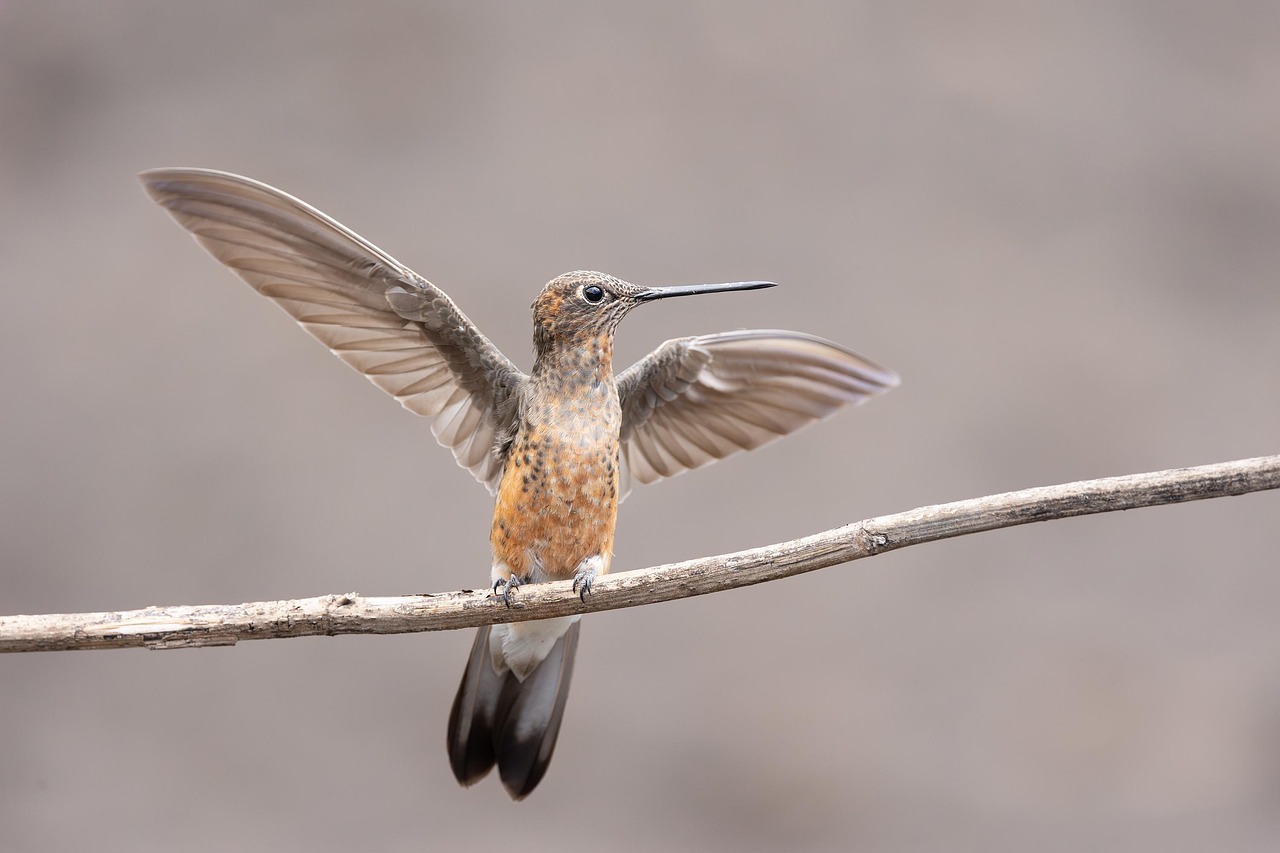
Choose the Right Nectar-Rich Plants
To turn your yard into a hummingbird sanctuary, you must prioritize nectar-rich plants that provide a reliable energy source. These birds have high metabolisms and require constant refueling, so selecting the right flora is essential for keeping them nearby throughout the spring and summer.
Hummingbirds are naturally drawn to bright, tubular flowers, which act as perfect vessels for their long beaks and tongues. When planning your garden layout, focus on native perennials. Native plants are typically easier to maintain, require less supplemental watering, and are better adapted to your local climate than exotic varieties.
Consider incorporating these high-nectar favorites into your landscape:
- Bee Balm (Monarda): A vibrant, hardy choice that attracts pollinators and provides dense clusters of tubular blooms.
- Columbine (Aquilegia): These unique, bell-shaped flowers often bloom early in the season, providing a critical food source when other plants are just waking up.
- Salvia (Sage): Available in many varieties, salvia offers a long blooming period and is highly resistant to heat, making it a staple for low-maintenance garden beds.
Placement is just as important as plant selection. Hummingbirds prefer to feed in sunny, open areas where they can easily spot flowers while hovering. Arrange your plants in groups or “drifts” rather than scattering them individually; this creates a larger, more visible target for birds flying overhead and allows them to feed more efficiently.
If you are preparing a new garden bed, use a sharp hand trowel or a garden spade to ensure you are planting at the correct depth. Proper soil preparation—incorporating organic compost—will help these perennials establish strong root systems, leading to more prolific flowering. Once planted, keep the area clear of debris using a lightweight garden rake, but avoid using heavy-duty power equipment or leaf blowers near your nectar beds. The noise and vibration can startle hummingbirds and discourage them from returning.
By creating a consistent, sun-drenched buffet of native plants, you provide the necessary fuel for these energetic visitors. A well-planned garden that blooms in stages ensures that your yard remains a destination for hummingbirds from their first arrival in the spring until they migrate south in the fall.
Install and Maintain Feeders Properly
While native plants are the foundation of a hummingbird-friendly landscape, supplemental feeders provide a vital energy boost, especially during migration or when natural nectar sources are scarce. To attract these birds effectively, consistency and hygiene are paramount.
Prepare a simple sugar-water solution by mixing one part plain white granulated sugar with four parts water. Boil the water first to dissolve the sugar completely, then allow it to cool entirely before filling your feeders. Never use honey, molasses, or artificial sweeteners, as these can be toxic to hummingbirds. Additionally, avoid adding red dyes to the mixture; the bright red color of the feeder itself is sufficient to attract them, and synthetic chemicals can cause serious health issues.
Proper maintenance is essential to prevent the growth of mold and harmful bacteria. Use high-quality feeders designed for easy disassembly, as this allows you to reach every crevice during cleaning. Follow these steps to keep your equipment safe:
- Change the sugar-water solution every two to three days, or more frequently during extreme heat, to prevent fermentation.
- Scrub the interior and exterior of the feeder thoroughly with a long-handled bottle brush during every refill.
- Use a solution of one part white vinegar to two parts water for cleaning. This natural, non-toxic agent effectively removes residue without leaving behind harmful chemical traces.
- Rinse all parts thoroughly with hot water and allow them to air dry completely before reassembling.
Position your feeders in a shaded area to keep the nectar from spoiling quickly. If you notice black spots or a cloudy appearance in the feeder, discard the solution immediately and perform a deep cleaning. By maintaining a clean, reliable food source, you ensure that hummingbirds remain healthy and continue to return to your yard throughout the season.
Beyond the feeders, keep your surrounding garden tools and lawn care equipment organized and away from the feeding zone to minimize disturbance. Hummingbirds are sensitive to movement, so quiet, well-maintained outdoor spaces are far more likely to encourage repeat visits. When you treat your feeders as a permanent, well-cared-for fixture of your home garden, you create a dependable sanctuary that these energetic birds will rely on year after year.

Create a Bird-Friendly Habitat
Creating a sanctuary for hummingbirds requires more than just nectar-rich flowers; it demands a thoughtfully maintained landscape that provides security and hydration. To build a truly bird-friendly habitat, you must balance your garden maintenance with the specific structural needs of these tiny aviators.
Hummingbirds are vulnerable to predators and harsh weather, making dense foliage essential. Incorporate small, native trees and shrubs into your garden design to offer safe nesting sites and protective cover. When pruning these plants, use sharp, clean hand tools to ensure precise cuts that promote healthy growth without damaging the structure hummingbirds rely on for shelter. Avoid over-manicuring your yard; a slightly wilder perimeter often provides the best protection.
Water is equally vital, yet hummingbirds are cautious around deep, stagnant basins. They prefer shallow, moving water, which mimics natural streams and keeps them safe from drowning. A gentle misting fountain or a shallow birdbath with a dripper is the most effective way to attract them. Regular maintenance of these features is critical to prevent algae buildup and ensure the water remains fresh and safe for the birds.
To successfully integrate these elements into your lawn care and gardening routine, consider these practical steps:
- Strategic Planting: Position shrubs near your nectar sources to provide “perch-and-protect” zones where birds can rest between feedings.
- Tool Maintenance: Keep your hedge trimmers and pruners well-oiled and sharp. Clean cuts help shrubs develop the dense, twiggy growth that hummingbirds favor for nesting.
- Water Safety: If using a birdbath, ensure the water depth is no more than half an inch. If your basin is deeper, add smooth, clean river stones to create a shallow landing area.
- Avoid Chemicals: Hummingbirds consume small insects for protein. Minimize the use of outdoor power equipment for chemical spraying; instead, rely on manual weeding and organic mulch to manage your beds.
By viewing your gardening tools as instruments for habitat design rather than just maintenance, you can transform your outdoor space into a reliable refuge. A well-tended yard that offers both shelter and moving water will quickly become a favorite destination for hummingbirds, ensuring they return to your garden season after season.
Safety and Maintenance Considerations
Creating a hummingbird-friendly landscape often involves installing high-mounted feeders or building custom structures like trellises. Safety must remain your top priority when working at height or using equipment to enhance your garden.
When installing hooks or mounting feeders, always use a stable, professional-grade ladder placed on firm, level ground. Avoid balancing on unstable furniture or uneven soil. If you are working alone, consider using a reach tool to hang feeders rather than overextending your body while on the ladder.
If your project requires outdoor power equipment to build birdhouses or garden supports, follow these essential safety practices:
- Wear impact-resistant safety glasses to shield your eyes from sawdust, wood chips, and flying debris.
- Keep all power cords organized and away from wet grass or standing water to prevent electrical hazards.
- Check that all power tool guards are in place and functioning correctly before starting your motor.
- Disconnect power sources before changing blades, bits, or performing routine maintenance on your equipment.
Proper care of your hand tools is equally important for both your safety and the health of your garden. Sharp pruners and loppers make clean cuts, which help prevent disease in the nectar-rich flowers hummingbirds love. However, dull or rusty tools are more prone to slipping and causing injury.
After finishing your garden maintenance, clean your tools to remove sap and soil. Wipe metal blades with a light coat of oil to prevent rust and ensure smooth operation for your next session. Always store sharp hand tools in a secure, dry location, such as a locked shed or a wall-mounted rack, to keep them out of reach of children and pets.
Regular maintenance of your lawn care equipment and garden tools ensures that your outdoor space remains a safe, efficient sanctuary. By keeping your workspace clear of debris and your tools in peak condition, you can focus on the rewarding experience of watching hummingbirds thrive in the environment you have carefully cultivated.

Common Questions and Seasonal Care
Preparing your yard for hummingbirds requires more than just hanging a feeder. To successfully attract these birds, you must synchronize your efforts with their natural migration patterns. Aim to have your feeders cleaned, filled, and securely mounted at least two weeks before the first hummingbirds are typically spotted in your region. This ensures that early arrivals, often referred to as scouts, find a reliable food source immediately upon their return.
Maintaining a hygienic environment is critical for bird health. Feeders can quickly harbor mold and bacteria, especially in warm climates. Incorporate these maintenance steps into your routine:
- Cleaning Schedule: Wash feeders with hot water and a mild, unscented soap every time you refill them. Avoid harsh chemicals or bleach, which can leave toxic residues.
- Nectar Replacement: Change the sugar water every three to four days. During periods of extreme heat, replace it every 48 hours to prevent fermentation.
- Inspection: Use a long-handled bottle brush to scrub inside the feeding ports where gunk often accumulates. If you cannot reach a specific crevice, replace the feeder to prevent contamination.
While feeders provide a supplemental energy boost, your garden’s infrastructure plays a vital role in long-term success. Keep your hand tools, such as pruners and trowels, sharp and clean to manage the nectar-rich perennials that hummingbirds prefer. Proper garden maintenance—such as deadheading flowers and controlling weeds—ensures that natural nectar sources remain abundant throughout the season.
Use your outdoor power equipment, like string trimmers or leaf blowers, with caution near high-traffic bird areas. Hummingbirds are sensitive to noise and vibration; try to complete heavy yard work during the early morning hours when birds are less active. If you are planning significant landscaping changes, aim to complete them before the peak nesting season to minimize stress on local populations.
Finally, always monitor your visitors closely. If you observe birds acting lethargic, struggling to fly, or showing visible signs of illness, take immediate action. Remove all feeders from your yard instantly to prevent the spread of pathogens. Contact your local wildlife extension office or a licensed avian rehabilitator for specific guidance on how to handle the situation safely. By prioritizing cleanliness and habitat health, you create a sustainable sanctuary that hummingbirds will return to year after year.

Dedicated team of gardening enthusiasts with years of hands-on experience testing lawn mowers, gardening tools, and outdoor equipment. We help home gardeners and professionals alike make informed buying decisions with honest, thorough reviews. From push mowers to pruning shears, we test it all so you don’t have to. Got a gardening tool you’d like us to review? Get in touch!