
Fungus gnats are a common nuisance for indoor gardeners, often appearing when soil remains too moist. You can effectively eliminate these pests by adjusting your watering habits and using simple, household traps to break their reproductive cycle. Understanding how to manage these tiny invaders is essential for maintaining a healthy, thriving home garden year-round.
While these annoying insects are rarely fatal to established plants, they can damage delicate root systems and quickly spread to your entire collection. It is important to remember that complete eradication takes patience and consistent monitoring. By combining proper lawn care equipment with targeted hand tools, you can successfully restore your indoor greenery’s vitality.
This guide explains how to identify these pests, eliminate them using safe, practical methods, and adjust your gardening routine to prevent them from returning. From utilizing specialized outdoor power equipment for soil preparation to implementing natural deterrents, we provide the actionable advice you need to keep your home garden free from persistent fungus gnat infestations.
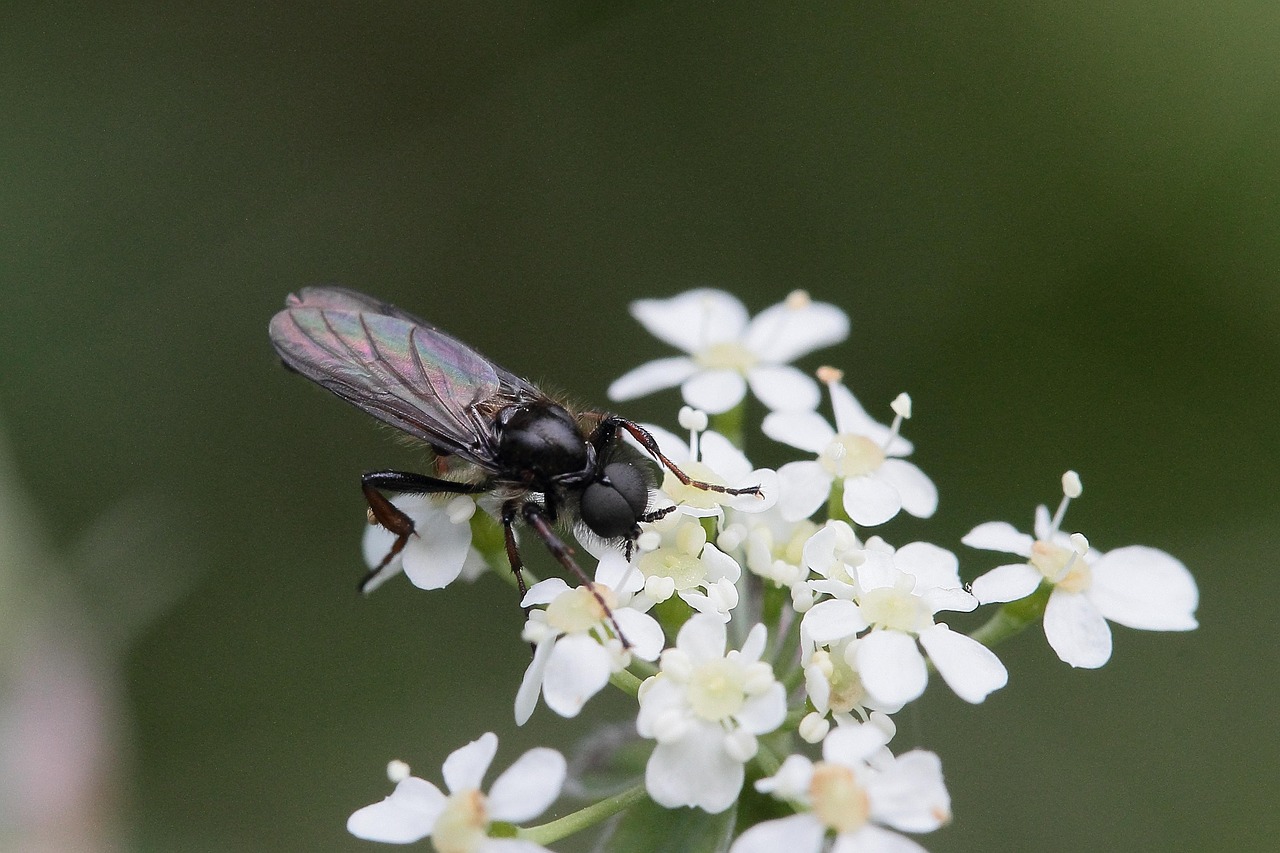
Identifying Fungus Gnats in Your Plants
Before you reach for heavy-duty outdoor power equipment or specialized garden maintenance tools, you must confirm that your problem is indeed fungus gnats. Misidentifying pests can lead to unnecessary chemical treatments that may harm your plants or the beneficial micro-organisms in your soil.
Fungus gnats are small, mosquito-like insects that typically measure about 1/8 of an inch long. They are weak fliers, often seen hovering erratically just above the soil surface or resting on the foliage of your houseplants. Unlike other pests that feed directly on plant tissue, adult fungus gnats are primarily a nuisance; it is their larvae, residing in the damp top layer of your potting mix, that cause damage by feeding on delicate root hairs.
To distinguish them from other common indoor pests, look for these specific characteristics:
- Movement: If you disturb the soil and see tiny, dark-colored flies darting into the air, they are likely fungus gnats.
- Color and Shape: They have slender bodies, long legs, and clear, transparent wings. They appear dark gray or black, unlike the bright green or white appearance of aphids or whiteflies.
- Location: They are almost exclusively found near damp soil. If you see bugs clustered on the undersides of leaves or along the stems, you are likely dealing with spider mites, aphids, or mealybugs instead.
- Response to Light: Like many small flies, they are attracted to light. You may notice them congregating near windows or around bright indoor lamps.
A simple way to verify their presence is to use yellow sticky traps. Fungus gnats are naturally drawn to the color yellow. Place a small trap near the base of your plant; if you find the sticky surface covered in tiny black specks within 24 hours, your diagnosis is confirmed.
It is important to note that fungus gnats thrive in moisture. If you are struggling with a persistent infestation, evaluate your watering habits. Overly saturated potting mix creates the perfect nursery for larvae. By allowing the top two inches of soil to dry out completely between waterings, you can often disrupt their life cycle without needing to resort to harsh pesticides. If the infestation persists despite dry soil, it may indicate a drainage issue, suggesting it is time to repot your plant using a fresh, well-draining potting medium.
Immediate Steps to Control an Infestation
The most effective way to manage a fungus gnat infestation is to disrupt the insect’s life cycle immediately. Fungus gnats thrive in consistently moist environments, where their larvae feed on organic matter and decaying roots within the top layer of potting soil. By altering the soil moisture levels, you can create an environment that is hostile to their development.
The golden rule for control is to allow the top two inches of your plant’s soil to dry out completely between waterings. This practice effectively kills off larvae, which require constant moisture to survive and mature. Before watering, use your finger to test the soil depth; if it still feels damp or cool, wait another day or two. This simple adjustment to your garden maintenance routine is often enough to break the breeding cycle without the need for harsh chemicals.
While you address the soil moisture, you must also target the adult gnats that are currently flying around your home. Adult gnats are primarily a nuisance, but they are responsible for laying the next generation of eggs. Using physical traps is a practical, non-toxic method to reduce their population and monitor the severity of your infestation.
To implement these immediate control measures, follow these steps:
- Dry the Soil: Withhold water until the top two inches of soil are dry to the touch. This prevents larvae from reaching maturity.
- Deploy Sticky Traps: Place yellow sticky traps horizontally or vertically near the base of the plant. The bright yellow color attracts adult gnats, and the adhesive surface captures them upon contact.
- Monitor Progress: Check your traps every few days. A high number of captured gnats indicates a heavy infestation, while a decreasing number suggests your drying strategy is working.
- Prune Dead Material: Use clean hand tools to remove any fallen leaves or decaying plant matter from the soil surface, as these provide additional food sources for the larvae.
By combining soil management with proactive trapping, you can regain control of your indoor garden. Consistency is key; continue these practices for at least two to three weeks to ensure that any remaining eggs have been eliminated and the adult population has been successfully suppressed.

Natural and Chemical Treatment Options
When plant gnats persist despite cultural adjustments, you may need to introduce targeted treatments. These methods disrupt the life cycle of the insect, preventing future generations from maturing in your potting soil.
Biological Controls
The most effective long-term solution is the use of Bacillus thuringiensis israelensis (Bti). This naturally occurring bacterium is highly specific; it targets the larvae of fungus gnats and mosquitoes while remaining completely safe for your plants, pets, and beneficial insects like bees.
- Purchase Bti in liquid or “dunk” form, often sold as a mosquito control product.
- Dissolve the recommended amount into your watering can.
- Use this mixture consistently for every watering session over a three-week period to ensure you catch larvae as they hatch.
Physical Barriers
If you prefer to avoid liquids or need a quick way to stop adults from laying new eggs, create a physical barrier on the soil surface. Fungus gnats require moist, organic-rich soil to reproduce. By creating a dry, abrasive layer on top, you make the environment inhospitable for egg-laying.
- Coarse Sand: Apply a half-inch layer of horticultural sand over the top of the soil. This dries out quickly and prevents gnats from reaching the moist soil beneath.
- Decorative Gravel or Pebbles: Use small, clean stones to cover the surface. Ensure the layer is thick enough that there are no gaps for adults to crawl through.
Chemical Considerations
While many gardeners reach for systemic insecticides, these are often unnecessary for indoor plant gnats. Chemical sprays can leave residues on foliage and may be harmful if used in living spaces. If you choose to use a chemical treatment, prioritize products containing pyrethrins, which are derived from chrysanthemums and break down relatively quickly. Always check the label to ensure the product is registered for indoor container plants.
Before applying any treatment, ensure your plants are not sitting in standing water. Regardless of the method you choose, the most vital step in garden maintenance is allowing the top two inches of soil to dry out completely between waterings. This simple habit, paired with the treatments above, will effectively break the infestation cycle and keep your indoor garden healthy.
Safety and Best Practices for Garden Maintenance
Maintaining a healthy garden environment requires more than just the right tools; it demands a commitment to safety, especially when managing pests like fungus gnats. Whether you are repotting houseplants or applying organic treatments to your soil, your physical well-being should always be the priority.
When handling potting mixes or applying insecticidal soaps, always wear durable gardening gloves. Soil can harbor pathogens, and concentrated treatments may cause skin irritation. Gloves act as a vital barrier, protecting your hands from both abrasive garden debris and chemical exposure.
If your pest control strategy involves aerosol-based organic sprays, ventilation is non-negotiable. Never apply these products in small, enclosed rooms or closets. Instead, move your plants to a well-ventilated outdoor area or a garage with the door open to ensure you are not inhaling fine mist particles. If you must treat plants indoors, open nearby windows and use a fan to circulate fresh air away from your workspace.
Proper storage is the final pillar of garden maintenance safety. Keep all gardening chemicals, fertilizers, and concentrated treatments in their original containers. Follow these storage guidelines to protect your household:
- Store all products in a cool, dry cabinet that is locked or secured.
- Ensure items are placed well out of reach of children and curious pets.
- Never transfer pesticides or cleaning solutions into food or beverage containers, as this can lead to accidental ingestion.
- Keep a clear inventory of your garden supplies to ensure no expired or leaking containers remain in your home.
Finally, always read the manufacturer’s label in its entirety before application. Labels provide essential information regarding dilution ratios, frequency of use, and specific safety warnings that are tailored to that exact product. Do not assume that all “organic” solutions are safe for indiscriminate use; following the recommended dosage prevents damage to your plants and minimizes unnecessary chemical exposure to your living space.
By integrating these best practices into your routine, you can effectively manage plant gnats while maintaining a secure and healthy home garden. Consistent, cautious habits are the most effective tools in your gardening shed, ensuring that your maintenance efforts remain productive and safe for everyone in your household.

Follow-up Care and When to Seek Help
Once you have applied your initial treatment, the battle against fungus gnats is not immediately over. Adult gnats have a short lifespan, but their eggs and larvae can linger in the soil for weeks. Vigilance is essential during this recovery phase to ensure the population has truly crashed.
Continue monitoring your plants closely for at least three to four weeks. During this time, maintain your modified watering schedule, allowing the top two inches of soil to dry out completely between waterings. This remains the most effective way to disrupt the gnat life cycle. Keep yellow sticky traps in place; they serve as both a control method and a diagnostic tool to alert you if new adults emerge.
If you notice the infestation persisting despite your best efforts, it may be time for a more drastic intervention. If the soil remains soggy or appears degraded, consider repotting the plant. Follow these steps for a successful transition:
- Choose a high-quality, sterile potting mix specifically formulated for indoor plants.
- Gently remove the plant from its current pot and shake away as much of the old, infested soil as possible from the root ball.
- Inspect the roots for signs of rot, trimming away any damaged or mushy sections with clean, disinfected hand shears.
- Repot into a container with adequate drainage holes to prevent future moisture buildup.
- Discard the old soil in a sealed bag rather than composting it, as this prevents the spread of larvae to other areas of your garden.
For those managing large plant collections or facing an overwhelming outbreak that refuses to subside, do not hesitate to seek professional assistance. Your local agricultural extension office is an invaluable resource for plant health; they can often provide specific advice tailored to your regional climate and common local pests. Alternatively, visit a reputable local nursery. Experienced staff can help you identify if you are dealing with a different type of pest—such as soil mites or shore flies—that may require a different approach than standard fungus gnat treatments. Taking these steps ensures your indoor garden remains a healthy, thriving space for your plants rather than a breeding ground for unwanted visitors.

Dedicated team of gardening enthusiasts with years of hands-on experience testing lawn mowers, gardening tools, and outdoor equipment. We help home gardeners and professionals alike make informed buying decisions with honest, thorough reviews. From push mowers to pruning shears, we test it all so you don’t have to. Got a gardening tool you’d like us to review? Get in touch!